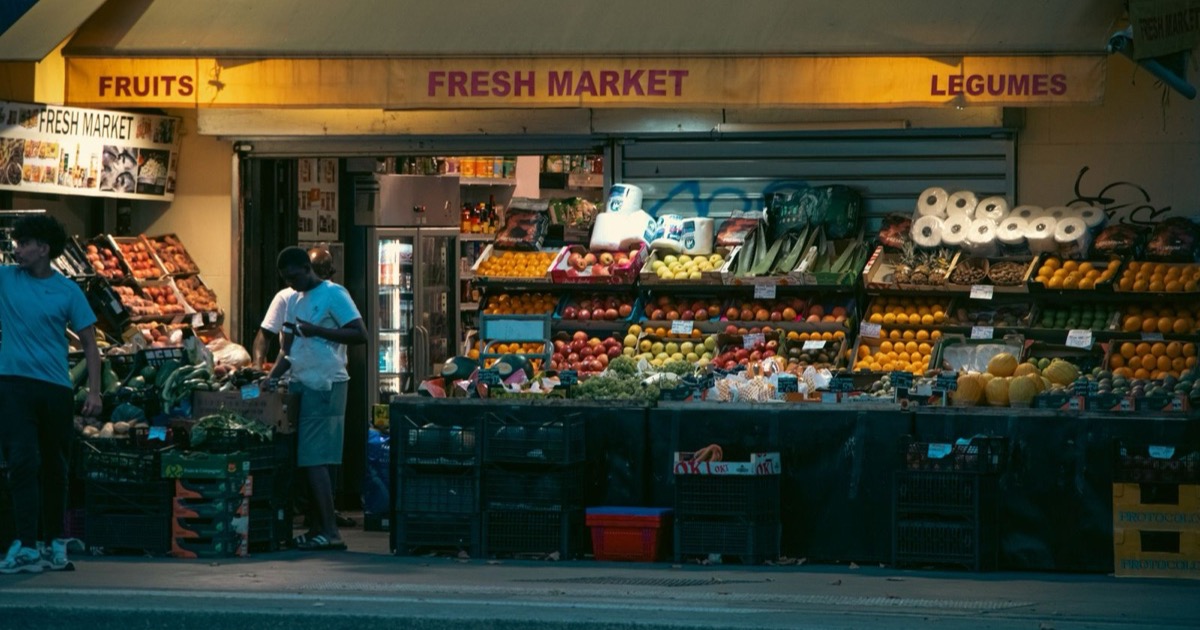

Paris is a city where culinary curiosity can lead you down quiet side streets and into bustling market halls that most tourists never see.
Paris is a city where culinary curiosity can lead you down quiet side streets and into bustling market halls that most tourists never see. By seeking out hidden food markets Paris locals rely on, you’ll taste seasonal produce, handcrafted breads, and regional cheeses that define the everyday Parisian palate. These markets offer a genuine Paris culinary experience without the usual crowds, letting you shop alongside the city’s residents. Follow this guide to discover where the freshest stalls, the most authentic cheese selections, and the optimal visiting times await.
Which hidden food markets in Paris offer the freshest local produce?
The Marché d'Aligre, tucked in the 12th arrondissement, combines a traditional covered market (marché couvert Paris) with an open-air flea market. Early mornings reveal stalls piled with crisp carrots, heirloom tomatoes, and fragrant herbs sourced from farms in the Île-de-France region. Because the market serves the surrounding neighborhoods, vendors prioritize quality over spectacle, and you’ll often find seasonal produce that hasn’t yet appeared in larger tourist‑focused markets.
Further north, the Marché biologique des Batignolles in the 17th arrondissement specializes in certified organic goods. Here, local growers bring in freshly harvested strawberries, beans, and leafy greens directly from their fields. The market’s commitment to sustainable farming means the vegetables retain a vivid flavor profile, and the atmosphere encourages friendly conversations about planting cycles and cooking tips.
On the right bank, the Marché de la Bastille, though larger, retains a neighborhood feel in its peripheral aisles. Fresh baguette vendors line the perimeter, offering warm, crusty loaves that pair perfectly with the market’s selection of ripe pears and melons. Visiting before the midday rush reveals the most vibrant displays of seasonal fruit, and you’ll often catch the occasional pop‑up stall featuring locally made jams and preserves.
Where can I find authentic artisanal cheese in Paris’s lesser‑known markets?
Artisanal cheese stalls thrive in Paris’s off‑the‑beaten‑path markets, where producers bring their own wheels to share with discerning shoppers. At the Marché des Enfants Rouges, the oldest covered market in the city, a modest cheese counter offers a rotating selection of soft Camembert, tangy goat cheeses, and aged Comté sourced from small farms in Normandy and Auvergne. The vendors are usually the cheesemakers themselves, providing insight into the aging process and ideal pairings.
In the 20th arrondissement, the Marché de la Porte de Montreuil hosts a dedicated dairy corner that showcases regional specialties such as Reblochon and Munster. The stall’s emphasis on local provenance means the cheeses are often sold the same day they leave the farm, delivering a freshness that larger supermarkets can’t match. You’ll also find accompanying artisanal crackers and locally produced honey, perfect for an impromptu tasting.
| Market | Cheese Specialty | Atmosphere | Typical Visiting Hours |
|---|---|---|---|
| Marché des Enfants Rouges | Soft Camembert, Goat cheese | Cozy, historic hall with intimate stalls | 8 am – 2 pm (weekdays) |
| Marché de la Porte de Montreuil | Reblochon, Munster | Lively, community‑focused | 7 am – 1 pm (weekends) |
| Marché d'Aligre | Aged Comté, Bleu d'Auvergne | Energetic, mixed indoor/outdoor | 7 am – 3 pm (daily) |
What are the best times to visit Paris’s local markets to avoid crowds?
Arriving at the crack of dawn—typically between 7 am and 8 am—offers the quietest experience across most neighborhood markets. Vendors are still arranging their displays, and the freshest items are on hand, allowing you to shop before the influx of office workers and schoolchildren. This early window also provides a chance to watch the market come to life, with the aroma of fresh baguettes and coffee filling the air.
If a morning start isn’t feasible, the late afternoon—around 4 pm to 5 pm—often sees a second lull before vendors begin packing up. While some stalls may have sold out of perishable goods, many still retain a selection of pantry items, cheese, and baked treats that remain perfectly edible. This period is especially calm at markets like the Marché biologique des Batignolles, where the emphasis on sustainable produce means less waste and more relaxed browsing.
Weekday visits, particularly Tuesdays and Wednesdays, generally experience lower foot traffic than the more popular weekend days. Combining a mid‑week schedule with either an early‑morning or late‑afternoon slot maximizes your chances of navigating the aisles unhurriedly, giving you ample time to chat with local vendors and discover seasonal specialties at your own pace.
How do Parisian market stalls differ from tourist‑focused food halls?
Traditional market stalls in Paris are typically family‑run or cooperative spaces where vendors have built relationships with local customers over generations. The inventory reflects the rhythm of the seasons, with fresh produce arriving early each morning and disappearing by noon. Prices are negotiated in a straightforward manner, and the emphasis is on provenance – you will often hear the farmer’s name or the bakery’s neighborhood origin.
In contrast, food halls that cater primarily to visitors tend to feature a curated mix of branded concepts, pre‑packaged items, and a higher proportion of multilingual signage. The layout is designed for quick turnover, and the product range leans toward recognizable French staples that travel well, such as pre‑sliced charcuterie or souvenir‑style pastries. While convenient, these halls rarely showcase the same depth of local sourcing.
| Aspect | Local Market Stalls | Tourist‑Focused Food Halls |
|---|---|---|
| Vendor background | Often multigenerational, neighborhood‑based | Corporate chains or pop‑up concepts |
| Product turnover | Morning deliveries, same‑day sell‑through | Extended hours, stocked for longer periods |
| Pricing style | Negotiable, based on bulk or loyalty | Fixed, menu‑style pricing |
| Seasonality | Strong, reflects current harvests | Limited, focuses on year‑round items |
| Atmosphere | Conversational, communal tables for locals | Fast‑paced, designed for quick visits |
Which neighborhoods host the most underrated food markets in Paris?
Exploring beyond the central arrondissements reveals pockets where markets operate with a low profile yet deliver high quality. These districts maintain a rhythm that aligns with daily Parisian life, offering a snapshot of the city’s culinary diversity without the crowds that gather at the more famous sites.
When planning a market‑hopping itinerary, consider the following neighborhoods, each home to a market that locals frequent for fresh ingredients, artisanal breads, and specialty items.
- 11th arrondissement – a lively market near Rue Oberkampf, known for its selection of organic vegetables and small‑batch cheese producers.
- 12th arrondissement – a historic market that has served the community since the 18th century, offering a mix of fishmongers and pastry stalls.
- 14th arrondissement – a market tucked away close to Montparnasse, praised for its vibrant fruit stands and regional cured meats.
- 16th arrondissement – a quieter market serving the residential area, where you can find high‑quality honey and locally roasted coffee.
- 20th arrondissement – a multicultural market that reflects the district’s diverse population, featuring spices, exotic produce, and street‑style crepes.
- 5th arrondissement – a smaller market near the Latin Quarter, favored by students and teachers for its affordable yet fresh selections.
- 17th arrondissement – a market that caters to families, with a strong emphasis on seasonal bakery items and locally sourced eggs.
What seasonal specialties should I look for at Paris’s hidden markets?
Each season brings a distinct set of flavors that local vendors highlight in their offerings. In spring, expect an abundance of tender asparagus, early strawberries, and freshly harvested herbs such as chervil and sorrel. Vendors often pair these with soft cheeses that complement the delicate produce.
Summer markets burst with stone fruits, including cherries, apricots, and peaches, alongside heirloom tomatoes and corn on the cob. Look for artisanal ice‑cream makers who use these fruits to create limited‑edition sorbets, and for charcuterie stalls that feature cured sausages designed for outdoor picnics.
Autumn introduces earthy mushrooms, chestnuts, and pumpkins. Many stalls showcase locally pressed apple cider and small‑batch calvados, while bakeries bring out walnut‑filled pastries that pair well with the season’s robust cheeses.
Winter markets focus on root vegetables like carrots, parsnips, and celeriac, as well as citrus imports such as blood oranges and grapefruits. You’ll also find hearty stews simmering in large cauldrons, prepared with locally sourced beef and slow‑cooked legumes, offering a comforting option for chilly evenings.
Are there any night markets or evening food events in Paris off the tourist radar?
In the evenings, several neighborhood markets extend their hours to accommodate locals who shop after work. The Marché de la Butte-aux-Cailles, tucked behind the quiet streets of the 13th arrondissement, transforms its stalls into a lively street‑food corridor from 19:00 to 22:00 on Wednesdays and Saturdays. Here you can sample freshly grilled kebabs, seasonal crêpes, and a rotating selection of Asian‑inspired bites prepared by small‑scale vendors who source their ingredients from nearby farms.
Another low‑key option is the night edition of the Marché des Batignolles in the 17th arrondissement. From late May through early September, a handful of artisanal cheese makers, charcuterie artisans, and bread bakers set up temporary tables after the main market closes. The atmosphere is relaxed, and the lighting from nearby cafés encourages lingering over a glass of natural wine while you sample a slice of walnut‑infused brioche or a spoonful of locally made pâté.
For those who enjoy a blend of vintage shopping and culinary discovery, the Saint‑Ouen flea market hosts a Friday‑night “Food Alley” from 20:00 to 23:00. While the primary focus remains on antiques and retro décor, a curated line of street‑food stalls offers everything from spicy harissa‑spiced chickpea bowls to classic French onion soup served in miniature copper pots. The crowd is predominantly local families and young professionals, providing an authentic taste of Parisian nightlife without the tourist surge.
How can I navigate Paris’s market transport options as a traveler?
Paris’s public‑transport network is designed to connect most neighborhoods to their nearest market within a short ride. The Metro remains the fastest way to reach larger covered markets; for example, Line 5 stops at Jacques Bonsergent, a stone’s throw from the Marché Saint‑Quentin, while Line 12 drops you at Abbesses for the Marché d’Aligre. When traveling during peak hours, consider using the bus network, which often runs parallel routes that stop directly outside market entrances.
If you prefer a more flexible approach, the city’s Vélib’ bike‑share system offers docking stations at virtually every major market. A 30‑minute ride from the Louvre can land you at the Marché des Enfants Rouges, allowing you to carry a reusable tote without worrying about metro crowds. For markets located on the outskirts, such as those in the 12th arrondissement, the RER C line provides a quick connection, and a short walk from the Bibliothèque Francoeur station leads you straight to the stalls.
- Metro: Identify the closest line and stop; most market entrances are within a 5‑minute walk.
- Bus: Use the RATP app to find routes that stop at “Marché” or “Place” stops for direct access.
- Vélib’: Pick up a bike at a station near your accommodation and drop it off at a dock adjacent to the market.
- RER: Ideal for markets beyond the city centre; check the RER map for stations with pedestrian pathways.
- Night buses (Noctilien): Operate after metro service ends, covering major market districts until 01:00.
What payment methods are accepted at traditional Parisian markets?
Cash remains the most universally accepted form of payment at open‑air stalls and older covered markets. Vendors often prefer exact change or small bills, as handling large notes can be cumbersome in a busy environment. Carrying a modest amount of euros in both coins and low‑denomination notes ensures smooth transactions, especially when purchasing items like fresh baguettes or individual pieces of cheese.
Contactless card readers have become increasingly common over the past few years, particularly at larger market halls such as Marché d’Aligre and Marché des Enfants Rouges. Most modern terminals accept Visa, Mastercard, and increasingly, contactless debit cards. However, some smaller stalls may still lack electronic payment infrastructure, so it’s advisable to have cash on hand as a backup.
Mobile payment platforms, including Apple Pay and Google Pay, are accepted at a growing number of vendors who have upgraded to NFC‑enabled terminals. While the adoption rate varies by arrondissement, you will often find a “Pay‑by‑Phone” sign at stalls that cater to a younger, tech‑savvy clientele. Regardless of the method you choose, keeping your wallet organized and your phone charged will help you avoid any hiccups during your market visits.
Which markets are family‑friendly and offer kid‑approved treats in Paris?
Marché des Enfants Rouges in the Marais is a compact covered market where the scent of freshly baked crêpes and savory galettes drifts through the aisles. Small stalls sell mini croissants, fruit‑filled pastries, and soft‑serve ice cream that appeal to younger palates, while parents can browse a selection of organic vegetables and artisanal cheeses. The market’s relaxed pace and central location make it easy to combine a quick snack with a stroll through the nearby historic streets.
Further east, Marché d’Aligre in the 12th arrondissement offers a lively open‑air section where vendors display colorful fruits, crunchy nuts, and honey‑glazed roasted chickpeas that children love to sample. A dedicated corner serves freshly made falafel wraps and sweet beignets, providing a casual dining spot where families can sit on nearby benches. The market’s generous opening hours allow for a leisurely morning visit before heading to the adjacent Parc de Bercy for a playground break.
For a quieter neighborhood feel, the market at Rue de la Butte‑aux‑Cailles in the 13th arrondissement presents a modest selection of seasonal produce, homemade jams, and small pastries. A nearby boulangerie often offers bite‑size pain au chocolat that fits perfectly into a child’s lunchbox. The surrounding streets are lined with low‑traffic lanes, making it a safe environment for stroller navigation.
How do I combine a market visit with nearby cultural attractions in Paris?
When you explore Marché d’Aligre, consider a short walk to the Musée de la Musique, housed in the former Cité de la Musique concert hall. After sampling fresh strawberries and cheese, you can spend an hour discovering historic instruments and interactive exhibits that engage both adults and children. The museum’s garden provides a pleasant spot for a picnic using market‑bought goodies.
Marché des Enfants Rouges sits close to the Musée Picasso and the Musée Carnavalet, two institutions that showcase art and history of the city. A post‑market itinerary might include a quick visit to the Picasso collection, followed by a wander through the historic Place des Vosges, where the open space invites kids to run and explore. The proximity of these sites allows you to weave culinary and cultural experiences without relying on extensive transit.
If you head to the Marché de la Bastille, the Opéra Bastille and the contemporary art space at the Galerie du Château d’Eau are within a comfortable walking distance. After tasting a savory baguette sandwich from a local vendor, you can catch a matinee performance or simply admire the modern architecture of the surrounding area. Pairing market food with a cultural stop adds depth to a single afternoon outing.
Sources & Further Reading
Frequently Asked Questions
Do Paris’s local food markets accept credit cards or only cash?
Most vendors at smaller neighbourhood markets prefer cash, especially for quick purchases like fruit or pastries. However, many larger stalls now have portable card readers, so you can usually pay with a chip‑and‑pin card or contactless method. It’s wise to carry a modest amount of euros for vendors who remain cash‑only.
What is the typical price range for fresh produce at hidden Paris markets?
Seasonal fruits such as apples, pears, or berries often cost between €2 and €4 per kilogram, while organic vegetables may range from €3 to €6 per kilogram. Prices fluctuate with the season, and buying directly from the farmer can sometimes yield a better deal than at supermarkets.
Are there any markets in Paris that are open on Sundays?
Yes, several neighbourhood markets operate on Sundays, including the Marché Bastille and the Marché d’Aligre, though they may open later in the morning and close earlier in the afternoon. Always check the specific market’s schedule before planning a Sunday visit, as some may close for a few weeks during winter.
Can I find gluten‑free or vegan options at Paris’s lesser‑known markets?
Increasingly, vendors offer gluten‑free breads, vegan pastries, and plant‑based spreads. Look for stalls displaying “sans gluten” or “vegan” signs, and don’t hesitate to ask the seller about ingredients. Markets with a strong organic focus, such as those in the 11th arrondissement, tend to have a wider selection of dietary‑friendly products.
Is it safe to bring a picnic from a Paris market to nearby parks?
Parisian parks such as Parc des Buttes‑Chaumont and Parc de Bercy are popular spots for picnics, and enjoying market‑bought food there is perfectly normal. Keep an eye on personal belongings, especially in busier areas, and dispose of waste in designated bins to respect local cleanliness rules.
How early should I arrive to get the best selection at a Paris market?
Arriving within the first half hour after opening maximises your chances of finding the freshest produce and the most varied selection. Early visitors also benefit from lower crowds, making it easier to converse with vendors and learn about seasonal specialties.
Do market vendors speak English, or should I know basic French phrases?
While many younger vendors understand basic English, especially in areas frequented by tourists, using simple French greetings like “Bonjour,” “Merci,” and “Combien?” goes a long way. A few polite phrases can improve interactions and often lead to recommendations you might otherwise miss.
What are the most Instagram‑worthy spots inside Paris’s hidden markets?
Colorful displays of stacked oranges, artisanal cheese wheels, and vibrant flower arrangements create natural photo backdrops. Look for stalls with rustic wooden crates or vintage signage, and consider capturing the bustling atmosphere during the early morning rush for the best lighting.
Are there any guided tours that focus on Paris’s local food markets?
Several independent tour operators offer half‑day walks that centre on neighbourhood markets, combining tastings with stories about the vendors and the history of the area. These tours typically include a small group size, allowing for personal interaction and the chance to sample a variety of items.
Can I purchase specialty items like truffles or foie gras at these markets?
Specialty delicacies such as fresh truffles and high‑quality foie gras are available at select stalls, particularly in markets known for gourmet products like Marché d’Aligre. Prices reflect the premium nature of these items, so budgeting accordingly is advisable.
Plan your market itinerary around opening times, pair each visit with a nearby cultural stop, and keep some cash handy for the smoothest experience. Enjoy the flavors and sights that make Paris’s local markets a rewarding part of any trip.
Reviewed by our editor for Europe
Marco BianchiEurope Editor
Europe travel writer focused on city culture, museums and historic routes across the continent.
More articles by Marco Bianchi →