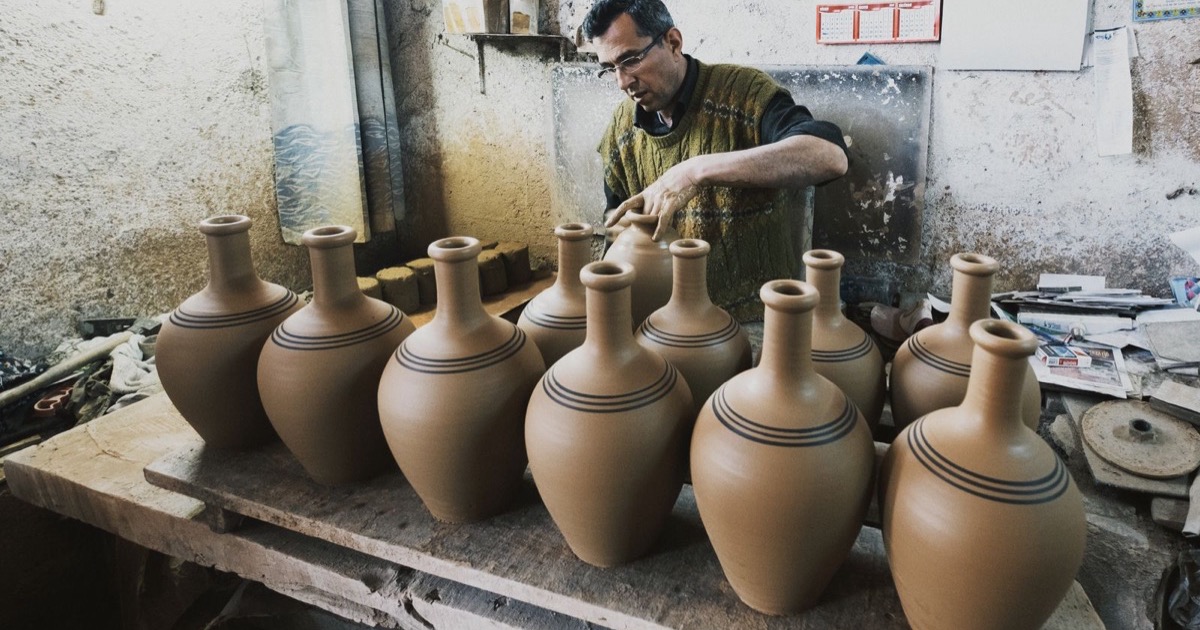

Traveling with children in Cappadocia opens a doorway to hands‑on discovery, and a Cappadocia family pottery workshop adds a tactile layer to the adventure.
Traveling with children in Cappadocia opens a doorway to hands‑on discovery, and a Cappadocia family pottery workshop adds a tactile layer to the adventure. While the region is famous for its balloon‑filled skies and fairy‑chimney landscapes, the centuries‑old clay tradition offers a quiet, creative counterpoint. In Avanos, the red‑clay riverbanks host studios that welcome families to shape their own souvenirs. A session of pottery can become a memorable chapter of any itinerary, blending learning with playful mess.
What family‑friendly pottery workshops are available in Cappadocia?
Across the central valley, three main types of workshops cater to families. The first are the historic Avanos pottery studios that operate in stone‑carved workshops overlooking the Kızılırmak River. These venues emphasize traditional Turkish pottery techniques, allowing children to watch artisans at work while participating in supervised shaping and glazing. The second option focuses on eco‑friendly experiences; studios certified by the Turkish Ministry of Culture use locally sourced, low‑impact clay and renewable‑energy kilns, aligning with the region’s growing eco‑tourism initiatives. The third category includes modern family‑oriented spaces that combine pottery with other kid‑friendly activities such as clay painting stations and interactive storytelling about Hittite kick‑wheel pottery methods.
All three formats schedule short, 90‑minute sessions that fit easily between a morning balloon ride and an afternoon hike. Prices in 2026 generally range from €30 to €55 per participant, with discounts for families of three or more. Most studios provide all necessary tools, aprons, and a take‑home piece, ensuring that the experience is both convenient and rewarding. Because the workshops are located near popular walking and e‑bike routes, parents can combine a pottery class with a scenic ride on the Cappadocia eco‑friendly e‑bike network, turning the outing into a full‑day adventure.
How can I book a hands‑on pottery class in Avanos for my kids?
Booking a Cappadocia pottery workshop is straightforward through several channels. The most reliable method is the official Cappadocia pottery workshop booking portal, which aggregates availability from accredited studios and displays real‑time slots. Families can filter results by age suitability, session length, and eco certification, then reserve a place with a secure online payment. For travelers preferring personal contact, many studios maintain a WhatsApp line for quick inquiries and same‑day confirmations, especially during the peak summer months.
Another convenient route is through local tour operators that include a pottery stop in their family‑friendly itineraries. These operators often bundle the workshop with transportation from your hotel, a brief orientation on traditional techniques, and a short walk through the Avanos market. When you choose this option, the cost of the pottery class is typically incorporated into the overall tour price, simplifying budgeting.
| Studio | Price per child (2026) | Session length | Kids focus | Eco certification |
|---|---|---|---|---|
| Traditional Avanos Studio | €35 | 2 hours | Hand‑building & basic glazing | Yes |
| Eco‑Friendly Clay House | €45 | 2 hours | Kick‑wheel demonstration & clay painting | Yes |
| Modern Family Workshop | €30 | 1.5 hours | Interactive story‑craft & souvenir creation | No |
When you finalize the reservation, ask the studio about any additional materials you might need to bring, such as water‑proof shoes for the kiln area. Most locations provide everything on site, but confirming ahead avoids surprise.
What traditional techniques will we learn during a Cappadocia pottery session?
Each hands‑on pottery experience introduces participants to the core methods that have defined Cappadocian ceramics for centuries. The first technique is hand‑building, where children roll coils of clay and join them to form basic vessel shapes. Instructors guide them through scoring and slipping, ensuring the seams hold during firing. This method is complemented by the ancient Hittite kick‑wheel pottery method, a low‑tech version of the potter’s wheel that uses a foot‑operated crank to spin the clay, giving families a glimpse into prehistoric craftsmanship.
Beyond shaping, the workshops teach traditional Turkish glazing patterns, often inspired by motifs found on historic Avanos tiles. Participants dip their pieces into natural pigments derived from local minerals, creating subtle earth tones that echo the region’s landscape. Finally, many studios conclude with a brief kiln tour, explaining how the unique volcanic ash in Cappadocian soil contributes to the durability and color of the finished ceramics. This blend of tactile creation and cultural context turns a simple class into a meaningful educational moment for both children and adults.
How much does a two‑hour pottery workshop cost for a family in 2026?
Families looking for a hands‑on introduction to Cappadocia’s ceramic heritage will find that a two‑hour session typically falls between €45 and €70 for two adults and two children. The price usually includes all materials, a personal instructor, and the option to glaze and fire the finished pieces. Studios that operate within the historic town of Avanos often charge a premium of up to €10 more because of their proximity to the Kızılırmak River, where the region’s famed red‑clay is still extracted.
When you book a Cappadocia pottery workshop through an official Cappadocia pottery workshop booking platform, you can often access a 10‑15 % reduction under the 2026 Eco‑Tourism Incentive. This rebate is automatically applied to studios that have earned the “environmentally certified” badge, turning a €60 standard family rate into roughly €51 after the discount. Some operators also offer a “kids‑only” slot at €15 per child, which can be combined with an adult ticket for a flexible family package.
| Studio | Standard Family Rate (2 hrs) | Discounted Rate (Eco‑Tourism Incentive) | Notes |
|---|---|---|---|
| Avanos Heritage Ceramics | €60 | €51 (15 % rebate) | River‑side location, includes souvenir keychain |
| Göreme Clay Studio | €55 | €47 (14 % rebate) | Family‑friendly layout, wheelchair accessible |
| Uçhisar Artisan Workshop | €65 | €57 (12 % rebate) | Offers private session for up to 6 participants |
| Ortahisar Pottery House | €48 | €41 (15 % rebate) | Includes a short history talk for children |
Which studios offer eco‑friendly pottery experiences with e‑bike transportation?
Since the launch of the Cappadocia Green Transit e‑bike system, several pottery venues have integrated the service into their visitor flow. By pairing a low‑impact ride with a studio session, families receive a seamless Cappadocia eco friendly pottery experience that reduces car use and adds a light‑exercise element before the creative work begins. The following locations have been highlighted for their commitment to sustainability and for providing clear guidance on how to reach them via the city‑wide e‑bike network.
- Avanos Riverbank Studio – Direct e‑bike dock on the Kızılırmak promenade; bikes are equipped with child seats.
- Göreme Sunset Pottery – A short, scenic bike trail leads from the main town square to the workshop’s garden terrace.
- Uçhisar Hill Clay House – Offers a complimentary e‑bike map and a shaded parking rack for bikes.
- Ortahisar Community Ceramics – Partners with the local bike‑share to provide free rides for families booking a Cappadocia kids pottery class.
- Çavuşin Artisan Loft – Features a solar‑powered charging station for e‑bikes and a recycling program for used clay.
- Derinkuyu Underground Studio – Accessible via a dedicated e‑bike lane that avoids traffic on the main highway.
- Paşabağ Fairy‑Chimney Workshop – Offers guided e‑bike tours that include stops at nearby geological sites before the pottery session.
What safety measures are in place for children during pottery lessons?
All reputable studios in Cappadocia follow a set of child‑focused safety protocols that begin the moment a family arrives. Instructors conduct a brief orientation, pointing out hot zones, the location of fire‑proof gloves, and the proper way to handle tools such as wooden ribs and metal trimming wires. Children are required to wear non‑slip shoes, and most studios provide a small apron that is tied securely to prevent tripping.
During the actual shaping and glazing phases, studios keep the kiln area behind a clear barrier and monitor the temperature display continuously. Staff maintain a low staff‑to‑child ratio—usually one adult instructor for every three youngsters—to ensure close supervision. Emergency equipment, including a first‑aid kit and a fire extinguisher rated for Class A and B fires, is inspected weekly and kept within easy reach of the workstations. Parents are also invited to stay nearby, and many venues offer a “parent‑watch” lounge equipped with refreshments and a view of the pottery floor.
How can we personalize our clay creations with local Turkish designs?
Avanos artisans often begin a workshop by showing families a palette of traditional motifs that have been passed down through generations. Simple geometric bands, stylized tulip leaves, and the iconic “evil eye” pattern can be traced onto wet clay using a thin wooden stylus. Children love the tactile feedback of carving shallow lines, while adults may opt for more intricate arabesques that echo Seljuk tile work.
Color is introduced through natural pigments derived from Anatolian minerals such as red ochre from the Cappadocian plateau or cobalt blues sourced from nearby mines. Studios typically provide small brush sets so each participant can hand‑paint their chosen design before the piece is left to dry. The result is a personalized souvenir that reflects both the family’s creativity and the region’s visual heritage.
For those seeking a deeper connection, many workshops offer a brief history lesson on the symbolism behind each motif. Knowing that a particular swirl represents the flow of the Kızılırmak River, for example, can inspire families to incorporate personal stories into their pottery, turning a simple cup into a narrative artifact.
What is the best time of year to attend a pottery workshop in Cappadocia?
The climate in central Turkey varies markedly across the seasons, influencing both the comfort of working with clay and the overall travel experience. Spring (April to early June) brings mild temperatures and blooming valleys, making it pleasant to ride an e‑bike to the studio and explore the surrounding fairy‑chimney landscape after the class. Autumn (September to early November) offers similar weather, with the added benefit of fewer crowds, allowing families to enjoy a more relaxed workshop environment.
Summer months can be hot, especially in the open‑air kilns that some studios still use for demonstration. If you plan to visit during July or August, look for workshops that provide indoor, climate‑controlled spaces or schedule sessions for early morning or late afternoon. Winter (December to February) is cooler and can be magical with snow‑capped rock formations, but some smaller studios may reduce hours.
- April – May: comfortable temperatures, vibrant landscapes.
- June (early): warm but not yet peak heat.
- September – October: stable climate, reduced tourist flow.
- November (early): crisp air, cozy studio atmosphere.
- December – January: cooler, limited daylight; check studio schedules.
How long does it take to finish a pottery piece in a typical class?
Most family‑oriented workshops in Avanos allocate a two‑hour block for the hands‑on portion of the experience. During this time, participants shape the clay, add decorative details, and apply any chosen pigments. The instructor guides the group through each step, ensuring that even younger children can complete a small bowl or plate within the session.
After the class, the piece must dry completely before it can be fired in the kiln. This drying stage usually takes 24 to 48 hours, depending on humidity and the thickness of the work. Studios often offer a “take‑home” option where families can return the next day to collect their fired item, or they may provide a mailed shipment once the final glaze firing is complete, which can add another 3–4 days.
In summary, the active creation phase fits neatly into a half‑day outing, while the full lifecycle of a finished, glazed pottery item spans roughly three to five days from shaping to final collection.
What additional cultural activities can be combined with a pottery workshop in Avanos?
After shaping clay on the wheel, families can stroll along the Kızılırmak River to explore Avanos’ historic stone bridges and the centuries‑old caravanserai that once welcomed Silk Road travelers. The walk is easily paced for children, and many local guides point out the traditional watermills that once powered the town’s ceramic kilns.
For a deeper immersion, schedule a short visit to the nearby Göreme Open‑Air Museum, where frescoed cave churches illustrate the same artistic spirit that informs Cappadocian pottery. Many studios partner with certified e‑bike operators, allowing guests to pedal to the museum on the “Cappadocia Green Transit” network, turning the day into a blend of craft, history, and light exercise.
Are there any discounts or packages for families booking multiple sessions?
The Turkish Ministry of Culture and Tourism’s 2026 Eco‑Tourism Incentive offers a 15 percent rebate on all environmentally certified activities, and most pottery studios in Avanos qualify. Families that reserve two or more sessions in a single week can claim the rebate directly at the studio’s front desk, provided they present a government‑issued eco‑tourism voucher.
Several workshops also market “Family Craft Passes” that bundle a morning pottery class with an afternoon guided tour of Avanos’ pottery market. The pass reduces the combined price by roughly one‑third compared with booking each experience separately, and it includes a complimentary set of glaze samples for children to experiment with at home.
Sources & Further Reading
Frequently Asked Questions
Can beginners with no pottery experience join a family workshop in Cappadocia?
Yes, studios design their introductory sessions for participants of all skill levels. Instructors begin with a brief demonstration of basic hand‑building and wheel‑throwing techniques, then guide each family member through a simple project such as a small bowl or plate. The relaxed pace ensures that even children who have never touched clay feel comfortable creating their own piece.
How far in advance should I reserve a pottery class for my family?
During the peak tourist months of April through October, it is advisable to book at least two weeks ahead. This window allows studios to allocate space for larger groups and to prepare the necessary materials. In the off‑season, a few days’ notice often suffices, though confirming availability online is still recommended.
Are the pottery studios wheelchair accessible for families with mobility needs?
Most modern facilities in Avanos have upgraded their entrances and workspaces to meet accessibility standards. Ramps replace steps at the main doors, and worktables can be lowered to accommodate wheelchairs. It is still a good idea to contact the studio directly to verify the specific accommodations they provide.
Is it possible to take home the pottery pieces we create on the same day?
Studios fire the majority of finished items in a single‑day kiln cycle, which means families can collect their glazed pieces before leaving. Some designs that require a longer glaze soak may be scheduled for a second firing, and the studio will arrange safe packaging and shipping at the family’s request.
Do the workshops provide all the necessary tools and materials for children?
All essential supplies—including clay, tools, aprons, and safety gloves—are included in the price of the class. Studios keep a separate set of child‑size tools to ensure that younger participants can handle the equipment comfortably. Parents are only required to bring a water bottle and a willingness to get a little messy.
What languages are the pottery instructors fluent in for international visitors?
Most instructors in Avanos speak Turkish and English fluently, and many also have conversational abilities in German, French, or Russian. When booking, families can specify their preferred language, and the studio will match them with an appropriate guide whenever possible.
Are there any age restrictions for kids attending a pottery session?
Children as young as five can join a supervised session, though studios typically recommend a minimum age of six for independent wheel work. Younger children are welcome to participate in hand‑building activities, which involve less risk of injury and allow them to explore texture and shape safely.
Can we combine a pottery workshop with a guided tour of Avanos?
Several studios offer combined packages that include a half‑day pottery class followed by a walking tour of the town’s historic market and artisan workshops. The itinerary is designed to fit within a single afternoon, giving families a comprehensive view of Avanos’ creative heritage without feeling rushed.
What payment methods are accepted for booking a pottery class in Cappadocia?
Most studios accept major credit cards, debit cards, and contactless mobile payments. Some also accommodate cash transactions for walk‑in guests. When reserving online, a secure payment portal will confirm the accepted methods, and families can request an invoice for larger group bookings.
Plan your pottery day early in the morning to enjoy cooler temperatures and the soft light that highlights the red‑earth landscape. By pairing the hands‑on craft with nearby cultural sites, you create a memorable itinerary that keeps both adults and children engaged throughout the visit.
Plan your trip
Book Istanbul attraction tickets
Skip-the-line tickets and guided tours for Istanbul's top sights, with mobile tickets and flexible cancellation.
See tickets on TiqetsWe may earn a commission from bookings made through this link, at no extra cost to you.
Reviewed by our editor for Türkiye & the Eastern Mediterranean
Elif DemirTürkiye & Eastern Mediterranean Editor
Travel writer covering Türkiye and the Eastern Mediterranean, from Istanbul's old city to the Aegean coast.
More articles by Elif Demir →