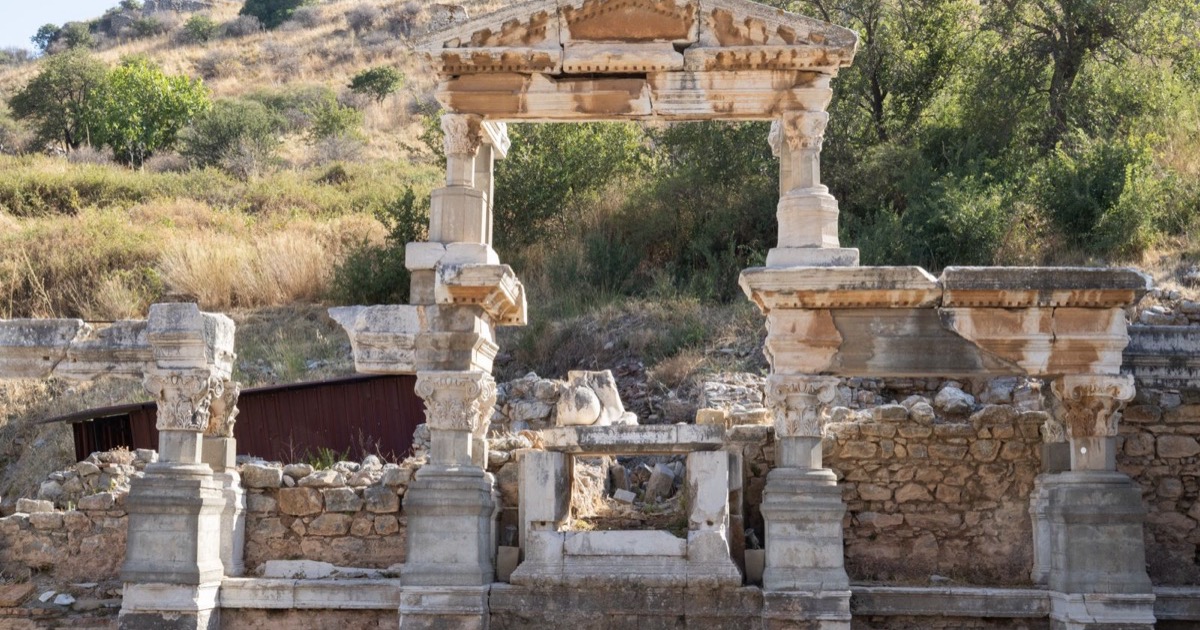

Travelers who set out from Kusadasi often think the only way to see the ancient city is to join the throngs that flood the main thoroughfares.
Travelers who set out from Kusadasi often think the only way to see the ancient city is to join the throngs that flood the main thoroughfares. The Ephesus hidden gems guide proves otherwise, revealing a quieter side of the archaeological site where the marble columns stand almost in private. By timing your visit, choosing lesser‑known entrances, and venturing off the main promenade, you can soak up centuries of history without the usual bustle.
How can I experience Ephesus without the crowds?
Start early. The first light over the marble arches arrives before the tour buses, and the ticket gates open at 8 am. Arriving at opening gives you a window of at least an hour before the main groups arrive from the nearby cruise ports. During this period the pathways are almost empty, allowing you to hear the echo of your own footsteps on the ancient stone.
Consider the alternative entrance on the south side of the site, near the Temple of Serapis. While most visitors use the main gate on the western wall, the southern gate opens a side courtyard that leads directly to the Terrace of the Cisterns and the less‑visited residential blocks. This route is serviced by the same dolmuş lines that stop at the main gate, but the stop is less advertised, so fewer travelers use it.
Finally, plan your visit for the shoulder months of May or September. The weather remains pleasant, yet the school‑year vacation crowds have not yet peaked. During these months the ticket office still offers the same ticket options—standard, audio‑guide, and combined museum‑site passes—but the queues shrink dramatically, especially on weekdays.
What are the quietest spots to visit in Ephesus?
The Terrace of the Cisterns, perched above the Sacred Way, offers a panoramic view that most guidebooks overlook. From here you can see the Library of Celsus framed against the distant hills, and because the terrace is accessed via a short climb from the southern gate, it sees far fewer visitors than the main colonnade.
Another tranquil corner lies behind the Great Theatre, where the ancient municipal buildings once stood. The ruins here are partially covered by modern protective structures, creating shaded walkways that are rarely crowded. This area also provides a clear line of sight to the Temple of Hadrian, a site that often gets lost in the larger narrative of Ephesus.
| Spot | Access | Best Time | Typical Crowd Level |
|---|---|---|---|
| Terrace of the Cisterns | South gate, short climb | Sunrise – 7:30 am | Very low |
| Municipal Buildings (behind Theatre) | West gate, follow signs to “Ancient City Center” | Mid‑morning – 10:00 am | Low |
| Temple of Serapis | South gate | Late afternoon – 4:30 pm | Very low |
| House of the Virgin Mary (outside main site) | Shuttle from Ephesus bus stop | Early evening – 5:30 pm | Moderate |
The Temple of Serapis, situated on a small hill near the southern entrance, provides a quiet sanctuary with a modest stone altar. Because the temple sits slightly apart from the main thoroughfare, it remains a peaceful spot for reflection, especially in the late afternoon when the sun casts long shadows across the marble.
Which hidden ruins in Ephesus are worth exploring?
The House of the Virgin Mary, though technically outside the main archaeological perimeter, is a stone‑built dwelling that dates to the late Roman period. It is reached via a short walk from the southern gate and offers an intimate glimpse into domestic life, far from the crowds that gather at the Library of Celsus.
Further along the Sacred Way, the remains of the Baths of Scholastica lie partially uncovered beneath a modern protective canopy. The mosaic floors here are still visible, and because the site is tucked between two larger structures, visitors often pass by without stopping.
Finally, the small sanctuary dedicated to the goddess Artemis at the far eastern edge of the site is often missed. Its modest altar and surrounding columns provide a quiet counterpoint to the grander temples, and the surrounding olive groves create a natural buffer from the main visitor flow.
Where can I find peaceful viewpoints over the ancient city?
One of the most rewarding spots is the modest rise known locally as Ayasuluk Hill, just a short walk north of the main gate. From this perch the marble terraces of the Library of Celsus and the grand arches of the Great Theatre stretch out in a quiet panorama, especially before the main tour groups arrive. The path is paved and shaded by olive trees, making it comfortable even in summer heat.
A second, often overlooked, outlook lies behind the Roman Cemetery. A low stone wall frames a clear line of sight toward the Sacred Way, while the surrounding graves keep the area largely empty. Photographers appreciate the soft light that filters through the cypress canopy, and the view feels intimate because most visitors focus on the tombs rather than the distant cityscape.
For those who prefer a seaside perspective, the western edge of Kusadasi Marina offers a breezy platform where the ancient ruins appear as a silhouette against the Aegean. Early in the morning the marina is quiet, and the reflection of the marble columns on the calm water creates a calm setting.
| Viewpoint | Elevation (m) | Best for | Access difficulty |
|---|---|---|---|
| Ayasuluk Hill | ≈30 | Panoramic city sweep, sunrise shots | Easy – paved path, short walk from parking |
| Roman Cemetery overlook | ≈15 | Quiet contemplation, soft‑light photography | Easy – level ground, signposted |
| Kusadasi Marina west side | ≈5 | Seaside backdrop, sunset reflections | Very easy – accessible from promenade |
How do I get from Kusadasi to the lesser‑known areas of Ephesus?
Public minibusses, called dolmuş, run every 15‑20 minutes from the central bus station toward Selçuk. They stop at the main entrance and also at the smaller gate that leads to the Temple of Serapis and the Terrace Houses. Buying a ticket on board is straightforward, and the driver will often wait a minute or two for late‑arriving passengers.
Taxis provide door‑to‑door service and are especially useful if you plan to visit the quieter sections on a tight schedule. A short ride from the harbor to the back entrance costs a modest fare, and most drivers know the shortcut through the ancient olive grove that bypasses the main crowd.
- Dolmuş (minibus) – economical, frequent, stops at both main and side entrances.
- Taxi – faster, flexible, ideal for early‑morning or late‑evening trips.
- Bike rental – a 30‑minute ride along the coastal road brings you to the eastern wall where the lesser‑known marble staircases sit.
- Private guided car – can be arranged through local agencies; the driver can pause at the Temple of Serapis for a quiet inspection.
- Walking from the main gate – a 20‑minute stroll along the ancient road leads to the Terrace Houses; the path is flat and shaded.
- Rent‑a‑scooter – offers the freedom to hop between the Roman Bath complex and the small sanctuary of the Goddess Artemis without waiting for transport.
What time of day is best for a crowd‑free visit to Ephesus?
The first hour after the site opens, typically at 8:00 am, provides the clearest atmosphere. Most organized tours start later, so the Library of Celsus, the Odeon, and the Temple of Hadrian are largely empty. The morning light also highlights the reliefs on the marble façades without the harsh shadows that appear later.
Late afternoon, roughly from 4:30 pm until closing, offers a second window of reduced foot traffic. The heat of the day has subsided, and many visitors have already left the main thoroughfare. This period is especially pleasant in the shoulder months of April‑May and September‑October, when temperatures are moderate and the sky often turns a warm gold that accentuates the stonework.
Midweek days, such as Tuesday or Wednesday, consistently see fewer groups than the weekend. Combining an early‑morning start with a midweek schedule maximizes the chance of exploring the Ephesus quieter sites – the Temple of Serapis, the House of the Virgin Mary, and the small sanctuary near the southern gate – without the usual bustle.
Are there any local guides who specialize in off‑the‑beaten‑path Ephesus tours?
In Kusaedi, a handful of independent guides have built reputations for taking visitors beyond the main colonnades. These operators often work out of small offices near the harbor or meet travelers at the central bus depot. Their tours are typically limited to groups of six‑to‑ten people, which allows them to linger at quieter sections such as the Temple of Serapis, the marble road that leads to the House of the Virgin Mary, and the seldom‑photographed western terrace of the Library of Celsus. Because the itineraries are flexible, participants can request extra time at any spot that sparks curiosity, whether it is a hidden altar or a cracked mosaic floor that most large‑scale tours rush past.
Booking a specialized guide is straightforward: most accept reservations through a simple WhatsApp message or a short email, and many offer a “sunrise‑first” option that begins the walk before the main crowds arrive. Prices usually include a private guide, a portable audio device, and a printed map highlighting the less‑traveled lanes. Travelers who value a narrative that weaves together archaeological detail, local folklore, and practical tips for navigating the site’s uneven terrain will find these guides provide a markedly calmer experience than the standard bus‑tour packages.
Which ticket options let me skip the lines at Ephesus?
The ancient city operates a tiered ticket system that accommodates different pacing preferences. The most efficient way to avoid the entrance queue is to purchase a fast‑track pass, which can be bought online or at the ticket office a day in advance. This pass grants immediate entry through a dedicated gate and is valid for the entire day, allowing you to move directly to the main avenues without waiting. For visitors who plan to combine Ephesus with the nearby Ephesus Museum, a combined ticket offers the same fast‑track benefit while covering both sites, saving time and reducing the need for multiple purchases.
- Fast‑track single‑entry ticket – immediate access through the VIP entrance.
- Combined Ephesus and Museum fast‑track ticket – covers both locations with priority entry.
- Early‑bird ticket (opens at 8:00 am) – limited‑quantity pass that lets you be among the first inside.
- Group discount ticket (minimum ten people) – includes a separate fast‑track lane for larger parties.
- Private guide ticket – a packaged option that pairs a licensed guide with a fast‑track pass.
- Sunrise viewpoint pass – grants early access to the designated photography platform before the main gate opens.
Regardless of the option you choose, it is advisable to secure the ticket at least one day ahead during peak months (April to October). The online portal provides a printable QR code that can be scanned at the gate, eliminating the need for a physical ticket and further streamlining the entry process.
What are the best photography locations in the quiet corners of Ephesus?
The Temple of Serapis, situated on the southern slope of the archaeological park, offers a dramatic backdrop of marble columns framed by the Aegean horizon. Early morning light casts long shadows across the ruined altar, creating contrast that highlights the intricate capitals. A low‑angle shot from the adjacent garden captures the temple’s silhouette against the rising sun, a composition that remains largely untouched by the daytime crowds.
Another compelling spot is the western terrace of the Library of Celsus, which overlooks the ancient street network. From this elevated perch, you can frame the library’s façade with the distant marble road winding toward the Great Theatre. The terrace is accessible via a short, less‑frequented stairway, and the view is especially striking during the golden hour when the stone glows warm and the sky deepens to pastel hues. For those who prefer intimate details, the courtyard behind the temple of Hadrian features a solitary column and a weathered mosaic that reflect the subtle textures of daily life in antiquity.
How can I combine a cruise stop in Kusadasi with a serene Ephesus itinerary?
Most cruise ships dock early in the morning, giving you a narrow window before the main tour groups arrive. Arrange a private shuttle through your ship’s concierge or a local operator that departs the port at 08:30 am and heads straight to the lesser‑used western gate of the ancient city. This entrance opens onto the Sacred Way before the crowds flood the central promenade, allowing you to walk the marble colonnades in relative peace.
Begin with the Terrace House, a modest residence tucked behind the Library of Celsus that rarely appears on standard itineraries. From there, follow the quieter side lanes toward the Temple of Serapis, where early‑morning light highlights the remaining columns. A pre‑booked “skip‑the‑line” ticket purchased online grants you priority access to the Great Theatre’s upper tier, which offers unobstructed views without the usual wait.
After a light lunch at a family‑run eatery a short walk from the port—far from the tourist strip—you can head to the marble “Baths of the Women” and the adjacent garden area that many visitors overlook. Concluding the day with a sunset stroll along the ancient harbor wall provides a calm perspective before you return to the ship for the evening departure.
What cultural etiquette should I follow when visiting hidden sites in Ephesus?
Modest attire is appreciated, especially near the House of the Virgin Mary and any functioning shrines; shoulders and knees should be covered. Remove shoes only when a sign explicitly permits it, and always walk quietly on stone surfaces to protect fragile mosaics and avoid startling other visitors.
Photography is generally allowed, but flash can damage pigments, so use natural light whenever possible. Respect all posted signs that restrict access to certain chambers or prohibit climbing; these measures preserve the site for future generations. When interacting with local guides or vendors, a courteous greeting in Turkish—such as “Merhaba”—goes a long way toward fostering goodwill.
Sources & Further Reading
Frequently Asked Questions
What are the top quiet spots in Ephesus for 2026?
The Terrace House behind the Library of Celsus offers a secluded glimpse of domestic life. The Temple of Serapis, situated on the western fringe, receives far fewer visitors than the main temple complex. the upper levels of the Great Theatre and the marble “Baths of the Women” provide expansive views without the usual crowds.
How early should I arrive to avoid crowds at Ephesus?
Arriving before 09:00 am gives you a clear advantage, as the bulk of organized tours typically start later in the morning. If you can secure a shuttle that departs the port at 08:30 am, you will be among the first to step through the western gate, enjoying several uninterrupted hours of exploration.
Can I visit Ephesus without a guide and still see the quiet corners?
Yes, a well‑planned self‑guided route can cover most of the lesser‑known areas. Download a detailed offline map that highlights the side alleys, the Terrace House, and the Temple of Serapis. Bring a portable audio guide or use a reputable travel app that includes commentary for each site.
What transportation options are available from Kusadasi to the off‑beat sites of Ephesus?
Local dolmuş minibusses run frequently between the harbor and the main entrance, but they stop at the central gate. For the western gate, arrange a private taxi or a small shuttle through your hotel; the ride takes about 15 minutes and drops you closer to the quieter sections.
Are there any entrance fee discounts for early morning visits?
The Ministry of Culture offers a reduced rate for tickets purchased online before 07:00 am, which applies to all visitors regardless of age. This discount also grants priority entry to the Great Theatre’s upper tier, helping you bypass the standard queue.
Which lesser‑known temples or shrines are accessible to the public in Ephesus?
Beyond the well‑known Artemis Temple, the Temple of Serapis stands on the western perimeter and is fully open to visitors. The small sanctuary dedicated to the god Mithras, located near the ancient gymnasium, is also reachable without special permits.
Is it safe to explore the quieter ruins on my own?
The main pathways are well‑maintained and clearly marked, making solo exploration relatively safe during daylight hours. However, some of the side alleys lack lighting after sunset, so plan to return to the main gate before dusk.
What amenities are available near the quiet areas of Ephesus?
Near the western gate you will find a modest café offering cold drinks and light snacks, as well as portable restrooms maintained by the site’s staff. Water refill stations are positioned at the entrance to the Terrace House and at the base of the Temple of Serapis.
How long does it take to see both the main attractions and the quieter spots?
A comprehensive visit that includes the Library of Celsus, the Great Theatre, and the quieter locations typically requires 4½ to 5 hours. Allocate an extra hour if you wish to linger at the Terrace House or explore the side lanes at a relaxed pace.
Do I need to book tickets in advance for a crowd‑free Ephesus experience?
Pre‑booking online is strongly recommended, especially for the reduced‑rate early‑morning tickets that include priority access. While walk‑up tickets are still sold on site, they often involve longer waits and limit your ability to reach the less‑visited sections early in the day.
Plan your arrival time carefully, use the western gate for a quieter entry, and keep a portable map handy to navigate the side passages. With these steps, you’ll enjoy Ephesus’s ancient grandeur without the usual throngs of tourists.
Plan your trip
Book Istanbul attraction tickets
Skip-the-line tickets and guided tours for Istanbul's top sights, with mobile tickets and flexible cancellation.
See tickets on TiqetsWe may earn a commission from bookings made through this link, at no extra cost to you.
Reviewed by our editor for Türkiye & the Eastern Mediterranean
Elif DemirTürkiye & Eastern Mediterranean Editor
Travel writer covering Türkiye and the Eastern Mediterranean, from Istanbul's old city to the Aegean coast.
More articles by Elif Demir →