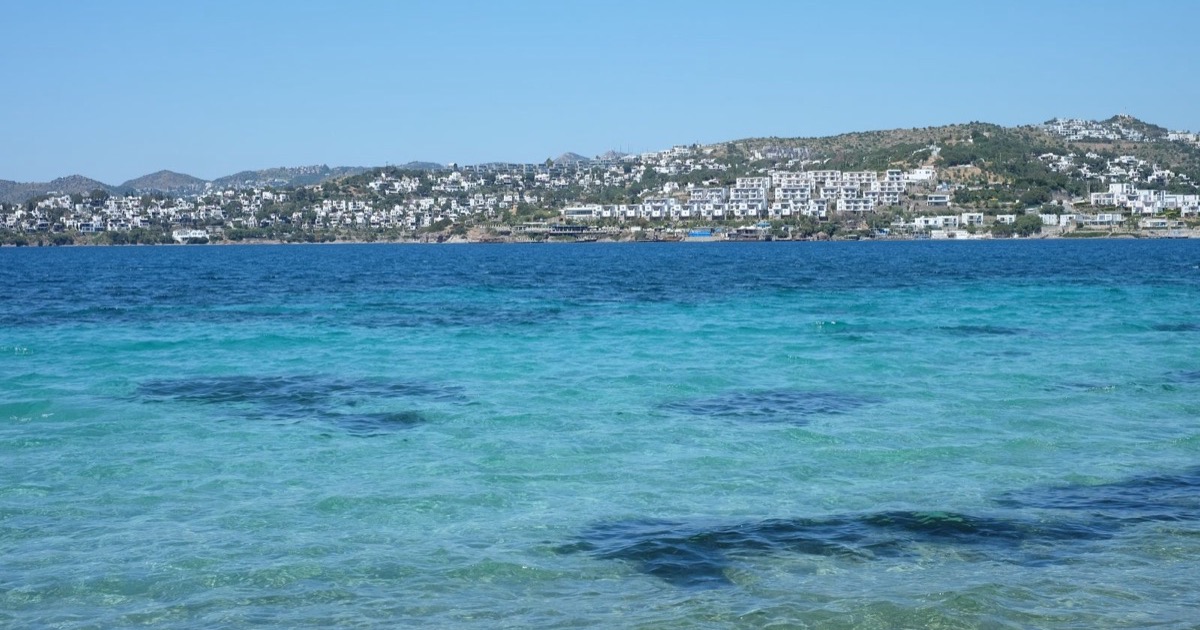

Travelers who think they have seen all of Bodrum’s shoreline often miss the quieter stretches that locals cherish.
Travelers who think they have seen all of Bodrum’s shoreline often miss the quieter stretches that locals cherish. This Bodrum hidden beaches guide reveals the secluded coves, modest islets and pine‑crowned hills that remain off the typical tourist radar. By following the routes and tips shared by residents, you can experience the Aegean Sea in a way that feels private, authentic and refreshingly simple.
What secluded coves can I find on Karaada island near Bodrum?
Karaada island, a modest islet just off the southwestern tip of the Bodrum Peninsula, is dotted with three coves that locals frequent for a day of sun and sea. The first, often called Gözlük Bay, is a narrow inlet framed by smooth limestone cliffs; its shallow waters are perfect for families and snorkelers who want to linger among the small fish that dart between the rocks. The second, Yunus Bay, is a crescent-shaped beach where the water deepens quickly, attracting windsurfers who launch from the nearby pine‑covered ridge. The third, Kalamar Bay, is the most secluded, reachable only by a short hike across the island’s interior, and it offers a natural amphitheater of rocks that amplify the gentle surf.
All three coves share crystal‑clear water that reflects the turquoise hue of the Turkish Riviera. Because Karaada lacks any permanent facilities, visitors usually bring their own shade, water and snacks, turning the outing into a modest picnic. Early morning or late afternoon visits are ideal; the sun’s angle reduces glare on the water and the island’s pine scent becomes most pronounced as the breeze carries it inland.
How do locals reach the hidden beaches of Bodrum without a car?
Most Bodrum residents rely on a combination of public ferries, shared gulet tours and well‑marked walking trails to access the secret shores. The municipal ferry from Bodrum harbor runs several times a day to the nearest points of the peninsula, stopping at small piers close to Bitez and Gümüşlük. From these docks, a short walk along a coastal footpath leads to secluded stretches such as Çamlık Bay and Yazlık Cove, which are invisible from the main road.
For those preferring a sea‑borne approach, local operators offer half‑day yacht tours that include a stop at Karaada and other minor islets. These tours typically depart from the Bodrum marina in the late morning, allowing passengers to swim in the Aegean’s calm waters before the wind picks up. The advantage of a yacht is the ability to anchor near coves that lack any landing facilities, giving swimmers direct access to the water.
| Transport Option | Typical Cost (per person) | Travel Time from Bodrum Center | Key Benefits |
|---|---|---|---|
| Municipal Ferry + Walk | Low | 30‑45 minutes | Economical, frequent service, scenic walking route |
| Shared Gulet Day Trip | Medium | 45‑60 minutes (including boarding) | Direct water access, includes snorkeling gear |
| Private Taxi to Coastal Trailhead | Medium‑High | 15‑20 minutes | Flexibility in departure time, door‑to‑door |
| Bike Rental + Trail | Low‑Medium | 20‑30 minutes | Eco‑friendly, allows exploration of multiple coves |
Bike rentals have become popular among younger locals, especially for routes that wind through the pine hills surrounding the beaches. The combination of a short ride and a brief hike often results in a quiet spot before the crowds arrive, making it a favorite for sunrise swims.
Which pine‑covered hills offer the best views of Bodrum’s secret shores?
The pine‑laden elevations that rise behind the coastline provide natural viewpoints that capture the sweep of hidden beaches and the glitter of the Aegean Sea. One of the most accessible is Yalıçiftlik Hill, a gentle rise just north of the old town. From its summit, you can see the curve of Gümüşlük bay, the distant silhouette of Karaada, and the scattered sailboats that frequent the marina. The hill’s well‑maintained trail is marked with occasional benches, allowing visitors to pause and photograph the scene.
A slightly more challenging ascent is the trail that leads to Gökçeada Ridge. Though the name suggests an island, the ridge is part of the mainland’s pine forest that overlooks the western side of the peninsula. Hikers who follow the marked path encounter ancient stone walls that once marked property boundaries, and at the top, a panoramic outlook reveals a series of coves that are invisible from the road, including the secluded Çırağacı Bay. The view is especially striking at sunset, when the sky adopts soft pinks and the sea reflects the fading light.
For a longer trek, the network of Bodrum hiking trails connects the pine hills to the historic sites near the Mausoleum at Halicarnassus. Along the way, trekkers pass small chapels, abandoned olive groves and occasional local restaurants that serve fresh fish. These routes not only provide visual rewards but also immerse walkers in the cultural layers that have shaped the peninsula for centuries.
When is the ideal time of year to visit Bodrum’s lesser‑known beaches in 2026?
Along the southwestern fringe of Bodrum, the micro‑climate of the pine‑crowned hills and the crystal coves of Karaada island creates a subtle seasonal rhythm. From late April through early June, daytime temperatures hover between 22 °C and 26 °C, while the Aegean waters warm to a comfortable 19 °C. These conditions favor relaxed sunbathing on secluded sands without the intensity of midsummer heat. The prevailing north‑westerly breezes are gentle enough for kayaking or stand‑up paddleboarding, making the early‑summer window the most balanced period for exploring off‑the‑beaten‑path shorelines.
July and August bring the classic Mediterranean warmth, with highs climbing to 31 °C and sea temperatures reaching 24 °C. For travelers who thrive on lively water sports, this is the peak period for windsurfing along the exposed edges of Bodrum secret beaches. In 2026, the local municipality has scheduled a series of cultural pop‑up events on Karaada’s western cove, providing a rare opportunity to mingle with residents while still enjoying the sun‑drenched backdrop. Visitors should be prepared for slightly higher crowd levels at the most accessible coves, but the overall experience remains intimate compared with the main resort strips.
September and October present a gentle retreat from the summer rush. Temperatures settle back to the low‑mid‑20s, and the sea retains enough warmth for comfortable swimming. The autumnal light enhances the turquoise hues of hidden bays, and the reduced tourist flow allows for extended stays at remote picnic spots. This shoulder season is especially attractive to photographers and nature enthusiasts who appreciate the quieter atmosphere of Bodrum pine hills framing the coastline.
| Month Range | Avg Air Temp (°C) | Sea Temp (°C) | Crowd Level | Ideal Activities |
|---|---|---|---|---|
| Mar‑Apr | 17‑20 | 16‑18 | Low | Hiking pine hills, early‑season snorkeling |
| May‑Jun | 22‑26 | 19‑21 | Moderate | Kayaking, beach picnics, sunrise walks |
| Jul‑Aug | 28‑31 | 23‑24 | Higher (still below main resorts) | Windsurfing, evening beach concerts |
| Sep‑Oct | 23‑25 | 22‑23 | Low‑Moderate | Photography, relaxed swimming, local festivals |
| Nov‑Feb | 13‑16 | 15‑16 | Very Low | Coastal trekking, wildlife spotting |
Why are Bodrum’s hidden beaches less crowded than the main tourist spots?
The geography of Bodrum’s lesser‑known shoreline plays a decisive role. Many of the secret beaches are tucked behind steep pine ridges or accessible only by small motorboats that depart from local marinas. This natural barrier limits the volume of spontaneous visitors and encourages travelers to plan ahead, often consulting a Bodrum locals guide for precise directions. Because large‑scale resort developers have focused on the more open bays, the secluded coves retain a modest footprint and lack the infrastructure that draws mass tourism.
Local preservation policies further protect these areas. The municipal council has designated several stretches of coastline as ecological zones, restricting permanent construction and limiting the number of daily visitors through a permit system for organized tours. These measures preserve the pristine character of the beaches while still allowing responsible enjoyment. The surrounding pine hills also act as a visual and acoustic buffer, reducing the spill‑over of noise and traffic from the bustling harbor districts.
Cultural attitudes among residents contribute to the calm atmosphere. Many families own small plots of land adjacent to the coves and operate informal beach cafés that serve only a handful of guests at a time. Their emphasis on hospitality over volume creates an environment where visitors feel welcomed but not overwhelmed. The combination of limited access, regulatory safeguards, and community stewardship explains why the hidden beaches maintain a tranquil vibe throughout the year.
- Access often requires a short boat ride, deterring casual day‑trippers.
- Absence of large parking lots reduces vehicle congestion.
- Ecological zoning limits commercial development along the shoreline.
- Steep pine terrain makes large‑scale infrastructure impractical.
- Local cafés operate on a reservation‑or‑first‑come basis, capping guest numbers.
- Seasonal wind patterns can make certain coves unsafe for inexperienced swimmers, naturally filtering crowds.
- Word‑of‑mouth recommendations from residents keep visitor numbers modest.
Where can I enjoy fresh seafood near Bodrum’s off‑the‑beaten‑path beaches?
Just a short ferry hop from the western tip of Karaada island lies a modest fish tavern that has served local fishermen for decades. The menu changes daily based on the catch, featuring grilled sea bass, calamari sautéed in olive oil, and a simple meze of marinated anchovies. Seating is limited to a wooden deck overlooking a quiet cove, allowing diners to watch the gentle waves while savoring the flavors of the Aegean. Cash is preferred, and the establishment does not accept reservations, so arriving early ensures a spot.
Along the southern fringe of Bodrum’s pine hills, a family‑run seaside eatery sits beside a secluded inlet known only to locals. Here, the specialty is a slow‑cooked lobster stew enriched with locally harvested herbs from the surrounding woods. The restaurant’s open‑air kitchen lets patrons observe the preparation, adding an element of authenticity. Because the venue is reachable only via a narrow dirt road, it remains largely untouched by the typical tourist flow, offering a peaceful dining experience.
For those who prefer a slightly more structured setting, the small harbor near the lesser‑known bay of Gümüşlük hosts a handful of waterfront cafés that specialize in fresh octopus and shrimp dishes. These establishments source their seafood directly from the daily market in Bodrum, guaranteeing freshness. While the ambiance is casual, the service is attentive, and many of the cafés provide shaded tables shaded by olive trees, making them ideal for a relaxed lunch after a morning of exploring hidden coves.
How can I combine a day hike with a swim at Bodrum’s secret coves?
Start early from the town centre and head toward the southern ridge of the Bodrum Peninsula, where the network of Bodrum hiking trails links the ancient olive groves to the cliffs overlooking the Aegean Sea. The trail that passes the old watchtower near the Mausoleum at Halicarnassus offers a moderate ascent, rewarding walkers with panoramic views of the Turkish Riviera before descending toward a series of secluded coves.
At the midway point, the path reaches a natural limestone arch that frames a turquoise inlet. Pack a lightweight towel, reef‑safe sunscreen, and a refillable water bottle; the water here is calm enough for a leisurely dip after the climb. From the cove you can also launch a small kayak or paddleboard, which many Bodrum yacht tours provide on a rental basis for day‑trippers seeking a flexible shoreline itinerary.
What safety tips should I know before exploring Bodrum’s secluded shorelines?
Even the most tranquil coves can present hidden hazards, especially when the tide shifts quickly along the Aegean coast. Before setting out, check the local weather forecast and tide tables, which are posted at the marina and online through the Turkish Coast Guard’s portal. Carry a basic first‑aid kit and a charged mobile phone; reception is generally reliable near the larger villages but can fade on the more remote points.
Respect the environment and local customs by avoiding litter and staying on marked paths. Many of the lesser‑known beaches lack lifeguard services, so swim within your ability and keep an eye on any sudden changes in sea conditions.
- Verify that the area you plan to visit is accessible to the public; some private bays require permission.
- Wear sturdy, non‑slip footwear on rocky sections to prevent ankle injuries.
- Never swim alone; a companion can alert authorities if a problem arises.
- Bring a waterproof bag for valuables and a small flashlight for early‑morning or late‑evening returns.
- Inform a friend or hotel staff of your route and expected return time.
- Stay hydrated and protect yourself from the sun, especially during the peak hours of 11 am–3 pm.
- Follow any posted signage regarding marine protected zones or seasonal closures.
Which local festivals or events celebrate Bodrum’s coastal heritage?
Each summer, the town hosts a series of maritime celebrations that showcase the Aegean Sea’s influence on local culture. The Bodrum Sea Festival, held in late July, features traditional boat races, folk music performances on the waterfront, and a showcase of Bodrum yacht tours that highlight both historic vessels and modern sailing craft.
In early September, the Turkish Riviera Harvest Fair brings together Bodrum local restaurants, fishmongers, and artisans to present seasonal seafood dishes, olive‑oil tastings, and craft workshops. The event often includes guided walks along the Bodrum hiking trails that lead to scenic sunset spots, offering participants a chance to experience the coastline from land and sea.
How do I find affordable accommodation close to Bodrum’s hidden beaches?
Local guesthouses and family‑run pensions in villages such as Gümüşlük, Yalıkavak and Turgutreis often sit a short walk from secluded coves that escape the main tourist crowds. These establishments typically charge rates well below the boutique hotels along the waterfront, and many include simple breakfast options sourced from nearby markets.
Public minibusses (dolmuş) run frequently between Bodrum town centre and the outlying bays, making it easy to reach a quiet shoreline without a car. For those who prefer a more flexible schedule, bike‑share schemes are now available in several coastal districts, allowing you to pedal to a cove and return at your own pace.
What are the best snorkeling spots around Bodrum’s undiscovered islands?
Karaada, the pine‑covered islet just off the southwestern tip of the peninsula, offers crystal‑clear waters where schools of small snapper and colorful nudibranchs weave among rocky outcrops. The western side of the island is sheltered from the prevailing wind, creating calm conditions ideal for beginners.
Further east, the rocky reefs surrounding Orak Island reveal vibrant sponges and occasional sea turtles that glide through the shallows. Early morning, when the sun is low, the water is most transparent and the marine life most active, giving snorkelers a rewarding glimpse of the Aegean’s lesser‑known underwater world.
Sources & Further Reading
Frequently Asked Questions
Are there any entry fees for accessing Bodrum’s hidden beaches?
Most of the secluded coves are part of public coastline and can be reached without paying an entrance charge. However, a few privately managed bays may request a modest fee for the use of facilities such as showers or sun‑lounger rentals. It is advisable to carry a small amount of cash just in case.
Can I bring my dog to the secluded coves around Bodrum?
Dogs are generally welcome on most quiet beaches, especially those that are not serviced by lifeguard stations. Owners should keep pets on a leash, clean up after them, and respect any local signage that may restrict animal access during peak swimming hours.
What is the best way to get to Karaada island from Bodrum town?
Local boat operators run short trips from the marina in Bodrum harbour, departing most mornings and returning in the early afternoon. Purchasing a ticket on the spot is straightforward, and the journey takes roughly 20 minutes. For a more flexible schedule, private water‑taxi services can be arranged through hotels or guesthouses.
Are there any lifeguards on Bodrum’s off‑the‑grid beaches?
Official lifeguard stations are limited to the main tourist beaches. On secluded shores, there is typically no professional supervision, so swimmers should assess conditions carefully, avoid deep water alone, and keep an eye on changing currents.
Which months have the warmest water for swimming at Bodrum’s secret shores?
The sea temperature peaks between July and September, regularly reaching 24‑26 °C (75‑79 °F). During these months, the water remains pleasant for extended swims even in the early evenings, while earlier spring and late autumn periods can feel cooler.
How do I respect local customs while visiting secluded beaches in Bodrum?
Dress modestly when entering beach areas that are close to residential zones, and use a towel or beach mat when sunbathing to keep the sand clean. Avoid loud music or large gatherings that could disturb nearby families, and always dispose of waste in designated bins or take it with you.
Is it possible to camp overnight on Bodrum’s hidden beaches?
Camping is generally permitted on a few remote stretches, but many of these spots fall under municipal regulations that require a short permit obtained from the local authority office. Setting up a low‑impact tent, using a portable stove, and leaving no trace are essential practices to avoid fines and preserve the area.
What equipment do I need for snorkeling at Bodrum’s lesser‑known spots?
A well‑fitting mask, a flexible snorkel, and a pair of fins designed for calm waters are the core items. Many visitors also bring a small waterproof bag for valuables, reef‑safe sunscreen, and a lightweight wetsuit if the water is still cool in early summer.
Are there any guided tours that focus on Bodrum’s hidden coastal gems?
Several local operators specialize in small‑group boat tours that visit the quieter islands and coves, often led by guides familiar with marine life and regional history. These tours typically include snorkeling gear, a brief safety briefing, and stops at multiple secluded beaches within a single day.
Finding a place to stay near a quiet shore, choosing the right season, and respecting local practices will let you enjoy Bodrum’s lesser‑explored coastline with confidence and ease.Plan your trip
Book Istanbul attraction tickets
Skip-the-line tickets and guided tours for Istanbul's top sights, with mobile tickets and flexible cancellation.
See tickets on TiqetsWe may earn a commission from bookings made through this link, at no extra cost to you.
Reviewed by our editor for Türkiye & the Eastern Mediterranean
Elif DemirTürkiye & Eastern Mediterranean Editor
Travel writer covering Türkiye and the Eastern Mediterranean, from Istanbul's old city to the Aegean coast.
More articles by Elif Demir →