
Planning a trip to Central Turkey? A well‑crafted Cappadocia 5 day itinerary can turn a short stay into a deep dive on volcanic landscapes, ancient dwellings, and…
Planning a trip to Central Turkey? A well‑crafted Cappadocia 5 day itinerary can turn a short stay into a deep dive on volcanic landscapes, ancient dwellings, and sky‑borne adventures. This guide pulls together the most practical tips from the latest Cappadocia travel guide 2026, so you can move confidently from sunrise balloon rides to sunset hikes without missing a beat. Expect clear routes, reliable weather notes, and suggestions for boutique hotels that blend comfort with the region’s iconic cave architecture.
What are the must‑see attractions during a five‑day stay in Cappadocia?
The first day should anchor around the Göreme Open Air Museum, a UNESCO‑listed complex of rock‑cut churches adorned with frescoes that date back to the 10th century. Allocate at least two hours to wander the chapels, and keep an eye out for the Dark Church, whose pigments have survived remarkably well. Afterward, a short walk brings you to the town centre where several Cappadocia boutique hotels offer early‑morning tea with a view of the fairy chimneys.
Mid‑week, head to Uchisar Castle, the highest natural point in the region. A gentle climb rewards you with a panoramic outlook that frames the entire basin, making it a favored sunset viewpoint Cappadocia travelers cite in reviews. Continue south to the underground labyrinth of Derinkuyu, the deepest of the region’s subterranean cities. The tunnels, ventilation shafts, and communal rooms illustrate how early Christians concealed themselves from invaders.
No visit is complete without a dip into the Ihlara Valley hike. The 14‑kilometre gorge follows the Melendiz River, offering shaded paths, cave churches, and opportunities to sample Turkish cuisine Cappadocia style at riverside tea houses. The valley’s cool microclimate makes it a pleasant contrast to the open plateaus, especially when Cappadocia weather 2026 forecasts a warm spell.
How can I experience a sunrise hot‑air balloon ride in Cappadocia?
Ballooning season runs from April to October, with the clearest mornings typically arriving between 5 am and 7 am. Booking early is essential; most operators fill their slots within weeks of the start of the season. Look for companies that provide a pre‑flight briefing, a post‑flight champagne toast, and a certified pilot with a minimum of 1,500 flight hours. These elements are common Cappadocia hot air balloon tips that seasoned travelers rely on.
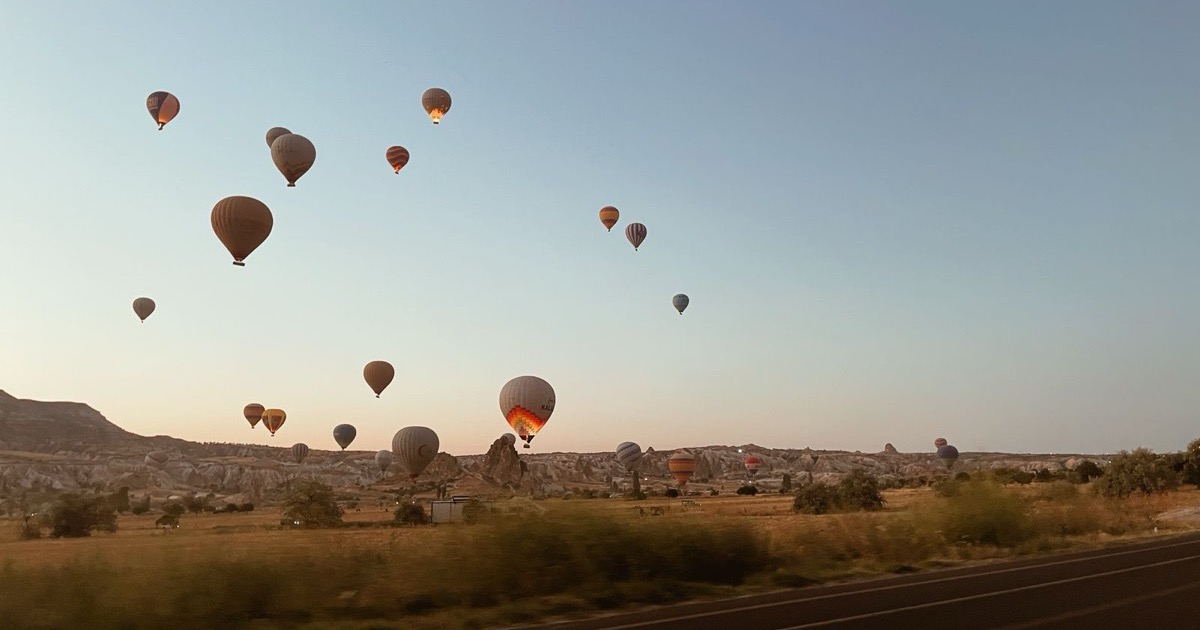
Arriving at the launch site before dawn lets you watch the balloon envelopes being inflated—a quiet ritual that builds anticipation for the Rose Valley sunrise. The flight itself lasts about an hour, drifting over the fairy chimneys, vineyards, and the occasional ancient caravanserai. After landing, many operators offer a certificate of flight, a nice souvenir for your travel journal.
| Operator | Flight Duration | Capacity | Included Extras |
|---|---|---|---|
| Standard Flight | ≈ 60 min | Up to 20 passengers | Breakfast, flight certificate, post‑flight toast |
| Deluxe Flight | ≈ 75 min | Up to 12 passengers | Gourmet breakfast, private transport, souvenir photo |
| Private Flight | ≈ 90 min | 1 – 4 passengers | Custom itinerary, champagne, private guide |
Choosing between these options depends on your budget and desire for exclusivity. The standard flight offers the classic experience at the most accessible price, while the deluxe and private flights add comfort and flexibility for those who prefer a quieter basket or a longer drift over the valleys.
Which hiking trails offer the best views of the fairy chimneys?
The Rose Valley sunrise trek is a favorite among photographers and early‑riser hikers. Starting from the village of Çavuşin, the path winds through rose‑coloured tuff, revealing clusters of mushroom‑shaped chimneys that glow amber as the sun climbs. The route is moderate in difficulty and can be completed in 2–3 hours, making it ideal for a morning excursion before a balloon flight.
For a longer immersion, the Red and White Valleys loop combines two adjacent canyons into a single 6‑kilometre circuit. The trail showcases the region’s most striking rock formations, including the famous “Three Graces” trio. Along the way, you’ll encounter ancient cave dwellings and hidden frescoes, adding cultural depth to the natural scenery.
If you prefer a cooler, greener environment, the Pigeon Valley hike links Göreme to Uçhisar and follows a route dotted with centuries‑old pigeon houses carved into the cliffs. The gentle descent provides steady views of the fairy chimneys from below, and the endpoint at Uchisar Castle offers a rewarding panorama of the entire basin.
Where should I stay to enjoy authentic cave hotel experiences?
Choosing a cave hotel in Cappadocia is more than a night’s lodging; it is an immersion into centuries‑old stone architecture repurposed for modern comfort. Most boutique properties are carved into the soft volcanic tuff of the Göreme and Ürgüp valleys, offering rooms that retain original niches, arches, and vaulted ceilings while providing contemporary amenities such as en‑suite bathrooms, Wi‑Fi, and heated floors. Early‑morning balloon departures are best accessed from hotels that arrange private pick‑up points, allowing guests to reach the launch sites without a long walk.
Travelers often sort their options into three price tiers. Luxury cave hotels typically feature expansive suites with private terraces overlooking the fairy chimneys, on‑site restaurants serving regional cuisine, and spa facilities. Mid‑range boutique cave houses focus on design details—hand‑crafted furnishings, stone fireplaces, and rooftop lounges for sunset views. Budget‑friendly cave pensions provide the essential experience of sleeping within a carved chamber, often sharing communal kitchens or offering simple continental breakfasts. The table below summarizes the main differences to help you match expectations with budget.
| Category | Typical Nightly Rate (EUR) | Room Size | Amenities | Ideal For |
|---|---|---|---|---|
| Luxury Cave Hotel | 180‑250 | 45‑70 m² | Private terrace, spa, fine‑dining restaurant, airport transfer | Couples seeking a romantic retreat |
| Mid‑Range Boutique | 100‑170 | 30‑45 m² | Rooftop lounge, breakfast buffet, guided hike bookings | Active travelers who value design |
| Budget Cave Pension | 55‑95 | 20‑30 m² | Shared kitchen, basic Wi‑Fi, laundry service | Backpackers and families on a tighter budget |
What local foods should I try while exploring Cappadonia?
Cappadocia’s cuisine reflects the agricultural heritage of the Central Anatolian plateau. Dishes often incorporate locally grown wheat, apricots, and potatoes, as well as the region’s famed pottery‑cooked stews. When you pause at a village café or a hotel restaurant, look for meals that have been slow‑cooked in earthenware; the gentle heat preserves the natural flavors of the ingredients and adds a subtle mineral note.
Among the specialties, the testi kebab stands out—a lamb or beef stew simmered inside a sealed clay pot that is dramatically cracked open at the table. Another hallmark is the gözleme, a thin flatbread filled with spinach, cheese, or minced meat, cooked on a griddle until lightly crisp. Pair these dishes with a glass of local wine from the vineyards of Ürgüp, which have been producing varietals since the Byzantine era.
- Testi Kebab – clay‑pot lamb stew served with rice.
- Gözleme – hand‑rolled flatbread with savory fillings.
- Çömlek Fasulye – white bean stew cooked in a stone pot.
- Menemen – scrambled eggs with tomatoes, peppers, and herbs.
- Kaymaklı Ekmek Kadayıfı – bread pudding topped with clotted cream.
- Apricot Dolma – dried apricots stuffed with spiced rice and nuts.
- Local Anatolian Wine – especially the red blends from Ürgüp.
How do I get around Cappadocia without a car?
Public transportation in the region consists of regular minibusses (dolmuş) that connect the main towns of Göreme, Ürgüp, Avanos, and Nevşehir. These vehicles run on a fixed schedule, typically every 30 minutes during peak tourist hours, and provide a cost‑effective way to reach major attractions such as the Open‑Air Museum or the underground cities. Tickets can be purchased directly from the driver; keep small change handy.
For more flexibility, many visitors opt for guided day tours that include pick‑up and drop‑off at their hotel. These tours use comfortable coaches and often combine several sites—valley hikes, pottery workshops, and panoramic viewpoints—into a single itinerary, reducing the need for multiple transfers. If you prefer a personal pace, renting an electric scooter or a bicycle is popular in the Göreme area; the terrain is gentle enough for casual riders, and bike rental shops are abundant near the town centers.
Finally, consider the regional taxi network. Licensed taxis operate on a meter, but for longer distances it is common to agree on a flat fee before departure. Many drivers speak basic English and are happy to recommend less‑touristy spots, making them a useful resource for spontaneous detours.
What are the best times of year for a five‑day adventure in Cappadocia?
Spring (April to early June) and autumn (late September to October) provide mild temperatures, clear skies, and reliable winds for hot‑air balloon flights. During these months the average daytime high hovers around 18‑22 °C, making hikes through the valleys comfortable and allowing evenings to be spent at a sunset viewpoint without a chill.
Summer can reach 30 °C, which is pleasant for early‑morning activities but may feel hot on longer treks such as the Ihlara Valley hike. Winter brings occasional snow on the fairy‑chimney ridges; balloon rides are still possible when conditions permit, though fewer flights operate and daylight hours are shorter.
How can I combine cultural sites and outdoor activities in a single itinerary?
A balanced schedule alternates early‑morning balloon departures with mid‑day explorations of historic complexes, then finishes each day with a relaxed walk or a scenic viewpoint. By grouping sites that lie on the same route, travel time is minimized, leaving more room for immersive experiences like tasting Turkish cuisine Cappadocia offers in cave‑hotel restaurants.
Integrating both elements ensures that you witness the region’s geological wonders while also absorbing its centuries‑old frescoed churches and underground settlements.
- Start Day 1 with a sunrise balloon ride over Göreme, followed by a late‑morning visit to the Göreme Open Air Museum.
- Dedicate Day 2 to a hike through the Rose and Red Valleys, ending at the sunset viewpoint Cappadocia provides near Uchisar Castle.
- Allocate Day 3 for an exploration of Derinkuyu underground city, then unwind with a traditional Turkish dinner in a Cappadocia cave hotel.
- Reserve Day 4 for the Ihlara Valley hike, pausing at riverside cafés to sample local dishes.
- Conclude with Day 5’s visit to Uchisar Castle, using the ascent as a final panoramic walk before departure.
Which day trips from Cappadocia are worth adding to my schedule?
The town of Mustafapaşa (formerly Sinasos) lies a short drive away and showcases well‑preserved Ottoman‑Greek architecture, offering a quieter contrast to the busier Göreme area. Its stone houses and small museums provide insight into the multicultural history of the region.
Kayseri, the nearest major city, hosts a vibrant market where you can sample regional specialties and purchase hand‑crafted ceramics. A brief stop here also allows a glimpse of the Seljuk heritage evident in the city’s historic caravanserais.
What safety tips should I know for hiking and ballooning in Cappadocia?
Before setting out on any trail, check the local forecast; sudden temperature shifts are common, especially at higher elevations. Wear sturdy, broken‑in hiking boots with good ankle support, and carry a lightweight rain jacket even on clear mornings. A refillable water bottle, a sun hat, and sunscreen with at least SPF 30 are essential, as exposure can be intense on the open plateaus. Always let the reception desk of your cave hotel know your planned route and expected return time, and carry a charged phone or a portable power bank for emergencies.
When it comes to hot‑air ballooning, book only with operators that hold a Turkish Civil Aviation Authority (SHGM) licence and have a solid safety record. Arrive at the launch site early to attend the pre‑flight briefing, where the pilot will explain boarding procedures, landing protocols, and any weather‑related restrictions. Secure loose items such as scarves or hats, as the basket can sway during ascent and descent. Passengers with heart conditions, severe back problems, or recent ear surgeries should consult a physician before signing up, because altitude changes can affect pressure equilibrium.
How much should I budget for a five‑day adventure in Cappadocia?
A comfortable mid‑range budget typically falls between €120 and €180 per person each day. Accommodation in a cave hotel averages €70‑€110 per night for a double room, while a standard sunrise balloon flight costs roughly €180‑€220 per seat. Meals can be managed for €15‑€25 per day if you enjoy local eateries, and entrance fees for major sites such as the Göreme Open‑Air Museum or underground cities range from €5 to €10 each. Local bus rides between towns are under €3, whereas private transfers may reach €30‑€40 for longer distances.
Travelers looking to stretch their euros can opt for budget hostels or guesthouses that charge €30‑€45 per night, and replace one balloon flight with a sunrise horseback ride that costs about €45‑€60. Purchasing a museum pass, when available, reduces per‑site fees, and buying groceries for a few meals cuts dining costs further. Always set aside a small contingency fund—around €50‑€70—for unexpected expenses such as extra guide fees or souvenir purchases.
Sources & Further Reading
Frequently Asked Questions
Is it necessary to book a hot‑air balloon ride in advance?
Yes, securing a reservation ahead of time is advisable because slots fill quickly, especially during peak season. Operators often limit the number of passengers per flight, and advance booking guarantees you a place on a preferred date. If you wait until the day of departure, you may be placed on a standby list or asked to join a later flight.
What is the best month to visit Cappadocia for mild weather?
Late spring (May – June) and early autumn (September – October) offer the most temperate conditions, with daytime highs around 20‑25 °C and cooler evenings. These periods also provide clearer skies for balloon flights and comfortable temperatures for hiking without the intense summer heat.
Can I travel between Göreme and Ürgüp by public bus?
Regular minibusses, known locally as dolmuş, connect Göreme and Ürgüp several times a day. The journey lasts about 30 minutes and costs less than €3 per passenger. Timetables are posted at the main bus stations and often displayed on the front of the vehicles.
Are cave hotels safe and comfortable for families?
Modern cave hotels are built to contemporary safety standards, featuring fire‑rated materials, emergency exits, and climate‑controlled rooms. Many provide family‑friendly amenities such as extra beds, cribs, and on‑site dining areas. Reviews generally indicate that children enjoy the unique setting while parents appreciate the quiet atmosphere.
How many days are enough to see the main sights of Cappadocia?
Five full days allow you to experience the region’s highlights without rushing. This timeframe accommodates two days of hiking, a balloon flight, visits to at least two underground cities, and time for cultural sites such as the open‑air museums and historic villages.
What should I pack for hiking in Cappadocia?
Essential items include breathable trekking shoes, layered clothing for fluctuating temperatures, a hat, sunscreen, a reusable water bottle, and a compact first‑aid kit. A lightweight daypack with a rain cover protects your gear, and a map or offline GPS app helps you stay oriented on less‑marked paths.
Are there guided tours for the underground cities?
Yes, most major underground sites offer guided tours in several languages. Guides provide insight into the engineering, historical context, and daily life of the early inhabitants. Group tours typically cost €8‑€12 per person, while private guides can be arranged for a higher fee.
Do I need a visa to travel to Cappadocia, Turkey?
Travelers from most European, North American, and Oceania countries can obtain an e‑visa online before arrival. The process is straightforward, requiring a passport valid for at least six months, a credit card for payment, and a few minutes to complete the application. Citizens of a few nations must apply for a traditional visa at a Turkish consulate.
What are the options for vegetarian meals in Cappadocia?
Vegetarian diners will find numerous choices, from traditional lentil soups and stuffed grape leaves to modern salads featuring local goat cheese. Many restaurants label vegetarian dishes on their menus, and larger establishments are accustomed to preparing custom plates without meat upon request.
How can I find Wi‑Fi in remote areas of Cappadocia?
Most cave hotels and larger cafés provide free Wi‑Fi, though signal strength can vary in secluded valleys. For continuous coverage, consider purchasing a local SIM card with a data package; vendors at the airport and town centers sell affordable options that work across the region.
Plan each day with realistic travel times, keep a backup power source for your devices, and enjoy the blend of natural wonder and cultural depth that Cappadocia offers. Safe trekking and smooth sailing on the skies!
Plan your trip
Book Istanbul attraction tickets
Skip-the-line tickets and guided tours for Istanbul's top sights, with mobile tickets and flexible cancellation.
See tickets on TiqetsWe may earn a commission from bookings made through this link, at no extra cost to you.
Reviewed by our editor for Türkiye & the Eastern Mediterranean
Elif DemirTürkiye & Eastern Mediterranean Editor
Travel writer covering Türkiye and the Eastern Mediterranean, from Istanbul's old city to the Aegean coast.
More articles by Elif Demir →