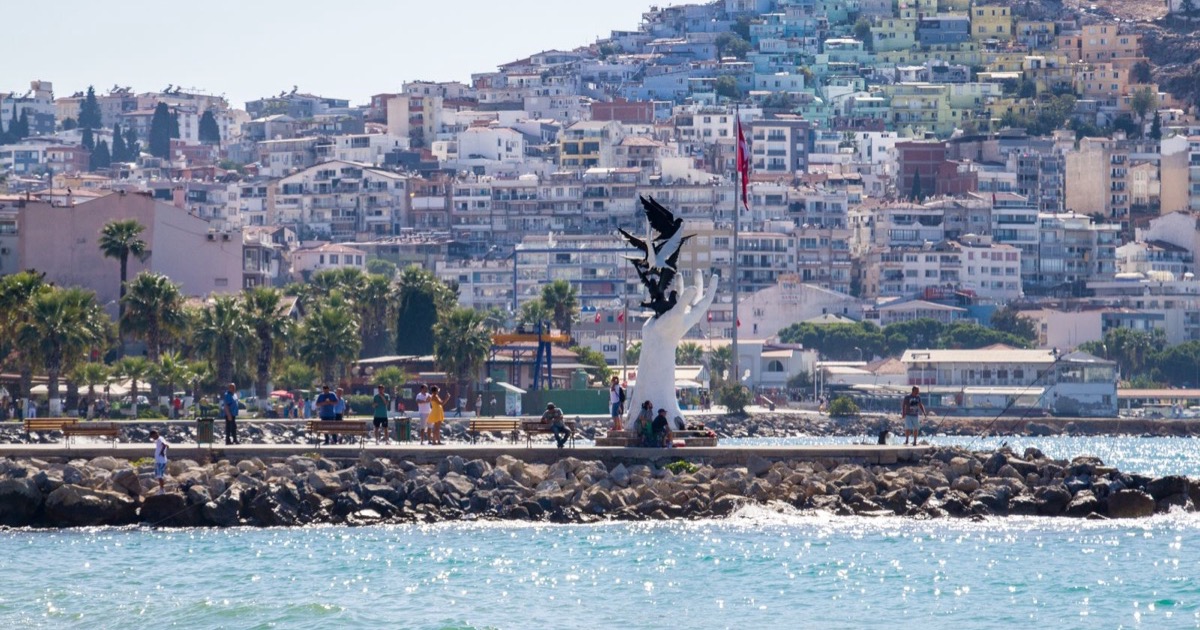

Moving to the Turkish Aegean coast has become a realistic option for many British retirees and remote workers.
Moving to the Turkish Aegean coast has become a realistic option for many British retirees and remote workers. The British expat cost of living Kusadasi is often lower than the UK, but understanding the real numbers helps avoid surprises. Below you will find a practical breakdown of the biggest monthly outlays for a couple settling in this seaside town. Use these figures as a starting point for your Turkish budget plan.
How much does rent cost for a one‑bedroom apartment in Kusadasi for a British couple?
Current listings show that a modern one‑bedroom flat in a safe, central area typically ranges from 12,000 TL to 20,000 TL per month. The lower end reflects older buildings or units a short walk from the promenade, while the higher end includes newer developments with amenities such as a swimming pool, security gate, and covered parking. Exchange rates in 2026 keep this bracket roughly between £240 and £400, making it competitive compared with many UK cities.
Neighborhood choice influences the price considerably. Apartments in the historic quarter, close to the bazaar and ferry terminal, often carry a premium because of the walkable lifestyle and vibrant street life. Conversely, properties a few kilometres inland, near the university campus, tend to be more affordable and still offer easy access to public transport.
Utilities are not always included in the rent. Expect to add around 800 TL to 1,200 TL each month for electricity, water, and gas, especially during the summer months when air‑conditioning use rises. Internet and mobile plans typically cost 150 TL to 250 TL for a reliable fibre connection and a decent data package, which is essential for remote work.
What are the average grocery expenses for a UK expat couple living in Kusadasi?
Food costs in Kusadasi are driven by a mix of local markets, Turkish‑owned supermarkets, and occasional imported items. A typical weekly basket of fresh produce, dairy, meat, and pantry staples purchased at a neighbourhood market costs about 350 TL, whereas the same basket from a large chain supermarket may be slightly higher at 400 TL due to brand variety. Imported British goods such as specialty teas or biscuits add an extra 50 TL to 100 TL per week.
Eating out is affordable, with a mid‑range restaurant meal for two averaging 250 TL. However, many couples prefer cooking at home to stretch their Turkish Lira monthly budget. The table below summarises the main grocery options and their typical price points.
| Shopping venue | Typical weekly spend (TL) | Key advantages |
|---|---|---|
| Local market (weekly bazaar) | ≈ 350 | Fresh seasonal produce, chance to haggle, supports local vendors |
| Turkish supermarket chain | ≈ 400 | Wide product range, consistent prices, English‑language labels on some items |
| Specialty import shop | ≈ 500‑600 | Access to British brands, higher quality processed foods |
Overall, a realistic monthly grocery budget for a British couple sits between 1,400 TL and 1,800 TL, allowing for occasional treats and a modest amount of imported products.
Which neighborhoods in Kusadasi are most popular with British expats and why?
The district of Kordon is a favourite because it lines the seafront promenade, offers a range of cafés, and provides easy walking access to the harbour. Many British retirees appreciate the quieter streets just a short distance inland, where villas and low‑rise apartments give a sense of space while remaining within walking distance of the beach.
Another hotspot is the area around the university, known for its lively atmosphere and lower rental rates. The presence of international students creates a multicultural environment, and the neighbourhood benefits from frequent dolmuş (shared minibus) services that connect to the town centre and nearby attractions such as Ephesus.
Finally, the historic quarter near the bazaar attracts expats who enjoy the daily market buzz and the convenience of having shops, pharmacies, and medical clinics within a few minutes’ walk. Healthcare costs for expats in Kusadasi are generally modest; a routine GP visit in a private clinic typically costs 150 TL to 250 TL, and many British residents opt for private health insurance to cover specialist care.
How much do utilities such as electricity, water and gas typically cost each month in Kusadasi?
For a British couple accustomed to the UK utility bills, the monthly outlay in Kusadasi is noticeably lower, yet it still represents a meaningful slice of the overall budget. An average two‑bedroom flat consumes roughly 250 kWh of electricity, 20 m³ of water and 30 m³ of natural gas during a typical month. Based on the 2026 tariffs, the combined expense settles around 1,200 Turkish Lira (≈ £24). This figure sits comfortably beneath the average rent of 15,000–20,000 TL for a comparable property, meaning utilities usually account for 5‑7 % of total housing costs.
Seasonal shifts affect the balance. In summer, air‑conditioning drives electricity use up to 350 kWh, nudging the bill toward 1,500 TL. Winter brings modest heating demands; natural gas consumption can double, pushing the total to about 1,600 TL. Families that adopt energy‑saving habits—such as LED lighting, timed timers for pumps and insulated windows—often keep the bill under the 1,400 TL threshold even during the hottest months.
| Utility | Average Monthly Cost (TL) | Average Monthly Cost (£) | Notes |
|---|---|---|---|
| Electricity | 650 | £13 | Includes lighting, appliances and occasional air‑conditioning. |
| Water | 180 | £3.6 | Based on 20 m³ consumption; higher if garden irrigation is used. |
| Natural Gas | 300 | £6 | Primarily for heating and hot water; spikes in winter. |
| Combined Utilities | 1,130 | £22.6 | Typical for a two‑bedroom flat; varies with lifestyle. |
What are the typical internet and mobile phone bills for expats in Kusadasi?
Broadband services in Kusadasi have matured considerably, offering fibre connections that rival many UK providers. The most common package delivers 30 Mbps download speed for 250 TL per month (≈ £5). Those who need faster streams—such as 100 Mbps—pay around 400 TL (≈ £8). Installation fees are usually a one‑off 150 TL charge, often waived if a contract of twelve months or more is signed. These rates sit comfortably within the cost‑of‑living Turkey for expats framework, leaving ample room for other discretionary spending.
Mobile operators compete fiercely, providing SIM cards that include generous data allowances and unlimited local calls. A popular mid‑range plan offers 30 GB of data, unlimited Turkish minutes and a modest number of international minutes for 120 TL (≈ £2.4). Pay‑as‑you‑go options start at 10 TL for 1 GB, useful for occasional travellers. Bundling broadband with mobile service can shave 10‑15 % off the combined price, a tip often shared on expat forums.
- Basic broadband 30 Mbps – 250 TL/month.
- High‑speed broadband 100 Mbps – 400 TL/month.
- Unlimited mobile data with local calls – 120 TL/month.
- Pay‑as‑you‑go mobile data – 10 TL per GB.
- Combo bundle (broadband + mobile) – 10‑15 % discount.
- International calling add‑on – 30 TL for 500 minutes.
- Family plan (2‑3 lines) – 200 TL for shared data pool.
How much should a British couple budget for transportation and fuel in Kusadasi?
Public transport in Kusadasi revolves around dolmuş minibusses and municipal buses that connect the town centre, the harbour and surrounding villages. A single ride costs 5 TL (≈ £0.10), while a monthly pass for unlimited local travel is priced at 150 TL (≈ £3). For couples who prefer walking or cycling for short trips—such as grocery runs to the market—these costs shrink dramatically, allowing more of the monthly budget to be allocated to leisure or savings.
Many expats choose to keep a car for flexibility, especially when exploring the Aegean coast or visiting the archaeological site of Ephesus. Fuel prices in 2026 average 27 TL per litre (≈ £0.55). Assuming a modest 1,200 km of combined driving each month at 7 L/100 km, the fuel bill settles around 225 TL (≈ £4.5). Parking in the town centre is generally free, but private garages near popular beaches may charge 200‑300 TL per month. Insurance and annual road tax add another 1,000‑1,200 TL spread across the year, roughly 100 TL per month.
Occasional taxi rides or ride‑share services are priced at 6‑8 TL per kilometre, making a 10‑km trip cost between 60 and 80 TL. For longer journeys—such as a weekend trip to Izmir or a day trip to the Pamukkale thermal pools—intercity buses are the most economical choice, with tickets ranging from 50 to 120 TL per person. Factoring in these occasional expenses, a realistic transportation budget for a British couple in Kusadasi hovers between 350 and 500 TL per month (≈ £7‑£10), comfortably fitting within the broader monthly expenses British couple Turkey typically plan for.
What healthcare costs should UK expats expect in Turkey’s Aegean region?
Turkey operates a two‑tier medical system. The public network, managed by the Social Security Institution (SGK), offers services at a fraction of UK NHS fees, but enrolment requires a monthly contribution that averages around 300 TL for a couple. This amount covers basic consultations, emergency care and most prescription drugs, though waiting times can be longer in popular coastal clinics. Many British retirees choose to supplement SGK with a private health plan; a modest policy from a local insurer typically starts at 150 TL per person each month and provides direct access to English‑speaking physicians and shorter appointment windows.
Private care is widely available in the Aegean corridor. A routine visit to a private GP in Kuşadası usually costs between 200 TL and 350 TL, while specialist appointments range from 400 TL to 800 TL depending on the discipline. Prescription medication prices are regulated, yet imported brands can be 30 % higher than their Turkish equivalents. For expats who travel frequently, a comprehensive international policy that includes repatriation can add another 100 TL to the monthly budget, but it eliminates the need to navigate local billing procedures.
Are there any hidden fees or taxes that affect monthly living costs for expats in Kusadasi?
Beyond the obvious rent and utility bills, several municipal charges quietly inflate the Turkish Lira monthly budget. Property owners must pay an annual “belediye” tax, calculated as a small percentage of the cadastral value; for a typical two‑bedroom apartment this translates to roughly 80 TL per month when spread over twelve payments. Water usage is metered, but a fixed service fee of about 30 TL appears on every bill regardless of consumption. Waste collection is bundled with the water invoice, yet a separate sanitation levy of 20 TL per household is added each quarter.
Other recurring items often escape first‑time budgeting. Residency permit renewal incurs a one‑off charge of approximately 400 TL, which most couples amortise over the year. Turkish banks levy a modest account‑maintenance fee of 15 TL per month for foreign‑currency accounts. Electricity providers apply a seasonal surcharge during summer months, raising the average utility bills Turkey estimate by 10 % for three months. Finally, a tourism tax of 2 % is levied on short‑term rental contracts, meaning that if you occasionally sublet your flat, the net income will be reduced accordingly.
- Municipal property tax (belediye) – roughly 80 TL/month for a standard apartment.
- Water service fixed fee – about 30 TL on every statement.
- Sanitation levy – 20 TL each quarter.
- Residency permit renewal – 400 TL spread over 12 months.
- Bank account maintenance – 15 TL per month for foreign‑currency accounts.
- Seasonal electricity surcharge – adds ~10 % to bills in July‑August.
- Tourism tax on short‑term rentals – 2 % of gross rent.
How does the cost of dining out compare to cooking at home for a British couple in Kusadasi?
Food prices Turkish market remain attractive for those who prefer to shop locally. A weekly basket containing fresh produce, legumes, cheese and a modest amount of meat typically costs between 250 TL and 350 TL, translating to roughly 1,100 TL–1,500 TL per month. Staples such as rice, pasta and canned tomatoes are priced similarly to UK supermarkets, while seasonal fruits and fish are noticeably cheaper. Internet and mobile plans Turkey add another 150 TL to the household outlay, but the savings on groceries often offset this expense, keeping the overall Turkish Lira monthly budget well within a comfortable range.
Eating out in the coastal promenade carries a different price structure. A simple lunch at a family‑run lokanta averages 70 TL per person, whereas a three‑course dinner at a mid‑range restaurant can reach 150 TL to 200 TL before service. Adding a glass of local wine or a soft drink pushes the total to 250 TL per couple. For a couple who dines out three times a week, the monthly outlay climbs to roughly 3,000 TL, which is double the cost of cooking the same meals at home. Adjusting the frequency of restaurant visits or opting for street‑food stalls, where a kebab plate costs around 30 TL, can bring the expense closer to the home‑cooking baseline.
What budgeting tips can help a UK expat couple stretch their money in Kus A dasi?
Shop for fresh produce at the local market early in the morning; prices drop after the first few hours as vendors compete for buyers. Buying seasonal fruits such as figs, apricots and citrus not only adds variety to meals but also keeps the grocery bill low compared with imported items.
When it comes to dining out, choose tavernas that serve “set menus” for lunch. These typically include a starter, main course and a drink for a fraction of the à‑la‑carte price, and they are popular among residents who work nearby. Reserving a table on weekdays rather than weekends can also avoid the higher tourist surcharge.
Utilities in Turkey are billed in Turkish Lira, and the rates fluctuate with the national energy price index. To avoid surprise spikes, use a programmable thermostat, limit air‑conditioning to the hottest hours and switch off appliances at the socket when not in use. A simple habit of washing clothes in cold water can cut the electricity bill by up to 15 %.
Finally, keep an eye on the exchange rate through a reliable app and convert larger sums when the pound strengthens. Most Turkish banks offer a “foreign currency account” that lets you hold pounds and withdraw lira at the interbank rate, which is usually better than the rate you get at exchange bureaus.
How do seasonal price changes impact monthly expenses for expats in Kus A dasi?
Summer brings a surge of tourists, and with it, accommodation providers raise nightly rates. For long‑term renters this often translates into a modest rent increase of 5‑10 % during July and August, especially in beachfront districts. Planning to stay inland or in residential neighbourhoods can mitigate this rise.
Conversely, the winter months see a dip in demand for both housing and dining. Many restaurants introduce “winter specials” that include hearty soups and stews at reduced prices, while landlords may be more willing to negotiate a lower rent or include utilities in the contract.
Food prices also follow the agricultural calendar. Imported goods such as cheese, olive oil and certain cuts of meat become pricier when shipping routes are affected by weather, typically between November and February. Buying locally produced alternatives during this period can keep the grocery budget stable.
Transportation costs are relatively steady year‑round, but fuel prices can rise in the summer due to higher demand for road trips to nearby historical sites. Monitoring the national fuel price bulletin and filling up early in the week often saves a few lira per litre.
Sources & Further Reading
Frequently Asked Questions
What is the average monthly rent for a two‑bedroom apartment in Kus A dasi?
In 2026 a two‑bedroom flat in a safe, central neighbourhood typically costs between 18,000 and 22,000 Turkish Lira per month. The figure can drop to around 14,000 TL in quieter suburbs or when the lease is signed for a year rather than on a short‑term basis.
How much do groceries cost for a couple in Kus A dasi compared to the UK?
For a couple buying a mix of local produce, dairy and occasional imported items, the monthly grocery bill averages 4,500‑5,500 TL. This is roughly 40‑50 % lower than the equivalent spend in the United Kingdom, mainly because fresh fruits, vegetables and fish are sourced locally.
Are utilities included in rental prices in Kus A dasi?
Most landlords advertise rent as “unfurnished” and separate utilities. However, some newer apartment complexes bundle water, electricity and internet into a single monthly fee. It is advisable to clarify this before signing the contract to avoid unexpected costs.
What are the best supermarkets for affordable shopping in Kus A dasi?
Large chains such as Migros and CarrefourSA offer competitive prices on packaged goods and have weekly promotions on staples. For the lowest prices on fresh produce, the municipal market near the harbour and smaller neighbourhood greengrocers are the preferred choice.
How much does public transportation cost per month in Kus A dasi?
The city operates a dolmuş network and municipal buses. A monthly pass covering unlimited rides costs roughly 350 TL, while occasional single tickets are priced at 5‑6 TL each. Purchasing the pass is economical for couples who travel to work or the beach regularly.
What health insurance options are available for British expats in Turkey?
British citizens can enrol in the Turkish public health system (SGK) after obtaining a residence permit, which provides access to state hospitals at a low co‑payment. Private international plans remain popular for those who prefer English‑speaking doctors and faster appointment times.
Can I use my UK bank account for everyday expenses in Kus A dasi?
Most UK banks issue debit cards that work on the Turkish banking network, allowing cash withdrawals at ATMs. For regular payments, a local bank account simplifies bill settlement and avoids foreign transaction fees, but it is not mandatory.
What is the typical cost of internet and mobile plans for expats?
Broadband internet packages start at 150 TL per month for speeds up to 50 Mbps. Mobile data plans with 10‑15 GB of data range between 80 and 120 TL, and many providers include unlimited calls to the UK as part of a bundled offer.
Are there any expat clubs or groups that help with budgeting in Kus A dasi?
Several Facebook groups and a few informal meet‑ups organised by the British Chamber of Commerce in Izmir provide advice on cost‑saving strategies, shared housing opportunities and bulk‑buying schemes. Attending these gatherings can also lead to useful local contacts.
How does the exchange rate affect my monthly budget in Turkey?
Because most expenses are paid in lira, a stronger pound stretches the budget further, while a weaker pound reduces purchasing power. Monitoring the GBP/TRY rate and converting funds when the pound is above the 30 TL mark can result in noticeable savings over a year.
By keeping an eye on seasonal shifts, using local services wisely and staying informed about currency movements, a British couple can enjoy a comfortable lifestyle in Kus A dasi without overspending. Regularly reviewing bills and adjusting habits will ensure the budget remains under control throughout the year.
Plan your trip
Book Istanbul attraction tickets
Skip-the-line tickets and guided tours for Istanbul's top sights, with mobile tickets and flexible cancellation.
See tickets on TiqetsWe may earn a commission from bookings made through this link, at no extra cost to you.
Reviewed by our editor for Türkiye & the Eastern Mediterranean
Elif DemirTürkiye & Eastern Mediterranean Editor
Travel writer covering Türkiye and the Eastern Mediterranean, from Istanbul's old city to the Aegean coast.
More articles by Elif Demir →