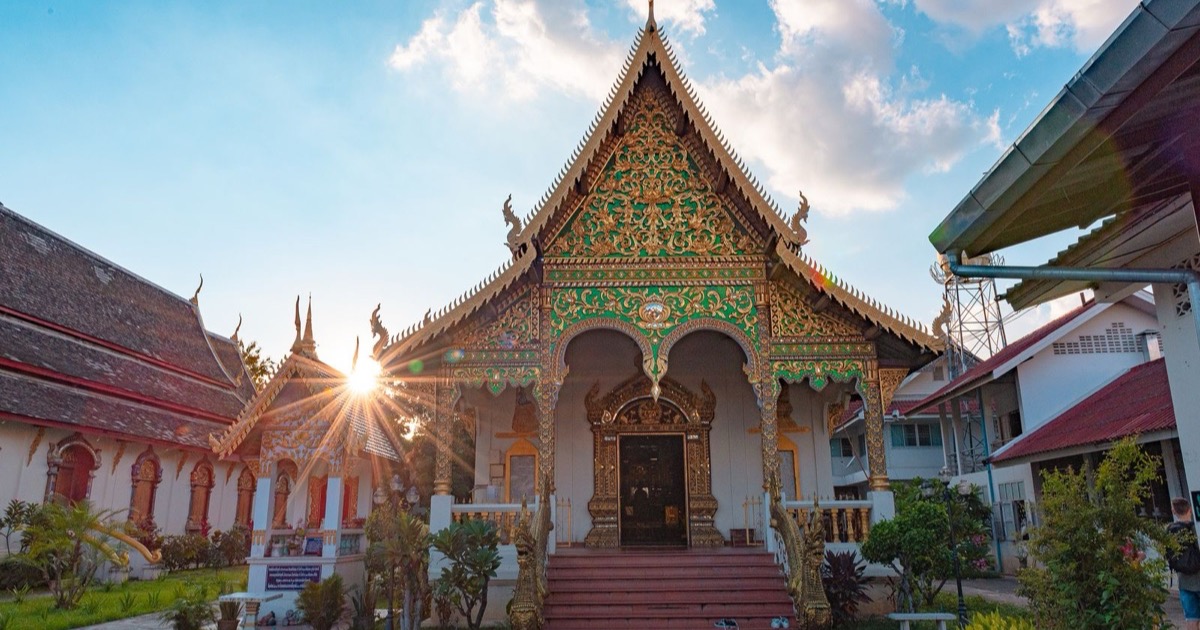

Travelers seeking a quiet retreat beyond the bustling streets of Chiang Mai will find the Wat Umong monastery an essential companion. Nestled at the foothills o
Travelers seeking a quiet retreat beyond the bustling streets of Chiang Mai will find the Wat Umong monastery an essential companion. Nestled at the foothills of Doi Suthep, this forest sanctuary blends ancient architecture with natural serenity unlike most other attractions. From winding meditation tunnels to centuries‑old murals, every step feels like a dialogue with Thailand’s spiritual heritage. Let this handbook guide you through the temple’s story, logistics, and visitor essentials for 2026.
What is the history behind Wat Umong in Chiang Mai?
Founded in the late 13th century, Wat Umong began as a modest meditation center for Lanna monks traveling along the Ping River trade routes. Its name, meaning “tunnel temple,” reflects the network of underground passages that were originally carved to protect sacred texts during periods of conflict. Over the centuries, the site evolved into a full‑scale Chiang Mai forest monastery, integrating Buddhist meditation practices with the surrounding pine‑covered hills.
The temple’s walls are adorned with ancient murals depicting lotus blossoms, mythical animals, and scenes from the Jataka tales. These artworks, preserved in the cool darkness of the tunnels, provide a visual record of Lanna artistic conventions. Scholars of Thai cultural sites often cite Wat Umong as a rare example where architecture, nature, and religious art converge in a single complex.
Today, the monastery remains active, hosting daily chanting sessions and meditation retreats. Visitors can observe monks preparing alms, explore the tranquil garden, and listen to the soft echo of chants drifting through the stone corridors. The blend of historic ambience and living tradition makes Wat Umong a cornerstone of Chiang Mai temples for both scholars and casual travelers.
How can I reach Wat Umng from Chiang Mai city center?
Reaching the forest temple is straightforward, with several options that suit different budgets and schedules. The most popular public choice is the red songthaew, a shared pickup truck that departs from the Tha Pae Gate area every 15 minutes. A typical ride lasts about 30 minutes and costs a modest fare, making it ideal for solo travelers or small groups.
For those who prefer a more private experience, hiring a tuk‑tuk or arranging a private car through a local agency offers door‑to‑door service. These vehicles can navigate the winding mountain road at a comfortable pace, and drivers often share insights about nearby attractions such as the Doi Suthep viewpoint.
Adventurous visitors may rent a bicycle or an electric scooter from the Old City. The ride up the hill provides a scenic overview of the surrounding forest, though cyclists should be prepared for a steady climb and occasional traffic.
| Mode of Transport | Approx. Time | Typical Cost (THB) | Tips |
|---|---|---|---|
| Songthaew (shared) | 30–35 min | 30–40 | Ask the driver to stop at the temple entrance. |
| Tuk‑tuk (private) | 25 min | 150–200 | Negotiate price before departure. |
| Bike/Scooter Rental | 30 min (uphill) | 100–150 per day | Wear a helmet and carry water. |
| Private Car (tour agency) | 20 min | 300–400 | Ideal for families; includes guide. |
What are the opening hours and entrance fees for Wat Umng?
Wat Umng welcomes visitors daily, with opening hours that adjust slightly by season. From November to February, the temple opens at 7:00 am and closes at 6:00 pm, while the hotter months see a later start at 8:00 am and an earlier closure at 5:00 pm. These times accommodate both early‑rising monks and tourists seeking a peaceful afternoon visit.
The entrance fee is modest, reflecting the site's status as a Thai cultural site rather than a commercial attraction. Adults typically pay a small donation, while children under a certain age enter free of charge. The contribution helps maintain the forest grounds, preserve the ancient murals, and support the resident monastic community.
Beyond the basic entry, there are several things to do Wat Umng that enrich the experience. Guided meditation sessions in the tunnels are offered for a nominal fee, and the on‑site tea house serves herbal blends harvested from the surrounding garden. Don’t miss the chance to walk the bamboo bridge that spans a quiet pond, a favorite spot for quiet reflection and photography.
Which meditation spots are most peaceful at Wat Umng?
The forest monastery’s network of stone‑lined tunnels, originally carved for monks to practice walking meditation, remains the most tranquil zone. Dim light filters through the narrow openings, and the cool air carries the faint scent of incense. Early mornings, just after sunrise, offer the softest ambience; the occasional drip of water from the ceiling creates a natural rhythm for breath work.
Beyond the tunnels, the open‑air meditation pavilion perched beneath a canopy of ancient teak trees provides a shaded refuge. The gentle rustle of leaves and distant calls of native birds help anchor attention. A small lotus pond on the western side of the complex, framed by stone lanterns, is another favored spot for seated contemplation, especially when the water’s surface mirrors the sky.
- Arrive before 9 am to secure a quiet corner in the tunnel corridor.
- Carry a lightweight cushion if you prefer extra support on stone floors.
- Choose the pavilion on the east side during hotter months for natural cooling.
- Bring a reusable water bottle; the temple provides filtered water at the main hall.
- Respect silence by turning off electronic devices or using earphones at low volume.
What should I wear when visiting Wat Umng temple?
The temple enforces a modest dress code in line with Thai cultural sites. Shoulders and knees must be covered, so a lightweight long‑sleeve shirt and loose trousers or a long skirt are ideal. Breathable fabrics such as cotton or linen work well in Chiang Mai’s warm climate, while a light jacket may be useful during the cooler mornings of the forest area.
Footwear should be easy to remove, as visitors are required to take shoes off before entering the inner sanctuaries and the tunnel passages. Slip‑on sandals or canvas shoes that can be placed on a low shelf are most convenient. Avoid high heels, flip‑flops with hard soles, or any shoes with bright logos that could distract other practitioners.
Are guided tours available for the tunnels at Wat Umng?
Guided tours operate daily, with the first group departing at 9:30 am and the last at 4:00 pm. English‑speaking monks and trained volunteers lead each session, offering insight into the temple’s history, the symbolism of the ancient murals, and the principles of Buddhist meditation practiced within the tunnels. Reservations are not mandatory, but arriving 15 minutes early secures a spot, especially during peak travel seasons.
For travelers seeking a deeper experience, a specialized “Meditation Insight” tour combines a short meditation class with a walkthrough of the tunnel’s hidden alcoves. The additional fee includes a modest donation to the monastery’s upkeep and a printed guide featuring the temple’s chronology and a map of the forest grounds.
What are the best times of year to explore Wat Umong?
Wat Umong thrives under the cool breezes of the dry season, which runs from November through February. During these months the forest canopy offers comfortable shade, and the temperature rarely climbs above 28 °C, making the underground tunnels pleasant for extended wandering.
March to May marks the hot season; while the mornings remain tolerable, the midday sun can intensify the humidity in the surrounding pine forest. If you choose this period, aim for an early start and bring plenty of water.
The monsoon months of June to October bring frequent showers that can turn the stone pathways slick. However, the rain also adds a tranquil ambience to the meditation halls, and the lush greenery reaches its peak. Visiting on a light drizzle can be rewarding, provided you wear appropriate footwear.
How long does a typical visit to Wat Umong take?
A focused itinerary that includes the main shrine, the meditation tunnels, and a brief walk around the surrounding forest usually requires between 1½ and 2 hours. Travelers who wish to sit in the meditation hall, explore the ancient teak pillars, or join a short chanting session should allocate an extra half hour.
For those interested in photography, the early morning light filtering through the bamboo groves and the subtle colors of the mural fragments can extend the visit to 2½ hours. Adjust your schedule according to the depth of experience you seek.
| Activity | Recommended Duration | Notes |
|---|---|---|
| Main shrine & surrounding grounds | 30–45 min | Include a quick stop at the giant Buddha statue. |
| Meditation tunnels | 45–60 min | Walk slowly; the tunnels are cool and echoing. |
| Forest walk & viewpoint | 30 min | Short trail leads to a modest overlook of the valley. |
| Optional chanting/meditation session | 15–30 min | Check the daily schedule at the entrance. |
Can I combine a visit to Wat Umong with other nearby attractions?
Wat Umong sits just a few kilometers north of Chiang Mai’s historic Old City, making it an easy addition to a day that also includes Doi Suthep, the iconic mountain temple. After exploring the tunnels, a short drive or songthaew ride brings you to the stair‑clad precinct of Doi Suthep, where panoramic views of the city await.
The forested area around Wat Umong is dotted with smaller monastic sites such as Wat Suan Dok and the contemporary meditation center of Wat Phra That Doi Kham. Pairing these visits creates a thematic journey through Chiang Mai’s spiritual landscape, from ancient forest retreats to hilltop shrines.
For nature lovers, the nearby Huay Kaew Waterfall offers a brief hike that can be slotted in before or after your temple tour. The waterfall trail is well‑marked and provides a refreshing contrast to the contemplative atmosphere of the monastery.
Expert Opinion: Local monk Phra Ajarn Suriya recommends arriving at Wat Umong at least 30 minutes before the first chanting session. “The early silence of the forest amplifies the meditative effect of the tunnels,” he explains, adding that a short sit‑in the main hall after the session can deepen the sense of calm.
Practical Tips for Visiting Unknown
- Dress modestly: Shoulders and knees should be covered out of respect for the monastic setting; a lightweight scarf can help if you’re wearing shorts.
- Footwear matters: Slip‑on sandals or shoes with a soft sole are ideal for the stone steps and the cool, sometimes damp tunnel floors.
- Plan for rain: A compact, breathable rain jacket folds easily into a backpack and keeps you comfortable during sudden showers.
- Cash on hand: Small donations and entry fees are typically accepted in Thai baht; exact change speeds up the process.
- Stay hydrated: Bring a refillable water bottle; there are usually water stations near the entrance where you can top up.
- Mind the silence: Whispering is appreciated inside the meditation hall and tunnels to preserve the contemplative environment.
- Use public transport: Songthaews and local red trucks run regularly from the Old City to the temple; they are cheaper than private taxis and provide a glimpse of everyday life.
Sources & Further Reading
Frequently Asked Questions About Unknown
Is Wat Umong suitable for families with children?
Wat Umong offers spacious gardens and shaded walkways that can keep younger visitors comfortable on a sunny day. The temple’s quiet atmosphere makes it a good place for children to explore without the noise of city attractions. However, the underground tunnels are dim and may be unsettling for very small kids, so parents should assess their comfort level before entering. Bringing a small snack and water can help maintain energy during the visit.
Do I need to book a meditation session in advance?
Most meditation sessions at the forest monastery operate on a first‑come, first‑served basis, especially early in the morning. During peak tourist periods, the monks may suggest reserving a spot by contacting the temple office the day before. If you prefer a guided session that includes a brief introduction to Buddhist practice, a short reservation can ensure a teacher is available. The guide notes that walk‑ins are welcomed, but a quick call can prevent waiting.
What is the entrance fee for foreign visitors at Wat Umong?
Foreign visitors are asked to contribute a modest donation that covers maintenance of the grounds and the tunnel lighting. The amount is typically around 20 to 30 Thai baht, but the exact figure can vary depending on seasonal projects. Payment is made at the main gate, and the staff will provide a receipt if requested. This contribution helps preserve the historic site for future travelers.
Can I bring food or drinks into the temple grounds?
Food and beverages are not permitted inside the main prayer halls or the tunnel areas, as they are considered sacred spaces. You may enjoy a snack at the small café located just outside the temple entrance, where seating is available under a canopy. Drinking water is allowed, but it should be kept in a sealed bottle to avoid spills. Respectful disposal of any waste is encouraged to keep the site tidy.
Are there any wheelchair‑accessible routes at Wat Umong?
The outer garden paths are relatively flat and can accommodate a wheelchair with some assistance. The stone steps leading to the main chedi and the entrance to the tunnels are not wheelchair‑friendly. Some volunteers are available near the gate to help navigate uneven sections if needed. Planning a visit during the dry season reduces the risk of slippery surfaces.
What is the significance of the ancient murals in the tunnels?
The murals date back several centuries and illustrate key episodes from the life of the Buddha and local legends. They were originally painted by monks as teaching tools for meditation practitioners who spent time in the quiet darkness. Each scene is accompanied by subtle symbols that convey moral lessons, making the artwork both decorative and instructional. The Wat Umong Chiang Mai guide highlights that preserving these murals is a priority for the temple community.
How far is Wat Umong from Doi Suthep?
Wat Umong lies approximately 12 kilometers west of Doi Suthep, a distance that can be covered in about 30 minutes by car on the mountain road. Public songthaews run between the two sites, though schedules may be less frequent on weekends. If you prefer a private ride, taxis and ride‑hailing apps are readily available in Chiang Mai. The scenic drive offers views of rice paddies and forested hills along the way.
Is there a gift shop or café near Wat Umong?
A modest gift shop sits just beyond the main entrance, offering handmade incense, prayer beads, and locally crafted souvenirs. The café adjacent to the shop serves Thai tea, fresh fruit juices, and light bites such as spring rolls. Both venues accept cash and electronic payments, making transactions convenient for travelers. Seating is limited, so visiting during off‑peak hours can provide a quieter experience.
What safety precautions should I take while walking the tunnels?
The tunnels are dimly lit, so carrying a small flashlight or using a phone’s torch function is advisable. Wear sturdy shoes with good grip to avoid slipping on the uneven stone floor. Keep an eye on low ceilings and be mindful of any loose steps, especially after rain. The Wat Umong Chiang Mai guide recommends staying with a group, as the passages can feel disorienting when alone.
Are there any nearby accommodation options for a night stay?
Several boutique guesthouses and family‑run inns are situated within a short drive of Wat Umong, offering rooms with garden views. These establishments often provide breakfast featuring local ingredients and can arrange transport to the temple in the morning. Booking in advance during the high season ensures availability, though walk‑ins are sometimes accepted during quieter periods. Many hosts are happy to share stories about the temple’s history and suggest alternative sites to explore.
Visiting Wat Umong adds a contemplative layer to any Chiang Mai itinerary, and the practical tips above can help you make the most of the experience. By planning ahead for transportation, entry fees, and accessibility, you’ll navigate the site with confidence. The Wat Umong Chiang Mai guide serves as a useful reference for both first‑time visitors and seasoned travelers seeking deeper insight. Enjoy the serene ambiance and let the ancient tunnels inspire your own moments of reflection.
Plan your trip
Tours, tickets & activities
Browse and book experiences, attraction tickets and day trips on Klook, with instant confirmation.
Explore experiences on KlookWe may earn a commission from bookings made through this link, at no extra cost to you.
Reviewed by our editor for Asia & the Middle East
Sarah ChenAsia & Middle East Editor
Travel writer covering Southeast Asia, East Asia and the Gulf — temples, street food and modern cities.
More articles by Sarah Chen →