
When the sun dips behind the ancient walls of Chiang Mai, the city’s night pulse quickens, and the invitation to a Chiang Mai Khantoke dinner becomes impossible
When the sun dips behind the ancient walls of Chiang Mai, the city’s night pulse quickens, and the invitation to a Chiang Mai Khantoke dinner becomes impossible to ignore. This iconic dining ritual blends traditional Northern Thai cuisine with lively Lanna cultural performances, offering travelers a vivid glimpse into the region’s heritage. Whether you’re chasing authentic Thai dishes or a family‑friendly dinner show, the Khantoke experience stands out as a must‑try night attraction.
What makes a Khantoke dinner in Chiang Mai unique?
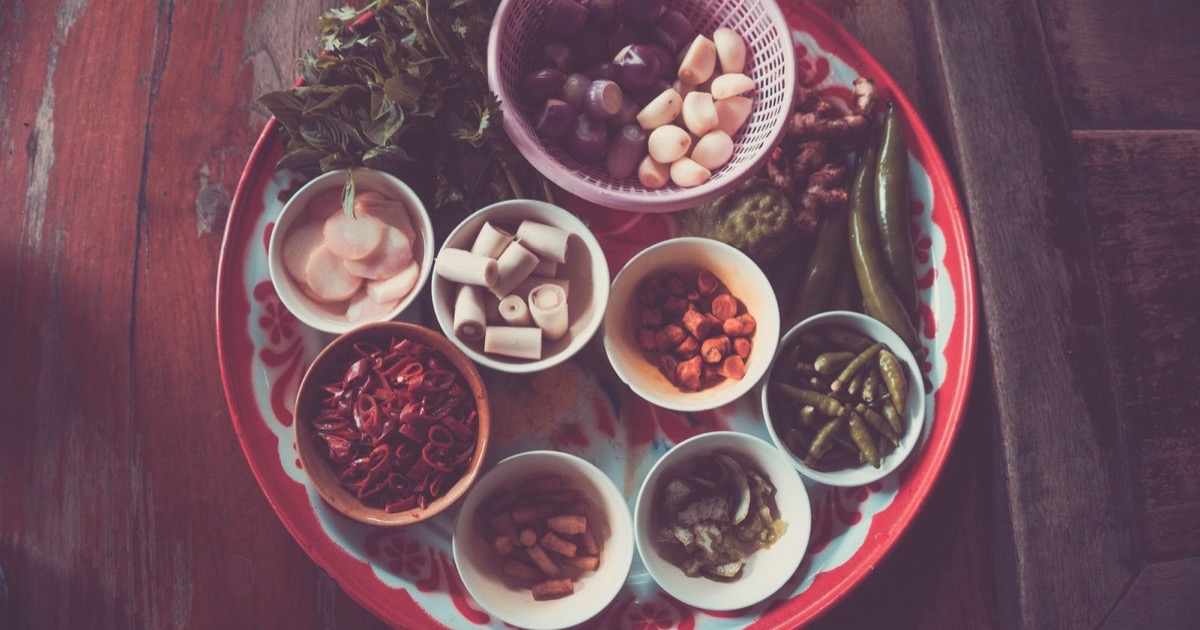
The hallmark of a Khantoke dinner lies in its presentation: dishes are arranged on low, round wooden trays called Khantoke, allowing guests to share a communal feast in a relaxed setting. This style of service encourages conversation and reflects the hospitality ingrained in Northern Thai culture. Expect a spread that includes khao soi, sai ua, and a variety of fresh salads, each prepared with locally sourced herbs and spices that define traditional Northern Thai cuisine.
Beyond the food, the evening unfolds with a Lanna cultural performance that showcases Thai folk dance Chiang Mai style, accompanied by the gentle strumming of the sueng and the rhythmic beat of the taphon. The choreography often narrates legends of the ancient Lanna kingdom, turning the dinner into an immersive storytelling session. This blend of taste and tradition makes the Chiang Mai cultural dinner experience distinct from any other night out in the city.
Which venues offer the best Khantoke dinner and cultural show in Chiang Mai?
Several venues have earned a reputation for delivering top‑tier Northern Thai dinner shows. The Old Chiang Mai Cultural Center dinner is frequently highlighted for its authentic ambience, complete with wooden interiors and lantern lighting that echo historic Chiang Mai streets. Another popular choice is a venue that partners with local artisans, offering a Northern Thai dinner show Chiang Mai style that emphasizes both culinary and performance excellence.
When selecting a spot, consider factors such as the variety of authentic Thai dishes on the menu, the quality of the Lanna cultural performance, and the overall atmosphere. Some locations cater specifically to families, providing a child‑friendly environment and interactive elements that keep younger guests engaged throughout the show.
| Venue | Atmosphere | Performance Quality | Menu Highlights |
|---|---|---|---|
| Old Chiang Mai Cultural Center | Traditional wooden hall with lanterns | Professional Lanna dance troupe | Khao soi, sai ua, mango sticky rice |
| Venue A (partnered with local artisans) | Rustic decor with live music | Dynamic folk dance with audience participation | Grilled river fish, Northern salads, sweet pumpkin dessert |
| Venue B (family‑friendly) | Bright, spacious dining area | Shorter, interactive performance | Chicken satay, vegetable curries, coconut pancakes |
How much should I expect to pay for a Khantoke dinner in Chiang Mai in 2026?
Pricing for a Khantoke dinner Chiang Mai 2026 varies according to the venue, the inclusiveness of the menu, and whether transfers are part of the package. On average, a standard dinner with a cultural show costs between 800 and 1,200 Thai baht per person. Premium experiences that feature extended performances, higher‑end ingredients, or private seating can rise to 1,500 baht or more.
Travelers looking to save should keep an eye on seasonal promotions offered by platforms that specialize in local tours. Discounts of up to 15 % are occasionally available, especially during off‑peak months, making the Khantoke dinner price Chiang Mai more accessible without compromising on authenticity. Remember to factor in any additional fees for transportation if you’re staying outside the city center.
Overall, the cost aligns well with other Chiang Mai night attractions, delivering a rich cultural dinner experience that balances value and immersion. As part of a comprehensive travel guide 2026 Chiang Mai itinerary, a Khantoke dinner remains a highlight that many visitors deem essential.
What dishes are typically served during a Northern Thai Khantoke dinner?
When you sit on the low wooden platform that defines a Khantoke dinner, the first thing you notice is the round bamboo tray—known as a khantoke—laden with an array of dishes that showcase the depth of Lanna culinary heritage. Expect a centerpiece of grilled river fish, often seasoned with lemongrass, kaffir lime leaves, and a touch of fermented soy sauce, alongside succulent pork ribs slow‑cooked in a fragrant herb broth.
Accompanying the proteins are several vegetable and noodle components that balance richness with freshness. Sticky rice, a staple of Northern Thai cuisine, is served in small woven baskets, while a bowl of khao soi—curry‑infused egg noodles topped with crispy noodle strips—adds a comforting heat. Other common sides include spicy cabbage salad (som tam), bamboo shoots tossed in a tamarind glaze, and a modest portion of boiled potatoes seasoned with local herbs. Each item arrives on the same khantoke tray, encouraging communal sharing and a rhythm that mirrors traditional Lanna dining.
For those seeking a sweet finish, a modest serving of mango with sticky rice or a slice of coconut‑infused pumpkin cake often rounds out the meal. The combination of smoky, sour, salty, and sweet flavors reflects the region’s agricultural bounty and the centuries‑old practice of balancing taste in Northern Thai dishes.
Is it necessary to book a Khantoke dinner in advance?
Demand for the best Khantoke dinner Chiang Mai experiences spikes during peak travel months and local festivals, so securing a reservation ahead of time can prevent disappointment. Many venues, especially those attached to cultural sites like the Old Chiang Mai Cultural Center dinner hall, limit seating to preserve an intimate atmosphere, making walk‑ins less reliable during busy evenings.
Booking early also gives you the chance to request specific seating preferences—such as a table near the stage for clearer view of the Thai folk dance Chiang Mai performance—or to arrange a family‑friendly dinner show that includes a children’s activity corner. If you prefer a more spontaneous plan, keep a shortlist of venues that accept same‑day reservations and be prepared to arrive shortly before the first performance starts.
- Check the venue’s official website or social media for the latest reservation policy and any seasonal promotions.
- Reserve at least 48 hours ahead during the cool season (November–February) to guarantee a spot.
- Ask about group discounts if you are traveling with a party of six or more.
- Confirm the Khantoke dinner price Chiang Mai before you arrive; some places add a modest service charge.
- Bring a printed confirmation or a screenshot on your phone to streamline check‑in.
How long does a Khantoke dinner and cultural performance last?
A typical Northern Thai dinner show Chiang Mai runs for about two to two and a half hours. The first 45 minutes focus on the meal itself, allowing guests to savor each course at a relaxed pace while the staff explains the significance of the ingredients. Following the dining portion, the Lanna cultural performance begins, featuring traditional instruments, classical Thai folk dance, and occasional storytelling segments that illustrate local legends.
The performance segment usually lasts between 60 and 80 minutes, with a short intermission that offers a chance to stretch, order a beverage, or capture photos of the ornate stage décor. When you add the time needed for seating, greeting, and post‑show applause, the entire experience comfortably fits within a three‑hour window, making it a manageable addition to an evening itinerary that may also include night market exploration.
Are there any dress code or etiquette tips for attending a Khantoke dinner?
Most venues encourage smart‑casual attire that respects the cultural setting. Men typically wear collared shirts and long trousers; women may choose modest dresses or skirts that fall below the knee. Avoid beachwear, flip‑flops, or overly revealing clothing, as the dining area is shared with performers and other guests who expect a respectful atmosphere.
When the Lanna cultural performance begins, it is polite to remain seated until the opening music ends. Applause after each dance segment is appreciated, but refrain from shouting or using flash photography during the show. If you are offered a traditional greeting, a simple nod or smile is sufficient.
Can families with children enjoy a Khantoke dinner in Chiang Mai?
Family‑friendly Khantoke venues often provide a relaxed environment that welcomes children of all ages. Staff may offer smaller portions of the same dishes served on the communal tray, allowing kids to sample authentic flavors without feeling overwhelmed. Many locations also feature a brief storytelling segment that explains the significance of the dance costumes, which can capture a child's imagination.
To help parents plan, the table below outlines typical age ranges and the amenities that cater to them. This overview can guide you in selecting a venue that balances cultural immersion with child‑appropriate comfort.
| Age Range | Recommended Seating | Special Amenities |
|---|---|---|
| Under 5 | High‑chair or booster seat | Kids’ menu with milder spices, quiet corner |
| 5‑12 | Standard table with extra space | Interactive storytelling, coloring sheets |
| 13 and up | Regular seating | Full menu, optional backstage tour (if offered) |
What transportation options are convenient for reaching Khantoke dinner venues?
Chiang Mai’s compact city layout makes several modes of transport practical for evening outings. Ride‑hailing apps provide door‑to‑door service, typically arriving within 10‑15 minutes from the Old City. For travelers who enjoy a more local feel, the red songthaew (shared taxi) runs along main arteries and can drop you off a short walk from most dinner halls.
The chart below compares the most common choices, highlighting travel time, approximate cost, and any notable considerations such as luggage space or need for advance booking.
| Mode | Travel Time (from Old City) | Cost (approx.) | Notes |
|---|---|---|---|
| Ride‑hailing (e.g., Grab) | 10‑12 minutes | Medium | Convenient, can request a larger vehicle for groups |
| Songthaew | 15‑20 minutes | Low | Frequent, but may require a short walk from drop‑off |
| Motorbike Taxi | 8‑10 minutes | Low | Fast, best for solo travelers; wear a helmet |
| Private Car Rental | 10‑12 minutes | High | Ideal for families with luggage; reserve ahead |
Practical Tips for Visiting Chiang Mai
- Timing Your Meal: Arrive at least 15 minutes before the scheduled performance to settle in and receive any introductory notes from the host.
- Currency Preparation: While many venues accept cards, a modest amount of cash simplifies tip‑giving and purchasing small souvenirs after the show.
- Allergy Awareness: Inform the staff of any dietary restrictions when you book; most kitchens can adjust spice levels or omit certain ingredients.
- Photography Policy: Use a discreet camera during the performance if allowed, but respect any signs that prohibit flash or recording.
- Dress Comfortably: Light layers are advisable; indoor venues may be cool due to air‑conditioning, while evenings can be warm in the open‑air sections.
- Local Language Basics: Learning a simple greeting such as “Sawasdee krub/kha” (hello) can enhance interaction with staff and performers.
- Plan Your Return: Check the last departure times of songthaews or arrange a ride‑hailing pickup in advance to avoid long waits after the show.
Expert Opinion: “The Khantoke dinner is more than a meal; it’s a window into Lanna heritage. Choosing a venue that offers a clear view of the stage and provides a children’s menu ensures that both adults and younger guests walk away with a memorable cultural snapshot.” – Dr. Ananda Charoen, Professor of Thai Cultural Studies.
Recommended Chiang Mai Activities
Frequently Asked Questions About Chiang Mai
What is a Khantoke tray and how is it used?
The Khantoke tray is a low, round wooden platform traditionally about 60 cm in diameter. It serves as the base for arranging small dishes of Northern Thai cuisine, allowing diners to eat while seated on the floor. Guests lift the tray to their lap, sharing the food communally, which encourages conversation. The design also keeps the table area tidy during the performance.
Do I need to know Thai language to enjoy the Khantoke dinner show?
No, most venues provide bilingual explanations in English and Thai for the dishes and performances. Staff often greet guests in basic English and can answer simple questions about the menu. Printed menus and subtitles on the stage help non‑Thai speakers follow the storytelling. A few Thai phrases can be courteous, but they are not required.
Can I customize the menu for dietary restrictions?
Yes, many Chiang Mai Khantoke dinner hosts will accommodate vegetarian, vegan, gluten‑free, or halal requests if informed ahead of time. You should indicate your needs when making the reservation, and the kitchen will adjust the traditional dishes accordingly. Some venues may offer a separate set of plant‑based specialties while preserving the presentation style. It is advisable to confirm any allergy concerns at least 48 hours before the event.
Is alcohol served during the Khantoke dinner?
Alcoholic beverages are typically offered as optional add‑ons rather than included in the base price. You can order Thai beers, rice wines, or soft drinks from a separate menu after the main courses are served. Some venues restrict alcohol to certain sections of the venue to maintain a family‑friendly atmosphere. Check the venue’s policy when you book if you plan to enjoy a drink.
Are there private Khantoke dinner packages for groups?
Private packages are available for corporate events, wedding parties, or larger family gatherings. These bookings usually provide exclusive use of a performance area and a customized menu for the group size. Hosts can arrange additional cultural activities such as Lanna dance workshops or craft demonstrations. Pricing is generally based on per‑person rates plus any extra services requested.
How far in advance should I book a Khantoke dinner in Chiang Mai?
During peak tourist months, reserving at least two weeks ahead is recommended to secure a preferred time slot. In the low season, a few days’ notice often suffices, though popular venues may still fill quickly. Online booking platforms typically show real‑time availability, making it easy to plan. Early reservation also gives the kitchen time to note any dietary preferences.
What is the typical schedule of the cultural performances?
A standard Chiang Mai Khantoke dinner begins with a welcome drink, followed by the first round of dishes served on the Khantoke tray. After the initial courses, performers present a Lanna dance segment lasting about ten minutes. This is interspersed with additional food rounds and a short storytelling interlude that explains the folklore behind the dishes. The evening concludes with a final musical piece and dessert service.
Are there any age restrictions for attending the show?
Most venues welcome guests of all ages, but children under five are often advised to sit on a booster seat for safety. Some performances may contain brief cultural rituals that are respectful but could be less engaging for very young children. A few upscale locations reserve certain evenings for adult‑only dining, which will be noted on their reservation page. Always verify the age policy when you make your booking.
Can I combine a Khantoke dinner with a city tour?
Several tour operators offer packages that include a morning temple visit, a walk through the Old City, and an evening Chiang Mai Khantoke dinner. These combined itineraries are designed to reduce transportation logistics and provide a seamless cultural immersion. You can also arrange a private guide to meet you at the dinner venue after a day of sightseeing. Prices vary, so compare options to find the best fit for your schedule.
What safety measures are in place for tourists at the dinner venues?
Reputable venues follow local health regulations, providing regular sanitization of the Khantoke trays and dining area. Staff are trained in basic first‑aid and emergency procedures, and exits are clearly marked. Many establishments now offer contact‑less payment options to limit cash handling. It is prudent to check recent traveler reviews for any updates on safety practices before you arrive.
Experiencing a Chiang Mai Khantoke dinner offers a vivid glimpse into Northern Thailand’s culinary heritage and performing arts, all within a welcoming setting. By planning ahead, communicating any special needs, and choosing a reputable venue, you can enjoy an evening that balances flavor, tradition, and comfort. Let the rhythmic beats, fragrant dishes, and warm hospitality create a lasting memory of your time in Chiang Mai. Safe travels and bon appétit.
Plan your trip
Tours, tickets & activities
Browse and book experiences, attraction tickets and day trips on Klook, with instant confirmation.
Explore experiences on KlookWe may earn a commission from bookings made through this link, at no extra cost to you.
Reviewed by our editor for Asia & the Middle East
Sarah ChenAsia & Middle East Editor
Travel writer covering Southeast Asia, East Asia and the Gulf — temples, street food and modern cities.
More articles by Sarah Chen →