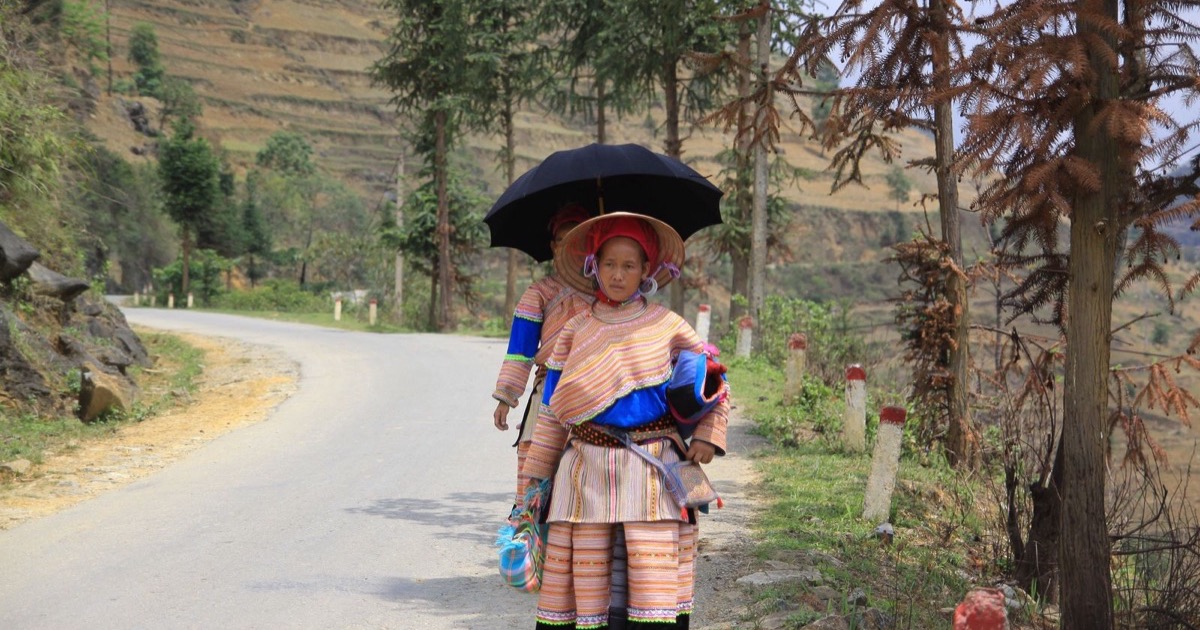

Adventure seekers looking for an authentic cultural immersion will find the Chiang Mai hill tribe trek a compelling way to experience northern Thailand’s rugged
Adventure seekers looking for an authentic cultural immersion will find the Chiang Mai hill tribe trek a compelling way to experience northern Thailand’s rugged scenery and living traditions. In just two days you can walk through mist‑covered forests, share meals in remote villages, and return to the city with fresh perspectives. This guide breaks down the itinerary, the communities you’ll meet, and the physical demands of the jungle trek, so you can plan with confidence.
What is the typical itinerary for a two‑day hill tribe trek from Chiang Mai?
The journey usually begins early in the morning with a pick‑up from central Chiang Mai. After a quick briefing, local guides lead the group to the trailhead where the first day’s trek starts. The initial segment follows a well‑marked mountain trekking route in Thailand, winding through pine forests and terraced farms. Hikers cover roughly 10‑12 km, stopping at a waterfall that many tours highlight as a refreshing break during the Chiang Mai jungle trek.
Mid‑day, the trek reaches the first hill tribe homestay, often a Karen village that welcomes guests with simple bamboo houses and a communal meal. After lunch, the group rests or participates in a short cultural workshop, such as learning to weave a traditional basket. The afternoon walk continues toward a higher ridge, offering panoramic views of the surrounding valleys before setting up camp for the night under the stars.
Day two repeats the early start, with a hearty breakfast provided by the host family. The second leg adds another 8‑10 km of trekking, taking you deeper into less‑traveled sections of the forest. Along the way you’ll encounter a Hmong village where you can observe traditional silverwork and hear stories about the community’s history. The trek concludes back at the trailhead in the late afternoon, where transport returns you to Chiang Mai.
Which hill tribe villages are visited during the Chiang Mai trek?
The most common itinerary includes three distinct villages, each representing a different ethnic group. The first stop is usually a Karen village, known for its vibrant textiles and terraced rice paddies that climb the hillside. The second is a Hmong settlement, where visitors can watch women hand‑craft intricate embroidery and learn about the tribe’s seasonal migration patterns. The final village often belongs to the Lahu or Akha people, offering a glimpse into unique wooden house architecture and traditional drum music.
These villages are selected for their commitment to sustainable tourism in Chiang Mai, meaning that most homestays reinvest a portion of the fees into community projects such as school supplies or clean‑water initiatives. Local guides, who are often members of the tribes themselves, provide context that enriches the experience beyond the typical Chiang Mai trekking tour.
| Village | Primary Tribe | Altitude (m) | Typical Homestay Feature | Cultural Highlight |
|---|---|---|---|---|
| Ban Mae Klang | Karen | 850 | Bamboo stilt houses, shared meals | Weaving demonstrations |
| Ban Phon Phu | Hmong | 950 | Wooden cabins, herbal garden | Silver jewelry crafting |
| Ban Lao Kham | Lahu | 1,050 | Stone foundations, communal fire | Traditional drum circle |
How difficult is the terrain on a two‑day jungle trek near Chiang Mai?
The terrain varies from gentle forest paths to steeper sections that require careful footing. On the first day, most routes are graded as moderate, with occasional rocky patches and shallow stream crossings. Elevation gain typically totals 400‑600 m, which is manageable for hikers who maintain a steady pace and have basic fitness.
Day two introduces more challenging segments, including narrow ridgelines and occasional mud‑slip zones after rain. The distance covered is similar to the first day, but the cumulative altitude gain can approach 800 m, pushing the trek into a moderate‑to‑hard category for those unused to mountain trekking routes in Thailand. Proper trekking gear, as outlined in any thorough trekking gear checklist, becomes essential—sturdy boots, a rain jacket, and trekking poles are strongly recommended.
Seasonal considerations also affect difficulty. The best time to trek Chiang Mai is during the cool, dry months from November to February, when trail conditions are stable and temperatures are comfortable for long walks. During the monsoon season, trails can become slick, and some waterfalls may swell dramatically, altering the pace of the trek.
What wildlife and natural sights might I see on the trek?
The Chiang Mai highlands are a mosaic of evergreen forest, bamboo thickets, and open grassland. Early mornings often reveal mist‑cloaked ridges where the call of the white‑bellied redstart echoes through the canopy. Along the trail you may spot the elusive slow‑loris perched on a branch, while the forest floor is alive with leaf‑cutter ants marching in single file.
Waterfalls are a highlight of any Chiang Mai jungle trek. The most photographed cascade on the 2 day route drops roughly 15 metres into a crystal pool that serves as a natural rest stop. Keep an eye out for the rainbow‑colored kingfisher that darts above the water’s surface. In the higher sections, the terrain opens to sweeping vistas of terraced rice paddies that descend into the valleys where Karen and Hmong villages are nestled.
Birdwatchers will appreciate the diversity of species that migrate through this corridor each season. Look for the crested serpent eagle soaring above the ridge line, and the bright orange‑crowned babbler that flits among the underbrush. Small mammals such as the Himalayan striped squirrel and the golden langur can be spotted near the forest edge, especially during the cooler hours of the day.
What should I pack for a multi‑day trek in the Chiang Mai highlands?
A well‑thought‑out packing list can make the difference between a comfortable trek and a struggle in the humid mountain climate. Start with a lightweight, breathable rain jacket that can be layered over a moisture‑wicking base layer; sudden showers are common even in the dry season. Sturdy trekking boots with good ankle support are essential for the rocky and sometimes slippery paths that connect the remote villages.
Beyond clothing, consider items that support both safety and sustainability. A compact first‑aid kit, a headlamp with extra batteries, and a portable water‑filtration bottle will keep you prepared for the unexpected. Since many hill tribe homestay Chiang Mai locations rely on limited electricity, a power bank capable of charging a phone or GPS device for at least two days is advisable.
- Layered clothing: Pack a long‑sleeve shirt, a fleece, and a waterproof shell that can be removed as temperatures rise.
- Footwear and socks: Bring trekking boots and two pairs of quick‑dry socks; consider a pair of lightweight sandals for evenings at the homestay.
- Navigation tools: Carry a printed map of the mountain trekking routes Thailand, a compass, and a fully charged smartphone with offline maps.
- Food and snacks: High‑energy items such as dried fruit, nuts, and energy bars keep you fueled between meals provided by the host families.
- Eco‑friendly supplies: Reusable cutlery, a biodegradable soap bar, and a small trash bag help you leave a minimal footprint.
How much does a guided hill tribe trek cost in 2026?
Pricing for a guided hill tribe trek varies depending on the level of service, the size of the group, and the inclusions such as meals or homestay accommodations. In 2026, a standard Chiang Mai 2 day trek with a certified local guide, transportation from the city, and two nights of hill tribe homestay Chiang Mai typically ranges from 3,200 to 4,500 Thai baht per person. This fee usually covers the guide’s expertise, park entry permits, and basic meals prepared by the host families.
For travelers seeking a more customized experience—such as private guiding, additional overnight stays in remote villages, or specialized wildlife spotting—the cost can rise to 6,000–7,500 baht per person. Many operators now incorporate a small contribution to community development projects, which is reflected in the final price and supports sustainable tourism Chiang Mai initiatives.
It is advisable to confirm what is included in the package before booking. Some tours may charge extra for equipment rentals like trekking poles or for optional activities such as a traditional weaving workshop in a Karen village. Booking through a reputable agency that works directly with local guides ensures that the majority of the fee stays within the community.
Are there ethical considerations when staying with hill tribe families?
Living with a Karen or Hmong household for a night or two provides a rare glimpse into daily life that most tourists never see. Before you accept an invitation, ask your guide how the family benefits financially and whether the payment covers meals, laundry, and a fair contribution to the household income. Transparency helps ensure that your presence supports, rather than exploits, the community.
Respect for cultural norms is essential. Remove shoes before entering living spaces, ask permission before photographing sacred objects, and avoid discussing sensitive topics such as land rights or political matters. Simple gestures—such as learning a few basic greetings in the tribe’s language—show appreciation and reduce the risk of unintentionally causing offense.
When is the best season to trek to remote villages around Chiang Mai?
The cool, dry months from November through February offer the most comfortable hiking conditions, with daytime temperatures ranging from 20‑25 °C and clear skies that reveal the surrounding mountains. Trails are less slippery, and the reduced humidity makes the long walks through bamboo forest and terraced rice paddies more enjoyable.
March to May brings warmer weather and the early stages of the monsoon. While the landscape becomes greener, sudden downpours can turn footpaths into mud, and some remote bridges may be temporarily closed. The rainy season, June to October, creates spectacular waterfalls but also increases the risk of landslides and makes river crossings more challenging.
| Month | Average Temp (°C) | Rainfall (mm) | Trail Condition |
|---|---|---|---|
| Nov‑Feb | 20‑25 | 30‑80 | Dry, firm |
| Mar‑May | 25‑30 | 100‑180 | Mixed, occasional mud |
| Jun‑Oct | 24‑28 | 250‑400 | Wet, slippery, possible closures |
How do I arrange transportation to the trek’s starting point?
The most common launch pads for two‑day hill‑tribe treks are the towns of Mae Rim, Doi Suthep, and the village of San Kampaeng. From Chiang Mai’s Old City, you can catch a red songthaew (shared pickup truck) that departs every hour from the Chang Puak market. The ride to Mae Rim takes roughly 30 minutes and costs a few baht per passenger.
If you prefer a private ride, many local operators provide minivan services that can be booked online or through your hotel concierge. Expect a fare of around 600‑800 baht for a one‑way trip, and be sure to confirm that the driver knows the exact drop‑off location for your trekking agency. Some agencies also offer a shuttle from the Chiang Mai International Airport for travelers arriving on the same day.
Expert Opinion
“Sustainable trekking hinges on the partnership between visitors and the villages they visit. I always advise travelers to bring a small, reusable gift—such as a hand‑woven scarf or a pack of tea—to share with the host family. It’s a modest gesture that acknowledges the hospitality while supporting local artisans.” – Dr. Ananda Phanich, Anthropologist, Chiang Mai University.
Practical Tips for Visiting Chiang Mai
- Pack lightweight rain gear: A breathable waterproof jacket and quick‑dry pants protect you from sudden showers without adding bulk to your pack.
- Carry a reusable water bottle: Many villages have clean spring water; refill often to stay hydrated and reduce plastic waste.
- Use insect repellent with DEET: Mosquitoes are most active at dusk, especially in forested sections, and can carry dengue.
- Bring a small first‑aid kit: Include blister pads, antiseptic wipes, and basic pain relievers, as medical facilities are far from the trail.
- Charge devices before departure: Power outlets are scarce on the trek; a portable power bank ensures you can keep a phone for emergencies.
- Respect prayer times: Many hill‑tribe families observe Buddhist rituals in the early morning; keep noise to a minimum during these periods.
- Leave no trace: Pack out all trash, avoid collecting firewood, and stay on marked paths to preserve the environment for future trekkers.
Recommended Chiang Mai Activities
Frequently Asked Questions About Chiang Mai
How long does the two‑day hill tribe trek take each day?
The first day typically involves a 6‑7 km hike that starts in the early morning and ends by late afternoon, allowing time for a village visit and a shared dinner. The second day is shorter, about 4‑5 km, and finishes before sunset so you can return to Chiang Mai by bus or private transfer. Walking times can vary with altitude and personal pace, so guide briefings will give you a realistic schedule each morning.
Is the trek suitable for beginners or only experienced hikers?
The Chiang Mai hill tribe trek is designed for a wide range of fitness levels, but beginners should be comfortable walking on uneven forest paths and climbing modest inclines. Guides provide regular rest stops, and the terrain does not include technical climbing or exposed ridges. Participants with limited stamina may find the first day more challenging, yet the overall difficulty remains moderate. Proper footwear and a basic level of conditioning are strongly recommended.
What accommodation options are available in the hill tribe villages?
Guests stay in family‑run homestays that consist of simple bamboo or wooden rooms with mosquito nets and shared bathroom facilities. Some villages also offer small guesthouses with private rooms and basic amenities such as hot water and a fan. The hosts usually provide a pillow, blanket, and a small wooden table for personal items. All accommodations are designed to give travelers an authentic cultural experience while ensuring safety and comfort.
Are meals provided during the trek and what type of food is served?
Meals are included in the package and are prepared by the village families using locally sourced ingredients. Breakfast typically consists of fresh fruit, rice porridge, and boiled eggs, while lunch and dinner feature dishes like grilled fish, vegetable stir‑fry, and sticky rice. Vegetarian options are available on request, and the cooking style reflects traditional hill tribe flavors. Guests are encouraged to try the regional specialties, which showcase the area’s agricultural bounty.
Do I need a travel insurance policy for a short trek in Chiang Mai?
Travel insurance that covers medical emergencies, evacuation, and personal liability is highly advisable, even for a two‑day excursion. Accidents on mountain trails, though rare, can result in injuries that require prompt medical attention. Policies that include coverage for adventure activities will protect you against unexpected costs. Always review the fine print to confirm that trekking is listed as an approved activity.
Can I book the trek online and pay in advance?
Most reputable tour operators allow online reservations through their websites, where you can select dates, group size, and any special requirements. A credit‑card deposit or full payment is usually required to secure your spot, and you will receive a confirmation email with itinerary details. Some operators also accept bank transfers for larger groups. Keep a copy of the receipt for reference at the meeting point.
What is the cancellation policy for hill tribe trekking tours?
Cancellations made at least seven days before the start date generally receive a full refund, minus a small administrative fee. If you cancel within a week of departure, most providers retain 50 % of the total cost to cover guide wages and logistical expenses. In the case of a no‑show, the remaining balance is usually non‑refundable. Always read the specific terms before confirming your booking.
Are there any age restrictions for participants?
Participants must be at least 12 years old to join the standard two‑day trek, as younger children may find the distance and altitude challenging. Some operators offer a shorter, family‑friendly version for children aged 8‑11, but this requires prior arrangement. There is no upper age limit, provided the individual is in good health and can manage the moderate walking distances. A medical clearance may be requested for seniors or anyone with pre‑existing conditions.
How do I respect local customs while staying with hill tribe families?
Always remove your shoes before entering a home and accept any offered refreshments with both hands as a sign of respect. Dress modestly, covering shoulders and knees, especially when visiting temples or participating in cultural ceremonies. Ask permission before taking photographs of people or sacred objects, and avoid discussing sensitive topics such as politics or religion. Showing genuine interest and gratitude goes a long way toward building trust.
What currency is used for purchases in the villages?
The Thai baht (THB) is the official currency accepted for all transactions in the hill tribe villages. Some families may also accept small amounts of US dollars, but change will be given in baht. It is advisable to carry exact change for tips, souvenirs, or additional snacks, as ATMs are not available in remote areas. Exchanging money in Chiang Mai city before departure ensures you have sufficient cash on hand.
With careful planning and an open mind, the Chiang Mai hill tribe trek offers a rewarding glimpse into mountain life and natural beauty. By following local guidelines and preparing appropriately, you can enjoy a safe and enriching adventure that leaves lasting memories. We hope this guide helps you feel confident about joining the trek and exploring the region’s unique cultural landscape. Safe travels and enjoy every step of the journey.
Plan your trip
Tours, tickets & activities
Browse and book experiences, attraction tickets and day trips on Klook, with instant confirmation.
Explore experiences on KlookWe may earn a commission from bookings made through this link, at no extra cost to you.
Reviewed by our editor for Asia & the Middle East
Sarah ChenAsia & Middle East Editor
Travel writer covering Southeast Asia, East Asia and the Gulf — temples, street food and modern cities.
More articles by Sarah Chen →