
Travelers often wonder when it is most peaceful at Doi Suthep, hoping to experience the sacred mountaintop without the usual throngs. The temple’s serene atmosp
Travelers often wonder when it is most peaceful at Doi Suthep, hoping to experience the sacred mountaintop without the usual throngs. The temple’s serene atmosphere shines brightest during off‑peak hours, especially when the sunrise crowd thins and the evening hush settles. Knowing the Doi Suthep opening and closing times, as well as the temple dress code, lets you plan a visit that feels almost private. Below, the 2026 Chiang Mai travel guide reveals the precise windows to avoid crowds and enjoy a tranquil temple sunrise experience.
When does Doi Suthep Temple experience the fewest visitors?
The temple’s visitor flow follows a predictable pattern: early mornings and late evenings see the lowest numbers. Between 8:00 am and 10:00 am, after the first wave of tourists departs, the grounds become noticeably quieter. This period also aligns with the Doi Suthep best time to visit for those who prefer a calm atmosphere rather than the busy midday rush.
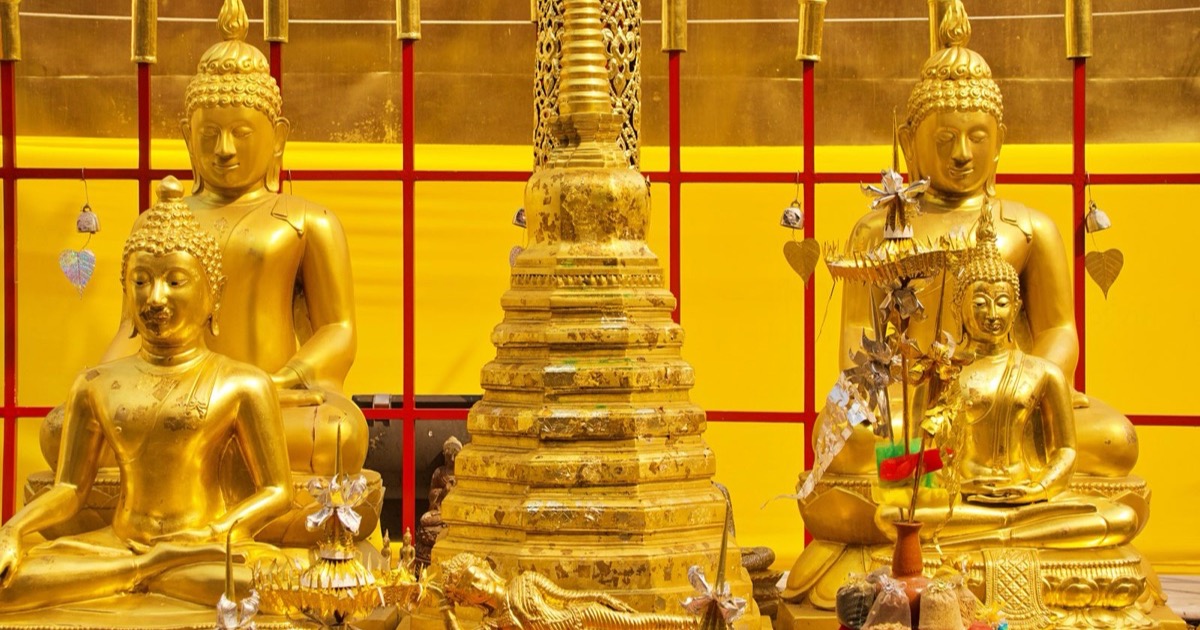
Another quiet window appears after the midday peak, roughly from 1:30 pm until the temple closes at 5:00 pm. While some pilgrims remain for afternoon prayers, the overall crowd density drops, offering a more contemplative setting for temple sunset photography. The temple’s golden stupa glows softly in the fading light, and the reduced foot traffic makes it easier to capture unobstructed shots.
Late‑night visitors can also enjoy a brief quiet moment. Although the temple officially closes at 8:00 pm, staff allow guests to linger until 9:00 pm to exit. During this hour, the mountain temple Chiang Mai becomes almost deserted, providing a rare chance to hear the distant chimes without interruption.
How early should I arrive to enjoy a peaceful visit to Doi Suthep?
Arriving before the official opening is the most reliable way to guarantee a crowd‑free experience. The gates open at 6:00 am, but the first trains of tourists typically appear around 7:00 am. By reaching the temple at 6:15 am, you can walk the steps to Wat Phra That Doi Suthep in relative silence, allowing a personal temple sunrise experience.
Early arrival also helps you navigate the temple admission fee line more efficiently. The modest fee is collected at the entrance, and the queue is shortest before the bulk of day‑trippers arrive. After paying, you can proceed directly to the main chedi without waiting behind large groups, preserving the meditative mood.
| Arrival Time | Typical Crowd Level | Advantages |
|---|---|---|
| 6:15 am – 7:00 am | Very Low | Quiet atmosphere, best for sunrise, short admission line |
| 7:00 am – 9:00 am | Low to Moderate | Good lighting for photography, still manageable crowds |
| 9:00 am – 12:00 pm | High | Full services available, but more tourists |
| 12:00 pm – 2:00 pm | Peak | Most amenities open, but busiest period |
| 2:00 pm – 5:00 pm | Moderate | Quieter, suitable for reflective walk |
| 5:00 pm – 8:00 pm | Low | Evening calm, sunset views, limited services |
Remember the temple dress code: shoulders and knees must be covered. Early visitors often find the staff more accommodating when checking attire, allowing you to adjust on the spot without delaying your peaceful start.
Are there specific days of the week when Doi Suthep is less crowded?
Weekdays generally see fewer visitors than weekends, with Tuesday and Wednesday offering the calmest conditions. Local worshippers tend to attend services on weekends and Thai public holidays, so avoiding those days reduces the likelihood of encountering large pilgrim groups.
Mid‑week mornings, especially on Tuesdays, align with the Doi Suthep off‑peak hours and provide a temple crowd free environment ideal for reflective walks. Even during the Doi Suthep sunrise visit, the number of tourists remains modest, giving you space to absorb the spiritual ambiance.
If your schedule permits, consider checking the Chiang Mai travel guide 2026 for any regional festivals that might temporarily increase attendance. Barring special events, the combination of weekday timing, early arrival, and awareness of opening and closing times ensures a peaceful experience at this iconic mountain temple.
What seasonal factors affect crowd levels at Doi Suthep Temple?
Rainy season (May‑October) brings lower visitor numbers because many travelers prefer indoor attractions or beach destinations. During these months, the temple’s stairways are slick, but the reduced traffic means you can explore Wat Phra That Doi Suthep at a slower pace, especially on weekdays. The cooler mornings of the shoulder months—late February through early April and November—also see fewer tourists, making them a sweet spot for a Doi Suthep best time to visit.
Peak season aligns with major Thai holidays such as Songkran (mid‑April) and Loy Kradong (October‑November). Domestic pilgrims flood the mountain temple, and the surrounding parking lots fill quickly. If you must travel during these festivals, aim for early‑morning slots before the main crowds arrive, as the temple opens at 6:00 am and the first wave of visitors typically appears around 7:30 am.
School vacation periods in neighboring countries (e.g., Chinese New Year in late January/early February) add another layer of traffic. During these windows, the Doi Suthep off‑peak hours shrink dramatically, and the temple’s quiet moments become limited to the very first hour after opening and the last hour before closing at 6:00 pm.
Can I see sunrise or sunset at Doi Suthep without the crowds?
The temple sunrise experience is famous, but it can be crowded if you arrive at the popular 5:30 am window. To enjoy a sunrise visit with fewer people, consider the following tactics. Arriving at the base of the mountain and walking the lower portion of the 306‑step staircase can give you a head start before the main tour buses appear. Alternatively, use the less‑known cable car from the south side; its limited capacity means you often board before the rush.
- Book a private tuk‑tuk for a pre‑dawn departure from your accommodation; this avoids the shared shuttle line that gathers at the main road.
- Target the “golden hour” a few minutes after sunrise (approximately 6:10 am in April); the light is still beautiful, and the crowd thins as early tourists begin to disperse.
- Choose a weekday in the shoulder season; Monday through Wednesday sees the lowest number of sunrise seekers.
- Carry a small, portable prayer mat and a reusable water bottle; you can settle on a quiet spot near the bell tower without needing to wait for a designated area.
- For sunset, stay after the official closing time of 6:00 pm; the temple grounds remain open for a short period, and the sky over the mountain offers striking colors with far fewer visitors.
Remember that the temple dress code—covering shoulders and knees—applies at all times, including sunrise and sunset visits. The modest attire also helps you blend in with worshippers, reducing the sense of intrusion during these serene moments.
Which routes lead to Doi Suthep Temple that avoid peak traffic?
The most direct road, Route 108, is the main artery for tourist buses and tour groups, especially during morning rush hour (7:00‑9:00 am). To bypass this congestion, take the secondary road that branches off at the San Kaeo intersection and follows the Mae Khan River valley. This route is narrower but experiences far less traffic, and it offers occasional roadside stalls where you can purchase fresh fruit or a quick snack.
Another alternative is the mountain‑side lane that begins near the Chiang Mai University campus. This road climbs gradually and merges with the main ascent just before the temple parking area. Because it is primarily used by local residents, you will encounter fewer tour buses and can often find street parking on the side of the road, freeing you from the main lot’s queues.
Public transportation options, such as the local songthaew that departs from the Chang Phuak market, also run on a staggered schedule. Boarding a songthaew that leaves after 9:30 am can help you miss the bulk of the tourist influx while still arriving well before the afternoon heat sets in.
How do temple opening and closing times influence quiet moments?
The main shrine opens its doors at 6:00 am and shuts at 6:00 pm daily. The first hour after sunrise is the most tranquil period because the chanting monks have just begun their morning prayers and most visitors have not yet arrived. During this window the air is cool, the incense smoke hangs lightly, and the view of the city below is unobstructed.
In the late afternoon, after the noon ceremony concludes, the crowd thins again. From about 5:00 pm until the final bell at 6:00 pm, the temple grounds are bathed in soft golden light, making it an ideal time for reflective photography without the bustle of the midday rush.
What dress code and etiquette help me blend in during quiet hours?
Visitors are expected to dress modestly: shoulders and knees should be covered, and shoes must be removed before stepping onto the inner courtyard. A lightweight scarf or a pair of long trousers can be carried in a small bag and slipped on when needed.
Respectful behavior enhances the experience for everyone. Speak in low tones, keep your phone on silent, and avoid pointing your feet toward the Buddha statues. When you receive alms or incense from a monk, accept it with both hands and a slight bow.
| Do | Don't |
|---|---|
| Wear a shirt with sleeves and long pants or a skirt. | Wear sleeveless tops, shorts, or mini‑skirts. |
| Remove shoes before entering the main shrine. | Leave shoes on inside the prayer hall. |
| Speak softly and move slowly. | Talk loudly or run across the steps. |
Are there any special events that make Doi Suthep busier than usual?
Thai Buddhist festivals draw large numbers of pilgrims. The full‑moon ceremony in the eighth lunar month, known locally as “Khao Phansa,” sees the temple filled with devotees lighting candles and offering incense. Similarly, the annual “Visakha Bucha” day, which commemorates the Buddha’s birth, enlightenment, and passing, brings a surge of visitors from across the region.
National holidays such as Songkran (Thai New Year) and Loy Kratong (the lantern festival) also increase foot traffic. During these periods, local families climb the mountain to make merit, and organized tours often schedule group visits, resulting in longer lines at the ticket booth and a busier atmosphere on the steps.
Expert Opinion: Local monk Phrakhru Somsak advises arriving before 7:00 am on festival days if you wish to experience the rituals without the crowds. “The early morning chants are the most authentic part of the temple’s spirit,” he says.
Practical Tips for Visiting Unknown
- Early‑Bird Ticket: Purchase your admission ticket online the night before. The QR code speeds up entry and reduces waiting time at the gate.
- Weather‑Ready Gear: Bring a compact rain poncho in the rainy season; the mountain can become misty quickly, and a dry layer keeps you comfortable.
- Cash for Donations: While the entry fee is fixed, a small cash offering is appreciated by the monks. Carry a few Thai baht in a secure pocket.
- Quiet Corridor Navigation: Use the side stairways rather than the central ramp during peak prayer times. This lets you observe without interrupting worshippers.
- Photography Timing: Set your camera to a low ISO and use a tripod for sunrise shots. The light is soft and the temple’s golden spire reflects nicely.
- Local Transport Sync: Align your songthaew departure with the temple’s last bell at 6:00 pm. Drivers often wait a few minutes for late arrivals, giving you a hassle‑free return.
- Refreshment Strategy: Pack bottled water and a light snack. Vendors near the entrance open later, and staying hydrated helps you enjoy the higher altitude.
Sources & Further Reading
Frequently Asked Questions About Unknown
What are the official opening hours of Doi Suthep Temple?
The temple opens its gates each day at 6:00 am and closes at 6:00 pm, allowing visitors to experience the site in both morning light and evening shadows. During the cooler months, the staff may extend the opening by a few minutes, but the official schedule remains consistent throughout the year. Early visitors often find the most peaceful period at the temple just after sunrise, when the chanting has not yet begun and the crowds are minimal. It is advisable to arrive at least 30 minutes before the official opening if you plan to be among the first inside.
When is the last entry allowed before the temple closes?
The final admission is typically permitted at 5:30 pm, giving guests roughly half an hour to explore the main shrine and the surrounding terraces before the gates are locked. After this cutoff, the staff begin closing rituals, which include turning off lanterns and securing the sanctuaries. If you arrive after the last entry time, you will still be able to view the exterior architecture from the parking area, but access to the inner prayer hall will be denied. Plan your departure accordingly to avoid missing the sunset view from the hilltop.
Which months are considered low season for visitors at Doi Suthep?
Low season generally aligns with the rainy period from May through October, when afternoon showers reduce the number of tourists. During these months, the temple sees a noticeable dip in attendance, especially on weekdays, creating a more contemplative atmosphere. The cooler temperatures also make the climb up the steps more comfortable, though you should bring a waterproof jacket. Even in low season, the temple remains open daily, and the monsoon does not affect the entrance fee.
Are there any weekday patterns that make the temple quieter?
Monday and Tuesday mornings are traditionally the calmest, as most travelers schedule weekend trips and local worshippers tend to attend later in the week. Arriving before 8:00 am on these days often grants you the quietest time at Doi Suthep, with minimal queues at the ticket booth and fewer photographs being taken. Mid‑week afternoons can also be relatively empty, especially after the lunch rush in Chiang Mai city. Avoiding Thai public holidays and school vacation periods further reduces the chance of crowds.
How long does it take to reach the temple from Chiang Mai city center?
By car or taxi, the ascent from the city center to the temple takes roughly 20–30 minutes, depending on traffic conditions on Suthep Road. During peak rush hour, the journey can extend to 45 minutes, so early morning departures are recommended for a smoother ride. Public songthaews follow a regular schedule and may add a few extra minutes due to stops along the way. If you choose to cycle, expect a 45‑minute to one‑hour effort, as the route includes steep sections.
Is there a fee for entering Doi Suthep Temple and does it change seasonally?
Entrance fees are modest: Thai nationals pay 30 baht, while foreign visitors are charged 50 baht, and the price remains constant throughout the year. The fee includes access to the main shrine, the museum, and the surrounding gardens, but does not cover optional donations for the monks. There are no seasonal discounts or surcharges, even during the low‑season months. Children under the age of six are admitted free of charge.
What transportation options are best for a quiet visit to Doi Suthep?
For the most tranquil experience, hiring a private car or arranging a private tuk‑tuk early in the morning allows you to bypass the crowds that gather around the songthaew stops. If you prefer a more local feel, taking the first songthaew of the day (usually around 6:30 am) can still be relatively quiet before the main tourist wave arrives. Cycling is another peaceful alternative, as it lets you control your pace and stop at viewpoints without disturbing other visitors. Regardless of the mode, aim to leave the city before 7:00 am to enjoy the quietest time at Doi Suthep.
Can I bring food or drinks to enjoy during a peaceful visit?
Food and drinks are not permitted inside the main prayer hall or the immediate shrine area out of respect for religious practices. However, there are designated rest areas near the parking lot where you may consume a light snack or bottled water. Keep your consumption discreet and clean up any waste, as the temple grounds are maintained by volunteers. Bringing a small thermos of tea can be especially comforting during the cooler mornings when the site is at its most serene.
Visiting Doi Suthep with an eye toward timing and logistics can transform a routine sight‑seeing trip into a reflective retreat. By targeting the quietest time at Doi Suthep, you give yourself space to appreciate the architecture, the views, and the subtle rhythms of daily worship. Use the practical tips above to plan your journey, and you’ll leave with a deeper sense of connection to this iconic hilltop sanctuary. Safe travels, and may your visit be both peaceful and inspiring.
Plan your trip
Tours, tickets & activities
Browse and book experiences, attraction tickets and day trips on Klook, with instant confirmation.
Explore experiences on KlookWe may earn a commission from bookings made through this link, at no extra cost to you.
Reviewed by our editor for Asia & the Middle East
Sarah ChenAsia & Middle East Editor
Travel writer covering Southeast Asia, East Asia and the Gulf — temples, street food and modern cities.
More articles by Sarah Chen →