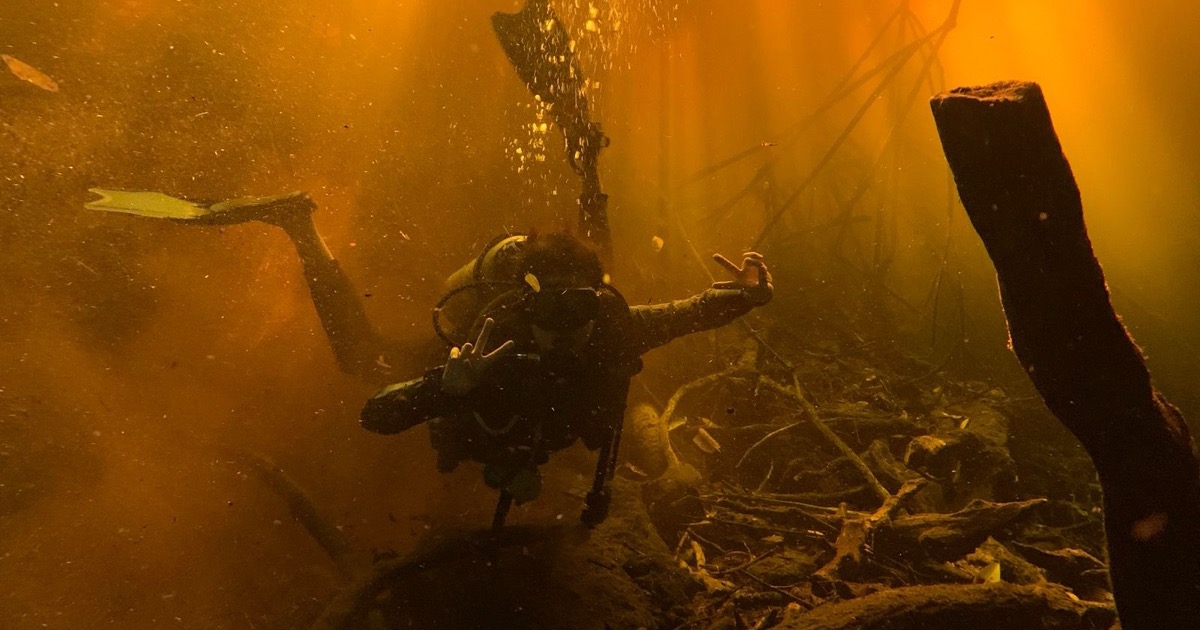

Private cenote diving Cancun offers a rare blend of crystal‑clear freshwater, dramatic limestone walls, and the quiet that only an underground world can provide.
Private cenote diving Cancun offers a rare blend of crystal‑clear freshwater, dramatic limestone walls, and the quiet that only an underground world can provide. For travelers who crave a personalized underwater adventure, a private guide can tailor the dive to skill level, time constraints, and curiosity about the region’s geology. Knowing the cost structure before you book helps you allocate budget for gear, certification upgrades, and the unforgettable moments that await beneath the jungle canopy. This guide breaks down the typical price range, the variables that shift those numbers, and the top cenotes where a private scuba experience shines.
How much does a private cenote diving tour in Cancun usually cost?
In 2026 the baseline price for a private cenote dive departing from Cancun falls between US$180 and US$260 per person for a single‑tank outing. This fee typically includes a certified private instructor, basic dive gear (mask, fins, regulator), transportation from your hotel to the cenote, and a short briefing on safety and the site’s unique features. If you add a second tank or an underwater photography package, expect the total to rise by roughly $40‑$70 per additional service.
Groups that reserve a semi‑private arrangement—two to four divers sharing a guide—often see a modest discount, with the per‑person cost dropping to the low‑$150s. However, the savings are offset by shared equipment and less individualized attention, which can be a consideration for those needing extra coaching on cave‑diving techniques. For certified divers seeking a full‑day immersion that covers multiple cenotes, all‑inclusive packages can range from $350 to $500 per person, reflecting longer boat transfers, multiple tanks, and sometimes a catered lunch.
What factors influence the price of a private cenote dive in Cancun?
Seasonality plays a noticeable role. The high tourist months of December through April bring higher demand for private tours, prompting operators to raise rates by up to 15 %. Conversely, the shoulder months of May and November often feature promotional pricing, especially for groups that book at least a week in advance.
Certification level is another key driver. Divers holding an advanced open‑water or cave‑diving certification may qualify for reduced rates because they require less instructional time. Beginners, on the other hand, must undergo a more extensive safety briefing and possibly a confined‑water session, which adds to the overall cost.
Equipment preferences also affect the bill. While most operators provide standard gear, renting premium or technical equipment—such as a rebreather, dry‑suit, or extra lighting for deep chambers—can add $50‑$120 per dive. Finally, the specific cenote matters; sites with extensive tunnel systems or those located farther from the main resort corridor incur higher transportation fees.
| Factor | Typical Impact on Price | Notes |
|---|---|---|
| Season (High vs. Low) | +10‑15 % during peak months | December‑April see higher demand. |
| Group Size | ‑5‑10 % for 2‑4 divers | Shared guide reduces per‑person cost. |
| Certification Level | ‑5 % for advanced/open‑water | Less instructional time required. |
| Equipment Rental | +$50‑$120 for premium gear | Includes rebreathers, dry‑suits, extra lights. |
| Cenote Location | +$20‑$60 for remote sites | Longer transfer distances increase fees. |
Which cenotes near Cancun are best for private scuba diving experiences?
Among the most popular choices is Cenote Dos Ojos, renowned for its twin underwater passages that stretch for more than 60 meters. Its clear visibility, gentle currents, and a series of natural arches make it ideal for a private instructor to guide divers through both beginner‑friendly sections and deeper caverns for certified cave divers.
Another standout is Cenote Angelita, famous for its “cloud” effect created by a halocline that separates fresh and salt water. The surreal visual makes it a favorite for photographers, and the calm environment lends itself to a relaxed, one‑on‑one dive where the guide can explain the science behind the phenomenon.
For those seeking a more secluded setting, Cenote Carwash (also known as Aktun Ha) offers a quieter atmosphere with fewer daily visitors. Its shallow entrance leads to a larger cavern where divers can practice buoyancy control and explore stalactite formations without the pressure of crowds, making it a perfect venue for a private, instructional session.
Do I need a special certification to dive privately in Cancun’s cenotes?
Most operators that run private cenote dive tours require divers to hold a basic Open Water certification as a minimum. Because cenotes are essentially underwater caves, the environment introduces overhead environments, limited visibility, and potential entrapment hazards that differ from open‑water reef dives. Consequently, many dive shops ask for an additional cave or cavern endorsement—commonly the “Tec 40” (Technical 40 m) or “Cavern” certification from agencies such as PADI, NAUI, or SSI. If you have completed a cavern specialty course, you’ll be cleared to explore the shallower sections (typically up to 18 m) without further paperwork.
For divers who possess only an Open Water license, a short pre‑dive briefing can sometimes suffice, especially on the more beginner‑friendly cenotes like Cenote Azul or Cenote Dos Ojos (cavern‑only zones). However, the briefing is limited to safety protocols, hand signals, and depth limits. Should you wish to venture into the deeper, more complex passages—those that require line‑following and overhead navigation—most providers will insist on a recognized cave certification. This policy protects both the diver and the operator, ensuring that participants have the training to manage potential disorientation and to use the required equipment correctly.
| Certification Level | Typical Requirement | Access Granted |
|---|---|---|
| Open Water Diver | Basic certification, no specialty | Shallow cavern dives (≤18 m) in select cenotes |
| Cavern Diver (Tec 40 or equivalent) | Advanced Open Water + cavern specialty | All cavern zones, limited to 40 m depth |
| Full Cave Diver | Advanced Open Water + full cave specialty | Deep cave passages, line‑required sections, up to 60 m |
What equipment is included in a private cenote diving package?
Private cenote dive operators typically bundle a complete set of gear designed for the unique conditions found beneath the limestone roofs. The core package includes a full‑face or standard mask, a comfortable wetsuit (often 5 mm for the cooler subterranean water), a regulator with a low‑flow valve, a 12‑liter aluminum tank, and a buoyancy control device (BCD) calibrated for the denser freshwater environment. Because natural light is scarce, most tours also provide high‑intensity LED dive lights—usually two per diver—to ensure clear visibility along the walls and in the deeper chambers.
Beyond the basics, many companies add safety and convenience accessories at no extra charge. Redundant air supplies (an octopus or pony bottle), a reel with a weighted line for navigation, and a dive computer pre‑loaded with the cenote’s depth limits are standard. Some operators also offer a waterproof camera housing for those who want to capture the crystal‑clear formations, as well as a small dry bag for personal items. The equipment is regularly serviced and inspected, adhering to local regulations and international dive safety standards.
- 5 mm full‑body wetsuit (or dry‑suit in colder cenotes)
- Regulator with low‑flow valve and octopus backup
- 12‑liter aluminum tank (or twin tanks for deeper dives)
- LED dive lights (dual‑light setup per diver)
- Reel and weighted line for navigation
- Redundant air source (pony bottle or stage tank)
- Waterproof camera housing (optional add‑on)
Can I customize the duration and depth of a private cenote dive?
Most private cenote dive outfits allow clients to tailor the length of the underwater experience to fit their schedule and stamina. A standard half‑day tour typically lasts around three hours, including travel, gear fitting, a safety briefing, and two dives of 30–45 minutes each. If you prefer a shorter session, operators can condense the itinerary to a single dive of 20–30 minutes, which is ideal for beginners or travelers with limited time. Conversely, experienced divers can request an extended itinerary that adds a third dive or allocates extra time for exploring additional chambers within the same cenote.
Depth customization follows a similar flexible model but remains bounded by certification levels and the physical limits of each cenote. For divers holding a cavern endorsement, the maximum depth is usually capped at 40 m, and the guide will plan the dive profile accordingly. Full cave‑certified participants may be taken to sections reaching 60 m, provided the site’s conditions permit it on the day of the dive. Operators will always adjust the dive plan to match your certification, comfort level, and the current water temperature, ensuring a safe and enjoyable experience.
How do I find reputable private cenote dive operators in Cancun?
Start by consulting the official Mexican tourism portal, which maintains a registry of licensed dive centers that operate in the Riviera Maya. The registry confirms that each business holds a current permit from the Secretaría de Turismo and that its instructors possess certification from recognized agencies such as PADI, NAUI, or SSI. A permit number can be cross‑checked online, providing a quick way to verify legitimacy before you commit to a reservation.
Next, examine online reviews that focus specifically on cenote experiences rather than general resort feedback. Platforms that allow detailed comments—such as dive‑specific forums, TripAdvisor’s “Cenote Diving” subcategory, and social media groups dedicated to underwater exploration—often reveal patterns in service quality, equipment maintenance, and guide professionalism. Look for repeated mentions of punctuality, clear briefings, and respectful handling of the delicate cavern environment.
Finally, request a written outline of what the private tour includes. A reputable operator will provide a breakdown of equipment (tanks, regulators, wetsuits, lights), the number of dive guides, emergency procedures, and any additional amenities such as transport from your hotel. Transparency in pricing and itinerary signals confidence in their own standards and helps you avoid hidden fees.
What safety measures are taken during private cenote dives?
Before you descend, the dive team conducts a thorough equipment inspection. Regulators are tested for proper airflow, tanks are checked for pressure integrity, and dive lights are verified for full battery life. All gear is either owned by the operator or supplied by a certified rental house, ensuring that it meets the latest industry specifications.
The pre‑dive briefing is tailored to the specific cenote you will explore. Guides cover depth limits, the layout of the cavern, potential hazards such as low‑visibility zones, and the agreed‑upon hand signals for communication in confined spaces. Divers are reminded to maintain proper buoyancy to protect the fragile limestone formations and to stay within the planned route.
- Each guide holds a current cave diving certification and a local first‑aid/CPR credential.
- Two‑way communication devices are available for surface support, allowing immediate contact if a problem arises.
- Emergency oxygen kits are positioned at the entrance of every cenote used for private tours.
- Standard operating procedures include a mandatory buddy check and a double‑check of dive plans before entry.
- All divers must present a valid open‑water certification; those lacking cave‑specific training are paired with an instructor for the duration of the dive.
- Rescue drills are performed on land prior to the first dive of the day to ensure readiness.
- Weather and water conditions are monitored in real time; dives are postponed if visibility drops below a safe threshold.
Should an incident occur, the operator’s emergency response plan outlines rapid evacuation routes, coordination with local medical facilities, and the availability of a standby boat equipped with a stretcher and additional air supplies.
Are there any seasonal considerations for private cenote diving in Cancun?
The rainy season, typically running from June through October, brings higher water tables that can raise the water level inside many cenotes. While this can improve visibility in some locations, it may also increase the risk of sudden surface runoff, which can affect water clarity and temperature. Operators often adjust dive times to avoid the afternoon downpours that are common during this period.
Conversely, the dry season—from November to May—offers more predictable conditions. Water temperature remains relatively stable, ranging between 24 °C and 27 °C, allowing divers to use a 5 mm wetsuit comfortably. However, the peak tourist months of December and January can lead to higher demand for private tours, meaning that booking well in advance is advisable to secure preferred dates and guides.
Another factor to consider is the phenomenon of “karst flooding” that occasionally occurs after prolonged heavy rain. In such cases, some cenotes may be temporarily closed for safety reasons. Reputable operators keep an updated schedule and will propose alternative sites or reschedule without penalty if a closure is announced.
Is transportation from Cancun hotels to cenotes included in private dive packages?
Most operators that specialize in private cenote excursions bundle ground transport with the dive itinerary. A typical arrangement features an air‑conditioned vehicle that departs from the guest’s resort early in the morning, carries all necessary equipment, and returns after the final dive. The driver usually holds a commercial license and is familiar with the routes to popular sites such as Dos Ojos, Gran Cenote, and Angelita, ensuring a punctual schedule even when traffic spikes during peak tourist periods.
Some providers differentiate between standard and premium transport options. The standard service covers the basic round‑trip and may limit stops to one or two cenotes per day. Premium packages often add a larger van for groups exceeding six divers, a dedicated guide who can point out surface landmarks, or the ability to visit more remote locations that require longer travel times. When evaluating a quote, verify whether fuel surcharges, tolls, or parking fees are already accounted for, as these can affect the final cost.
How can I book a private cenote dive in advance for the upcoming travel season?
Securing a slot before the high‑season rush (December through April) requires a proactive approach. Begin by compiling a shortlist of reputable dive shops that emphasize safety certifications such as PADI or NAUI and have a track record of operating in the Riviera Maya. Most businesses host an online reservation portal where you can select the desired cenote, indicate the number of participants, and specify any special requirements like nitrox or underwater photography assistance.
After selecting a provider, confirm the reservation through a written agreement that outlines the dive plan, equipment inclusions, cancellation policy, and any additional fees for transportation or private instruction. Payment is typically split between a non‑refundable deposit (often 30 % of the total) and the balance due a week before the dive date. For travelers coordinating multiple activities, it is advisable to lock in the dive slot at least four weeks ahead, especially if the itinerary includes a reef dive on the same day.
Sources & Further Reading
Frequently Asked Questions
What is the average price range for a private cenote dive in Cancun?
In 2026, private cenote experiences generally fall between US$250 and US$550 per diver, depending on the number of participants, the chosen cenote, and the inclusion of extras such as transportation, professional photography, or extended underwater time. Smaller groups tend to be on the higher end of the spectrum because the operator’s costs are spread across fewer guests.
Do private cenote dive tours include gear rental?
Yes, most private tours bundle full scuba equipment in the quoted price. This typically comprises a regulator set, buoyancy control device, wetsuit appropriate for the water temperature, and a dive computer. Some operators also provide backup gear for emergencies, while others may charge an additional fee for specialized items like dry suits or underwater lights.
Can beginners join a private cenote diving session?
Beginner divers are welcome on private outings, provided they hold a current open‑water certification and have completed at least five logged dives. The instructor will tailor the dive plan to the group’s skill level, often selecting a cenote with gentle currents and clear visibility to facilitate a comfortable learning environment.
How long does a typical private cenote dive last?
A standard private session includes two dives of approximately 40 minutes each, with a surface interval of 20–30 minutes between them. The total time on site, including gear preparation and safety briefings, usually ranges from three to four hours. Operators can extend the dive duration for advanced groups, though this may incur extra costs.
Are there age restrictions for private cenote diving in Cancun?
Most dive shops enforce a minimum age of 10 years for participants who possess a junior open‑water certification. Adults over the age of 65 are generally accepted, but they may be asked to provide a recent medical clearance to ensure they can handle the physical demands of an underwater cave environment.
What payment methods are accepted by private cenote dive operators?
Credit cards (Visa, MasterCard, American Express) dominate the payment landscape, and many businesses also accept major digital wallets such as PayPal or Apple Pay. Some smaller operators may still prefer bank transfers or cash, especially for last‑minute bookings, so it is prudent to confirm acceptable methods during the reservation process.
Can I combine a private cenote dive with a reef dive in the same day?
Combining both experiences is feasible when the itinerary allows sufficient recovery time between dives. A common approach is to schedule the reef dive in the morning, followed by a short break, and then head to the cenote for the afternoon session. Operators who offer all‑inclusive packages often coordinate transportation and equipment swaps to streamline the transition.
Is travel insurance required for private cenote diving?
While not legally mandatory, most reputable dive operators strongly recommend that participants carry travel insurance covering scuba activities. Policies that include medical evacuation and dive‑related incidents provide an extra layer of protection in the unlikely event of an underwater emergency.
How far in advance should I book a private cenote dive?
During the peak season, securing a reservation four to six weeks ahead is advisable to guarantee availability, especially for popular cenotes like Angelita. In the shoulder months (May, October, November) a two‑week lead time often suffices, though booking early still offers the advantage of more flexible scheduling.
What should I bring to a private cenote diving adventure?
Beyond the standard swimwear and towel, pack a change of clothes, waterproof sunscreen, a reusable water bottle, and a small dry bag for personal items. If you have a personal underwater camera, bring spare batteries and memory cards, but remember that many operators supply lighting equipment and can assist with photography setups.
Plan your private cenote dive with attention to transport details, certification requirements, and booking timelines to ensure a smooth and rewarding experience. A well‑organized approach lets you focus on the unique underwater scenery without unexpected interruptions.
Reviewed by our editor for the Americas & practical travel
James CarterAmericas & Practical Travel Editor
Travel writer covering the Americas plus the practical side of travel — budgets, eSIMs, visas and logistics.
More articles by James Carter →