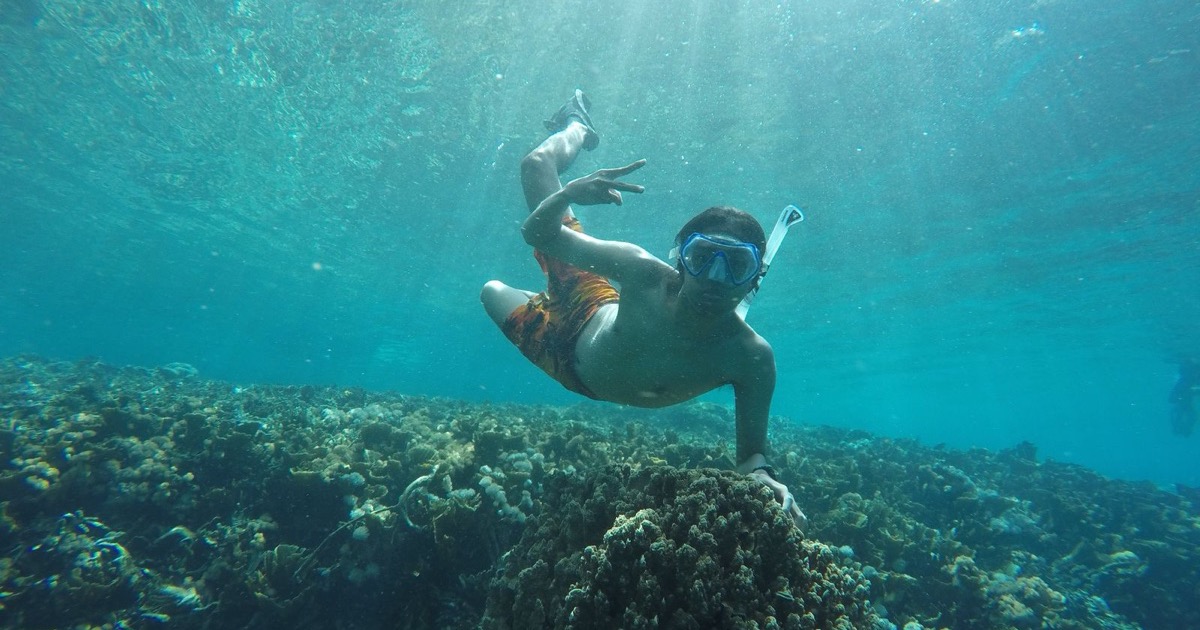

Finding the best snorkeling operator Cancun can feel like searching for a pearl in a sea of options, but the right choice transforms a simple day on the water into a…
Finding the best snorkeling operator Cancun can feel like searching for a pearl in a sea of options, but the right choice transforms a simple day on the water into a vivid encounter with marine life, colorful reefs, and unforgettable scenery. From the crystal‑clear waters around Isla Mujeres to the sculpted wonders of the MUSA underwater museum, the quality of your guide, gear, and itinerary will dictate how much you see and enjoy. Below, we break down the essential factors, equipment standards, and price ranges that help you pick a tour that matches your expectations and budget.
What factors should I consider when choosing a snorkeling operator in Cancun?
First, examine the credentials of the staff. Operators that employ PADI certified guides or instructors with equivalent training typically provide safer briefings, better crowd control, and more insightful commentary on marine ecosystems. Look for reviews that mention guide knowledge of local species such as sea turtles, reef fish, and occasional manta rays.
Second, evaluate the size of the group. Small‑boat tours (max 12 guests) allow for a more relaxed pace, easier access to prime snorkeling spots, and a lower likelihood of overcrowding the reef. Larger vessels can accommodate families but may limit your time at each site, which matters if you’re aiming for thorough Cancun reef snorkeling or a visit to the MUSA underwater museum.
Finally, consider the range of destinations offered. A well‑rounded operator will include classic routes like Isla Mujeres snorkeling and cenote snorkeling, while also providing optional extensions such as a Cozumel day trip or a family‑friendly excursion to calm lagoon areas. Flexibility in itinerary often signals a commitment to catering to different skill levels and interests.
Which Cancun snorkeling tours offer the best equipment and gear?
High‑quality gear makes a huge difference in comfort and visibility. Look for operators that supply full‑face masks or low‑volume snorkels, well‑maintained fins, and reef‑safe sunscreen. Some companies also provide rash guards and waterproof bags, which are especially useful for families with young children.
Another indicator of gear excellence is the maintenance routine. Operators that perform daily inspections, replace worn straps, and keep equipment in a clean, salt‑free environment reduce the risk of leaks and eye irritation. When reviews mention “crystal‑clear lenses” and “snug, comfortable fins,” it’s a good sign the provider prioritizes snorkel gear quality.
| Operator | Gear Quality | Guide Certification | Typical Sites | Approx. Price (USD) |
|---|---|---|---|---|
| Manta Divers | Premium full‑face masks, reef‑safe gear | PADI 5‑Star | Isla Mujeres, MUSA, cenotes | $80–$100 |
| Coconut Divers | High‑grade masks & fins, daily checks | PADI 4‑Star | Cancun reef, Cozumel day trip | $75–$95 |
| Aqua Adventures | Standard gear, optional upgrades | PADI Certified | Isla Mujeres, marine sanctuary | $65–$85 |
| Blue Reef Snorkel | Mid‑range gear, family kits | Certified local guides | Family‑friendly lagoon, cenotes | $70–$90 |
While price is a factor, the value derived from superior equipment often outweighs a modest premium. Operators that bundle gear upgrades with guide services tend to deliver a smoother, more enjoyable experience, especially for first‑time snorkelers or those with sensitive eyes.
How do prices compare among the top snorkeling operators in Cancun?
Pricing for Cancun snorkeling tours typically falls between $60 and $110 per person, depending on the length of the outing, inclusions, and destination complexity. Shorter reef trips that stay close to the hotel zone are on the lower end, whereas full‑day excursions that incorporate multiple sites—such as an Isla Mujeres snorkeling circuit combined with a visit to the MUSA underwater museum—command higher rates.
Family‑friendly packages often provide a per‑person discount when four or more guests book together, making a day for two adults and two children comparable in cost to a single adult ticket on a premium tour. Some operators also offer “all‑inclusive” pricing that covers meals, drinks, and optional gear upgrades, which can simplify budgeting for travelers who prefer a single upfront fee.
When comparing snorkeling tour prices Cancun, look beyond the headline number. Hidden fees for transportation, park entrance, or equipment rentals can inflate the total cost. Transparent operators list everything on their booking page, allowing you to weigh the true value of each experience against your budget and expectations.
Which operators provide guided tours with marine‑life expertise?
Travelers who want more than a surface glide benefit from guides who can identify the myriad of species that populate the Mesoamerican Barrier Reef. Operators that employ certified marine‑biology instructors or seasoned naturalists typically deliver richer narratives, point out seasonal migrations, and help snorkelers respect the delicate ecosystems they encounter.
Among the most reputable choices, Manta Divers limits its groups to six participants, allowing the guide to pause for detailed explanations of spiny lobster behavior or the feeding patterns of spotted eagle rays. Coconut Divers follows a similar model, pairing each snorkeler with a bilingual guide who holds a PADI Specialty in Reef Conservation. Cancun Snorkel Adventures offers a slightly larger format—up to twelve guests—but compensates with a rotating roster of marine‑science graduates who keep the commentary fresh. Blue Wave Tours, while operating a larger fleet, assigns a dedicated “reef specialist” to each boat, ensuring that even in a group of fifteen, individual questions are addressed.
| Operator | Guide Credentials | Group Size | Approx. Price (USD) |
|---|---|---|---|
| Manta Divers | PADI‑certified marine‑biology instructor | 6 | 120 |
| Coconut Divers | Marine‑science graduate, bilingual | 8 | 110 |
| Cancun Snorkel Adventures | PADI Specialty: Reef Conservation | 12 | 95 |
| Blue Wave Tours | Certified reef specialist | 15 | 85 |
Are there eco‑friendly snorkeling tours available in Cancun?
Eco‑conscious travelers will find several operators that embed sustainability into every aspect of their outings. These companies prioritize low‑impact vessels, reef‑safe products, and community‑based conservation projects, turning a day on the water into a contribution toward the long‑term health of the reef.
Choosing an environmentally responsible tour often means paying a modest premium for practices such as carbon offsetting, reusable equipment, and educational briefings that stress responsible behavior. The result is a more mindful experience that supports local marine reserves and the people who protect them.
- Carbon‑neutral boat fleet powered by bio‑fuel blends.
- Reusable, reef‑safe snorkeling gear provided on a per‑tour basis.
- Mandatory briefings on coral etiquette and marine‑life interaction.
- Part of the fee donated to regional NGOs focused on reef restoration.
- Plastic‑free snack packs featuring locally sourced, biodegradable packaging.
- Biodegradable reef markers used to identify vulnerable zones without harming the substrate.
- Post‑tour beach clean‑up participation encouraged for all guests.
Which snorkeling tours include visits to Isla Mujeres and the MUSA museum?
Isla Mujeres, with its calm waters and abundant sea‑turtles, pairs naturally with the underwater sculpture park of the Museo Subacuático de Arte (MUSA). Operators that combine both attractions usually schedule a morning departure, allowing ample time to explore the island’s southern shoreline before heading to the submerged installations.
Manta Divers runs a full‑day itinerary that drops guests at Punta Sur for a brief beach walk, then transports them to the MUSA site where guides explain the artistic intent behind each sculpture and its role in reef regeneration. Cancun Snorkel Adventures offers a similar route, adding a stop at the famous Garrafón Reef for a quick swim with colorful sergeant majors before the museum dive. Blue Wave Tours provides a budget‑friendly alternative, using a larger catamaran that shuttles directly from the hotel zone to the museum, with a short side trip to the north‑side of Isla Mujeres for turtle sightings.
All three tours supply underwater cameras, reef‑safe sunscreen, and a certified guide who can point out the hidden details of the submerged artwork—such as the way the bronze figures encourage coral colonization. The combination of island relaxation and artistic underwater exploration makes these packages especially popular among families and photography enthusiasts.
How can I find family‑friendly snorkeling operators in Cancun?
Travelers with children should start by checking whether a tour provider advertises shallow, reef‑protected zones such as the waters off Isla Mujeres or the cenotes that have been adapted for snorkelers. Operators that supply child‑size masks, fins and flotation vests make the experience smoother for younger guests and reduce the time spent on gear adjustments.
Look for companies that limit group size to no more than ten participants per boat. Smaller groups allow guides to keep a closer eye on kids, pause for breaks, and tailor the itinerary to a pace that suits families. Many reputable outfits also partner with local hotels to offer pick‑up and drop‑off services, which removes the hassle of coordinating transport.
Certification matters. Providers holding PADI or NAUI accreditation are required to train staff in basic rescue techniques and to follow industry‑wide child‑safety standards. Reading recent traveler reviews on platforms that aggregate user feedback can reveal how well an operator handles unexpected situations, such as sudden changes in sea conditions or a child’s discomfort.
What safety measures do Cancun snorkeling operators follow?
Safety protocols in the region have become more rigorous as tourism volume grows. Most operators begin each outing with a comprehensive equipment check, confirming that masks seal properly, snorkels are clear, and fins are secure. Guides then conduct a brief on‑water orientation that covers hand signals, buddy systems and the location of safety equipment on board.
Weather monitoring is continuous; many companies subscribe to marine forecasting services that alert them to wind shifts, currents or sudden storms. If conditions exceed predetermined thresholds, the tour is postponed or redirected to a calmer site. Emergency preparedness extends beyond the water, with certified first‑aid kits, life jackets for every passenger and a clear evacuation plan that includes contact with local coast guard stations.
- Pre‑departure equipment inspection and fit‑adjustment for each guest.
- Mandatory briefings on hand signals, buddy responsibilities and depth limits.
- Real‑time weather and sea‑state monitoring using professional marine apps.
- Provision of US‑type life jackets, especially for children and non‑swimmers.
- On‑board first‑aid kits and staff trained in CPR and basic marine rescue.
- Defined communication protocol with nearby coast guard and medical facilities.
- Post‑snorkel debrief to address any concerns and collect feedback.
Do any Cancun snorkeling operators offer private or small‑group experiences?
Yes, several operators cater specifically to guests who prefer a more intimate setting. Private charters typically use smaller vessels—often a 15‑foot catamaran or a motorized inflatable—that can accommodate anywhere from two to six snorkelers. This arrangement allows travelers to select their own departure time, choose between sites like the MUSA underwater museum or the coral formations off Cozumel, and linger at locations where marine life is most active.
Small‑group tours, usually limited to eight participants, strike a balance between exclusivity and cost efficiency. Guides on these outings often have advanced knowledge of local ecosystems and can point out seasonal species, such as sea turtles nesting near the reef or schools of snapper that appear during the early morning.
Booking a private or small‑group experience typically involves contacting the operator directly through their website or via a reputable travel agency. Early reservations are advisable during peak months, as demand for these personalized options rises sharply. The added flexibility often justifies the modest premium over larger, shared tours.
How do I book a snorkeling tour in Cancun for 2026?
Most operators run a simple online reservation system that accepts major credit cards and PayPal. After selecting a date, you will usually be asked to confirm the number of participants, any special needs (e.g., wheelchair access or dietary restrictions for onboard snacks), and whether you prefer a private or shared boat. A confirmation email follows within minutes, often with a PDF voucher that you can show to the guide on the day of the trip.
If you prefer a face‑to‑face interaction, the concierge desk at most all‑inclusive resorts can secure a spot for you, sometimes at a slightly higher rate that includes a complimentary drink. Smaller boutique hotels and hostels often partner with local operators, allowing you to book directly at the front desk or via a QR code displayed on a notice board. For last‑minute travelers, a quick phone call to the operator’s office—many list a toll‑free number on their website—can lock in any remaining capacity, though you may be asked to pay a larger deposit.
What is the best time of year for snorkeling in Cancun?
The clearest water and calmest seas generally occur from late November through early April. During these months the Caribbean current pushes warm, nutrient‑rich water past the Mesoamerican Barrier Reef, creating excellent visibility for spotting colorful sponges, sea turtles, and schools of snapper. Early morning departures are especially rewarding because winds are lighter and the sun is lower on the horizon, reducing surface glare.
May through October brings higher humidity, occasional afternoon showers, and a greater chance of tropical storms. While the water remains warm enough for comfortable snorkeling, visibility can drop and boat schedules may be disrupted. If you travel during the rainy season, consider booking a tour that includes a backup activity such as a cenote dip, ensuring you still get a memorable day even if the sea turns rough.
Sources & Further Reading
Frequently Asked Questions
How far in advance should I book a snorkeling tour in Cancun?
During peak winter months, reserving at least three weeks ahead secures the best time slots and often locks in lower prices. In the shoulder seasons—late spring and early fall—a one‑week lead time is usually sufficient, as operators have more flexibility. For last‑minute trips, expect to pay a premium or be limited to group tours that fill remaining seats.
What is included in the price of a typical Cancun snorkeling tour?
Most standard packages cover round‑trip transportation from a central meeting point, a certified guide, and all snorkeling equipment (mask, snorkel, fins, and a flotation vest). Some operators add a light snack, bottled water, and a short safety briefing. Optional extras such as a marine‑life guidebook, underwater photography, or a reef‑preservation donation are usually listed separately.
Do I need to bring my own snorkel gear or is it provided?
Reputable companies supply clean, well‑maintained gear that fits a range of body types. Bringing personal equipment is optional and can be helpful if you have a custom‑fit mask or prefer a particular fin style. If you decide to use your own gear, double‑check that it meets the operator’s safety standards and that you have a backup in case of loss.
Are there age or swimming ability requirements for Cancun snorkeling tours?
Children under six are rarely allowed on open‑water tours, while most operators set a minimum age of eight with parental supervision. All participants must be comfortable in the water, able to float unaided, and capable of swimming at least 25 meters. Some companies offer a brief in‑water test before departure to ensure safety.
Can I combine a snorkeling tour with a visit to a cenote or other attractions?
Many operators design half‑day itineraries that pair reef snorkeling with a cenote swim, providing a contrast between salty and fresh water environments. These combined tours typically start early, spend two to three hours on the reef, and then head inland for a short cenote visit before returning to the hotel in the late afternoon. Check the itinerary details when you book to confirm the exact schedule.
What marine life can I expect to see on a Cancun snorkeling tour?
The Mesoamerican Barrier Reef hosts a diverse community that includes nurse sharks, reef rays, and occasional dolphin pods. Colorful fish such as queen angelfish, yellowtail snapper, and the iconic parrotfish are common sights. Seasonal migrations bring sea turtles—especially loggerheads and hawksbills—into the shallower lagoons, while late summer may reveal schools of manta rays near the MUSA sculpture site.
Are there discounts for groups or families on Cancun snorkeling tours?
Most operators offer tiered pricing: a reduced rate per person for groups of ten or more, and a family package that includes two adults and up to three children at a bundled price. Discounts are usually applied at the time of booking and may be combined with early‑bird promotions, but they rarely stack with other coupons.
How do I know if a snorkeling operator is environmentally responsible?
Look for certifications from organizations such as the Marine Stewardship Council or local marine‑park authorities. Operators that practice “no‑touch” policies, provide reef‑safe sunscreen, and participate in regular coral‑restoration dives demonstrate a commitment to sustainability. Reading recent traveler reviews can also reveal whether the company actively educates guests about protecting the ecosystem.
What is the cancellation policy for most Cancun snorkeling tours?
Standard policies allow a full refund up to 48 hours before the scheduled departure, after which a 50 % charge is typical. During the hurricane season, many operators extend the refund window to 72 hours and may offer a reschedule credit if the tour is canceled due to weather. Always verify the exact terms on the booking page before confirming.
Is travel insurance required for snorkeling activities in Cancun?
While not mandatory, many operators recommend a policy that covers water‑sports accidents and medical evacuation. If you already have a comprehensive travel plan, check whether it includes “adventure sport” coverage; otherwise, a modest add‑on can provide peace of mind at a low cost. Having proof of coverage can also speed up any claim process should an incident occur.
Plan your reservation early, match your travel dates with the optimal season, and choose an operator that balances safety, equipment quality, and environmental stewardship for a smooth and memorable snorkeling experience in Cancun.
Reviewed by our editor for the Americas & practical travel
James CarterAmericas & Practical Travel Editor
Travel writer covering the Americas plus the practical side of travel — budgets, eSIMs, visas and logistics.
More articles by James Carter →