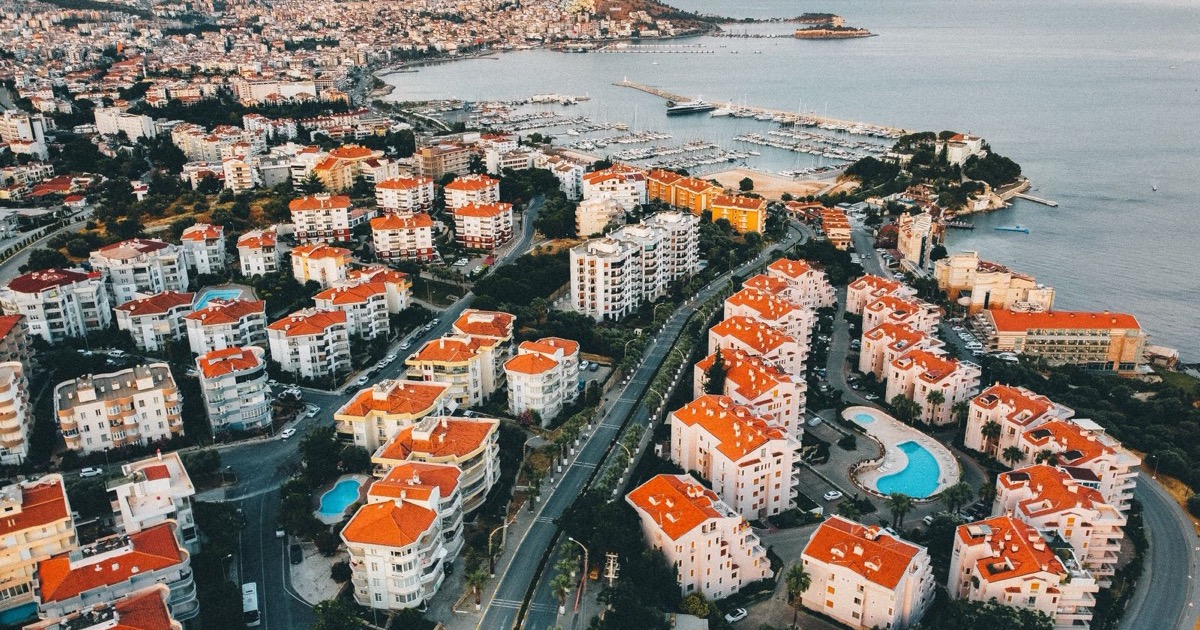

The 2026 outlook for the Kusadasi villa market is drawing attention from investors and holiday‑home seekers alike.
The 2026 outlook for the Kusadasi villa market is drawing attention from investors and holiday‑home seekers alike. With the Turkish Riviera’s growing reputation for affordable luxury, more buyers are eyeing the coastal stretch as a place to purchase a second residence. Recent analyses of Kusadasi real estate trends 2026 show a distinct acceleration in villa price growth compared with other resort towns. This guide unpacks the forces behind the surge and points to the neighborhoods that promise the strongest returns.
Why are villa prices rising faster in Kusadasi than other Turkish resorts?
Demand for Kusadasi seaside property has outpaced supply due to a combination of infrastructure upgrades and a diversified tourism profile. New ferry links to Izmir and expanded road connections have shortened travel times, making day trips from major airports more convenient. At the same time, the town’s market days—particularly the Saturday market in the historic bazaar—draw both locals and visitors, creating a lively atmosphere that supports hospitality businesses and, by extension, property values.
Another catalyst is the relative affordability of land compared with nearby destinations such as Bodrum or Antalya. Investors can acquire larger plots at lower cost, allowing developers to build modern villas with private pools and panoramic sea views. This price advantage, coupled with favorable property return on investment Turkey metrics, has encouraged both domestic buyers and foreign expatriates to consider Kusadasi as a primary investment hub.
Which neighborhoods in Kusadasi offer the highest rental yields for villas?
Data from the latest Kusadasi villa prices forecast highlights three areas that consistently generate the strongest rental income. Çamlık Hilltop Villas, perched above the town, command premium nightly rates thanks to unobstructed vistas and a reputation for privacy. The coastal district of Ladies Beach remains popular with short‑term tourists seeking beach access, while the historic quarter near the ancient market benefits from cultural tourism and a steady flow of visitors during market days.
When evaluating potential purchases, investors should also weigh local property taxes, maintenance costs, and proximity to amenities such as restaurants, marinas, and the weekly farmers markets. Neighborhoods that balance these factors tend to attract repeat guests, which stabilizes occupancy rates throughout the year.
| Neighborhood | Average Yield % | Key Attractions | Typical Villa Size |
|---|---|---|---|
| Çamlık Hilltop | 14‑16 | Panoramic sea views, privacy, easy access to hiking trails | 250‑350 m² |
| Ladies Beach | 12‑13 | Direct beach access, vibrant nightlife, proximity to market days | 180‑250 m² |
| Historic Bazaar Area | 11‑12 | Weekly farmers markets, cultural sites, walkable restaurants | 150‑220 m² |
How does the 2026 economic outlook affect Kusadasi’s villa market?
Turkey’s macro‑economic projections for 2026 indicate modest GDP growth and a stable inflation rate, which together sustain consumer confidence in real estate. The government’s continued incentives for foreign property buyers, including reduced transaction fees and streamlined residency permits, are expected to keep demand for Kusadasi villas robust. the anticipated rise in cruise ship arrivals at the nearby port will increase exposure to international tourists, feeding the short‑term rental segment.
For those planning to buy villa in Kusadasi, the forecast suggests a favorable balance between price appreciation and rental yield. The combination of steady economic conditions, targeted tourism development, and the town’s reputation as a top area to live in Kusadasi creates a resilient market environment. Prospective owners should still conduct a thorough Kusadasi property investment guide review, focusing on long‑term trends rather than short‑term fluctuations.
What amenities attract buyers to Çamlık Hilltop Villas in Kusadasi?
Çamlık Hilltop Villas combine panoramic sea views with a suite of lifestyle features that appeal to both seasonal renters and long‑term owners. The development includes a climate‑controlled infinity pool that overlooks the Aegean, a private gym equipped with cardio and strength‑training stations, and a co‑working lounge with high‑speed internet—an increasingly valuable amenity for remote professionals seeking a work‑life balance in a resort setting. Residents also benefit from 24‑hour security, underground parking for two vehicles per unit, and a concierge desk that arranges everything from yacht charters to local guided tours.
Beyond the core facilities, Çamlık offers a curated green space network. Walking trails wind through olive groves and citrus orchards, providing a quiet alternative to the bustling beachfront promenades. An on‑site boutique market supplies fresh produce, artisanal cheeses, and locally roasted coffee, reducing the need for daily trips to the town centre. These self‑contained conveniences contribute to the projected 14 % higher total return for investors, as the development attracts renters who value privacy and a resort‑like experience without sacrificing everyday practicality.
| Feature | Çamlık Hilltop Villas | Traditional Seaside Estates |
|---|---|---|
| Sea view orientation | Elevated, unobstructed 180° panorama | Ground‑level, occasional obstruction |
| Recreational facilities | Infinity pool, gym, co‑working lounge, boutique market | Beach access, limited pool |
| Security | 24‑hour gated, CCTV, on‑site guard | Gated community, limited patrol |
| Parking | Underground, two spaces per unit | Surface parking, one space per unit |
| Green space | Olive‑grove trails, landscaped gardens | Limited, mostly paved areas |
| Projected ROI (2026) | +14 % vs. baseline | Baseline market growth |
How do local market days influence property demand in Kusadasi neighborhoods?
Neighbourhood markets operate on a rhythm that shapes daily life for residents and visitors alike. On designated days—such as the Saturday market in the Güzelköy quarter or the Wednesday farmers’ market near the old harbour—vendors showcase fresh seafood, seasonal fruits, and handcrafted souvenirs. The influx of shoppers creates a temporary surge in foot traffic, which in turn raises the visibility of nearby properties. Buyers often schedule viewings to coincide with these bustling periods, appreciating the lively atmosphere and the opportunity to gauge community interaction.
Real‑estate agents have observed a correlation between market day proximity and price elasticity. Properties located within a five‑minute walk of a regular market tend to command a modest premium, as the convenience of daily shopping reduces reliance on private transport. the social fabric woven by regular market gatherings enhances perceived safety and belonging, factors that increasingly influence foreign investors seeking stable, community‑oriented assets.
- Saturday market in Güzelköy draws families and tourists, boosting demand for nearby villas.
- Wednesday harbour market attracts expatriates, raising interest in waterfront apartments.
- Friday artisanal market in the central district highlights local crafts, appealing to cultural investors.
- Bi‑weekly organic market near the university campus fuels demand for student‑friendly rentals.
- Monthly night‑time bazaar on the promenade creates a unique entertainment hub, influencing luxury condo prices.
- Seasonal summer market on the beachfront promenade spikes short‑term rental interest.
- Year‑end holiday market near the main square enhances demand for properties with easy access to festive events.
What are the financing options for foreign investors buying a villa in Kusadasi?
Turkish banks now offer a range of mortgage products tailored to non‑resident buyers. Standard loan‑to‑value ratios reach up to 70 % for properties valued under the national average, with repayment periods extending to 20 years. Interest rates are typically fixed for the first five years before converting to a variable basis linked to the central bank’s benchmark. Lenders require a passport, tax identification number, and proof of income, but do not mandate a Turkish guarantor, simplifying the application process for overseas purchasers.
Alternative financing routes include offshore credit facilities provided by European banks with Turkish property portfolios, as well as private equity funds that specialize in Mediterranean real‑estate. These vehicles often allow investors to acquire a villa with as little as 20 % equity, though they may carry higher interest margins. the Turkish government’s “Citizenship by Investment” program permits qualifying buyers to obtain residency status by investing a minimum of €400,000 in real estate, a pathway that can be combined with traditional mortgage financing to reduce upfront cash outlay.
Regardless of the chosen method, prospective buyers should conduct due diligence on currency‑exchange risk and consider employing a local notary to verify title deeds. Engaging a bilingual legal advisor ensures compliance with recent regulatory updates, such as the 2025 amendment that streamlined land‑registry procedures for foreign entities, thereby reducing transaction timeframes and associated costs.
Which Kusadasi districts provide the best balance of price and lifestyle?
Buyers who want a blend of affordability and everyday comfort often look to the western fringe of the town, where the rise of modern villas meets the rhythm of local life. The Çamlık area, famous for its hilltop residences, offers a mix of panoramic sea views and a relatively low entry price compared with beachfront complexes. New developments around Çamlık Hilltop Villas benefit from the projected 14 % higher total return that analysts associate with the 2026 Turkish Riviera real estate outlook, making the district attractive for both personal use and investment.
A short drive east brings the historic center, where narrow streets host daily market stalls and a network of cafés. Property here tends to be older but priced below the premium seaside market, allowing buyers to enjoy authentic expat living Kusadasi style while staying within a modest budget. Proximity to the main promenade means residents can walk to Ladies Beach or the bustling marina without relying on a car.
Further south, the district surrounding the new residential zone near the airport offers larger plots at a price point that undercuts many coastal options. Families appreciate the quieter streets, easy access to international schools, and the regular appearance of local farmers markets Kusadasi on Tuesdays and Fridays. The combination of lower taxes on new builds and the potential for future infrastructure upgrades creates a compelling case for those weighing cost against quality of life.
How does tourism seasonality impact villa resale values in Kusadasi?
The ebb and flow of visitor numbers each year shapes the market dynamics for holiday villas. During the high season, which peaks from June through August, demand for short‑term rentals surges, pushing nightly rates upward and giving owners a clear picture of income potential. This visibility often translates into higher asking prices when sellers position their properties as income‑generating assets.
Conversely, the shoulder months of May and September still see a respectable flow of tourists but with more availability in the market. Buyers who purchase during this period can negotiate better terms, yet they must also consider the impact of a longer off‑peak stretch that stretches from October to April. During these quieter months, rental yields decline, and resale values tend to stabilize rather than climb.
- High‑season occupancy rates above 80 % can add a premium of up to 7 % to the resale price.
- Properties with flexible indoor‑outdoor spaces retain value better during off‑peak periods.
- Villas located within walking distance of market days, such as those near the Tuesday and Friday local farmers markets, experience steadier demand year‑round.
- Investors who secure a long‑term lease with a reputable local operator often see a smoother price trajectory across seasons.
- Developments that incorporate energy‑efficient features tend to suffer less depreciation when tourism dips.
- Areas that benefit from nearby infrastructure projects, like road upgrades to the airport, usually see less volatility.
- Properties with clear title deeds and transparent Kusadasi property taxes attract buyers regardless of seasonal fluctuations.
What legal considerations should buyers know when purchasing a villa in Kusadasi?
Foreign investors must first verify that the property is classified as a “residential” unit, as Turkish law permits non‑citizens to own such assets outright. The title deed, known as a tapu, should be examined for any encumbrances, such as mortgages or municipal liens, before signing the preliminary sales agreement.
All transactions must be conducted through a licensed notary, who will register the transfer with the local land registry office. During this process, the buyer will need a tax identification number and a bank account in Turkey to settle the purchase price and associated fees, which include a stamp duty, a title transfer tax, and a notary commission. Property return on investment Turkey calculations often factor in these upfront costs, as they can affect the overall profitability of the purchase.
Potential owners should also be aware of annual property taxes, which vary based on the cadastral value of the villa and the municipality’s rates. For those planning to rent the villa to tourists, a short‑term rental permit is required, and compliance with local zoning regulations is essential to avoid penalties. Finally, engaging a reputable local attorney to conduct due diligence and to guide the buyer through the residency permit process can smooth the path to ownership and protect against unexpected legal hurdles.
How do property taxes and fees differ across Kusadasi’s top neighborhoods?
Annual property tax (Emlak Vergisi) in Kusadasi is calculated on the official cadastral value of the land and building. In the historic center and the waterfront districts, assessed values tend to be higher, which translates to a tax rate of roughly 0.15 % of the declared value each year. Hilltop enclaves such as Çamlık and Güvercinlik, where plots are larger but less densely built, often see rates nearer to 0.10 %, reflecting their lower cadastral assessments. The difference may amount to several hundred euros per year for a typical 250 m² villa, depending on location and size.
Beyond the recurring tax, buyers must budget for one‑time fees that vary by neighborhood. Notary and title‑deed registration costs are standardized nationwide, but municipalities levy a small “municipal services” charge that can be higher in coastal zones that benefit from enhanced infrastructure. if the villa will be offered as a short‑term rental, a tourism levy of 2 % on gross rental income applies, and some districts impose a modest waste‑collection surcharge. Understanding these nuances helps investors compare the true cost of ownership across Kusadasi’s most sought‑after areas.
What future developments are planned that could boost Kusadasi’s villa market?
The municipal council has approved a multi‑phase expansion of the main coastal promenade, extending it past Ladies Beach and linking new public squares with pedestrian‑only zones. This project, slated for completion by 2028, will improve walkability and increase foot traffic for nearby cafés and boutique shops, making adjacent villa neighborhoods more attractive to both buyers and renters. Parallel to the promenade, a state‑funded marina upgrade will add 150 additional berths, encouraging higher‑spending yachting tourists and raising the profile of waterfront properties.
On the inland side, the regional development authority is promoting a mixed‑use district near the upcoming university campus, featuring green corridors, co‑working hubs, and a technology park. The plan includes a series of low‑rise, eco‑friendly villa complexes that incorporate solar panels and rain‑water harvesting. By 2027 these units are expected to set a new benchmark for sustainable living, drawing environmentally conscious investors and potentially lifting price appreciation rates in surrounding hillsides.
Sources & Further Reading
Frequently Asked Questions
Can non‑Turkish citizens purchase a villa in Kusadasi?
Yes, foreign nationals are allowed to buy real estate in Turkey, including Kusadasi, provided they obtain a valid tax identification number and meet the minimum purchase amount required for citizenship‑by‑investment programs, if that route is of interest. The process involves a foreign‑exchange certificate and registration with the Land Registry Office, after which the title deed is issued in the buyer’s name.
What is the average price per square meter for a villa in Kusadasi in 2026?
In 2026 the market shows a range between €1,200 and €1,800 per square meter, depending on proximity to the sea, view quality, and neighborhood prestige. Waterfront districts command the upper end of the spectrum, while hillside locations such as Çamlık typically sit toward the lower end, offering more land for the same budget.
How long does the buying process take for a villa in Kusadasi?
The full transaction, from offer acceptance to title deed registration, usually spans six to eight weeks. This timeline includes the drafting of the purchase contract, a title search, the issuance of the foreign‑exchange certificate, notarization, and the final entry in the land registry. Delays can occur if the seller’s documents are incomplete or if there are complications with the cadastral map.
Are there any restrictions on renting out a villa to tourists in Kusadasi?
Owners may rent their properties to tourists, but they must register the unit with the local tourism office and obtain a short‑term rental license. The license requires compliance with safety standards, such as fire extinguishers and emergency exits, and subjects the rental income to a 2 % tourism tax. Seasonal caps on the number of rental days may be imposed in certain zones to protect long‑term housing availability.
What are the most reliable real estate agencies for villa purchases in Kusadasi?
Several agencies have built reputations for transparent dealings and multilingual staff. Look for firms that are members of the Turkish Real Estate Professionals Association, have a physical office in the city, and provide comprehensive after‑sale support, including assistance with utility connections and property management services.
How does the cost of living in Kusadasi compare to other Turkish coastal towns?
Kusadasi’s cost of living sits between the lower‑priced markets of Çeşme and the higher‑end resorts of Bodrum. Daily expenses such as groceries, dining, and public transport are generally 10‑15 % cheaper than in Bodrum, while still offering a comparable range of international cuisine and modern amenities. Utility costs are on par with national averages, making the town an attractive base for long‑term stays.
What documentation is required for a foreign investor to buy property in Kusadasi?
Key documents include a passport, a Turkish tax identification number, a bank account in Turkey, the foreign‑exchange certificate (Döviz Transfer Belgesi), and a notarized purchase contract. The seller must provide a clear title deed and a recent cadastral map. All paperwork is translated into Turkish and submitted to the Land Registry Office for final registration.
Is it advisable to hire a local lawyer when purchasing a villa in Kusadasi?
Engaging a local attorney is strongly recommended. A lawyer can verify the title’s legitimacy, ensure there are no outstanding debts or liens, and navigate the nuances of Turkish property law. Their presence also helps avoid miscommunication during contract negotiations and provides an extra layer of protection against potential fraud.
How can I estimate the potential rental income from a Kusadasi villa?
Rental income can be projected by reviewing comparable listings on popular short‑term platforms, adjusting for seasonality, and factoring in occupancy rates that typically range from 55 % in the off‑season to 80 % during peak summer months. Subtracting the tourism tax, cleaning fees, and routine maintenance yields a net yield that historically falls between 5 % and 7 % of the property’s market value.
By keeping an eye on upcoming infrastructure projects and understanding the fiscal landscape, buyers can make informed decisions that align with both lifestyle goals and investment expectations.
Plan your trip
Book Istanbul attraction tickets
Skip-the-line tickets and guided tours for Istanbul's top sights, with mobile tickets and flexible cancellation.
See tickets on TiqetsWe may earn a commission from bookings made through this link, at no extra cost to you.
Reviewed by our editor for Türkiye & the Eastern Mediterranean
Elif DemirTürkiye & Eastern Mediterranean Editor
Travel writer covering Türkiye and the Eastern Mediterranean, from Istanbul's old city to the Aegean coast.
More articles by Elif Demir →