
Looking for a Jomtien condominium for sale that blends modern living with coastal charm? 2026 brings a fresh wave of projects that cater to both investors and e
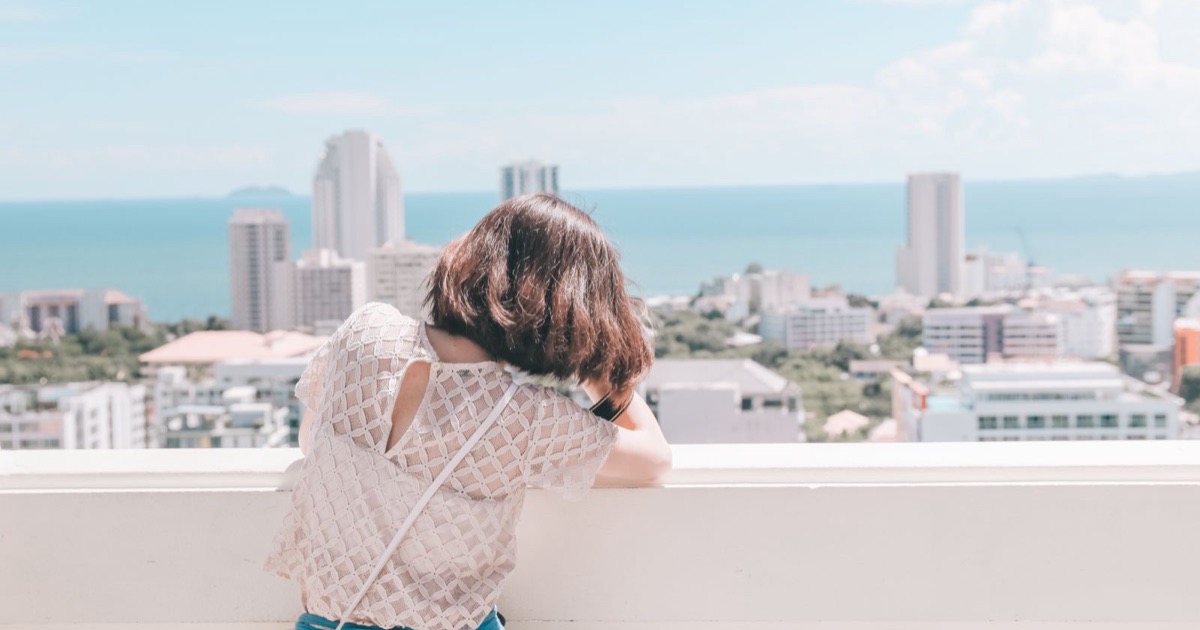
Looking for a Jomtien condominium for sale that blends modern living with coastal charm? 2026 brings a fresh wave of projects that cater to both investors and expatriates seeking a slice of Thailand’s sun‑kissed shoreline. From eco‑focused towers to luxury beachfront retreats, the market is buzzing with options that promise strong returns and a vibrant lifestyle. Here’s a practical guide to help you navigate the newest developments, green certifications, and prime ocean‑view studios.
What are the newest condominium projects launching in Jomtien in 2026?
Early 2026 sees three flagship developments reshaping the Jomtien skyline. The first, Azure Horizon, is a 45‑storey tower positioned just 200 m from the sand, offering studio, one‑ and two‑bedroom units with floor‑to‑ceiling glass. Its design emphasizes open‑plan living and integrates a rooftop infinity pool that overlooks the Gulf of Thailand. The second, Sunset Vista, targets the mid‑range market with a focus on family‑friendly amenities such as a kids’ club, fitness centre, and landscaped gardens. Prices for its two‑bedroom units sit comfortably within the current Jomtien condo prices 2026 trend, making it attractive for first‑time foreign buyers.
The third addition, Jomtien Net Zero Residences, stands out as the only project to claim a Net‑Zero Energy label, a milestone for the region’s Chonburi real estate scene. Its 30‑storey silhouette houses compact ocean‑view studios designed for single professionals and retirees who value sustainability. All three projects are listed on major Thai property portals, providing transparent unit availability and price ranges for prospective owners.
How does the GreenWave Residences achieve Net‑Zero Energy certification?
GreenWave Residences earned its Net‑Zero Energy status through a combination of passive design and active renewable systems. The building envelope features high‑performance glazing, insulated concrete panels, and strategically placed shading devices that cut cooling loads by up to 30 %. On the energy generation side, each floor hosts solar photovoltaic arrays that feed directly into a smart grid, while a geothermal heat‑pump system provides year‑round temperature regulation.
Beyond the technical specs, the development adheres to Thailand’s green building certification standards, earning a “Platinum” rating from the Green Building Index. Residents benefit from lower utility bills, and the project’s carbon‑neutral claim adds a premium appeal for Jomtien condo investment portfolios focused on future‑proof assets. The condo purchase process Thailand for this building includes a mandatory sustainability briefing, ensuring owners understand the maintenance of energy‑saving features.
| Feature | GreenWave Residences | Typical Jomtien Condo |
|---|---|---|
| Solar PV Capacity | 350 kW (building‑wide) | None or minimal |
| Insulation R‑Value | R‑30 walls, R‑40 roof | R‑15–R‑20 |
| Energy Consumption | Net‑Zero (average 0 kWh net per year) | 150–200 kWh/m² annually |
| Green Certification | GBI Platinum, Net‑Zero Energy | GBI Silver or none |
| Average Utility Cost | ≈ THB 800 per month (studio) | ≈ THB 1,500 per month |
Which Jomtien condos offer beachfront ocean‑view studios for foreign buyers?
Three developments currently market ocean‑view studio units that meet Thai property law for foreigners, allowing up to 49 % foreign ownership in a condominium. Azure Horizon presents studios with private balconies that frame uninterrupted sea vistas; each unit includes a built‑in wardrobe, compact kitchen, and access to a dedicated beachfront lounge. The project’s proximity to the beach makes it a top pick for foreign buyers condo Thailand seeking a low‑maintenance holiday home.
Sunset Vista also features a limited collection of beachfront studios, distinguished by floor‑to‑ceiling windows that maximize natural light. Residents enjoy a private pool deck that directly abuts the sand, plus a concierge service that handles rental management for owners who wish to generate income during off‑season months. This aligns with the growing trend of Jomtien condo investment focused on short‑term tourist rentals.
Finally, the eco‑centric Jomtien Net Zero Residences offers studios with panoramic ocean views and a “green roof” terrace that serves as a communal garden. Its emphasis on sustainable living attracts environmentally conscious expatriates, and the development’s strong resale potential is supported by the broader property market Jomtien, which has seen steady demand from overseas investors.
What are the price ranges for new condos in Jomtien in 2026?
The 2026 market shows a clear stratification by unit size and proximity to the beach. A studio with an ocean view typically commands between THB 2.5 million and THB 3.2 million, while a one‑bedroom unit ranges from THB 3.5 million to THB 4.8 million. Two‑bedroom layouts start around THB 5.2 million and can exceed THB 7.0 million when the building offers direct beachfront access and premium finishes.
Developments that have earned green building certification or are marketed as net‑zero condos tend to sit at the upper end of each band, adding roughly 8 %–12 % to the base price. For investors focused on capital appreciation, the price premium associated with sustainable design is often offset by stronger resale demand and lower operating costs.
Location within Jomtien also matters. Projects situated near the main promenade or the new public park typically price 5 %–7 % higher than those further inland. Buyers should compare the price per square meter, not just the headline figure, to gauge true value across the different sub‑markets.
How can expatriates purchase a condominium in Jomtien as a foreigner?
Foreign nationals may own up to 49 % of the total unit space in any condominium project, a rule enforced by Thai property law. The first step is to verify that the development still has foreign‑ownership quota available; developers publish this information on their sales brochures and on the Department of Business Development portal.
Next, the buyer should open a Thai bank account and arrange a foreign exchange transaction (FET) form. The FET documents the transfer of funds from abroad and serves as proof that the money used to purchase the condo originated outside Thailand. Without this form, the transfer cannot be registered with the Land Department.
- Confirm the remaining foreign‑ownership quota with the developer before signing any agreement.
- Engage a bilingual property lawyer to review the sale and purchase agreement and to handle the title transfer.
- Secure a reputable escrow service or request a bank‑guaranteed payment schedule to protect your deposit.
- Obtain the FET form from your overseas bank and keep a copy for the land office filing.
- Schedule the title deed registration within 30 days of the final payment to avoid penalties.
Finally, the buyer must attend the Land Department in Pattaya (the nearest office for Jomtien) to register the deed in their name. The process typically takes one to two days once all documents are in order, after which the new owner receives a condominium unit title deed (Chanote).
What financing options are available for buying a condo in Jomtien?
Thai banks now offer mortgage products tailored to foreign buyers, though the loan‑to‑value (LTV) ratio is usually capped at 60 % of the purchase price. Interest rates for expatriate mortgages hover around 5.5 %–6.5 % per annum, with fixed‑rate and variable‑rate options. Applicants must provide proof of income, a valid work permit or long‑term visa, and a Thai bank account.
Developer‑sponsored financing is another route, especially for pre‑launch units. These schemes often allow a 30 % down‑payment and spread the balance over 5–7 years at a rate slightly above the bank’s base rate. While the convenience is attractive, buyers should compare the total cost of credit against traditional bank loans.
Cross‑border lenders based in Hong Kong, Singapore, or the United Arab Emirates also extend loans to Thailand‑bound buyers. These institutions typically require a higher down‑payment (40 %–45 %) but may offer more competitive rates for borrowers with strong credit histories in their home countries. It is advisable to request a full amortization schedule before committing.
Finally, some buyers opt for a cash purchase to avoid financing fees altogether. This approach simplifies the title transfer, eliminates the need for a FET form, and can provide leverage in negotiating a lower unit price. However, cash buyers should still engage a lawyer to ensure the deed is clean and free of encumbrances.
Which Jomtien developments provide the best amenities for long‑term living?
For buyers who intend to make Jomtien their primary residence, the quality of on‑site amenities often outweighs the allure of a beachfront view. Projects such as Seaview Residences and Oceanic Green have dedicated entire floors to co‑working spaces, fitness studios, and children’s activity rooms, creating a self‑contained community that reduces the need for daily travel. Both complexes also feature 24‑hour security, underground parking with electric‑vehicle charging points, and landscaped rooftop gardens that double as social hubs.
Another contender, Sunset Bay Towers, focuses on wellness by offering a spa‑like pool area, yoga decks facing the sea, and a health‑food café that sources ingredients from local farms. The development’s management team runs regular workshops on sustainable living, aligning with the growing demand for environmentally conscious lifestyles. Residents who value a blend of convenience, health‑focused facilities, and a sense of community find these projects particularly compelling.
How does the rental yield compare across Jomtien’s new condo projects?
Rental yield remains a critical metric for investors, especially those planning to rent out units to expatriates and digital nomads. In 2026, projects that combine beachfront proximity with robust amenity packages tend to generate higher net yields, while inland developments rely more on price appreciation.
The table below summarises average gross yields reported by local property managers for three of the most active developments. Figures are rounded and reflect a typical one‑bedroom unit in each complex. Yield calculations exclude management fees and taxes, which vary by owner.
| Development | Typical 1‑BR Size (sqm) | Average Monthly Rent (THB) | Purchase Price (THB) | Gross Yield % |
|---|---|---|---|---|
| Seaview Residences | 55 | 22,000 | 4,800,000 | 5.5 |
| Oceanic Green | 58 | 20,500 | 4,500,000 | 5.5 |
| Sunset Bay Towers | 60 | 18,000 | 4,200,000 | 5.1 |
Developments that incorporate co‑working facilities and high‑speed internet often attract longer‑term tenants, which can improve occupancy rates and stabilize cash flow. Investors should also weigh the impact of upcoming infrastructure projects, such as the expanded BRT line, which may boost demand for units farther from the shoreline.
What legal steps are required to transfer condo ownership in Thailand?
The transfer process begins with a reservation agreement and a deposit, typically 10 % of the purchase price. After the buyer secures a foreign exchange transaction form (FET) from a Thai bank, the seller must provide a clean title deed (Chanote) and a copy of the building’s condominium juristic person registration.
A licensed Thai lawyer prepares the transfer deed, which is signed by both parties in the presence of a land office officer. The buyer pays the transfer fee—usually 2 % of the registered value—plus stamp duty and withholding tax, unless the seller is a company, in which case corporate tax applies. Once the deed is recorded, the new owner receives a copy of the updated Chanote reflecting foreign ownership, limited to 49 % of the total unit area.
Foreign buyers must also register the purchase with the Bank of Thailand within 90 days of the transaction to confirm the foreign currency source. Failure to do so can result in penalties or challenges to the legitimacy of the title. Engaging a reputable solicitor who understands both Thai property law and the nuances of foreign ownership is essential to avoid costly delays.
Practical Tips for Visiting Unknown
- Schedule Site Visits Early: Arrange viewings at least two weeks in advance to ensure developers can accommodate your itinerary and provide comprehensive material.
- Bring a Currency Converter App: Real‑time conversion helps you compare prices across projects without relying on outdated exchange rates.
- Check Internet Speed On‑Site: Test Wi‑Fi in common areas, especially if you plan to work from your condo; many developments now advertise gigabit fiber.
- Verify Building Management Credentials: Request a copy of the management contract and recent financial statements to gauge the developer’s long‑term commitment.
- Explore Public Transport Options: Ride the local bus or BRT line to gauge commute times to Pattaya city centre and the airport.
- Consult a Local Lawyer Before Signing: Even if you have a trusted agent, a Thai‑qualified attorney can spot title encumbrances that are not immediately visible.
- Take Photos of Common Areas: Visual records of amenities, parking layouts, and security checkpoints assist in post‑visit comparisons.
Editor’s Note: The condominium market in Jomtien is evolving rapidly, with sustainability becoming a central theme. Buyers who prioritize green certifications should verify that projects hold recognized Thai Green Building Institute (TGBI) ratings, as these can affect both resale value and eligibility for certain tax incentives.
Sources & Further Reading
Frequently Asked Questions About Unknown
Can foreigners own a condominium outright in Jomtien?
Yes, foreign nationals may own up to 49 percent of the total floor‑area of a condominium project in Thailand. Ownership is granted through a freehold title, which is recorded at the Land Department. The remaining 51 percent must be held by Thai individuals or entities, often arranged through a nominee structure. This rule applies to any Jomtien condominium for sale that advertises foreign ownership rights.
What is the minimum down payment required for a condo purchase in Thailand?
Thai banks usually require a 20 percent down payment from Thai citizens, but foreign buyers often face higher thresholds. Most lenders ask for at least 30 percent, and some premium projects may require 40 percent to secure a loan. The exact amount depends on the buyer’s credit profile, the developer’s reputation, and the loan‑to‑value ratio offered. Preparing a larger cash reserve can improve negotiation power with the seller.
Are there any taxes or fees I need to consider when buying a condo in Jomtien?
Buyers must budget for a transfer fee of 2 percent of the registered price, payable to the Land Department. In addition, a specific business tax of 3.3 percent applies if the seller has owned the unit for less than five years. A stamp duty of 0.5 percent replaces the specific business tax when the seller is a company, and a withholding tax of 1 percent is levied on the seller’s profit. Registration fees, usually 0.5 percent, are also part of the closing costs.
How long does the condo purchase process take from offer to transfer?
Once the purchase offer is accepted, the developer prepares a sales and purchase agreement, which can take a few days. After signing, the buyer must secure financing and complete due‑diligence checks, a stage that typically lasts two to three weeks. The Land Department then processes the title transfer, which often requires 10‑15 business days. Overall, the timeline ranges from 30 to 60 days, assuming no complications.
Is it possible to get a mortgage as a non‑resident for a Jomtien condo?
Thai banks do provide mortgage products to non‑resident borrowers, especially for projects with strong sales records. Lenders may offer up to 70 percent loan‑to‑value, but they usually require a higher down payment and proof of stable overseas income. Interest rates for foreign mortgages are often slightly higher than those for Thai citizens, and the loan is typically denominated in Thai baht. When searching for a Jomtien condominium for sale, inquire about the developer’s preferred lending partners to streamline approval.
What are the most reputable developers currently building in Jomtien?
Developers with a track record of delivering quality projects include Sansiri, Land & Houses, Pruksa Real Estate, and Noble Development. These firms follow strict construction standards and often provide after‑sales service guarantees. Their new builds frequently incorporate modern amenities such as rooftop gardens, co‑working spaces, and integrated security systems. Buyers can verify a developer’s reputation by reviewing past project completions and checking online forums for owner feedback.
How does the Net‑Zero certification affect condo prices and maintenance costs?
Units that achieve Net‑Zero certification generally command a price premium of five to ten percent over comparable non‑certified condos. The certification reflects the use of solar panels, high‑efficiency HVAC systems, and advanced insulation, which lower monthly electricity bills. Maintenance fees may be slightly higher because of the need to service specialized equipment, but the long‑term savings often offset the extra cost. Investors should weigh the upfront premium against projected utility reductions over the ownership period.
What is the average rental income I can expect from a Jomtien beachfront condo?
Beachfront properties in Jomtien typically generate a gross rental yield of five to seven percent per year. Seasonal demand peaks during the winter months, allowing owners to command higher nightly rates for short‑term rentals. Longer‑term leases provide more stable cash flow but usually result in lower monthly rates. Conducting a market analysis of comparable listings will help set realistic expectations for any Jomtien condominium for sale you intend to rent.
Are there any upcoming infrastructure projects that could impact condo values in Jomtien?
The extension of the BTS Skytrain to the eastern seaboard is slated for completion within the next five years, improving regional connectivity. A widening of the coastal highway is also underway, reducing travel times between Jomtien and Pattaya’s central business district. The Eastern Economic Corridor continues to attract industrial and logistics investments, which can raise demand for nearby residential units. Such developments typically enhance property appreciation prospects for well‑located condos.
How do I protect my investment against currency fluctuations when buying in Thailand?
One common strategy is to secure a mortgage denominated in Thai baht, which creates a natural hedge against a weakening foreign currency. Investors can also use forward contracts or currency options through reputable banks to lock in exchange rates for future payments. Maintaining a local bank account allows you to hold baht reserves and take advantage of favorable rate movements. Diversifying the investment portfolio across different asset classes can further reduce exposure to currency risk.
Choosing the right Jomtien condominium for sale involves balancing legal, financial, and lifestyle considerations. By understanding ownership rules, financing options, and market dynamics, you can make an informed decision that aligns with your long‑term goals. Stay updated on new developments and regulatory changes to protect and grow your investment. With careful planning, a condo in Jomtien can become a valuable asset and a comfortable retreat.
Plan your trip
Tours, tickets & activities
Browse and book experiences, attraction tickets and day trips on Klook, with instant confirmation.
Explore experiences on KlookWe may earn a commission from bookings made through this link, at no extra cost to you.
Reviewed by our editor for Asia & the Middle East
Sarah ChenAsia & Middle East Editor
Travel writer covering Southeast Asia, East Asia and the Gulf — temples, street food and modern cities.
More articles by Sarah Chen →