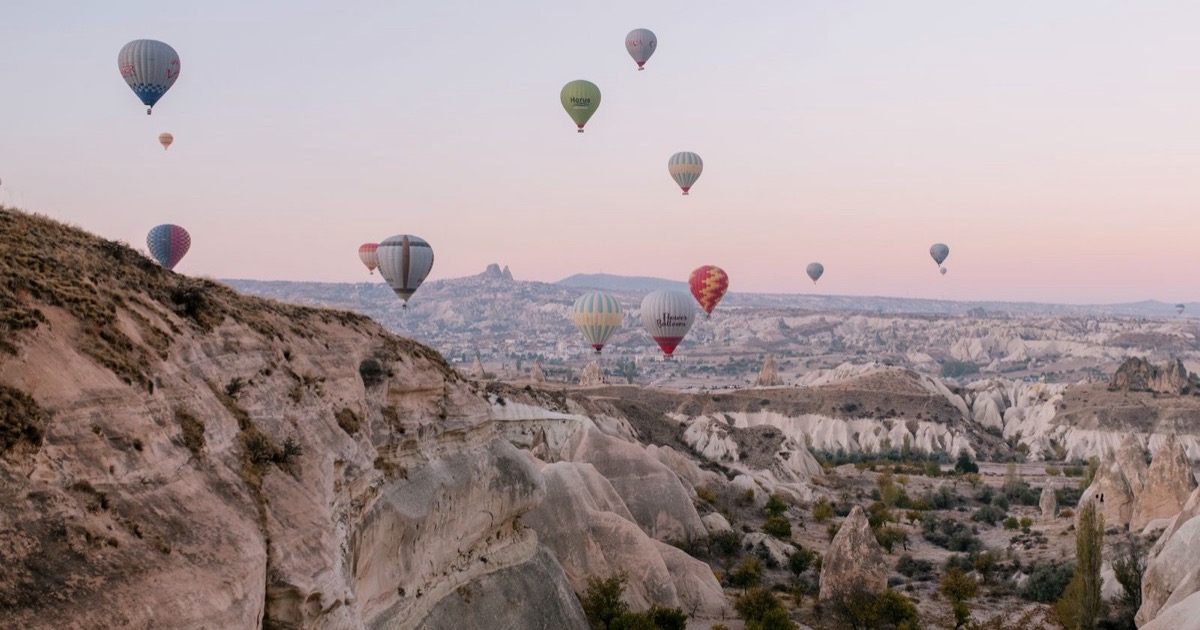

Goreme sunrise sunset photography offers a rare blend of natural drama and cultural texture that draws image‑makers from every corner of the globe.
Goreme sunrise sunset photography offers a rare blend of natural drama and cultural texture that draws image‑makers from every corner of the globe. As the first light kisses the iconic fairy chimneys, the landscape transforms, revealing subtle color shifts that can define a portfolio. Planning your shoot around the hot air balloon launch and the region’s seasonal lighting patterns will give you the edge you need for compelling frames. This guide walks you through the essential tactics for capturing those fleeting moments in 2026.
How can I capture the perfect sunrise over the fairy chimneys in Goreme?
Start by arriving at least thirty minutes before the scheduled balloon launch. The early crowd is thin, and the sky often displays a soft gradient that enhances the silhouette of the rock formations. Position yourself on an elevated ridge—such as the viewpoint near the Göreme Open‑Air Museum—so the balloons can be framed against the rising sun while the chimneys provide foreground interest.
Use a tripod and set your camera to a low ISO (100‑200) to preserve detail in the brightening sky. A shutter speed between 1/125 and 1/250 s typically balances the moving balloons with the static stone textures. If you prefer a more painterly effect, experiment with a longer exposure (1‑2 seconds) while employing a neutral density filter to smooth the balloon trails without overexposing the cliffs.
Consider the direction of the prevailing wind, which influences balloon flight paths. On days with gentle easterly breezes, balloons drift eastward, allowing you to capture them moving across the valley rather than directly overhead. Checking the daily weather forecast for clear or partially cloudy conditions will help you anticipate the quality of light and avoid sudden fog that can obscure the scene.
What are the best sunrise photo locations in Goreme for 2026?
Goreme offers several vantage points that cater to different compositional goals. The classic Sunset Point, despite its name, provides an unobstructed eastward view ideal for sunrise shots of the balloons rising above the valley. For a more intimate perspective, the Rose Valley trailhead captures the early light filtering through narrow canyons, highlighting the pinkish hue of the stone. The Red Valley, slightly higher in elevation, frames the balloons against a backdrop of deep red rock that intensifies as the sun climbs.
Uchisar Castle view, located on the highest natural point in the area, delivers a panoramic sweep that includes both the fairy chimneys and the distant horizon. Photographers seeking to incorporate human elements can position themselves near the local cafés that open early, adding subtle cultural context to the composition. Each site offers distinct lighting conditions, so planning multiple locations in a single morning can diversify your portfolio.
| Location | Key Feature | Typical Light Direction | Accessibility (Morning) |
|---|---|---|---|
| Sunset Point (Goreme) | Clear eastward vista, balloon silhouettes | Front‑lit, low angle | Easy, short walk from town center |
| Rose Valley Trailhead | Pink stone walls, canyon depth | Side‑lit, soft shadows | Moderate, uphill 10 min |
| Red Valley Outlook | Deep red rock, dramatic contrast | Back‑lit, strong colors | Moderate, 15 min hike |
| Uchisar Castle View | Panoramic sweep, includes Uchisar Castle | Top‑down, expansive | Easy, short drive or shuttle |
When selecting a spot, also factor in the expected weather conditions for Cappadocia in spring or autumn. Clear skies will accentuate the colors of the rock, while thin cloud layers can add texture to the sky without blocking the sunrise entirely.
When is the golden hour in Goreme during spring and autumn?
In spring (April‑May), the sun rises between 06:15 and 06:45 local time, placing the golden hour roughly from 06:15 to 07:15. The angle of the light is low, casting long shadows that emphasize the contours of the fairy chimneys and the undulating terrain of the valleys. Evening golden hour follows a similar pattern, beginning around 19:30 and lasting until 20:30, offering warm tones that complement the reddish hues of the rock formations.
Autumn (September‑October) shifts sunrise to about 06:45‑07:15, with the golden hour extending from 06:45 to 07:45. The cooler air often results in clearer skies, which can produce sharper contrast during the hour after sunrise. Sunset golden hour starts near 18:45 and concludes around 19:45, providing a brief window where the soft amber light enhances the textures of the Red and Rose Valleys.
Monitoring the exact sunrise and sunset times for the specific date you plan to shoot is essential, as variations of a few minutes can affect the duration of optimal lighting. Mobile apps that track solar position and provide real‑time alerts for golden hour can be valuable tools for timing your shoots with precision.
Which hot air balloon routes provide the most photogenic sunrise views?
When the first light spills over the volcanic landscape, the shape of each balloon’s path determines the composition you can capture from the basket. Three routes dominate the early‑morning sky over Göreme, each offering a distinct visual narrative.
The “Red Valley Loop” follows the southern rim of the Red and Rose Valleys, keeping the balloons low enough (300‑500 m) to frame the pink‑tinged cliffs against a pastel sky. This route excels for wide‑angle shots that emphasize the interplay of light and rock.
The “Love Chimney Sweep” arcs eastward over the iconic fairy chimneys near Çavuşin before turning north toward the Göreme Open‑Air Museum. Flying at 400‑600 m, it provides a vertical perspective that isolates the towering pillars, ideal for telephoto compression.
Finally, the “Sunrise Panorama” stretches west across the Göreme town basin, climbing to 800‑1 000 m. From this height the entire fairy‑tale terrain unfurls, allowing panoramic frames that capture the mosaic of valleys, vineyards, and distant mountains.
| Route | Typical Altitude (m) | Key Visuals | Best Spot for Lens |
|---|---|---|---|
| Red Valley Loop | 300‑500 | Pink‑hued cliffs, low‑angle light | Wide‑angle (14‑24 mm) |
| Love Chimney Sweep | 400‑600 | Fairy chimneys, vertical compression | Telephoto (70‑200 mm) |
| Sunrise Panorama | 800‑1 000 | Full valley sweep, distant horizon | Standard zoom (24‑70 mm) |
How do I plan a sunset photography session at Goreme’s Sunset Point?
Sunset Point sits on a limestone ridge that looks over the town and the surrounding valleys. The brief window between the sun dipping below the horizon and the sky turning deep violet lasts only a few minutes, so preparation is essential.
Arrive early to scout the foreground, adjust your tripod height, and test exposure settings while the light is still warm. Keep an eye on the balloon schedule; a few balloons often drift past the ridge just as the sun sets, adding dynamic silhouettes to the frame.
- Check the weather forecast the night before; clear skies produce the richest color gradients.
- Carry a lightweight tripod with a quick‑release plate to minimize setup time.
- Set a timer or use a remote shutter to avoid camera shake during low‑light exposures.
- Pack a spare battery and a high‑capacity memory card; cold evenings can drain power quickly.
- Bring a small reflector or a portable LED panel to illuminate foreground elements if needed.
- Scout the exact spot for the iconic silhouette of the fairy chimney that frames the western horizon.
- Stay until the “blue hour” fades; the lingering twilight often yields softer tones that complement the earlier reds.
What camera settings work best for sunrise and sunset shots in Cappadocia?
Both sunrise and sunset present low‑contrast lighting, so a balanced exposure strategy is crucial. Begin with a low ISO (100‑200) to preserve dynamic range and keep noise at a minimum. Use a tripod to allow longer shutter speeds without sacrificing sharpness.
For sunrise, the sky brightens rapidly; a starting aperture of f/8 provides enough depth of field to keep the foreground and distant rock formations in focus while delivering a crisp edge to the clouds. As the light climbs, shift to f/11 or f/16 to maintain detail and prevent blown‑out highlights.
During sunset, the color palette shifts toward deep reds and purples. A slightly wider aperture (f/5.6‑f/8) helps capture the richer hues without introducing excessive diffraction. Employ exposure bracketing (‑2, 0, +2 EV) and later blend the frames in post‑processing to retain detail in both shadows and highlights.
Finally, set the focus mode to manual after achieving a sharp focus on a mid‑distance rock. Lock the focus, then recompose if needed. This approach prevents the camera from hunting in low‑light conditions and ensures consistent sharpness across the entire frame.
How can I avoid crowds while shooting sunrise in Goreme?
Arriving at the launch sites before the first balloon lifts off gives you a clear view of the sky as it brightens. Most tourists gather at the main viewpoint near the Göreme Open‑Air Museum around 5:30 am in summer; positioning yourself a few hundred meters east, near the lesser‑used trail that leads to the “Sunrise Ridge,” lets you capture the same colors without the mass of people.
Consider using the early‑morning hiking paths that wind through the valleys of Love and Pigeon. These routes are open to walkers before the official sunrise tours start, and the higher elevation points provide unobstructed horizons. A lightweight tripod and a remote shutter release help you stay out of the way while still framing the balloons as they ascend.
Another tactic is to schedule your shoot on a weekday during the shoulder season (April‑May or September‑October). Hotel‑based balloon departures are slightly reduced, and local guides often recommend the “Quiet Hill” overlook near the edge of the town for photographers seeking solitude. By planning your arrival at least 20 minutes before the first balloon launch, you can set up, test exposure, and be ready to capture the moment before the crowd arrives.
What weather patterns affect sunrise and sunset lighting in Goreme?
The volcanic landscape of Cappadocia sits at an elevation of roughly 1,100 m, making it sensitive to rapid changes in atmospheric conditions. Clear, dry air typically produces sharp, high‑contrast light that highlights the sculpted fairy chimneys. Conversely, a thin veil of humidity or low‑lying clouds can soften the sun’s edge, creating a more diffused glow that wraps the valleys in pastel tones.
Seasonal wind direction also plays a role. In spring, westerly breezes often carry dust from the nearby plains, which can add a subtle golden haze to the early light. Autumn tends to bring calmer evenings, allowing the sunset to linger longer over the Red Valley. Monitoring the forecast for temperature inversions—when cooler air settles in the valleys while the ridge stays warm—can help you anticipate dramatic color shifts.
- Clear skies: crisp shadows, vivid reds and oranges.
- Thin high clouds: softer gradients, pastel pinks.
- Low humidity with dust: warm, golden diffusion.
- Temperature inversion: rapid color change after the sun dips.
- Wind from the east: occasional haze that mutes contrast.
- Rainfall the night before: lingering moisture can enhance saturation.
- Snow cover (winter): bright, reflective light that intensifies blue tones.
Which lesser‑known spots in Goreme offer stunning sunset silhouettes?
Beyond the popular Sunset Point, the “Stone Bridge” area near the old caravan route provides a natural frame for the setting sun. The ancient stone arch, set against the horizon, creates a striking silhouette that is especially effective when the sky turns a deep magenta. A short walk from the bridge leads to a small clearing where the shadow of Uchisar Castle stretches across the valley, offering a dramatic foreground element.
Another overlooked location is the “Cave Terrace” on the western slope of the Göreme town walls. This flat rock platform overlooks the Rose Valley and catches the last rays of light as they skim the tops of the fairy chimneys. Because the terrace is accessed via a narrow footpath, it sees far fewer visitors, allowing you to experiment with long exposures without interruption.
For photographers who enjoy a bit of height, the “Eagle’s Nest” lookout on the edge of the Göreme National Park trail offers an elevated perspective. From here, the sun sets behind the distant peaks of the Ihlara region, casting long, thin silhouettes of the rock columns that line the valley floor. Arriving early to set up your gear ensures you can capture the gradual transition from warm amber to cool violet without competing for space.
How should I protect my gear during early morning shoots in Cappadocia?
Temperatures before sunrise can drop below freezing, especially in the higher valleys. Keep your camera in an insulated pouch until you are ready to shoot, and let it adjust to the ambient temperature gradually to avoid condensation on the sensor.
Wind often carries fine volcanic dust that can settle on lenses and sensor surfaces. A simple rain‑cover or a dedicated dust‑proof sleeve provides an extra barrier, and a microfiber cloth should be kept handy for quick clean‑ups between frames.
Cold drains battery life rapidly. Carry spare lithium‑ion packs wrapped in a warm cloth, and switch them on only when needed. Silica‑gel packets placed inside your gear bag help absorb residual moisture during the chilly hours.
What are the safety considerations for photographing hot air balloons at sunrise?
The launch zone is a high‑traffic area for pilots and ground crew. Maintain a respectful distance—at least 30 meters—from the basket and the burner, and stay on the designated spectator path to avoid accidental interference.
Early light can create sudden glare on the balloon envelope, prompting pilots to adjust altitude. Keep your tripod legs low and stable, and avoid using powerful flashes that might startle the crew or distract the pilot.
Wind gusts are strongest just after sunrise, especially in the valleys. Secure your equipment, wear sturdy shoes, and be prepared to move quickly if the balloon changes direction or if the wind picks up.
Sources & Further Reading
Frequently Asked Questions
What time does sunrise typically occur in Goreme throughout the year?
In winter months sunrise appears around 07:30 local time, while in the height of summer it can be as early as 05:15. The shoulder seasons of April‑May and September‑October usually see sunrise between 06:00 and 06:30, offering a balance of soft light and manageable crowd levels.
Is it necessary to book a hot air balloon ride to photograph sunrise in Cappadocia?
No. You can capture the balloons from the ground at several popular viewpoints such as Sunset Point, Rose Valley, and the outskirts of Göreme. However, a booked flight provides unique aerial perspectives that are impossible to replicate from the valleys.
Can I photograph sunset from the Göreme Open‑Air Museum?
The museum’s open courtyards face east, making them ideal for sunrise rather than sunset. For evening shots you’ll get better results from nearby ridges like the Red Valley or the Sunset Viewpoint just outside the town, where the western horizon opens up.
What is the best month for sunrise and sunset photography in Goreme?
April, May, September, and October deliver clear skies, moderate temperatures, and the most vivid golden‑hour hues. These months also coincide with the region’s lower tourist flow, allowing you to set up equipment without excessive interruptions.
Do I need a permit to shoot at popular sunset spots in Goreme?
Public areas such as Sunset Point, Love Valley, and the surrounding trails do not require a photography permit for standard handheld work. If you plan to use large tripods, lighting rigs, or commercial equipment, it is advisable to contact the local municipality for a short‑term permit.
What lenses are recommended for capturing the landscape at sunrise and sunset?
A wide‑angle zoom (16‑35 mm on full‑frame) lets you embrace the sweeping valleys and towering chimneys, while a medium‑telephoto (70‑200 mm) isolates individual balloons against the glowing sky. Prime lenses with large apertures (f/1.8‑f/2.8) are useful for low‑light interiors of cave churches.
How can I predict cloud cover for optimal lighting in Goreme?
Check short‑term forecasts on reputable weather services that provide hour‑by‑hour cloud movement. Satellite imagery, especially the visible‑infrared blend, can reveal approaching fronts. Many photographers also use local apps that aggregate real‑time observations from nearby hikers.
Are there guided photography tours for sunrise and sunset in Goreme?
Several local operators offer small‑group tours led by experienced photographers. These tours typically include transportation to lesser‑known viewpoints, assistance with composition, and advice on exposure settings for the rapidly changing light.
What are the typical costs for a sunrise balloon photography session in 2026?
Standard balloon rides range from €150 to €250 per person, which includes a brief ascent for photography. Private sessions with a dedicated pilot can cost upwards of €500, depending on flight duration and the number of participants.
How should I dress for early morning and evening photo shoots in Cappadocia?
Layered clothing is essential: a moisture‑wicking base, an insulating mid‑layer, and a wind‑proof outer shell protect against chilly breezes. Sturdy, waterproof boots keep you stable on uneven terrain, and a hat or headlamp helps when you need hands‑free illumination.
Plan your trip
Book Istanbul attraction tickets
Skip-the-line tickets and guided tours for Istanbul's top sights, with mobile tickets and flexible cancellation.
See tickets on TiqetsWe may earn a commission from bookings made through this link, at no extra cost to you.
Reviewed by our editor for Türkiye & the Eastern Mediterranean
Elif DemirTürkiye & Eastern Mediterranean Editor
Travel writer covering Türkiye and the Eastern Mediterranean, from Istanbul's old city to the Aegean coast.
More articles by Elif Demir →