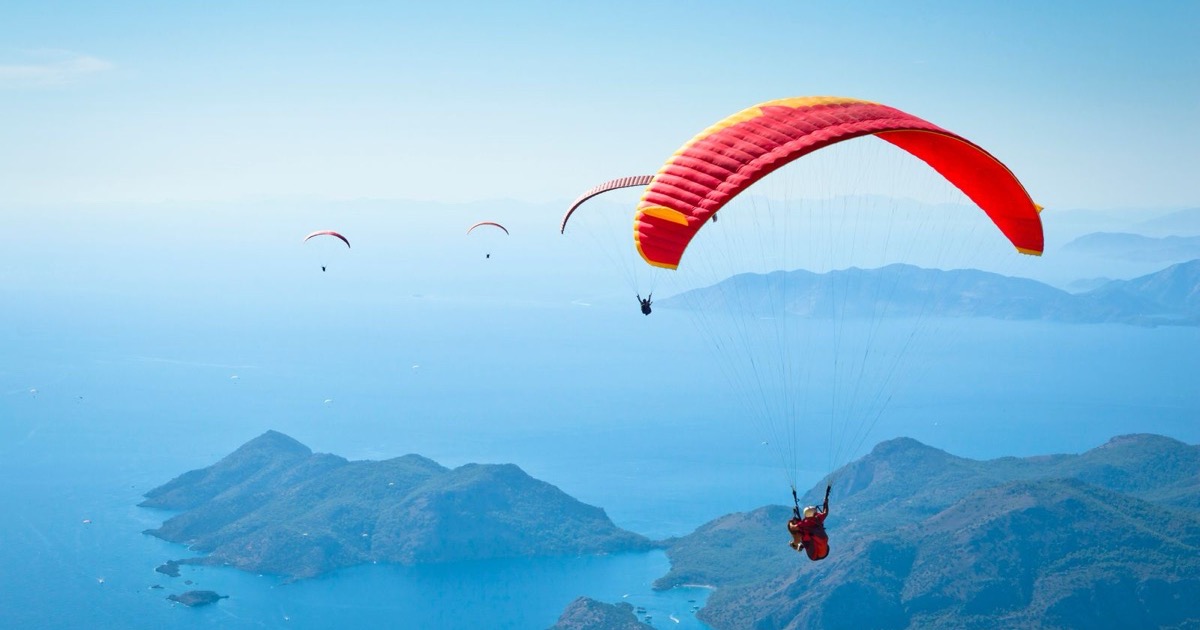

Planning your next adventure on the Turkish Riviera? This Fethiye watersports season guide reveals when the breezes, waves, and temperatures line up for the ultimate…
Planning your next adventure on the Turkish Riviera? This Fethiye watersports season guide reveals when the breezes, waves, and temperatures line up for the ultimate play on the water. From windsurfing thrills to kite‑surfing spectacles, the guide breaks down the calendar so you can match your calendar to the coast’s rhythm. Dive into the details and make 2026 the year you master the turquoise waters of Fethiye.
When is the ideal time for windsurfing in Fethiye?
The most reliable wind window for windsurfing stretches from late May through early October. During this period, the Meltemi breezes dominate the Aegean, delivering steady gusts of 12‑20 knots that suit both intermediate and advanced riders. The famous Oludeniz bay benefits from the funneling effect of surrounding cliffs, amplifying wind speed and creating flat water in the lee, perfect for smooth runs.
Early June offers a sweet spot: sea temperatures hover around 20 °C, warm enough for a short wetsuit, while the crowds are still moderate. By late July and August, water warms to 24‑25 °C, but the influx of tourists can make launch areas busier. For those seeking quieter sessions, mid‑September provides lingering warm water and winds that remain strong before the seasonal lull.
Wind conditions Oludeniz are monitored daily by local marinas, and many schools publish real‑time forecasts. Checking these sources before heading out ensures you catch the best wind day, aligning with the broader best time for windsurfing Fethiye.
What are the top beaches for kite surfing in Fethiye during summer?
Kite surfing thrives on the open, wind‑filled bays of the Turquoise Coast. In summer, three beaches consistently rank highest: Çalış Beach, Kabak Bay, and Ölüdeniz’s southern shore. Çalış offers a long, shallow stretch where the wind picks up early in the morning, ideal for beginners and those who prefer flat water. Kabak Bay, tucked between pine‑clad hills, channels stronger gusts in the afternoon, attracting experienced riders looking for jumps and freestyle lines.
The southern shore of Ölüdeniz, often called the “Kite Zone,” benefits from the same wind corridor that powers the famous paragliding launch. Here, the water deepens quickly, providing space for high‑speed runs and aerial tricks. Summer watersports Fethiye see a surge of kite schools offering lessons, equipment rental, and safety briefings, all geared toward the growing demand.
| Beach | Typical Wind (knots) | Water Depth | Facilities |
|---|---|---|---|
| Çalış Beach | 12‑16 | Shallow to 2 m | Rental shops, showers, cafés |
| Kabak Bay | 15‑22 | Gradual drop, 3‑5 m | Eco‑friendly camps, basic eateries |
| Ölüdeniz South | 14‑20 | Deep, >5 m | Full‑service schools, lifeguard patrols |
How do sea temperatures affect watersports in Fethiye throughout the year?
Sea temperature Fethiye follows a Mediterranean pattern, starting at around 16 °C in March and climbing to a peak of 25 °C in August. Early spring waters feel brisk, prompting most stand‑up paddleboarders and snorkelers to wear wetsuits, while windsurfers often opt for thinner gear to maintain flexibility.
From June onward, the warming sea invites longer sessions across disciplines. Snorkeling bays such as Butterfly Bay become comfortable for extended underwater exploration without thermal protection. For paddleboarders, the rise in temperature reduces fatigue, allowing for longer routes along the coastline and into hidden coves.
By late September, temperatures settle near 22 °C, a sweet spot for those who prefer cooler water after a hot summer but still want to enjoy summer watersports Fethiye without the peak‑season crowds. As the water cools into winter, activity shifts toward wind‑driven sports, where wind strength often compensates for the chill, and eco‑friendly watersports operators promote gear rentals that include thermal accessories.
Which Fethiye beaches offer the best conditions for stand‑up paddleboarding?
Stand‑up paddleboarding (SUP) thrives on calm, clear water and easy access to launch points. Along the Fethiye turquoise coast watersports corridor, three bays consistently provide the smoothest surface during the shoulder seasons of late spring and early autumn. Oludeniz Beach benefits from its protected lagoon, where wind direction shifts offshore in the mornings, creating glass‑like conditions ideal for beginners and long‑distance paddlers alike. Calis Beach offers a slightly longer shoreline with gentle rip currents that are easy to navigate, making it a favorite for intermediate riders seeking a bit more distance without sacrificing safety. Gemiler Bay, tucked behind a line of pine‑crowned cliffs, shelters paddlers from the prevailing north‑easterly breezes, delivering a tranquil paddling experience even when the surrounding sea is choppy.
Beyond water calmness, each location supplies essential amenities for a full‑day SUP outing. Oludeniz hosts several rental operators that include waterproof storage bags and guided sunrise tours, while Calis features a series of shaded cafés where paddlers can refuel without trekking far. Gemiler’s remote feel is balanced by a modest beach club that provides fresh fruit smoothies and a small equipment depot, ensuring that even the most secluded paddlers can restock quickly.
| Beach | Typical Water Calmness (May‑Oct) | Launch Ease | Nearby Amenities |
|---|---|---|---|
| Oludeniz | High – lagoon protection | Ramp and sand shore | Rental shops, cafés, sunrise tours |
| Calis | Medium – occasional light breeze | Wide sandy beach | Multiple cafés, bike rentals |
| Gemiler Bay | High – cliff shelter | Gradual slope, limited parking | Beach club, smoothie bar |
What wind patterns should I expect in Fethiye’s bays in spring?
Spring in Fethiye, spanning March through May, marks the transition from the Mediterranean’s mild winter to the stronger summer thermals. During this period, the dominant wind system is the north‑easterly “Lodos,” which typically arrives in the afternoons and can reach 12‑18 knots over the open sea. However, the geography of the bays creates micro‑climates that moderate the Lodos, especially in the early morning when the wind is often light or absent.
For wind‑dependent sports such as kite surfing and windsurfing, the timing of the Lodos is crucial. The best time for windsurfing Fethiye in spring is usually between 10 am and 2 pm, when the thermal gradient strengthens the breeze without generating hazardous chop. Kite surfers often prefer the slightly later window of 2 pm to 5 pm, when the Lodos gains consistency and the sea surface remains relatively flat in sheltered coves.
- Oludeniz Bay – morning lull, afternoon Lodos builds to 12‑15 knots, ideal for kite launch from the beach club.
- Calis Bay – protected by a headland, experiences a delayed wind onset, offering 10‑14 knots from noon onward.
- Yacht Bay (Koycegiz) – open exposure leads to earlier wind pick‑up, reaching 15‑18 knots by 11 am.
- Gemiler Bay – cliffs block most of the Lodos, keeping winds under 8 knots, perfect for gentle windsurf sessions.
- Fethiye Harbour – channeling effect can amplify wind speed to 16‑20 knots in late afternoon, suited for advanced kite surfers.
Are there any water‑sport friendly beach clubs in Fethiye?
The rise of Fethiye beach activities 2026 has encouraged several beach clubs to adopt a full‑service model for water‑sport enthusiasts. Blue Horizon Beach Club at Oludeniz combines a spacious deck with dedicated storage racks for kites, boards, and SUPs. Their on‑site staff handle equipment fitting, safety briefings, and even offer group lessons for both beginners and seasoned riders. The club’s schedule aligns with the kite surfing season Fethiye, providing early‑morning sessions when the wind is most reliable.
Further south, Sunset Cove Club on Calis Beach has positioned itself as a hub for windsurfing and stand‑up paddleboarding. The venue offers a shallow water zone protected by a floating breakwater, allowing novices to practice balance and turning without confronting the open sea’s stronger currents. Rental rates are bundled with a complimentary beverage, encouraging longer practice periods.
For those seeking a more upscale environment, Marina Breeze Club at the Fethiye Marina caters to summer watersports Fethiye visitors who prefer a blend of luxury and activity. The club’s fleet includes high‑performance kites, carbon‑fiber windsurf boards, and electric SUPs. Their concierge service can arrange guided tours of the most scenic bays, ensuring that participants experience both the thrill of the sport and the region’s stunning coastline.
How can I combine snorkeling and kayaking on Fethiye’s coastline?
Kayaking provides direct access to secluded coves that are often missed by larger boats. Launch from the main harbor at Ölüdeniz or from the quieter slipway at Çalış Beach, then paddle northward toward the sheltered inlet of Butterfly Bay. The calm waters inside the bay create an ideal environment for snorkeling; the shallow reef is home to colorful sponges, small moray eels, and occasional sea turtles. By positioning the kayak at the edge of the reef, you can slip off your fins, dive, and explore the underwater landscape without disturbing the marine life.
For a full‑day itinerary, start early to catch the gentle morning breeze that keeps the sea surface smooth. After a brief warm‑up paddle, head to the well‑known snorkeling spot of Gemiler Island. The island’s western shoreline offers clear visibility and a variety of fish species. Keep a waterproof bag with your snorkel gear in the kayak’s storage compartment; this eliminates the need for a separate boat and reduces waiting time at crowded launch points. When the sun climbs higher, take a short break on the beach, refuel with fresh fruit, and continue the combined adventure along the coast toward the hidden inlet of Kabak Bay.
What safety tips should I know for watersports in Fethiye?
The Mediterranean climate brings warm water temperatures from June through September, but sudden gusts can appear, especially near the famous paragliding launch site at Babadag. Always check the local wind forecast before heading out, and be prepared to adjust your activity if the Beaufort scale exceeds a moderate breeze (force 4). Wearing a properly fitted life jacket is mandatory for all motorized watercraft and strongly recommended for paddle‑board and kayak outings, even in calm conditions.
Sun protection is essential; the region’s UV index often reaches high levels during midday. Apply reef‑safe sunscreen, wear a wide‑brimmed hat, and consider a long‑sleeve rash guard to protect both skin and clothing. Finally, respect the marine environment: avoid touching coral, keep a safe distance from wildlife, and dispose of any waste in designated bins onshore.
- Verify that rental equipment is in good condition; look for cracks in hulls, secure straps, and functional inflatables.
- Carry a compact waterproof pouch with emergency contacts, a basic first‑aid kit, and a whistle.
- Stay within designated swimming zones; some areas are reserved for motorized traffic.
- Never venture alone on open water; a buddy system reduces risk and enhances enjoyment.
- Be aware of local currents near the entrance to the Fethiye harbor; they can be stronger than expected.
- Inform a friend or hotel staff of your planned route and expected return time.
- Follow any instructions from lifeguards or local authorities, especially during peak tourist months.
Which accommodations are closest to Fethiye’s prime watersports beaches?
For travelers focused on early‑morning sessions, the beachfront resorts along Ölüdeniz Bay place you steps away from the launch points for windsurfing, kite‑surfing, and stand‑up paddleboarding. Many of these properties feature on‑site equipment rentals, allowing you to reserve a board the night before and head straight to the water at sunrise. The proximity also means you can enjoy a quick shower and breakfast before returning to the sea.
On the opposite side of the harbor, boutique hotels near Çalış Beach provide easy access to calmer waters ideal for kayaking and snorkeling. These smaller establishments often include private kayaks on their premises, and the surrounding promenade offers shaded cafés where you can rest between excursions. Staying in this area also puts you within walking distance of the marina, where local operators run day trips to the quieter coves of Kabak and Butterfly Bay.
If you prefer a more secluded setting, the eco‑focused lodges on the slopes above Kabak Valley combine sustainable design with direct pathways to the beach below. Guests can join guided paddle tours that depart from a small wooden pier, and the altitude offers cooler evenings after a day spent on the water. Each of these accommodation types aligns with the region’s emphasis on environmentally responsible tourism, ensuring that your watersports experience leaves a minimal footprint.
How do I rent equipment for watersports in Fethiye?
Most visitors start at the bustling bays of Ölüdeniz and Çalış, where dozens of rental operators line the promenade. Shops typically carry everything from stand‑up paddleboards and windsurf boards to kite‑surf rigs and jet‑skies. Prices are posted in Turkish lira and often include a brief safety briefing; daily rates for a paddleboard hover around 150 TL, while a full‑day kite‑surf package can reach 600 TL. Many businesses now accept online reservations through their websites or popular travel platforms, allowing you to lock in equipment before you arrive.
When you pick up gear, ask for a helmet, impact vest, and a waterproof leash if you plan to venture beyond the calm lagoon. Most rental desks provide a short tutorial on launch techniques and local wind patterns, which is especially useful for beginners. If you are new to a sport, consider booking a one‑hour lesson; instructors are usually certified by the Turkish Watersports Federation and can guide you to the safest launch spots. Remember to inspect the equipment for any damage and keep a copy of the rental agreement in case of disputes.
What are the environmental regulations for watersports in Fethiye?
The Turkish Ministry of Environment designates several sections of the Turquoise Coast as marine protected areas. Within these zones, motorized watercraft such as jet‑skies and powered surfboards are prohibited, and only non‑motorized activities like paddleboarding or kayaking are allowed. Violations can result in fines and confiscation of equipment, so always check local signage before heading out.
Beyond the protected zones, the local municipality enforces a “no litter” rule that requires all participants to bring back any waste, including plastic water bottles and fishing lines. Kite‑surfers must respect the seasonal nesting period of the endangered monk seal, which usually runs from May to September; during this time, kite‑launches are restricted to designated areas away from known haul‑out sites. Staying informed about these guidelines helps preserve the crystal‑clear waters that attract visitors year after year.
Sources & Further Reading
Frequently Asked Questions
What is the best month for windsurfing in Fethiye?
July and August typically offer the most reliable thermal winds, with average speeds between 12 and 18 knots. The heat inland creates a steady sea‑breeze that fills the bays, providing consistent lift for both beginners and advanced windsurfers. Early mornings and late afternoons are the quietest periods, as the wind can strengthen around midday.
Can beginners try kite surfing in Fethiye?
Yes, several schools in Ölüdeniz run introductory courses that combine classroom theory with on‑water practice. The shallow lagoon behind the famous Blue Lagoon beach offers calm conditions ideal for first‑time flyers. Most programs provide all necessary gear and last between two and four hours, allowing novices to gain confidence before venturing into open water.
How warm is the water in Fethiye during July?
Sea temperatures in July usually sit between 24 °C and 26 °C (75 °F‑79 °F). This warmth makes it comfortable to wear a thin wetsuit or even go without one, especially for paddleboarding or snorkeling. The temperature remains fairly stable throughout the month, with only minor fluctuations due to wind or rain.
Are there any guided watersports tours in Fferhiy?
Guided tours are available for most major activities, from multi‑day kite‑surf expeditions along the coast to day‑long SUP excursions that explore hidden coves. Operators often include transportation from central Fethiye, a professional guide, and a safety briefing. Booking in advance during peak season is advisable, as spots fill quickly.
What is the average wind speed in Ölüdeniz?
Measurements taken over the past five years show an average wind speed of 13 knots during the summer months, with occasional gusts reaching 20 knots on particularly windy days. The wind direction is generally from the northwest, creating a reliable pattern that attracts wind‑sport enthusiasts from around the world.
Is it possible to rent a paddleboard on a daily basis?
All major rental outlets in the main bays offer daily paddleboard rentals, and many also provide half‑day or hourly options for those who want a quick session. The boards are typically stored on racks near the beach, and staff will demonstrate basic paddling techniques before you set off.
Which beaches have lifeguards on duty?
Oludeniz Beach, Calis Beach, and the central Fethiye promenade all employ trained lifeguards during the high‑season months of May through September. Lifeguard stations are marked with red and white flags, and they conduct regular safety patrols throughout the day.
How do I get to the main watersports beaches by public transport?
Local minibusses, known as dolmuş, run frequent routes from Fethiye’s central bus station to Ölüdeniz, Calis, and Kabak Bay. The journey to Ölüdeniz takes about 20 minutes, while Calis is reachable in roughly 10 minutes. Tickets can be purchased directly from the driver for a modest fare.
Are there any restrictions on jet skiing in Fethiye?
Jet‑skies are allowed only in designated zones that are clearly marked with signage. The municipality prohibits their use inside the protected marine areas and within 500 meters of popular swimming beaches. Operators must verify that riders hold a valid watercraft license, and they are required to keep noise levels below a set threshold to protect marine life.
Before you head out, double‑check the latest weather forecast and any local notices posted at beach entrances. Planning ahead ensures you can make the most of Fethiye’s vibrant watersports scene while staying safe and respectful of the environment. Enjoy the waves and the clear skies that make this corner of the Turquoise Coast so appealing.
Plan your trip
Book Istanbul attraction tickets
Skip-the-line tickets and guided tours for Istanbul's top sights, with mobile tickets and flexible cancellation.
See tickets on TiqetsWe may earn a commission from bookings made through this link, at no extra cost to you.
Reviewed by our editor for Türkiye & the Eastern Mediterranean
Elif DemirTürkiye & Eastern Mediterranean Editor
Travel writer covering Türkiye and the Eastern Mediterranean, from Istanbul's old city to the Aegean coast.
More articles by Elif Demir →