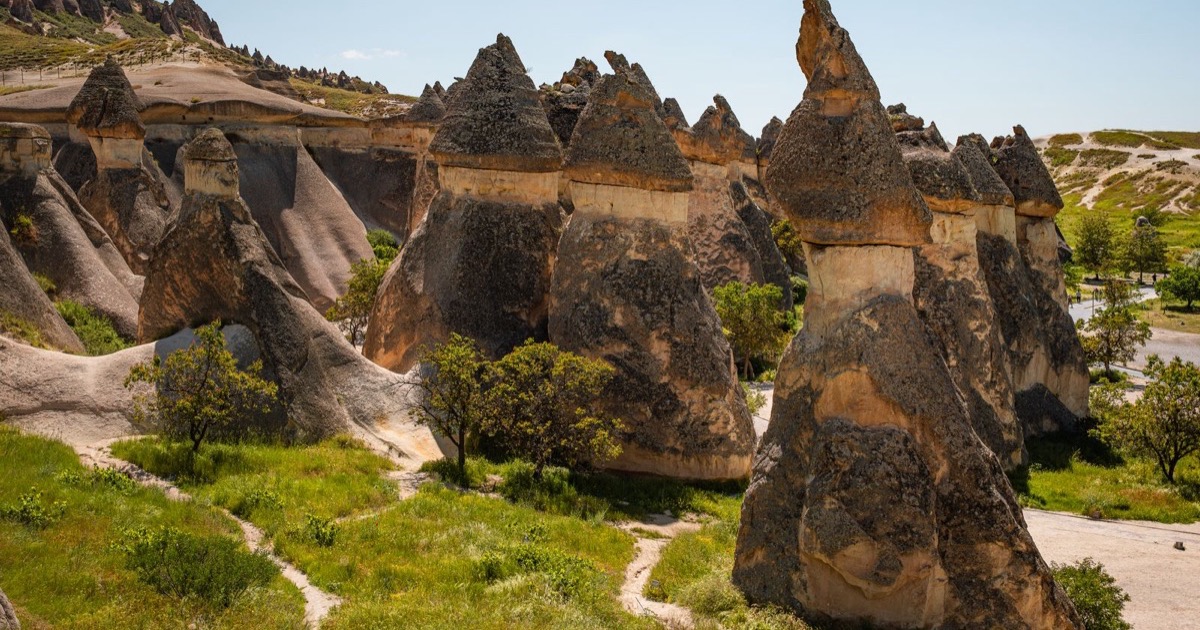

The question of the best time to visit Cappadocia often begins with a simple desire: to walk among the iconic fairy chimneys under comfortable skies.
The question of the best time to visit Cappadocia often begins with a simple desire: to walk among the iconic fairy chimneys under comfortable skies. In 2026, travelers can plan their trips with a clear picture of climate patterns, crowd fluctuations, and seasonal events. By aligning hiking goals with weather data and local festivals, you’ll maximize both comfort and scenery. Below is a practical guide that translates those variables into actionable dates for your adventure.
When is the ideal month for hiking the fairy chimneys in Cappadocia?
April and May consistently emerge as the top choices for hikers who prioritize mild temperatures and vibrant landscapes. Average daytime highs hover around 18‑22°C (64‑72°F), while evenings remain cool enough for a comfortable campfire after a day on Göreme hiking trails. The region’s wildflowers bloom across Love Valley and Red Valley, adding color to the stone formations and creating excellent photo opportunities.
September and early October offer a comparable climate profile, with daytime temperatures ranging from 20‑24°C (68‑75°F) and significantly reduced rainfall compared to the summer months. The harvest season brings local markets to life, and the Cappadocia festivals 2026 often feature cultural performances that enrich the hiking experience without overwhelming the trails.
If your schedule is flexible, consider the shoulder month of late March. While temperatures are slightly cooler (average 12‑16°C or 54‑61°F), the crowds are thin and the first hot air balloon schedule of the season begins to appear, giving you a chance to witness the balloon flight best time without the peak‑season surge.
How does the weather affect fairy chimney hikes in Cappadocia throughout the year?
Winter months (December‑February) bring average temperatures below 5°C (41°F) and occasional snowfall that can render some trail sections slippery, especially in the deeper valleys. While the snow‑capped chimneys present a striking visual, the cold limits the length of comfortable hikes and may cause some hot air balloon operators to suspend flights, affecting the balloon flight best time.
Summer (June‑August) sees daytime highs climbing to 30‑35°C (86‑95°F). The heat can make strenuous hikes exhausting, particularly on exposed routes like the Red Valley ascent. However, early morning departures—coinciding with the first balloon launches—allow you to experience cooler conditions and avoid the midday sun.
| Month | Avg Temp (°C) | Rainfall (mm) | Crowd Level | Balloon Availability |
|---|---|---|---|---|
| March | 12‑16 | 30‑45 | Low | Limited, early season |
| April | 15‑20 | 25‑40 | Medium | Full schedule |
| May | 18‑22 | 20‑35 | Medium | Full schedule |
| June | 25‑30 | 15‑25 | High | Full schedule |
| July | 28‑33 | 10‑20 | High | Full schedule |
| August | 27‑32 | 15‑30 | High | Full schedule |
| September | 20‑24 | 20‑35 | Medium | Full schedule |
| October | 15‑20 | 30‑45 | Low | Full schedule |
| November | 10‑14 | 40‑55 | Low | Reduced frequency |
| December | 5‑9 | 45‑60 | Low | Often suspended |
The table illustrates why the spring and early fall months dominate Cappadocia hiking seasons. Rainfall remains modest, temperatures stay within a comfortable range for multi‑hour treks, and the tourist season Cappadocia experiences a dip that translates into lower accommodation costs and quieter trailheads.
What are the crowd levels like during spring and fall in Cappadocia?
Spring (April‑May) attracts a steady stream of visitors drawn by the blooming landscape and the start of the hot air balloon schedule. While the region is busier than the winter lull, the influx is spread across multiple valleys, meaning that popular spots such as Love Valley rarely feel congested. Trailheads in Göreme typically see short waiting periods, and the overall atmosphere remains relaxed.
Fall (September‑October) offers an even calmer environment. After the summer peak, many travelers have departed, leaving the valleys with ample space for solo exploration or small group hikes. Local festivals in early October add cultural flavor without creating mass tourism spikes, keeping the Cappadocia crowd levels at a comfortable low.
Both seasons benefit from a balanced mix of favorable weather and manageable visitor numbers, making them the optimal windows for anyone seeking a genuine connection with the fairy chimneys and the surrounding terrain.
Which months offer the best conditions for hot air balloon rides over the fairy chimneys?
Hot‑air ballooning is the signature experience in Cappadocia, and the quality of a flight hinges on weather stability, wind speed, and visibility. In 2026 the most reliable window runs from early April through early June and then again from late August through early October. During these periods the region enjoys clear skies, gentle breezes under 10 km/h, and temperature swings that keep the air dense enough for smooth ascents without compromising safety.
April and May bring the fresh scent of spring blossoms to the valleys, while the average daytime temperature hovers between 12 °C and 18 °C. These conditions produce the iconic sunrise glow over the fairy chimneys without the heat that can cause turbulence later in the day. September and early October repeat the pattern, but with a subtle shift toward cooler evenings, making the golden hour even more dramatic. Crowd levels for balloon flights rise modestly in May and September, yet they remain far below the peak surge seen in July and August, allowing for a more relaxed boarding experience.
| Month | Avg Temp (°C) | Typical Wind | Visibility | Crowd Level |
|---|---|---|---|---|
| April | 12‑16 | 5‑9 km/h (mostly calm) | Excellent | Low |
| May | 15‑19 | 6‑10 km/h | Excellent | Medium |
| September | 18‑22 | 5‑9 km/h | Excellent | Medium |
| October (1‑10) | 13‑17 | 4‑8 km/h | Excellent | Low |
How do temperature variations impact hiking comfort in Cappadocia?
Temperature is the single most influential factor for hikers traversing the valleys and ridges that host the region’s famed fairy chimneys. In the spring months (March‑May) mornings can start near freezing, especially at higher elevations such as the top of Love Valley, while midday sunshine quickly lifts temperatures to a pleasant 15‑20 °C. This diurnal range encourages an early start, allowing hikers to enjoy cooler footing before the sun intensifies the stone surfaces.
Summer (June‑August) brings daytime highs that often exceed 30 °C, turning exposed trail sections into radiators that can sap energy quickly. Carrying ample water and a wide‑brimmed hat becomes essential, and many hikers shift their schedule to early‑dawn or late‑afternoon walks when temperatures dip back into the mid‑20s. Autumn (September‑November) mirrors spring’s swing but with a slightly longer cool period; evenings drop to 8‑12 °C, making a light jacket advisable for post‑hike meals in the village cafés.
- Morning chill can stiffen muscles – a brief warm‑up routine reduces the risk of strains.
- Midday heat softens the volcanic tuff, creating slick footing on some trails.
- Temperature drops after sunset can make rock surfaces feel uncomfortable for extended rests.
- Rapid temperature changes may cause dehydration faster than anticipated.
- Cooler air at higher altitudes improves breathability, but wind chill can make it feel colder.
- Evening breezes often clear dust, improving visibility for night photography.
- Layering enables quick adaptation to shifting conditions without carrying excess weight.
What festivals or events coincide with the best hiking season in Cappadocia?
The prime hiking window—late spring and early fall—aligns with several cultural celebrations that add a lively backdrop to trail adventures. In late April, the Cappadocia Spring Festival showcases local crafts, folk dances, and traditional music in Göreme and Ürgüp. The timing means hikers can explore the valleys in the morning and then join evening performances that celebrate the region’s heritage.
September hosts the International Cappadocia Wine & Harvest Fair, where vineyards open their doors for tastings and guided tours. The fair’s schedule often includes sunrise hikes that culminate in a glass of locally produced wine at a hillside terrace, merging natural beauty with culinary tradition. Both events attract moderate visitor numbers, keeping crowd levels on the trails manageable while offering a glimpse into regional customs.
Are there any safety concerns for hikers during the rainy season in Cappadocia?
The rainy months, typically November through March, bring higher rainfall Cappadocia totals and cooler average temperature Cappadocia. Trail surfaces on the Göreme hiking trails can become slick, especially on volcanic tuff steps that erode over time. Hikers should watch for sudden mudslides in narrow gullies of Love Valley, where water can accumulate behind loose rock formations.
Visibility may drop during afternoon showers, making it harder to follow route markers. Carry a waterproof map or download offline GPS tracks before setting out. The region’s micro‑climate also means that temperature can swing dramatically; a sunny morning can turn into a chilly, damp afternoon, increasing the risk of hypothermia if you are not dressed in layers.
Because the tourist season Cappadocia thins out during this period, some mountain‑guide services reduce their hours. If you plan a longer trek, let a local guesthouse know your itinerary and expected return time. Emergency response remains available, but response times can be longer when roads are wet.
How can I find affordable accommodation during the low‑season in Cappadocia?
Low‑season rates drop significantly after the peak summer months and before the spring surge. Many cave hotels and hostels lower nightly prices by 30‑50 % and often include complimentary breakfast. Booking platforms show a “last‑minute” discount window in February and early March, which aligns with the quieter tourist season Cappadocia. the Cappadocia festivals 2026 calendar lists a few cultural events in the off‑peak months; staying in the same town as the festival can reduce transport costs.
Consider staying in smaller villages such as Çavuşin or Ortahisar rather than Göreme. These locations provide authentic lodging options and easy access to the main trailheads via local minibusses. When you book directly with the property, you can often negotiate a reduced rate for a longer stay, especially if you are flexible with check‑in dates.
- Family‑run guesthouses offering shared dormitories.
- Hostels with rooftop terraces overlooking the valleys.
- Budget cave inns that include free Wi‑Fi and laundry.
- Apartment rentals with kitchen facilities for self‑catering.
- Eco‑lodges that promote sustainable tourism and lower fees.
- Camping sites near Red Valley that provide basic amenities.
- Monastery conversions turned budget hotels, often with historic charm.
What gear should I pack for hiking the fairy chimneys in different seasons?
Spring (April‑May) and autumn (September‑October) present the most balanced weather, with daytime highs around 15‑20 °C. Pack breathable layers, a lightweight waterproof jacket, and sturdy hiking boots with good ankle support for uneven terrain on the Red Valley paths. A hat and sunscreen remain essential because the sun can be strong at higher elevations.
Summer months (June‑August) see temperatures climbing above 30 °C, especially in exposed sections of Love Valley. Choose moisture‑wicking shirts, ventilated shoes, and a wide‑brim hat. Carry ample water—at least 2 liters per person for a half‑day hike—and a reusable bottle to refill at the few water points along the trails.
During the rainy season, prioritize waterproof gear: a fully sealed rain shell, gaiters to keep mud out of boots, and quick‑dry socks. Insulated layers become valuable when temperatures dip below 5 °C after sunset. A compact headlamp is advisable for shorter daylight hours, and a small first‑aid kit should include blister treatment.
How do daylight hours change throughout the year for hiking in Cappadocia?
From late March to early October the region enjoys more than ten hours of sunshine each day, with sunrise typically around 06:30 am and sunset near 20:00 pm in July. These long daylight windows allow hikers to start early, reach the most popular valleys before the heat peaks, and still have ample time for a relaxed return to accommodation.
During the shoulder months of November through February daylight shrinks to roughly seven to eight hours, with sunrise after 07:30 am and sunset before 17:00 pm. Planning a hike in winter therefore requires a tighter schedule; many travelers begin at first light, carry a headlamp for any unexpected delays, and aim to be off exposed ridges before dusk.
What else should travelers know about Cappadocia?
The landscape sits at an elevation of 1 000 – 1 300 meters, so even in summer evenings can feel cool. Packing a lightweight insulated jacket, sun‑protective clothing, and sturdy, breathable footwear will keep you comfortable across temperature swings. Because the terrain is largely volcanic tuff, trails can be loose underfoot; a trekking pole adds stability without adding bulk.
Local customs encourage modest dress when entering villages or religious sites, so bring a scarf or shawl to cover shoulders if you plan to visit churches carved into rock. Public water sources are limited; carrying a refillable bottle and topping up at cafés or guest‑house taps is both practical and environmentally friendly. Finally, internet coverage is reliable in towns but may fade on remote paths, so download maps and any needed permits before heading out.
Sources & Further Reading
Frequently Asked Questions
What is the best month to hike the fairy chimneys in Cappadocia?
April, May, September and October provide the most favorable conditions. Temperatures range from 12 °C to 22 °C, daylight exceeds ten hours, and visitor numbers are lower than the peak summer weeks. These months also align with the region’s wildflower bloom, adding visual interest to the trails.
Is it safe to hike the fairy chimneys during winter?
Winter hikes are possible but require extra caution. Snow and ice can make certain sections slippery, especially on higher ridges, so crampons or microspikes are advisable. Check local weather forecasts each morning and consider hiring a guide if you are unfamiliar with alpine‑type conditions.
How much does a hot air balloon ride cost in peak season versus off‑season?
During the high‑traffic months of June through August prices typically sit between 200 € and 250 € per person, reflecting higher demand and favorable wind patterns. In the shoulder periods of March–May and September–November rates often drop to 150 €–180 €, while the winter months may see further reductions but also increased cancellation risk due to weather.
Do I need a guide for hiking the fairy chimneys?
A guide is not mandatory for the well‑marked routes such as the Red and Rose Valleys, which are clearly signposted and frequented by solo trekkers. However, a local guide can provide insight into lesser‑known passages, historical context, and safety tips, especially if you intend to explore off‑track sections or hike at sunrise when visibility is lower.
What are the average temperatures in Cappadocia during spring?
In March the daily mean hovers around 10 °C, rising to 18 °C by May. Nighttime lows remain near 4 °C in early spring and climb to 9 °C later in the season. These moderate temperatures make layered clothing the most practical approach.
Are there any festivals that affect trail access in Cappadocia?
The International Cappadocia Hot Air Balloon Festival in early July draws large crowds to the launch sites and surrounding valleys, occasionally prompting temporary closures of popular walking paths for safety. The Hacıbektaş Şeb-i Arus (Whirling Dervishes) celebration in December also brings increased foot traffic near cultural landmarks, so checking local event calendars before finalizing a route is advisable.
How can I avoid crowds when hiking the fairy chimneys?
Start your hike before 07:00 am or after 18:00 pm during the summer months, when most day‑trippers have already left the valleys. Selecting lesser‑known trails such as the Pigeon Valley extension or the Üçhisar‑to‑Ortahisar ridge can also provide a quieter experience. Finally, visiting in the shoulder seasons naturally reduces the number of fellow hikers.
What is the typical rainfall in Cappadocia during autumn?
October receives an average of 30 mm of precipitation, while November can see up to 45 mm, mostly as short showers rather than prolonged downpours. Rainfall is usually concentrated in the late afternoon, so planning summit attempts for the morning helps avoid wet conditions on exposed rock.
Which hiking trails are open year‑round in Cappadocia?
The Göreme Open‑Air Museum perimeter path, the Love Valley walk, and the Ihlara River trail are maintained throughout the year and remain accessible regardless of season. These routes are relatively low‑gradient and receive regular clearing, making them reliable choices when weather limits access to higher elevations.
Can I combine a fairy chimney hike with a hot air balloon experience?
Yes, many travelers schedule a sunrise balloon flight followed by a mid‑morning hike, taking advantage of the cool temperatures and the soft light that continues to illuminate the rock formations. Booking the balloon ride in advance guarantees a spot, and most local operators can suggest trail options that start near the landing zones.
When you finalize your itinerary, align your hike start times with daylight availability and local event schedules to maximize comfort and safety. Carrying a compact weather‑proof map and a charged power bank will keep you prepared for any unexpected changes on the trail. Enjoy the unique geology and cultural layers that make Cappadocia a memorable destination.
Plan your trip
Book Istanbul attraction tickets
Skip-the-line tickets and guided tours for Istanbul's top sights, with mobile tickets and flexible cancellation.
See tickets on TiqetsWe may earn a commission from bookings made through this link, at no extra cost to you.
Reviewed by our editor for Türkiye & the Eastern Mediterranean
Elif DemirTürkiye & Eastern Mediterranean Editor
Travel writer covering Türkiye and the Eastern Mediterranean, from Istanbul's old city to the Aegean coast.
More articles by Elif Demir →