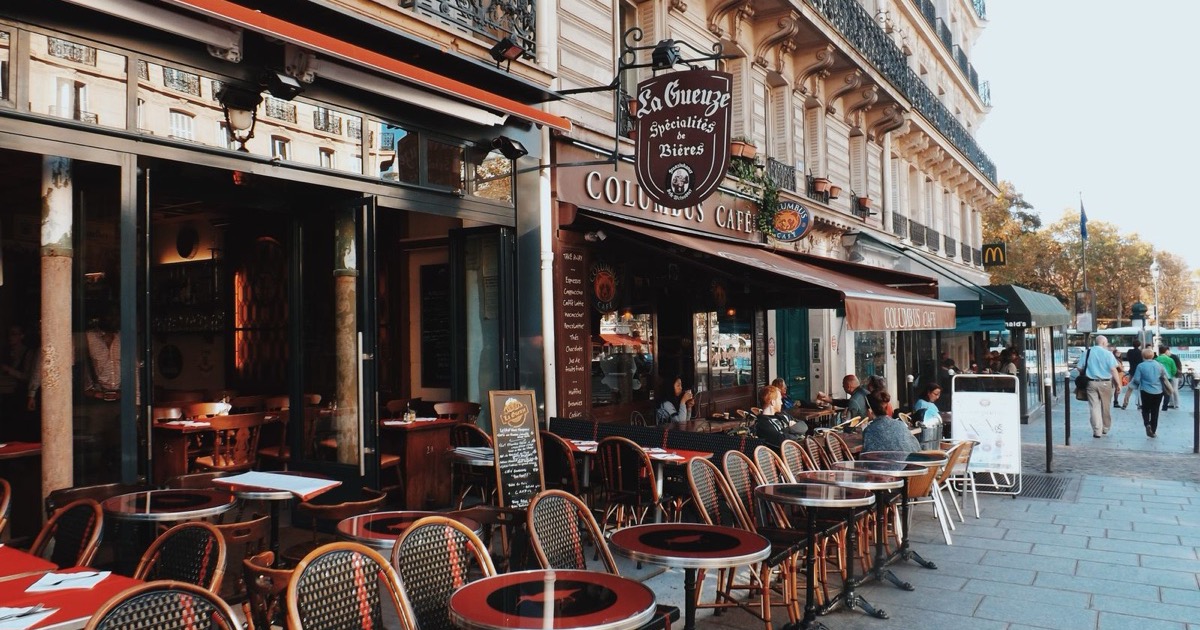

Paris is a city that feeds the senses at every corner, and the 2024 Paris street food guide reveals where locals gather for quick, unforgettable bites.
Paris is a city that feeds the senses at every corner, and the 2024 Paris street food guide reveals where locals gather for quick, unforgettable bites. From the crackle of a fresh crêpe on a summer sidewalk to the aromatic pull of a falafel sandwich near the Canal, the streets pulse with flavors that rival any restaurant menu. Travelers who follow the local trail discover cheap eats Paris has perfected over decades, all while staying under a modest budget. This guide points you straight to the stalls and markets that Parisians trust for their everyday meals.
What are the must‑try street food dishes in Paris?
The classic crêpe remains the cornerstone of French street cuisine, and Parisian vendors have elevated it beyond simple sugar. Savory versions often feature ham, melted cheese, and a sunny‑side‑up egg, while sweet options showcase caramelized bananas, Nutella, or a drizzle of local honey. Another staple is the falafel sandwich, especially popular in the Marais district, where a warm pita is packed with crispy chickpea balls, crisp lettuce, tangy pickles, and a generous dollop of tahini. For those craving a taste of the Mediterranean, the Lebanese‑style manakish—flatbread topped with za’atar, cheese, or minced meat—offers a fragrant, herb‑laden bite that is both filling and portable.
Beyond these, the city’s food trucks have introduced global twists that have quickly become part of the everyday menu. Korean‑style corn dogs, Japanese takoyaki balls, and Mexican elote (grilled corn with mayo, cheese, and chili) line the streets near major transit hubs. Vegetarian street food Paris has embraced a growing demand, with roasted vegetable kebabs, chickpea‑based burgers, and dairy‑free crêpes appearing alongside traditional fare. Halal street food options are also widely available, ensuring that travelers with dietary restrictions can enjoy authentic flavors without compromise.
Where can I find authentic crêpes from local vendors in Paris?
The most reliable crêpe experience begins at the bustling markets that open early each morning. At the Marché des Enfants Rouges in the Marais, a handful of long‑standing crêpe stands serve both sweet and savory varieties, using butter‑browned batter that produces a perfectly crisp edge. Near the Canal Saint‑Martin, a rotating roster of mobile crêpe trucks offers inventive fillings such as smoked salmon with crème fraîche or Nutella with toasted hazelnuts, catering to both traditionalists and adventurous eaters. For a night‑time treat, the street vendors that line the banks of the Seine during summer festivals provide a festive atmosphere where a warm crêpe pairs perfectly with a glass of local cider.
When selecting a vendor, consider the following factors: the freshness of the batter, the presence of a dedicated grill (which indicates a commitment to quality), and the range of toppings that reflect seasonal produce. Many Parisian crêpe makers also offer gluten‑free batter upon request, making the snack accessible to a broader audience. The table below summarizes three popular locations, highlighting their key features and typical price range.
| Vendor | Location | Specialty | Price Range |
|---|---|---|---|
| Marais Crêpe Stand | Marché des Enfants Rouges, 3rd arrondissement | Classic ham‑cheese‑egg; Nutella‑banana | €3‑€6 |
| Canal Saint‑Martin Crêpe Truck | Canal Saint‑Martin, 10th arrondissement | Smoked salmon with dill; caramelized apple | €4‑€7 |
| Seine Night Market Crêpe Cart | Quai de la Tournelle, 5th arrondissement (summer evenings) | Seasonal fruit compote; savory goat cheese | €5‑€8 |
Which neighborhoods in Paris are known for the best street food?
The Marais remains a focal point for diverse street fare, thanks to its concentration of small shops, bustling markets, and a vibrant LGBTQ+ scene that encourages culinary experimentation. Here, falafel stalls line Rue des Rosiers, while nearby crêpe stands cater to the morning rush of commuters and tourists alike. The Canal Saint‑Martin corridor, stretching across the 10th and 11th arrondissements, has cultivated a reputation for hip food trucks and pop‑up stalls that serve everything from gourmet burgers to vegan sushi rolls, all within walking distance of the waterway’s leafy promenades.
Further north, the Belleville district offers a multicultural mosaic of street food, reflecting the area’s strong immigrant communities. Asian‑inspired noodles, African‑style grilled meat skewers, and Middle Eastern shawarma are readily available from modest kiosks that line Rue de Belleville. Meanwhile, the 13th arrondissement, home to a large Asian population, hosts a nightly night market where dumplings, bao buns, and bubble tea are sold alongside traditional French snacks. These neighborhoods collectively illustrate why the Paris street food guide emphasizes exploring beyond the tourist‑centric zones to discover the city’s most authentic flavors.
How do I locate halal street food options in Paris?
Paris offers a growing network of halal street‑food stalls, especially in neighborhoods with sizable North‑African and Middle‑Eastern communities. The quickest way to pinpoint these vendors is through dedicated mobile apps that filter by halal certification, such as “Halal Food Finder” or “Yelp” with the “Halal” tag enabled. Most apps display user‑generated photos, opening hours, and a brief description of the menu, allowing you to compare options before you arrive.
Another reliable method is to explore the main market halls that traditionally host halal vendors. The Marché Barbès in the 18th arrondissement, the Marché d’Aligre near the Bastille, and the Marché des Enfants Rouges in the Marais all feature stalls clearly marked with halal signage. Walking through these markets, you will notice green or Arabic‑script signs above the counters, indicating that the meat has been prepared according to halal standards.
| Area | Popular Vendor | Main Dish | Approx. Price | Halal Cert. |
|---|---|---|---|---|
| Barbès (18ᵗʰ) | Le Kebab du Nord | Chicken shawarma wrap | €5‑6 | Verified |
| Aligre (12ᵗʰ) | Maison du Couscous | Couscous royal | €7‑9 | Verified |
| Marais (3ᵈ) | Falafel Express | Falafel sandwich | €4‑5 | Verified |
| Canal Saint‑Martin (10ᵗʰ) | Le Petit Liban | Lebanese pizza | €6‑8 | Verified |
What are the best budget‑friendly street food stalls near Canal Saint‑Martin?
The Canal Saint‑Martin district blends a relaxed riverside vibe with a lively culinary scene that caters to travelers watching their spend. Stalls line the Quai de Valmy and the nearby Rue de Crimée, offering quick bites that stay under ten euros. Because the area attracts many locals, you can expect generous portions and authentic flavors without the tourist markup.
Most of these vendors operate from early afternoon until the evening, and many accept contactless payment, which speeds up the checkout line. If you time your visit for the late‑afternoon lull, you’ll often find the queues shorter and the staff more willing to customize your order.
- Le Petit Crêpier – Classic buckwheat galette with ham, cheese, and a sunny‑side‑up egg; €7.
- Street Falafel – Freshly fried falafel balls served in pita with tahini and pickles; €5.
- Asian Banh Mì Truck – Crispy pork or tofu baguette with pickled carrots, cilantro, and sriracha mayo; €6.
- Le Kebab du Canal – Marinated lamb kebab wrapped in flatbread with harissa sauce; €8.
- Crêpe & Waffle Pop‑Up – Sweet crêpe topped with caramelized bananas and a drizzle of chocolate; €4.
- Vegan Burger Stand – House‑made black‑bean patty with avocado, lettuce, and vegan mayo; €9.
- Gelato Corner – Artisan gelato in seasonal flavors, served in a cone or cup; €3.
Are there any late‑night street food markets in Paris?
Paris has embraced a nocturnal food culture, with several markets extending well beyond the traditional closing hour. The most prominent is the “Night Market at Place de la Bastille,” which operates every Thursday from 19:00 to 23:00. Vendors there serve a mix of grilled meats, Asian noodles, and sweet pastries, creating a lively atmosphere for night‑owls.
Another option is the “Canal Night Bites” event, held sporadically during the summer months along the Canal Saint‑Martin. Stalls open around 20:00 and stay open until midnight, offering items such as grilled halloumi, churros, and specialty coffee. Because these markets are seasonal, it’s advisable to check the city’s cultural calendar or local social media groups for the latest dates.
If you prefer a more permanent setting, the “Le Marché des Enfants Rouges” occasionally hosts a late‑night extension on Fridays, allowing you to sample the same diverse selection of street food that the market is known for, but with fewer crowds. Arriving early in the evening ensures you can secure a spot at the most popular stalls before they sell out.
How can I avoid tourist traps when searching for street food in Paris?
Start by walking a few blocks away from the main boulevards. Vendors that attract a steady line of locals—especially those with a small, well‑kept cart—are usually the most reliable. Look for signs of freshness such as a clean prep area, visible ingredients, and a steady turnover of stock.
Use local review apps or the “Paris Eater” guide to pinpoint stalls that have been highlighted by residents. Morning hours are ideal; many authentic crêpes from street vendors and falafel sandwich Paris points of sale open early and serve the first customers before the crowds arrive.
Check for certifications like the “Qualité France” label or a visible hygiene rating. If a stall is positioned inside a night market or near Canal Saint‑Martin food clusters, it often benefits from the same municipal inspections that apply to nearby cafés.
Which Parisian food trucks offer vegetarian or vegan options?
Vegetarian street food Paris has grown dramatically, and several mobile kitchens now specialize in plant‑based menus. The trucks that frequent the République square, the Marché des Enfants Rouges, and the banks of Canal Saint‑Martin regularly rotate seasonal vegan tacos, chick‑pea socca, and dairy‑free crêpes.
Food trucks Paris that focus on sustainable sourcing often display green signage or a leaf icon. These vehicles tend to serve hearty bowls, falafel‑based sandwiches, and inventive vegan desserts, making them a solid choice for a quick, cruelty‑free bite.
- Vegan taco bowl with roasted sweet potato, black beans, and avocado
- Plant‑based falafel wrap with tahini sauce and pickled vegetables
- Soy‑burger topped with caramelized onions, lettuce, and a cashew “cheese” slice
- Seasonal quinoa salad with roasted root vegetables and a lemon‑herb dressing
- Dairy‑free crêpe filled with seasonal fruit compote and a drizzle of oat‑based caramel
- Chick‑pea socca served with a spicy harissa mayo
- Vegan chocolate mousse cup made from aquafaba and dark chocolate
What safety tips should I follow when eating street food in Paris?
Observe the cleanliness of the preparation area. Vendors who keep their tools covered, use disposable gloves, and store perishables in insulated containers are generally adhering to health standards.
Carry a small bottle of hand sanitizer and use it before and after handling food. If a stall offers a choice between pre‑cooked and freshly grilled items, opt for the latter, as it reduces the risk of bacterial growth.
Pay attention to local waste disposal practices. Using the provided recycling bins not only respects the city’s regulations but also signals that you are mindful of the environment—a habit appreciated by many Parisian food sellers.
How do I pay at Paris street food stalls – cash or card?
Most street‑food vendors in Paris have upgraded to contactless terminals that accept Visa, Mastercard and increasingly mobile wallets such as Apple Pay and Google Pay. The machines are compact, often tucked behind the cart, and will prompt you to tap your card or phone; receipts are optional, so keep an eye on the amount displayed before confirming.
Cash is still king at many smaller stands, especially those that have been operating for decades in neighborhoods like Belleville or the 13th arrondissement. A handful of euros in small denominations (1 €, 2 €, 5 €) will smooth the transaction and avoid the occasional “minimum purchase” rule that some card‑only stalls impose. If you’re unsure, a quick “Carte?” in French will let the vendor know you intend to pay by card.
Tip the balance between speed and convenience: for a quick crepe or kebab, a tap‑and‑go card is fastest; for a larger order of bao or a shareable platter, having cash on hand can prevent queues at the payment terminal.
Where can I find the famous falafel sandwich in Paris?
The Marais district, centered around Rue des Rosiers, remains the go‑to zone for the iconic falafel sandwich that locals swear by. Here, several family‑run counters line the narrow streets, each offering a generous pita stuffed with crisp lettuce, juicy tomatoes, tangy pickles, and a house‑made tahini‑lemon sauce. The aroma of freshly fried chickpea balls drifts from the grills, drawing a steady line of both Parisians and students.
Beyond the traditional spot, the 11th arrondissement’s Rue Oberkampf hosts a newer wave of falafel stalls that blend classic flavors with inventive twists—think falafel topped with harissa‑infused slaw or served alongside a side of sweet potato fries. These venues often accept card payments and provide a modern seating area for those who prefer to linger.
If you’re exploring the city on a bike or via the metro, the nearest stations—Saint‑Paul for the Marais and Oberkampf for the east side—place you within a five‑minute walk of the best falafel offerings. Arriving before the lunch rush (around 12 pm) ensures you get a seat, or at least a quick hand‑off of the sandwich.
Sources & Further Reading
Frequently Asked Questions
Is street food in Paris safe to eat?
Yes, street food in Paris adheres to the same health regulations as restaurants. Vendors must display a hygiene rating, and most stalls are inspected regularly by the city’s food safety agency. Look for clean preparation areas and fresh ingredients; if a stall appears disorganized or the food sits uncovered for long periods, it’s wiser to choose another option.
Do I need to speak French to order street food in Paris?
Basic French greetings and a few food‑related words go a long way, but most vendors understand English, especially in tourist‑heavy districts. Simple phrases like “un kebab, s’il vous plaît” or “the falafel, please” are usually enough. If you’re unsure, pointing to the menu or the item you want is universally understood.
What is the typical price range for a street food meal in Paris?
A single portion—such as a crepe, falafel sandwich, or bánh mì—generally costs between 3 € and 7 €. More substantial combos, like a kebab with fries or a shareable platter of bao, fall in the 8 € to 12 € bracket. Prices can rise slightly in central neighborhoods, but you’ll still find quality meals well below restaurant rates.
Can I find gluten‑free street food options in Paris?
Gluten‑free choices are increasingly common, especially at vendors specializing in Asian or Middle‑Eastern fare. Many crepe stalls now offer buckwheat (sarrasin) crepes, which are naturally gluten‑free, and several falafel counters provide gluten‑free pita upon request. It’s always a good idea to ask the vendor directly, as cross‑contamination can occur in busy kitchens.
Are credit cards accepted at most Paris street food stalls?
Contactless card acceptance has grown rapidly, and most stalls in central arrondissements now have a terminal. However, smaller carts in residential neighborhoods may still rely on cash only. Carrying a modest amount of euros ensures you won’t miss out on a tempting snack if a card terminal is unavailable.
How early do street food vendors open in Paris?
Typical opening times range from 10 am to 11 am for breakfast‑style items like croissants and coffee‑filled crepes. Lunch‑focused stalls—selling sandwiches, kebabs, or falafel—usually start serving around 11:30 am and continue until 7 pm. Evening markets and night‑time food trucks in areas like Canal Saint‑Martin may open as late as 6 pm and stay open past midnight.
What are the most Instagram‑worthy street food spots in Paris?
The colorful neon signs of the food trucks along Rue de Lappe, the pastel‑hued crepe stands near the Canal Saint‑Martin, and the bustling falafel counters in the Marais all provide eye‑catching backdrops. Vendors that plate their dishes on wooden boards or serve them in recyclable paper cones add an extra visual element that photographs well.
Is tipping expected at Paris street food carts?
Tipping is not obligatory for street food, but rounding up the bill or leaving a small coin (1 € or 2 €) is appreciated, especially if the service was friendly or the portion generous. Many locals treat street food as a casual, no‑frills experience, so any extra is seen as a kind gesture rather than a requirement.
Where can I find the best falafel sandwich in the city?
The concentration of falafel stalls in the Marais, particularly around Rue des Rosiers, consistently receives high praise from locals for flavor and portion size. For a modern twist, the eastern 11th arrondissement’s Rue Oberkampf offers falafel with inventive toppings and a relaxed seating area. Both neighborhoods are easily reachable by metro and provide a reliable falafel experience.
Are there any food festivals featuring street food in Paris this year?
Paris hosts several seasonal events that spotlight street cuisine, such as the “Fête de la Gastronomie” in September, which includes pop‑up stalls across the city, and the “Paris Street Food Festival” held in the summer along the banks of the Seine. These festivals gather vendors from across France and abroad, offering a chance to sample a wide array of dishes in a festive atmosphere.
Keep a reusable water bottle and a small amount of cash on hand, and let the city’s diverse street‑food scene guide you from one neighborhood to the next. With a little flexibility, you’ll discover flavors that rival any sit‑down restaurant while staying comfortably within budget.
Reviewed by our editor for Europe
Marco BianchiEurope Editor
Europe travel writer focused on city culture, museums and historic routes across the continent.
More articles by Marco Bianchi →