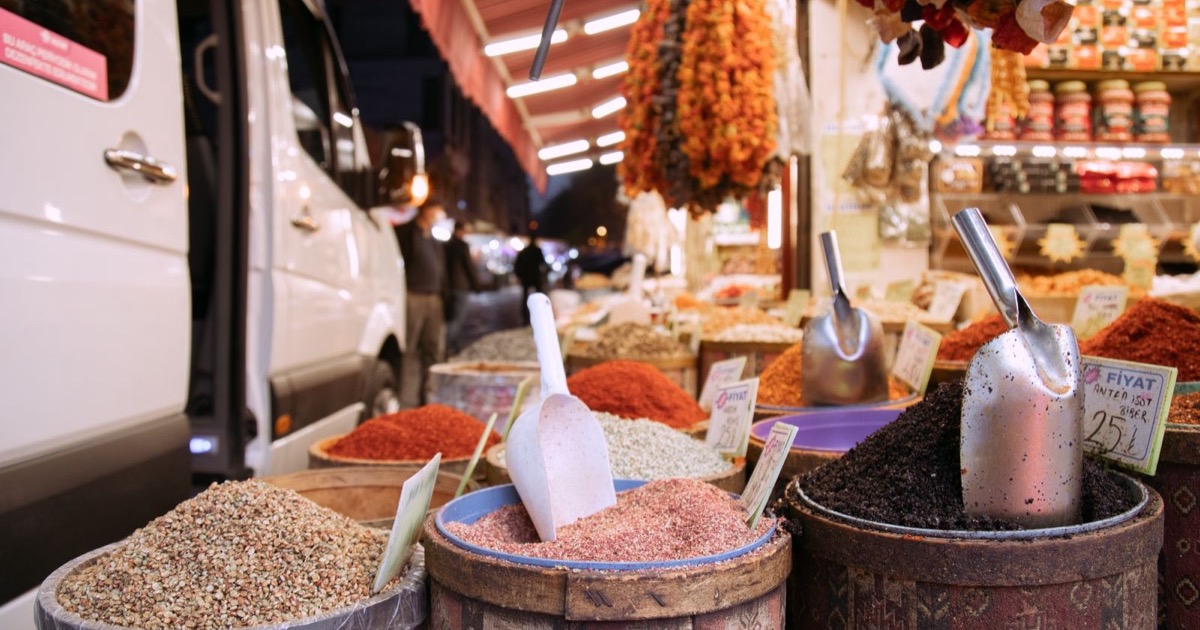

From Aleppo pepper to hand-ground cumin — trusted spice shops and market stalls in Turkey, plus what fair prices look like in the bazaars.
Travelers who crave the aroma of freshly ground cumin, the tang of sumac, or the warmth of Aleppo pepper will find the best Turkish spice shops scattered across the country, each offering a sensory snapshot of centuries‑old culinary traditions. In 2026, the market has evolved with a stronger focus on organic sourcing and transparent provenance, making it easier than ever to trace a spice back to its Anatolian roots. Whether you are restocking a home pantry or hunting for a unique gift, the country's spice vendors combine heritage techniques with modern standards of quality. This guide highlights the most reliable destinations for authentic Turkish flavors.
What are the must‑visit traditional spice shops in Turkey?
One of the most celebrated locations is the historic shop in Karaköy known as Tarihi Baharat Dükkanı. This family‑run establishment has earned a reputation for its handcrafted spice blends, including a premium organic Anatolian sumac that comes with a QR‑coded story of its farm origin. Visitors can watch the grinding process in a small back‑room where the aromas of roasted paprika and dried mint mingle, offering a tangible link to Ottoman market practices.
Another cornerstone of the Turkish spice scene is the Spice Bazaar (Mısır Çarşısı) in Istanbul. While the bazaar itself is a sprawling complex, several stalls stand out for their consistent quality and detailed spice shop reviews from seasoned travelers. These vendors specialize in bulk purchases of staple blends such as baharat, a mix of cloves, cinnamon, and pepper, as well as rarer items like dried rose petals used in desserts. The open‑air setting allows shoppers to compare aromas side by side, an essential step for those who want to select the perfect balance for their recipes.
For a more neighborhood‑focused experience, the Kadıköy market on the Asian side hosts a cluster of small‑scale Baharat dükkanı that source herbs directly from farms in the Aegean and Central Anatolia. Here, the emphasis is on freshness; herbs like Turkish oregano and thyme are displayed in bunches that are still moist from the morning harvest. The shop owners often share preparation tips, turning a simple purchase into an informal culinary lesson.
Where can I find authentic Turkish herbs in Istanbul’s historic neighborhoods?
The historic quarter of Balat, with its winding streets and centuries‑old wooden houses, houses several niche herb shops that cater to both locals and tourists. These stores prioritize organic cultivation, offering herbs such as dried sage, fennel seed, and marjoram that are certified free from synthetic pesticides. Their proximity to the Golden Horn means that many of the herbs are sourced from nearby farms that have been operating for generations.
In the bustling area surrounding the Grand Bazaar, a handful of specialty vendors have carved out a niche for Turkish culinary herbs. Their product lines often include dried lavender buds for tea, crushed black peppercorns, and a selection of dried chilies ranging from mild to fiery. The vendors typically provide small sample sachets, allowing shoppers to test the flavor intensity before committing to larger quantities.
| Shop Name | Herb Specialty | Price Range (per 100 g) | Organic Certified |
|---|---|---|---|
| Balat Herb Corner | Turkish oregano, sage | Low‑mid | Yes |
| Grand Bazaar Herb Stall | Lavender, dried chilies | Mid | Partial |
| Karaköy Tarihi Baharat | Sumac, rose petals | Mid‑high | Yes |
These neighborhoods also benefit from a strong tradition of local spice vendors who maintain close relationships with growers in the Anatolian plateau. The result is a supply chain that can quickly adapt to seasonal variations, ensuring that the herbs available in the market reflect the freshest harvest of the year. For travelers seeking a reliable Istanbul spice market guide, focusing on these districts offers a blend of historical ambiance and contemporary quality standards.
How do Turkish spice shops source their ingredients and ensure quality?
Most reputable Turkish spice shops begin their procurement process at regional cooperatives that aggregate produce from small farms across Anatolia. These cooperatives often implement traceability systems, assigning batch numbers that correspond to specific fields and harvest dates. This practice not only supports local agriculture but also allows shops to verify that the spices meet organic criteria when required.
After collection, many vendors employ traditional drying techniques that have been refined over centuries. For example, sumac berries are spread on woven mats under the sun, while peppercorns are gently roasted in copper pans to enhance their smoky profile. The use of hand‑grinding stones, rather than industrial mills, preserves essential oils, resulting in a more potent flavor that can be tasted directly from the grinder.
Quality control is further reinforced through regular sensory evaluations conducted by shop owners and senior staff. These assessments compare color, aroma, and texture against established benchmarks for each spice. In addition, several shops have adopted modern lab testing for contaminants such as aflatoxins, especially for spices that are exported or sold in bulk. This combination of age‑old craftsmanship and contemporary safety measures defines the standard for the best Turkish spice shops today.
Which Turkish spice shops offer organic and sustainably packaged products?
Travelers seeking clean‑label ingredients will find several Istanbul retailers that have adopted organic certification and eco‑friendly packaging. Karaköy's Tarihi Baharat Dükkanı leads the field with its organic Anatolian sumac, sold in biodegradable sachets that include QR‑coded provenance stories. The shop sources the berries from small farms in the Aegean region, guaranteeing a traceable supply chain that satisfies both culinary curiosity and environmental standards.
Another noteworthy option is the boutique located near the historic Spice Bazaar, which specializes in certified‑organic Turkish oregano, thyme, and cumin. Their packaging consists of reusable glass jars with minimalist labels, and the store provides a discount for customers who bring their own containers. This approach aligns with Istanbul’s growing zero‑waste movement and encourages repeat visits from locals and tourists alike.
For those preferring a market‑style experience, the Kadıköy organic stall offers a rotating selection of herbs such as marjoram and mint, all harvested without synthetic pesticides. Products are wrapped in compostable paper, and the vendor supplies a simple guide on how to store the herbs to preserve freshness at home. Together, these shops illustrate the city’s shift toward responsibly sourced flavor boosters.
| Shop | Key Organic Products | Packaging Type | Additional Sustainability Feature |
|---|---|---|---|
| Karaköy's Tarihi Baharat Dükkanı | Sumac, Aleppo pepper | Biodegradable sachets | QR‑coded provenance |
| Spice Bazaar Boutique | Oregano, thyme, cumin | Reusable glass jars | Container‑return discount |
| Kadıköy Organic Stall | Marjoram, mint, dill | Compostable paper | Seasonal sourcing calendar |
What unique spices and blends can I only buy from local Turkish markets?
Local bazaars preserve centuries‑old recipes that rarely appear in mainstream supermarkets. One such blend, çörek otu karışımı, mixes nigella seeds with toasted paprika and a hint of fenugreek, delivering a nutty, slightly bitter finish ideal for flatbreads. Vendors often grind the mixture on demand, ensuring maximum aroma.
Another market‑exclusive is köy baharatı, a rustic combination of dried rose petals, dried citrus zest, and a pinch of ground clove. This fragrant blend is traditionally sprinkled over desserts such as baklava to add floral brightness. Its ingredients are sourced from regional farms that still practice hand‑picking, a practice that contributes to its distinct character.
Visitors should also seek out şehriye baharatı, a spice mix designed specifically for Turkish noodle dishes. It incorporates crushed sumac, smoked paprika, and a subtle dash of black cumin, creating a smoky‑tangy profile that cannot be replicated by standard pantry staples. Sampling these blends on site provides insight into how Turkish cooks balance sweet, sour, and earthy notes in everyday meals.
- Çörek otu karışımı – nigella, paprika, fenugreek
- Köy baharatı – rose petals, citrus zest, clove
- Şehriye baharatı – sumac, smoked paprika, black cumin
- İstanbul çemen – fenugreek, coriander, dried mint
- Gaziantep isot karışımı – smoked Aleppo pepper, cumin, dried garlic
- Balık baharatı – dried thyme, lemon peel, sea salt
- Şekerpare aroması – ground almond, vanilla bean, orange blossom water
How can I identify genuine Turkish sumac and other regional spices?
Authentic Turkish sumac displays a deep ruby‑red hue that shifts to a muted purple when crushed. The flavor should be tart, reminiscent of lemon zest, without any bitterness that suggests over‑roasting. Reputable shops label the product as “Anatolian sumac” and often provide a brief note about the harvesting region, typically the southeastern provinces of Şanlıurfa or Mardin.
When evaluating other regional spices, examine the texture and aroma closely. Genuine Turkish cumin retains a slightly oily sheen and releases a warm, earthy scent after a gentle rub between the fingers. In contrast, pre‑ground commercial variants may feel dry and emit a faint, sometimes stale fragrance.
Packaging can also offer clues. Vendors committed to transparency use clear or minimally printed bags that allow the spice’s color to be seen, and they frequently include a QR code linking to a farm profile or certification document. If a product is sold in opaque, heavily branded containers, it is prudent to ask the seller for provenance details before purchasing.
What are the typical price ranges for popular Turkish spices in local shops?
In most Baharat dükkanı across the country, a 100‑gram packet of common seasonings such as paprika, cumin or dried mint usually costs between 12 TRY and 25 TRY. Premium items like organic Anatolian sumac or hand‑picked Turkish oregano can reach 30 TRY to 45 TRY for the same weight, reflecting the labor‑intensive harvesting methods.
Blended mixes—often marketed as “handcrafted spice blends” for specific dishes—tend to be priced a bit higher. A small jar (about 50 g) of a traditional kebab seasoning or a “Ottoman rose‑petal” blend typically falls in the 20 TRY to 35 TRY range. Larger bulk bags (250 g) sold by vendors in the spice bazaar Istanbul may offer a modest discount, bringing the unit price down by roughly 10 %.
When purchasing from well‑known local spice vendors, expect a slight premium for provenance documentation or QR‑coded traceability, which adds transparency about the origin of the herbs. These added features usually increase the price by 5 TRY to 8 TRY per 100 g but provide confidence for travelers seeking authentic ingredients.
Are there any spice tasting experiences or workshops in Turkish spice shops?
Many independent shops have begun to host short tasting sessions, allowing visitors to sample a range of Turkish culinary herbs before buying. These events are often free or require a modest fee that covers a small tasting plate and a brief demonstration of proper usage.
In addition to informal tastings, several establishments run structured workshops that blend education with hands‑on practice. Participants typically learn how to balance the heat of Aleppo pepper with the tang of sumac, or how to create a personalized blend for grilled vegetables. The workshops are usually limited to 8‑12 people to ensure ample interaction.
- Guided aroma tour at a historic Baharat dükkanı in Karaköy, featuring organic Anatolian sumac and its culinary applications.
- Two‑hour “Spice Blending Basics” class in a boutique shop near the Spice Bazaar, ending with a small mezze tasting.
- Family‑friendly herb identification walk in a market courtyard, focusing on Turkish culinary herbs like dill, parsley, and mint.
- Seasonal “Winter Warmers” workshop highlighting spice blends for soups and stews, with a take‑home sample pack.
- Private tasting session for groups, pairing traditional Turkish teas with complementary spice-infused sweets.
How should I store Turkish spices and herbs to preserve their flavor?
To keep the aroma and potency of Turkish spices intact, store them in airtight containers away from direct sunlight. Dark glass jars or sealed metal tins work best, especially for light‑sensitive powders such as sumac and paprika.
Temperature stability is also important. A cool pantry or cupboard—ideally below 25 °C—helps prevent the gradual loss of volatile oils. For fresh herbs like Turkish oregano or dill, wrap the stems in a damp paper towel and place them in a perforated bag inside the refrigerator; use within a week for optimal flavor.
If you buy larger quantities, consider dividing the bulk into smaller portions. Keep one portion in active use and seal the rest in a freezer‑safe bag, removing as much air as possible. This method can extend the shelf life of ground spices up to two years, though the most vibrant taste is usually experienced within the first six months.
What payment methods and shipping options do Turkish spice shops provide for international buyers?
Most reputable spice retailers in Turkey accept major credit cards such as Visa and Mastercard, as well as PayPal for online transactions. In physical stores, contact‑free NFC payments have become common, and several boutique shops display QR‑coded price tags that link directly to a secure checkout page, allowing travelers to complete purchases without handling cash.
For shipments abroad, the leading couriers—DHL, UPS, and Turkey’s own EMS—are regularly used. Many shops offer a flat‑rate international package that includes insulated packaging to preserve aroma and freshness. Some larger outlets provide free shipping on orders exceeding a modest value, while others allow buyers to combine several small parcels into one shipment to reduce costs. Tracking numbers are standard, and customs documentation is prepared in both Turkish and English to smooth clearance.
Which Turkish spice shops have English‑friendly staff or guides for tourists?
Karaköy's Tarihi Baharat Dükkanı has trained several employees who can explain the provenance of each spice in English, and the shop even offers QR‑coded stories that appear in multiple languages when scanned. The Spice Bazaar’s main hall features a few dedicated stalls where staff routinely greet visitors in English and provide short tasting sessions.
In the Grand Bazaar, the “Ottoman Spice House” maintains printed brochures in English, French, and German, and the shop owner often walks tourists through the differences between regional blends. Several market vendors in Kadıköy’s fish market area have begun using bilingual signage after noticing a rise in foreign foot traffic, making it easier for non‑Turkish speakers to locate items such as sumac, Aleppo pepper, and Turkish oregano.
Sources & Further Reading
Frequently Asked Questions
Which Turkish spice shop is best for buying fresh sumac?
Fresh, bright‑red sumac is most reliably found at Karaköy's Tarihi Baharat Dükkanı, where the product is stored in airtight containers and turned over daily. The shop’s QR‑coded label also links to a short video showing the harvesting process in Anatolia, giving buyers confidence in its freshness.
Can I purchase Turkish spices online and have them shipped abroad?
Yes, most established spice retailers maintain an e‑commerce platform that accepts international credit cards and PayPal. After checkout, the order is packed in vacuum‑sealed bags and dispatched via DHL, UPS, or EMS, with delivery times ranging from five to twelve business days depending on the destination.
What is the difference between Turkish paprika and smoked paprika?
Turkish paprika, often labeled as "Paprika Kırmızı," is made from sun‑dried red peppers and carries a mild, slightly sweet flavor. Smoked paprika, known as "Paprika Füme," undergoes a slow‑smoke process over oak wood, imparting a deep, smoky note that is stronger and less sweet. Both are used in Turkish cooking, but the smoked version is typically reserved for meat stews and grilled dishes.
Are there any halal‑certified spice shops in Turkey?
Most spice merchants in Turkey operate under halal guidelines by default, as the country’s food industry follows Islamic dietary laws. Shops that display a halal certification logo on their storefront, such as the “Anatolian Spice Market” in İzmir, explicitly assure buyers that all ingredients and handling processes comply with halal standards.
How often do Turkish spice markets restock their inventory?
Seasonal spices like sumac and dried mint are replenished weekly, while staple items such as cumin and coriander are restocked daily. Vendors in larger bazaars typically receive fresh shipments from the interior regions of Turkey each morning, ensuring that the shelves stay vibrant and aromatic.
What are the most popular herbs used in Turkish cuisine?
The most frequently used herbs include Turkish oregano (known locally as “kekik”), dried mint, parsley, and thyme. These herbs appear in dishes ranging from grilled kebabs to vegetable pilafs, and they are also common in homemade tea blends and salad dressings.
Do Turkish spice shops offer sample tastings before purchase?
Many shops provide small tasting portions, especially for aromatic spices like sumac, Aleppo pepper, and Turkish rose salt. In the Spice Bazaar, it is customary for vendors to let customers pinch a pinch of a spice between their fingers and smell it, while some boutique stores even offer a tiny bite of a spice‑infused bread to illustrate flavor.
How can I verify the authenticity of Turkish spices?
Look for QR codes or barcodes that link to a provenance page describing the region of origin, harvest date, and processing method. Authentic shops often display certificates from local agricultural cooperatives, and the packaging will typically bear the “Protected Geographical Indication” (PGI) seal for products like Çanakkale pistachio spice or Şanlıurfa pepper.
What are the typical opening hours of spice shops in Istanbul’s bazaars?
Most bazaars open around 9 a.m. and close by 7 p.m., with a short break for lunch between 1 p.m. and 2 p.m. Some smaller stalls may start a bit later, especially on weekends, but the majority adhere to this schedule throughout the year.
Is it possible to get a custom spice blend made in Turkey?
Yes, several specialty shops, including the “Ottoman Spice House” in the Grand Bazaar, offer a service where customers can select individual spices and have them blended on the spot. The shop provides a small weighing scale, and the final mixture is packed in a sealed jar with a personalized label.
When planning your spice‑shopping itinerary, allow extra time to explore both large bazaars and quieter neighborhood stores, as each offers distinct aromas and stories. A well‑chosen blend can turn a simple home‑cooked meal into a vivid reminder of Turkey’s culinary heritage.
Plan your trip
Book Istanbul attraction tickets
Skip-the-line tickets and guided tours for Istanbul's top sights, with mobile tickets and flexible cancellation.
See tickets on TiqetsWe may earn a commission from bookings made through this link, at no extra cost to you.
Reviewed by our editor for Türkiye & the Eastern Mediterranean
Elif DemirTürkiye & Eastern Mediterranean Editor
Travel writer covering Türkiye and the Eastern Mediterranean, from Istanbul's old city to the Aegean coast.
More articles by Elif Demir →