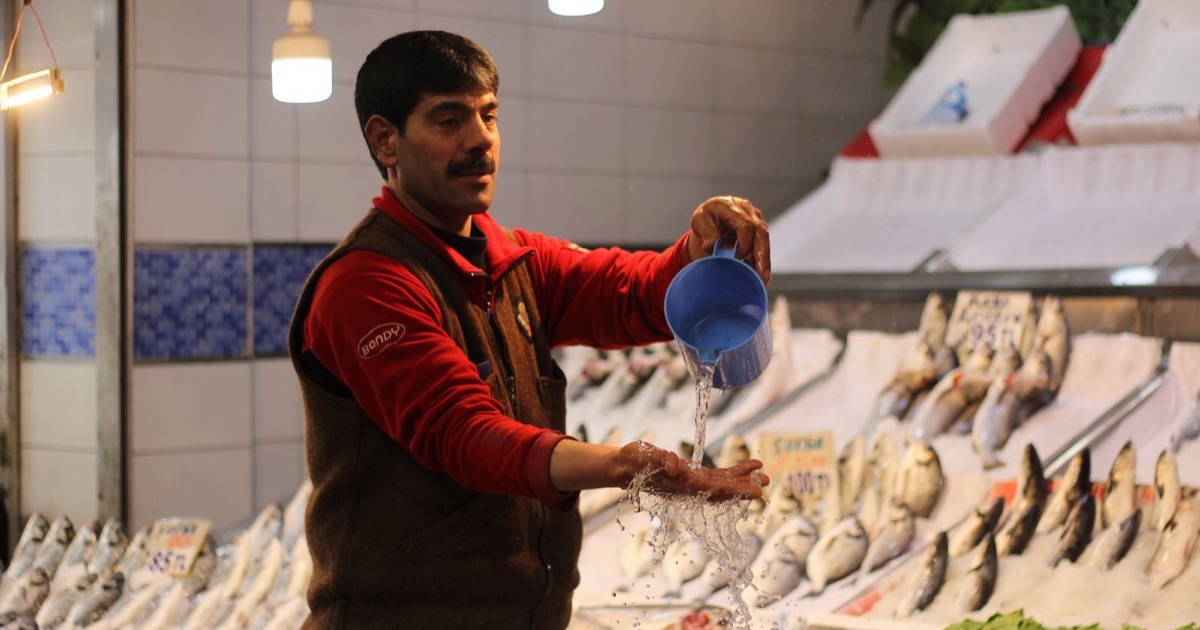

Travelers who crave the salty tang of the Aegean will find the Kusadasi fresh fish markets an essential stop on any itinerary.
Travelers who crave the salty tang of the Aegean will find the Kusadasi fresh fish markets an essential stop on any itinerary. Here, local fishermen bring in the day’s haul directly from the harbor, letting visitors select sea bass, mackerel, octopus and more before they are cooked or taken home. The markets blend tradition with a growing focus on sustainability, offering a genuine taste of Kusadasi’s maritime culture.
What are the top fish markets to visit in Kusadasi for fresh seafood?
The Portside Market, located just before the main ferry terminal, is the first stop most travelers encounter. Stalls line the promenade and display a rainbow of catches, from gray mullet and red mullet to squid and anchovies. Vendors often prepare an eco‑friendly fish fry on the spot, using zero‑plastic packaging and pricing portions below €9, which makes it a popular choice for budget‑conscious diners.
Further inland, the Central Bazaar hosts a dedicated seafood aisle where the Kusadasi seafood market thrives. Local fishermen lay out their daily catch on ice, allowing shoppers to handpick the freshest fish. The variety here is extensive, featuring sea bream, mackerel, and occasionally larger items such as octopus or fresh shrimp, all priced competitively for those who prefer to cook at home.
Near the historic Old Town, a smaller but lively fish market caters to residents and tourists alike. Though more modest in size, it consistently offers high‑quality sea bass and locally sourced sardines. The atmosphere is relaxed, and the vendors are known for sharing tips on the best preparation methods, reinforcing the market’s reputation as a go‑to spot for authentic Kusadasi local seafood.
Which fish market in Kusadasi offers the best daily catch of the day?
Among the options, the Portside Market stands out for its immediate access to the day’s freshest haul. Because the market sits adjacent to the docking area, the catch arrives minutes after being pulled aboard, preserving texture and flavor. The combination of variety, price, and sustainable practices makes it a strong contender for the title of best daily catch.
The Central Bazaar’s seafood aisle also competes closely, especially for shoppers who value a broader selection of species. While the fish may travel a short distance inland, vendors maintain strict temperature control, ensuring the product remains as fresh as the harbor offerings. For those who prioritize price and the chance to watch a quick, eco‑friendly fry, this market provides a compelling alternative.
| Market | Typical Daily Catch | Price Range (per kg) | Sustainability Highlights | Opening Hours |
|---|---|---|---|---|
| Portside Market | Sea bass, mackerel, octopus, squid | €8‑€12 | Zero‑plastic packaging, on‑site eco‑friendly fry | 07:00‑14:00 |
| Central Bazaar Seafood Aisle | Sea bream, red mullet, anchovies, shrimp | €7‑€11 | Ice‑maintained freshness, local sourcing | 07:30‑13:30 |
| Old Town Market | Sea bass, sardines, small pelagics | €6‑€10 | Vendor advice on preparation, low‑waste handling | 08:00‑13:00 |
When are the market days and opening hours for Kusadasi’s fish markets?
The city’s street market schedule influences the fish market rhythm. Tuesdays, Wednesdays, and Fridays are the primary market days when the largest influx of fresh catch arrives. On these days, vendors set up early, often before sunrise, to accommodate early‑morning shoppers and restaurant owners.
Typical opening hours run from 07:00 to 14:00, though the Portside Market may close slightly earlier on Fridays to align with ferry departures. Outside of the designated market days, smaller stalls remain open on Saturdays, offering a reduced selection but still providing access to locally sourced fish. Planning a visit around these days ensures the widest variety and the freshest possible experience.
How can I find sustainable and eco‑friendly fish options at Kusadasi’s port market?
The portside seafood market has begun to label catches that meet regional sustainability guidelines. Look for vendors displaying the blue “S” seal, which indicates that the fish were sourced from stocks assessed as healthy by the Turkish Ministry of Agriculture and Forestry. These stalls typically offer species such as sea bream, gilt-head bream, and Mediterranean sardine that are harvested using low‑impact methods like hand‑lines or selective traps.
Ask the seller about the fishing method used that morning. When a fisherman mentions “pole‑and‑line” or “trammel net” you can be confident the impact on non‑target species is minimal. In contrast, larger trawlers may bring in bulk catches that include undersized or over‑exploited species. Choosing the former supports local fishermen who rely on long‑term resource health.
| Feature | Sustainable Choice | Conventional Choice |
|---|---|---|
| Fishing method | Pole‑and‑line, hand‑line, selective traps | Bottom trawl, purse seine |
| Species focus | Sea bream, sardine, anchovy, octopus | Grey mullet, large tuna, indiscriminate mixed catch |
| Labeling | Blue “S” seal, vendor certification | None or generic “fresh” tag |
| Packaging | Zero‑plastic paper or reusable containers | Plastic bags, styrofoam |
| Price range | €8‑€12 per kilogram (often comparable) | €6‑€10 per kilogram |
Many stalls now refuse single‑use plastics, offering reusable mesh bags or biodegradable paper instead. This practice not only reduces waste but also keeps the fish cooler, preserving texture until you leave the market. If you are unsure, a quick question about packaging will usually reveal the vendor’s commitment to eco‑friendly practices.
What types of fish and seafood can I expect to see at Kusadasi’s local markets?
Kusadasi’s market days—Tuesday, Wednesday, and Friday—bring a rotating selection that reflects the day’s catch. Early mornings are the best time to see the full array, as fishermen unload directly onto the stalls before the crowds arrive. The variety includes both familiar Mediterranean staples and more adventurous options that locals prize for home cooking.
Because the market aligns its inventory with seasonal abundance, you will notice subtle shifts throughout the year. In spring, white fish dominate, while late summer sees an influx of squid and octopus. Regardless of season, the market maintains a reliable core of species that are central to Turkish coastal cuisine.
- Sea bream (Çipura) – firm white flesh, ideal for grilling.
- Sea bass (Levrek) – delicate texture, popular for whole‑roast preparations.
- Grey mullet (Mürekkep balığı) – often marinated or fried.
- Red mullet (Barbun) – small, flavorful, suited to pan‑frying.
- Anchovies (Hamsi) – abundant in spring, perfect for sautéed dishes.
- Octopus (Ahtapot) – tender when slow‑cooked, a staple of local meze.
- Squid (Kalamar) – versatile, used in salads, fried rings, or stuffed.
Where can I buy fresh fish on a budget in Kusadasi?
For travelers watching their spending, the Portside Market offers the most competitive prices. Vendors sell directly from the boats, eliminating middle‑man markups. You can often negotiate a discount if you purchase a whole fish and agree to take it to a nearby grill or kitchen for preparation.
Another cost‑effective option is the central street market that operates on the same days as the seafood market. While the focus is broader—covering produce, spices, and household items—a dedicated seafood corner appears each morning. Prices here are typically a few euros lower than the dedicated fish market, especially for bulk purchases such as a sack of anchovies or a tray of mussels.
Timing matters: arriving before 8 am ensures you see the freshest catch before the most popular items are sold out. Late‑morning shoppers may still find good deals on fish that the vendors are eager to move before closing, often at reduced rates.
Are there any must‑try seafood dishes prepared directly at the Kusadasi fish markets?
When you arrive at the Portside Market, the aroma of sizzling fish greets you from a row of open‑air fry stations. The most popular offering is the classic fish fry, where local vendors coat sea bass, mackerel, or gray mullet in a light batter and fry them on the spot. Prices stay under €9, making it a budget‑friendly way to taste the day’s freshest catch while you watch the preparation.
Another crowd‑pleaser is the grilled octopus served on a bed of lemon‑infused olive oil. Fishermen often bring whole octopuses to the stalls, and the chefs quickly grill them over charcoal, preserving the tender texture. A squeeze of fresh lemon and a sprinkle of sea salt complete the dish, providing a simple yet satisfying flavor profile that highlights the quality of the seafood.
For those who prefer a lighter bite, the market’s “sea‑bream sashimi” station offers thinly sliced fillets seasoned with a drizzle of extra‑virgin olive oil and a dash of sumac. The fish is served immediately after cutting, ensuring a melt‑in‑your‑mouth experience that showcases the natural sweetness of the Aegean waters.
How do local fishermen in Kusadasi bring in their daily catch?
Fishermen launch from the small harbor before dawn, taking advantage of the calm Mediterranean currents. Their fleets consist mainly of wooden trawlers and modern motorized boats, each equipped with sustainable netting techniques that reduce by‑catch. After a few hours at sea, they return to the dock with a variety of species that reflect the season’s abundance.
Upon arrival, the catch is quickly unloaded onto ice‑filled tables beside the market. Vendors sort the fish by type, size, and freshness, allowing shoppers to see exactly what has been harvested that morning. This transparent process not only builds trust with customers but also supports the local economy by keeping the supply chain short.
- Traditional wooden trawlers equipped with hand‑woven nets.
- Motorized skiffs that use selective gill‑nets to target specific species.
- Early‑morning departures, usually between 5:00 am and 6:30 am.
- Immediate ice‑packing on dockside to preserve texture and flavor.
- Collaboration with market vendors who display the catch for direct purchase.
- Adoption of eco‑friendly practices such as returning unused nets to the sea.
- Community‑based sales where fishermen often interact with buyers personally.
What tips help me handpick the freshest fish at Kusadasi markets?
First, examine the eyes of any whole fish; they should be clear and slightly bulging, not cloudy or sunken. Fresh fish also has firm flesh that springs back when pressed gently with a fingertip. A mild briny scent is a good indicator, whereas a strong “fishy” odor suggests the product is past its prime.
Second, look for vendors who keep their displays on a thick layer of ice and who replenish the stock throughout the morning. Stalls that offer to slice a piece for you to smell or feel the texture are usually confident in the quality of their merchandise. Asking the seller about the exact time the catch arrived can also give you a sense of how recent the product is.
Finally, consider the packaging method. Many stalls now serve fish in reusable containers or wrap portions in biodegradable paper, aligning with the city’s push for zero‑plastic packaging. Choosing these options not only supports sustainable practices but also often means the fish has been handled with extra care to avoid contamination.
Can I negotiate prices or get discounts at Kusadasi fish markets?
Most stalls welcome friendly conversation, and a modest bargain is often possible, especially when you buy several items at once. Vendors typically set prices based on the day’s catch, so if a particular fish is abundant, they may be more inclined to lower the rate. Showing genuine interest in the local fishing culture and asking about the best‑tasting varieties can create a rapport that leads to a small discount.
When you purchase directly from the fishermen’s own tables, the margin for negotiation widens because they have fewer overhead costs. It helps to arrive early, when the selection is freshest and vendors are eager to move inventory. Carrying cash in Turkish lira makes the transaction smoother and sometimes earns you a few extra liras off the listed price.
Which fish markets are most family‑friendly or have nearby dining options in Kusadasi?
The market located just before the harbor entrance offers a relaxed atmosphere with wide aisles, making it easy to navigate with strollers or small children. Nearby, a handful of casual eateries serve grilled fish plates that can be ordered on the spot, allowing families to sample the catch without waiting for a separate restaurant reservation. Seating is often provided on outdoor terraces, giving parents a place to sit while kids explore the colorful stalls.
Another market on the main promenade features a small play area where younger visitors can pause while adults compare the day’s offerings. Several food trucks line the adjacent street, serving fried calamari, shrimp skewers, and simple salads that appeal to a range of tastes. The combination of open‑air shopping and immediate dining options creates a convenient experience for groups of all ages.
Sources & Further Reading
Frequently Asked Questions
What is the best time of day to visit a fish market in Kusadasi?
Early morning, typically between 7 am and 9 am, provides the freshest selection because the catch is unloaded straight from the boats. By mid‑morning, the most prized species may be sold, and the market can become crowded. If you prefer a quieter setting, late afternoon after the main rush still offers decent quality, though the variety may be reduced.
Are Kusadasi fish markets open on weekends?
Yes, most markets operate six days a week, closing only on Mondays. Saturday mornings are especially lively, as local fishermen bring in weekend catches for both residents and tourists. Some stalls may extend their hours into the early evening on Sundays, allowing visitors to enjoy a relaxed shopping experience after a day of sightseeing.
Which fish market is closest to the Kusadasi harbor?
The market situated just before the harbor gates is the most convenient for travelers arriving by boat. It is a short walk from the ferry terminal and offers immediate access to the day’s fresh catch. Signage along the waterfront directs visitors toward the stalls, and the proximity makes it easy to combine a market visit with a harbor stroll.
Can I bring my own cooler to store purchased fish at the market?
Bringing a small insulated bag or cooler is permitted and often appreciated, as it helps keep the fish at a safe temperature while you continue shopping. Vendors typically provide ice or ice‑filled trays for immediate use, but having your own container ensures the product stays chilled if you plan to walk to a nearby restaurant or your accommodation.
Do the fish markets in Kusadasi accept credit cards or only cash?
Cash remains the primary method of payment, and most vendors prefer Turkish lira for quick transactions. However, several larger stalls have begun to accept contactless card payments, especially those located near the tourist hub. It is advisable to carry enough cash for smaller purchases and to confirm payment options before finalizing a sale.
What are the most popular local fish species sold in Kusadasi?
Among the most sought‑after are sea bass, gilt‑head bream, and red mullet, all prized for their delicate flavor. Anchovies and mackerel are also common, often prepared grilled or fried on the spot. For those who enjoy shellfish, squid and octopus appear regularly, providing a variety of textures and cooking possibilities.
Is it possible to arrange a cooking demonstration at any Kusadasi fish market?
Some market vendors collaborate with nearby eateries to showcase quick preparation methods, such as pan‑searing or charcoal grilling. While formal classes are rare, you can often watch a chef demonstrate a simple recipe at a stall that offers on‑site cooking. Asking the vendor about a short demonstration can lead to an impromptu lesson in local culinary techniques.
How do I ensure the fish I buy is fresh and safe to eat?
Look for clear, bright eyes and firm flesh that springs back when pressed. A mild ocean scent is a good indicator, whereas a strong, sour odor suggests the fish is past its prime. Vendors usually display ice beneath the display trays; ensure the ice is clean and not melting excessively. If in doubt, ask the seller when the fish was caught and how it has been stored.
Are there any halal‑certified fish stalls in Kusadasi’s markets?
All fish is considered halal in Islamic dietary law, so any stall selling seafood meets the basic requirement. Nonetheless, some vendors label their stands as “halal‑friendly” to reassure travelers that the handling and preparation follow local customs. You can ask the seller directly about their practices if you have specific concerns.
What sustainable practices are implemented at Kusadasi’s fish markets?
Many stalls have adopted zero‑plastic policies, offering paper or reusable containers for customers who bring their own bags. Some vendors source their catch from local fishermen who adhere to seasonal quotas, helping preserve fish populations. unsold fish is often donated to nearby charities or converted into fish feed, reducing waste and supporting the community.
When planning your visit, arrive early, bring cash, and keep an eye on the freshness cues to make the most of Kusadasi’s vibrant seafood scene. Combining market shopping with nearby eateries lets you enjoy the catch while it’s still warm, turning a simple purchase into a memorable culinary moment.
Plan your trip
Book Istanbul attraction tickets
Skip-the-line tickets and guided tours for Istanbul's top sights, with mobile tickets and flexible cancellation.
See tickets on TiqetsWe may earn a commission from bookings made through this link, at no extra cost to you.
Reviewed by our editor for Türkiye & the Eastern Mediterranean
Elif DemirTürkiye & Eastern Mediterranean Editor
Travel writer covering Türkiye and the Eastern Mediterranean, from Istanbul's old city to the Aegean coast.
More articles by Elif Demir →