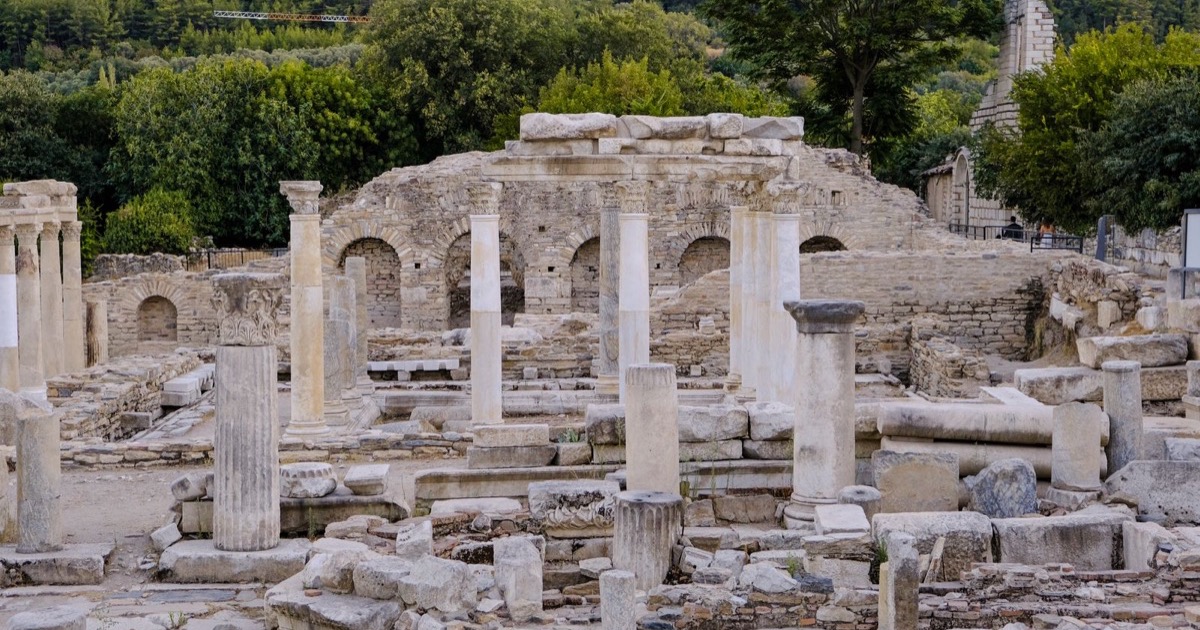

Traveling to the ancient ruins of Ephesus with children can feel like stepping into a living textbook.
Traveling to the ancient ruins of Ephesus with children can feel like stepping into a living textbook. The city’s well‑preserved streets, marble columns, and vivid stories provide a perfect backdrop for learning while keeping young minds active. With the right guide and activities, an Ephesus family educational tour becomes more than sightseeing—it turns history into an interactive playground. Below, discover how to shape a day that balances curiosity, comfort, and unforgettable moments for the whole family.
What makes an educational tour in Ephesus ideal for families with kids?
First, the layout of the archaeological site lends itself to a narrative walk. Main thoroughfares such as Curetes Street act like a timeline, allowing guides to pause at each landmark and explain its role in daily life over two thousand years ago. Children respond well to visual cues, so pointing out the massive Library of Celsus or the marble façade of the Great Theatre helps them connect words on a page with real‑world structures.
Second, many tour operators now incorporate hands‑on elements that transform passive observation into active participation. Interactive archaeology workshops let kids handle replica pottery shards, assemble puzzle maps of the ancient harbor, or even try a mock excavation in a sandbox setting. These activities reinforce learning through tactile experience, which research shows improves retention for younger learners.
Finally, family‑friendly pacing is essential. Short, focused segments—typically 15 to 20 minutes—keep attention spans sharp, while built‑in breaks at shaded rest areas or nearby cafés give parents a chance to regroup. When the itinerary blends storytelling, movement, and occasional rest, the entire group stays energized and engaged throughout the day.
How can I customize a private Ephesus tour for children’s interests?
Private tours offer the flexibility to tailor each stop to the curiosities of your children. If your kids love myths, ask the guide to weave the legend of Artemis and the temple’s famous statue into the visit of the Temple of Artemis ruins. For budding engineers, a deeper look at the ancient aqueducts and the theater’s acoustic design can spark questions about ancient technology.
Most providers let you choose from several thematic packages: mythology focus, ancient trades, or nature‑linked history. You can also request a “story‑time corner” where the guide reads age‑appropriate excerpts from classic texts while the group rests on the marble steps of the Terrace House. Adding a short, supervised dig at the Terrace House’s 2026 Interactive Archaeology Workshop gives children a chance to experience real‑world archaeology under professional supervision.
| Feature | Standard Private Tour | Mythology‑Focused Tour | Hands‑On Workshop Add‑On |
|---|---|---|---|
| Duration | 3 hours | 3 hours | Additional 1 hour |
| Guide expertise | General family guide | Guide with mythology background | Guide + certified archaeologist |
| Interactive elements | Basic storytelling | Myth reenactments | Excavation sandbox, replica artifacts |
| Flexibility | Standard route | Optional myth stops | Workshop scheduled at Terrace House |
| Cost impact | Base price | +10 % | +15 % per child (5‑10 years) |
When planning, consider the age range of your children and the amount of walking they are comfortable with. Most guides will adjust the speed, include extra pauses for questions, and suggest nearby shaded spots for a quick snack. Communicating these preferences ahead of time ensures the tour feels personalized rather than rigid.
Which archaeological sites in Ephesus are most engaging for young learners?
The Library of Celsus stands out as a visual anchor. Its towering façade and intricate carvings invite children to imagine a grand hall of scrolls. Guides often encourage kids to count the columns or spot the animal motifs, turning observation into a game.
Another highlight is the Great Theatre, where acoustics can be demonstrated by having a child whisper at the back and hear the voice reach the front rows. This simple experiment illustrates ancient engineering brilliance and sparks curiosity about how sound travels.
Finally, the Terrace House, recently upgraded for the 2026 Interactive Archaeology Workshops, offers a safe, supervised environment for a mini‑dig. Children can uncover replica coins, pottery fragments, and learn how archaeologists document finds. The combination of real‑site atmosphere and hands‑on activity makes the Terrace House a favorite stop for families seeking both education and excitement.
What hands‑on activities are available for kids during an Ephesus tour?
Many operators in Kusadasi design kids tour Ephesus packages that blend storytelling with tactile experiences. At the Terrace House, the 2026 interactive archaeology workshop Ephesus lets children aged five to ten sift through sand‑filled trays, uncover replica pottery shards, and record their finds on simple field sheets. Guides explain the role of ancient artisans while the youngsters piece together a mock amphora, turning a distant past into a concrete lesson.
Other family‑friendly stops include a mosaic‑making station near the Library of Celsus, where kids arrange colored tiles to recreate a fragment of a historic floor pattern. Near the Great Theatre, a costume‑dress‑up corner offers tunics and helmets, encouraging role‑play that reinforces the myths discussed on the walk. For groups that prefer a game‑based approach, a treasure‑hunt trail weaves through the colonnades, prompting participants to solve riddles that reference historical facts.
| Activity | Age Range | Time Required | Learning Focus |
|---|---|---|---|
| Interactive Archaeology Workshop | 5‑10 | 90 min | Excavation methods, artifact identification |
| Mosaic Making | 6‑12 | 45 min | Geometric design, ancient art techniques |
| Ancient Costume Dress‑Up | 4‑14 | 30 min | Social roles, mythological stories |
| Treasure Hunt | 7‑13 | 60 min | Historical navigation, critical thinking |
| Pottery Demonstration | 8‑15 | 40 min | Clay preparation, kiln processes |
How long should a family‑friendly Ephesus itinerary be?
When arranging a private Ephesus tour for families, the goal is to balance immersion with attention spans. A half‑day visit (approximately four hours) works well for younger children, allowing a focused walk through the most iconic structures while leaving time for breaks. For older kids and teenagers, extending the itinerary to a full day (seven to eight hours) provides space for deeper exploration, including the museum and optional workshops.
Flexibility is essential; many guides recommend building in short pauses at shaded areas or cafés, especially during the summer months when temperatures rise. A well‑planned schedule also reserves a slot for a hands‑on activity, ensuring that the educational component feels interactive rather than lecture‑based.
- Start with a brief orientation at the visitor centre (15 min).
- Explore the Street of Curses and the Marble Road (45 min).
- Visit the Library of Celsus and the Great Theatre (60 min).
- Participate in an interactive archaeology workshop or mosaic session (90 min).
- Enjoy a relaxed lunch break at a nearby family‑friendly café (60 min).
- Tour the Terrace House and the House of the Virgin Mary (45 min).
- Conclude with a guided treasure hunt that revisits key points (30 min).
Where can families stay in Kusadasi near the Ephesus archaeological park?
Accommodations that cater to Kusadasi family tours often cluster along the coastal boulevard, offering quick shuttle service to the Ephesus site. Large resort complexes typically feature children’s pools, supervised play areas, and on‑site dining menus with kid‑friendly options. These properties also arrange daily transport to the archaeological park, making the commute a short, comfortable ride.
For travelers who prefer a quieter setting, boutique hotels situated a short walk from the harbor provide spacious family rooms, complimentary high‑chairs, and flexible check‑in times that align with cruise schedules. Some of these establishments partner with local guides to offer exclusive family friendly tours Ephesus that begin directly from the hotel lobby.
Serviced apartments represent another practical choice, especially for multi‑day stays. They combine the convenience of a kitchen and laundry facilities with the security of a gated complex. Many of these apartments advertise proximity to both the beach and the main road leading to the ancient city, allowing families to return for a midday rest before heading back for another round of exploration.
What safety tips should I know when touring Ephesus with children?
Before stepping onto the marble‑tiled avenues of the ancient city of Ephesus, make sure every family member has a comfortable pair of shoes. The stone pathways can become slippery after rain, and the uneven steps of the Library of Celsus often catch small feet off guard. Carry a lightweight backpack with water, sunscreen, and a small first‑aid kit; the site offers limited shade, especially along Curetes Street where the sun can be intense during midsummer.
Keep a close eye on younger children near the large open spaces such as the Great Theatre and the expansive courtyard of the Temple of Artemis. Although the area is fenced, crowds of tourists can create unexpected pushes. Establish a simple “hand‑signal” system so kids can alert a parent without stopping the tour. If you join a guided tour, ask the guide to pause at any point where the group needs to regroup, and confirm that the guide carries a portable radio or phone for quick communication.
Finally, respect the archaeological site’s preservation rules. Prohibit climbing on columns, touching mosaics, or feeding the resident cats that often wander the ruins. These measures protect both the ancient fabric and your family’s safety, allowing the day to stay focused on discovery rather than mishaps.
How do I incorporate local myths and stories into a kid‑friendly Ephesus visit?
Greek and Roman myths are woven into the very stones of Ephesus, offering a natural storytelling framework for curious minds. Begin at the Temple of Artemis, once one of the Seven Wonders, and recount the tale of the goddess who protected sailors and hunters. Children can imagine Artemis drawing a bow from the marble pillars, turning the ruins into a stage for ancient drama.
As you stroll down Curetes Street, weave in the legend of the Curetes, the mythic guardians who clashed their shields to drown out the infant Zeus’s cries. Point out the ancient shopfronts and suggest that the bustling merchants were once the very same protectors, keeping the city safe from chaos. By linking each landmark to a vivid narrative, the experience becomes a living storybook rather than a static walk.
- Tell the story of the golden apple that sparked the Trojan War while standing before the marble façade of the Library of Celsus.
- Describe how the Great Theatre once echoed with the voice of the tragic playwright Euripides, inviting children to whisper their own lines.
- Share the myth of the phoenix rising from ashes near the House of the Virgin Mary, encouraging kids to draw parallels with modern resilience.
- Introduce the legend of the “Cursed Fountain” at the Terrace House, where ancient water was believed to reveal hidden truths.
- Explain the role of the “Cat of Ephesus,” a local folklore creature said to guard the ruins from mischief.
- Invite children to imagine the bustling market of the Agora as the setting for the clever merchant who outwitted a greedy king.
- Conclude with a short “hero’s quest” game, where kids collect imaginary “artifacts” by spotting specific columns or reliefs.
Are there any interactive archaeology workshops for children in Ephesus in 2026?
2026 marks the launch of the Terrace House Interactive Archaeology Workshops, a program designed specifically for children aged five to ten. The workshops provide a hands‑on excavation experience on a designated sandbox that replicates the stratigraphy of the ancient city. Under the supervision of certified archaeologists, participants use miniature trowels, brushes, and sieves to uncover replica pottery shards, coins, and bone fragments.
Each session incorporates children activities such as “artifact matching,” where kids compare their finds with digital reconstructions displayed on tablets, and “historical storytelling,” where a guide weaves the discovered objects into a narrative about daily life in Ephesus. The workshops are scheduled multiple times a day and can be booked as part of a private guided tour departing from the Kusadasi cruise terminal.
For families preferring a more flexible format, several local museums offer “mini‑dig” kits that can be taken home. These kits contain sand, replica artifacts, and a simple guidebook that mirrors the on‑site experience, allowing children to continue their archaeological adventure after leaving the site. Engaging in these activities not only deepens understanding of the ancient city but also fosters a lasting curiosity about history.
What food and rest stops are best for families exploring Ephesus?
After a morning of wandering the marble streets, most children look for a quick bite and a place to stretch their legs. The small plaza just outside the main entrance to the archaeological site hosts several shaded cafés that serve simple sandwiches, fresh fruit, and yogurt drinks. These spots keep the menu short, which helps parents avoid long ordering times while still offering kid‑friendly flavors such as honey‑drizzled toast or mild cheese rolls.
A short walk toward the Terrace House leads to a family‑oriented garden area with benches and a water‑fountain station. The garden is shaded by olive trees, providing a cool place for a snack break. Nearby, a local market stall offers freshly squeezed pomegranate juice, apricot pastries, and small packs of dried figs—portable energy boosters that travel well on a day‑long itinerary.
For families who prefer a sit‑down meal, the town of Selçuk has a handful of restaurants with outdoor seating and children’s menus that feature grilled chicken, rice pilaf, and seasonal vegetables. Most establishments are accustomed to serving cruise‑ship groups, so they can accommodate flexible dining times and provide high‑chairs without prior notice.
How much does a private family tour of Ephesus typically cost?
Private tours that focus on educational activities for children usually start around the mid‑range price point for a half‑day experience. The base fee often covers a licensed guide, a small group of up to six family members, and a tailored itinerary that incorporates interactive storytelling, myth‑based scavenger hunts, and a brief hands‑on excavation demonstration. Prices can rise if the tour is extended to a full day or includes transportation from the Kusadasi cruise terminal.
Many operators add optional extras such as a souvenir kit for each child, a portable audio guide, or a snack pack. These add‑ons typically range from a modest supplement to a higher tier for premium items like a personalized archaeological dig box. Families should ask whether the quoted price includes entrance tickets, as some packages bundle the site fee while others treat it as a separate charge.
Discounts are sometimes available for larger families or repeat bookings, especially during the shoulder seasons when visitor numbers are lower. It is advisable to request a detailed breakdown before confirming the reservation, so you can compare what is included against any additional costs that might arise on the day of the visit.
Sources & Further Reading
Frequently Asked Questions
What age groups are the educational tours in Ephesus designed for?
The majority of family‑focused tours cater to children between five and twelve years old. Guides adapt the narrative pace and activity level to suit younger participants, offering simplified explanations for the youngest and more in‑depth historical context for pre‑teens. Some operators also provide a “toddler‑friendly” option that shortens the walking distance and emphasizes sensory experiences.
Do I need to book the interactive archaeology workshop in advance?
Yes, the hands‑on excavation session at the Terrace House has a limited number of spots per day. Advance reservation guarantees a place for each child and allows the organizers to prepare the necessary tools and safety equipment. Booking a week ahead is usually sufficient, but peak travel periods may require earlier confirmation.
Are there stroller‑friendly paths at the Ephesus archaeological site?
The main thoroughfares that connect the major monuments are paved and relatively level, making them suitable for most strollers. However, a few areas with ancient steps or uneven stone surfaces are not accessible with a stroller. Families often bring a lightweight, foldable model that can be carried briefly when navigating those sections.
Can I combine a family tour of Ephesus with a day trip to nearby attractions?
Many tour operators offer combined itineraries that include a short visit to the House of the Virgin Mary, the ancient city of Priene, or the seaside castle of Kadıkalesi. These add‑ons are scheduled after the core Ephesus program, allowing enough time for travel between sites without rushing the children’s experience.
What is the best time of year to visit Ephesus with children?
Spring (April to early June) and early autumn (September to October) provide moderate temperatures and fewer crowds, which helps keep the children comfortable during outdoor exploration. During the hottest months, shade can be scarce, and midday heat may limit the amount of walking you can comfortably manage.
How many hours should I allocate for a kid‑focused Ephesus tour?
A well‑structured family tour typically lasts three to four hours, including a short break for refreshments. This timeframe allows the guide to cover the main highlights, conduct the interactive workshop, and keep the children engaged without causing fatigue.
Are meals included in family‑friendly Ephesus tour packages?
Most standard packages do not bundle full meals, but they often incorporate a snack break and a bottle of water for each participant. Some premium options add a light lunch at a nearby café, which is clearly indicated in the itinerary description.
Is travel insurance required for tours with children in Turkey?
While not legally mandatory, travel insurance that covers medical emergencies and trip cancellations is strongly recommended for families. Policies that include coverage for activities such as guided excavations provide extra peace of mind.
What language options are available for family guides in Ephesus?
Guides fluent in English, German, French, Spanish, and Russian are commonly available. When booking, specify the desired language so the operator can assign a guide who can tailor explanations to a younger audience in the selected tongue.
How can I keep kids entertained during travel between Kusadasi and Ephesus?
Short, interactive games that reference the upcoming site—such as “spot the column” or “guess the ancient animal”—help maintain excitement. Many families also bring a tablet loaded with educational videos about Roman life, which can be viewed during the 30‑minute transfer.
Plan your day with realistic time buffers, stay hydrated, and let the children set a comfortable pace; this approach turns the visit into a memorable learning adventure rather than a rushed checklist.
Plan your trip
Book Istanbul attraction tickets
Skip-the-line tickets and guided tours for Istanbul's top sights, with mobile tickets and flexible cancellation.
See tickets on TiqetsWe may earn a commission from bookings made through this link, at no extra cost to you.
Reviewed by our editor for Türkiye & the Eastern Mediterranean
Elif DemirTürkiye & Eastern Mediterranean Editor
Travel writer covering Türkiye and the Eastern Mediterranean, from Istanbul's old city to the Aegean coast.
More articles by Elif Demir →