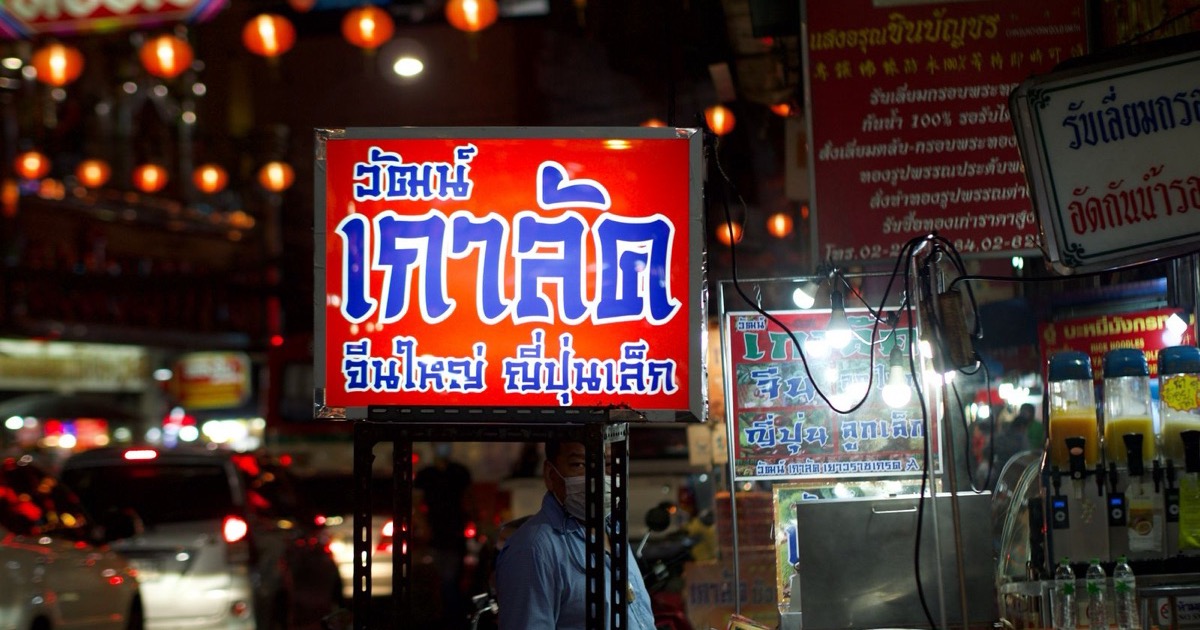

Bangkok’s Chinatown pulses with flavors, colors, and centuries‑old rituals, making it a must‑see district for any traveler. This Bangkok Chinatown guide 2026 pu
Bangkok’s Chinatown pulses with flavors, colors, and centuries‑old rituals, making it a must‑see district for any traveler. This Bangkok Chinatown guide 2026 pulls together the most reliable street‑food recommendations, temple highlights, and alley‑way shortcuts so you can experience the area like a local. From the sizzling stalls of Yaowarat Road to the quiet shrines tucked behind Soi Nana, every corner offers a story worth chasing. Follow this guide to turn a simple stroll into a full‑day adventure.
What are the top street food stalls to visit in Bangkok’s Chinatown?
The heart of the Bangkok Chinatown street food guide beats at the intersection of Yaowarat Road and its side lanes. Early mornings reveal stalls serving steaming bowls of kuay teow nam (boat noodles) with a broth that carries hints of star anise and ginger. By midday, the air fills with the aroma of roasted chestnuts and the sizzle of pork satay glazed in a caramelized peanut sauce. These dishes exemplify Thai Chinese cuisine, a blend that has evolved over generations.
For those hunting the best restaurants in Yaowarat, the night market offers a parade of must‑try bites. The famed bird’s nest soup stall on Soi Nana Chinatown draws crowds for its silky texture and delicate flavor. Nearby, a humble cart sells fried dough sticks (pa thong ko) paired with soy milk—a breakfast staple for locals. The Bangkok Chinatown night market also hosts a popular seafood grill where fresh shrimp and squid are charred over open flames, seasoned with a splash of lime and chili.
Which historic temples can I explore in Yaowarat?
Yaowarat is home to several Buddhist temples in Chinatown that showcase the district’s spiritual depth. The most iconic is Wat Traimit Golden Buddha, where a massive seated Buddha of solid gold greets visitors after a dramatic restoration in the 1950s. Just a short walk away, Wat Mangkon Kamalawat stands as the largest Chinese Buddhist temple in Bangkok, its ornate rooflines and dragon‑carved pillars reflecting centuries of Chinese migration.
Another noteworthy site is Suan Phrik, a small shrine tucked behind a row of food stalls, offering a quiet pause amid the market’s clamor. These temples are integral to the Yaowarat temples and shrines circuit and often host celebrations during Chinese New Year Bangkok, when lanterns illuminate the streets and incense smoke curls into the night sky.
| Temple | Key Feature | Nearest Public Transport |
|---|---|---|
| Wat Traimit Golden Buddha | World‑renowned solid gold Buddha statue | BMTA Bus 1, MRT Sam Yan Station (5‑min walk) |
| Wat Mangkon Kamalawat | Largest Chinese Buddhist temple in Bangkok | Chao Phraya River ferry (Ratchawong Pier) |
| Suan Phrik Shrine | Quiet garden shrine amid market stalls | BMTA Bus 15, BTS Saphan Taksin (10‑min walk) |
How can I navigate the hidden alleys of Talat Noi?
Talat Noi’s narrow lanes wind through a historic community of Chinese merchants, artisans, and early settlers. The best way to explore these Talat Noi hidden alleys Bangkok is on foot, using a simple map that marks the main entry points at Soi Charoen Krung 32 and Soi Yaowarat 5. Along the way, you’ll encounter street art that narrates the area’s evolution from a busy port to a cultural enclave.
Guided walking tours, such as the Bangkok Chinatown walking tour 2026 offered by local NGOs, often start at the Talat Noi gate and lead participants past antique metal workshops, traditional coffee houses, and the famed Chinese opera house that still hosts occasional performances. Public transport Bangkok Chinatown is convenient: the Chao Phraya River ferry drops you at Ratchawong Pier, a short stroll from Talat Noi’s main thoroughfare.
What is the best way to get to Chinatown from Suvarnabhumi Airport?
After clearing customs at Suvarnabhumi, the most reliable route to Yaowarat Road begins with the Airport Rail Link (ARL). Board the City Line toward Phaya Thai, alight at Makkasan Station, and transfer to the MRT Blue Line. A short ride to Wat Mangkon station drops you directly into the heart of Chinatown, where the first street‑food stalls line the sidewalks.
For travelers who prefer a door‑to‑door experience, a metered taxi remains a convenient option. Request the driver to use the expressway (paid toll) to shave off traffic during peak hours. Keep a few baht ready for the toll and a small tip for the driver; the journey typically takes 30‑45 minutes depending on the time of day.
- Buy an ARL single‑journey ticket at the airport kiosk; a one‑way fare covers the entire city‑line segment.
- Download the MRT app for real‑time train arrivals; this avoids waiting on the platform.
- If you travel after 10 p.m., the Airport Rail Link’s City Line service ends, so a taxi or ride‑hailing service becomes the only rapid option.
- Carry a small bottle of water and a portable charger; the walk from the MRT exit to the main market can be humid.
- Ask locals for the nearest Soi Nana entrance; this side street leads to a cluster of specialty tea shops and early‑morning dim sum stalls.
Public transport tickets can be topped up at any BTS or MRT station, making it easy to hop back to the city centre after a night at the Bangkok Chinatown night market.
When is the ideal time of year to experience Chinatown’s festivals?
Chinese New Year, usually falling between late January and February, transforms Yaowarat into a lantern‑lit corridor of celebration. Processions wind past the Wat Traimit Golden Buddha and the ornate shrines on Yaowarat Road, while firecracker displays echo through the alleys. Street‑food vendors amplify their menus, offering special dumpling platters and sweet rice cakes that are rarely seen outside the holiday.
Another peak period arrives in late summer, when the Vegetarian Festival takes place. Buddhist temples in Chinatown, including the quiet shrine on Soi Phra Nakhon, host elaborate ceremonies, and many restaurants serve plant‑based versions of classic Thai‑Chinese dishes. The atmosphere is lively yet respectful, providing a unique lens on local culinary traditions.
For travelers seeking milder weather, November through February offers cooler evenings, perfect for strolling through the Bangkok Chinatown walking tour 2026. The reduced humidity makes night‑market visits more comfortable, and the clear skies enhance the view from rooftop bars that overlook the district.
Where can I find rooftop bars with views of Bangkok’s Chinatown?
One of the most popular spots is a sleek lounge perched atop a historic building on Soi Nana. From its terrace, you can watch the neon signs of Yaowarat flicker to life as the city transitions from day to night. The bar serves a curated list of Thai‑Chinese fusion cocktails, each crafted with ingredients sourced from nearby markets.
Another option lies on the roof of a boutique hotel near the Talat Noi hidden alleys. Its open‑air deck provides a panoramic sweep of the old town, including the golden dome of Wat Traimit. Early evenings are ideal for sipping a chilled jasmine tea cocktail while the streets below fill with the aroma of grilled seafood and fresh herbs.
Both venues are within walking distance of the main market, making it easy to transition from a dinner of the best restaurants in Yaowarat to a relaxed nightcap under the city lights. The combination of historic surroundings and modern mixology creates a memorable conclusion to any Bangkok Chinatown street food guide itinerary.
Which cafés offer authentic Chinese‑Thai fusion breakfasts?
Early mornings on Yaowarat come alive at a handful of cafés that blend Chinese dim sum techniques with Thai flavor profiles. At On Lok Yun, the century‑old establishment serves steamed bao filled with Thai basil pork, alongside classic congee spiced with lemongrass and kaffir lime. The menu respects the café’s heritage while offering a fresh twist that feels both familiar and new.
Further down Soi Nana, Kao’s Café specializes in breakfast platters that pair crispy Thai-style pork belly with Chinese scallion pancakes. Their signature “Thai‑Soy Egg Toast” drizzles a light soy‑ginger glaze over a thick‑cut egg‑fried bread, creating a savory bridge between the two culinary traditions. The venue’s airy interior and free Wi‑Fi make it a practical stop for travelers planning the day ahead.
For a more contemporary vibe, Chinatown Coffee House offers a menu of latte‑infused milk teas served alongside mini rice‑flour dumplings stuffed with sweet mango and coconut. The coffee shop’s open‑air seating along the busy street lets patrons watch the market awaken while enjoying a breakfast that feels both local and cosmopolitan.
How safe is it to walk around Chinatown at night?
Nighttime in Yaowarat transforms into a lantern‑lit corridor of food stalls, neon signs, and street performers. Police patrols are visible along the main arteries, and most vendors keep their stalls well‑lit, which contributes to a sense of security for visitors. The crowds tend to thin after midnight, but the area remains active until the early hours, especially around the night market near Wat Traimit.
Travelers should stay aware of their surroundings, keep valuables concealed, and avoid poorly lit side alleys after the last street vendor has closed. Using reputable ride‑hailing services for the return trip is advisable, particularly if you are unfamiliar with the neighborhood’s layout.
| Safety Factor | Daytime | Nighttime |
|---|---|---|
| Police Presence | Frequent patrols, visible checkpoints | Regular patrols, increased near market zones |
| Street Lighting | Bright, commercial lighting | Lanterns and stall lights, some dim alleys |
| Crowd Density | High, especially near temples | Moderate to low after 11 pm |
| Public Transport Availability | All lines operating | Reduced frequency after midnight |
What public transportation options serve the Yaowarat area?
The BTS Skytrain’s Silom Line stops at Saphan Taksin, a short walk or river‑boat ride away from the heart of Chinatown. From there, a free shuttle boat crosses the Chao Phraya River to Ratchawong pier, placing you within a five‑minute stroll of Yaowarat Road. This river connection offers a scenic entry point, especially during the cooler evenings.
The MRT Blue Line’s Wat Mangkon station sits directly beneath the busy market district, providing convenient underground access to the main thoroughfare and the surrounding alleys. Trains run every 4–6 minutes during peak hours, making it a reliable choice for quick transfers.
Several city bus routes, such as numbers 1, 15, and 47, thread through the Chinatown perimeter, stopping at key intersections like Sri Ratcha Road and Chaloem Krung‑Thonburi. While buses can be slower during rush hour, they remain an economical option for budget‑conscious travelers.
Practical Tips for Visiting Bangkok
- Plan Your Route: Download an offline map of the MRT and BTS networks before arrival to navigate the area without relying on mobile data.
- Carry Small Change: Street vendors typically prefer exact cash; having Thai baht in denominations of 20 and 50 makes transactions smoother.
- Dress Respectfully: When visiting temples such as Wat Traimit, cover shoulders and knees to honor local customs.
- Stay Hydrated: The tropical climate can be intense; refill a reusable water bottle at public fountains whenever possible.
- Use Designated Taxi Stands: Hail cabs only from official queues to avoid inflated fares or unlicensed drivers.
- Check Opening Hours: Some cafés close for a mid‑day siesta; verify their schedule to avoid disappointment.
- Respect Local Noise Levels: Evening markets are lively, but keep voices moderate near residential lanes after 10 pm.
Editor's Note: The blend of Chinese‑Thai breakfast cafés, vibrant night‑time atmosphere, and robust transport links makes Yaowarat a microcosm of Bangkok’s broader cultural dynamism. Visitors who balance curiosity with basic safety practices will find the district both rewarding and accessible.
Recommended Bangkok Activities
Frequently Asked Questions About Bangkok
What are the must‑try dishes for a first‑time visitor to Yaowarat?
First‑time visitors should sample the crispy oyster omelet, known locally as Hoy Tod, which is served with a tangy chili sauce. The pork knuckle rice, or Khao Kha Moo, offers tender meat that has been braised for hours and is often accompanied by a boiled egg. Another iconic dish is the rolled rice noodle soup, Guay Jub, which features thick rice noodles in a fragrant broth with pork slices and herbs. For dessert, try the sweet mung bean pancake topped with coconut cream.
How do I get from BTS Skytrain to Chinatown?
Take the Silom Line to Saphan Taksin station and exit toward the Chao Phraya River. From there, board an express boat at the Sathorn Pier (Central Pier) and alight at the Ratchawong Pier, which drops you directly onto Yaowarat Road. The boat ride lasts about ten minutes and provides a scenic view of the riverfront. Once you disembark, follow the signs to the main market streets; the walk is less than five minutes.
Is there a dress code for visiting the temples in Bangkok’s Chinatown?
Temples require modest attire, so shoulders and knees should be covered for both men and women. Light, breathable fabrics work well in the heat and are respectful to the sacred spaces. Shoes must be removed before entering the inner sanctum, so wear easy‑to‑remove footwear.
Which street food stalls are open late at night in Yaowarat?
Many stalls along Soi 5 stay open until midnight, offering grilled squid and spicy pork skewers. Soi 8 is known for its noodle soups that run until the early hours, often past 2 a.m. The area around the Old Market (Talat Kao) has fruit shake vendors that operate until 3 a.m., providing a refreshing end to a night of eating. Late‑night dessert carts, selling roti and coconut ice cream, also line the main road after dark.
Can I find vegetarian options in Chinatown’s street food scene?
Yes, the Bangkok Chinatown guide 2026 highlights several vegetarian-friendly stalls that serve tofu satay, mushroom stir‑fry, and spicy papaya salad without fish sauce. Many noodle vendors will customize a bowl of pad see ew with vegetables only if you ask. Fresh fruit smoothies are abundant, and the market’s fresh‑fruit stalls often offer a selection of tropical juices that are completely plant‑based.
What are the best times to avoid crowds in Chinatown?
Early mornings, around 7 a.m. to 9 a.m., see fewer tourists and give you space to explore the market stalls. Weekday afternoons, especially after lunch, tend to be quieter than the weekend rush. Late evenings, after 10 p.m., also provide a calmer atmosphere as many locals have already finished their meals.
Are there any free walking tours in Talat Noi?
Local volunteer groups organize free walking tours that focus on the historic alleys of Talat Noi. These tours usually start at the Wat Traimit area and run for about two hours, covering hidden shrines and old shophouses. Participants are encouraged to tip the guide if they enjoyed the experience, but there is no mandatory fee. Check community bulletin boards or social media pages for the latest schedule.
How much should I budget for a day of eating in Chinatown?
A modest budget of 500–800 baht per person will cover a variety of street‑food meals, including snacks, a main dish, and a beverage. If you plan to try several specialty dishes and sit at a sit‑down eatery, budgeting up to 1,200 baht provides extra flexibility. The Bangkok Chinatown guide 2026 notes that many vendors accept cash only, so keep small notes handy. Prices can vary during festivals, so it’s wise to carry a little extra.
Where can I buy fresh fruit and juice in Yaowarat?
The fresh‑fruit market behind the Old Market (Talat Kao) offers a wide selection of mangoes, rambutans, and dragon fruit, all sold by local growers. Juice stalls line the side streets of Yaowarat Road, where you can watch the fruit being blended on the spot. Some of these vendors also provide sugar‑free options for those watching their intake.
Exploring Bangkok’s Chinatown with this guide will reveal a district that balances culinary adventure with cultural depth. By following practical tips and respecting local customs, travelers can enjoy authentic flavors and historic sites without hassle. The Bangkok Chinatown guide 2026 equips you with the knowledge to navigate streets, markets, and temples confidently, ensuring a memorable visit.
Plan your trip
Tours, tickets & activities
Browse and book experiences, attraction tickets and day trips on Klook, with instant confirmation.
Explore experiences on KlookWe may earn a commission from bookings made through this link, at no extra cost to you.
Reviewed by our editor for Asia & the Middle East
Sarah ChenAsia & Middle East Editor
Travel writer covering Southeast Asia, East Asia and the Gulf — temples, street food and modern cities.
More articles by Sarah Chen →