
Bangkok is a city that welcomes families with open arms, offering a blend of modern attractions and cultural experiences that keep children engaged and adults relaxed.
Bangkok is a city that welcomes families with open arms, offering a blend of modern attractions and cultural experiences that keep children engaged and adults relaxed. This Bangkok family travel guide highlights practical choices, from safe neighborhoods to child‑friendly transport options, so you can focus on creating memories rather than navigating logistics. With reliable information on activities, lodging, and getting around, you’ll feel prepared to explore the capital with confidence. Let’s dive into the essentials for a smooth and enjoyable family adventure.
What are the must‑see family‑friendly attractions in Bangkok?
One of the most popular ways to introduce kids to the city’s riverine heritage is a Chao Phraya River cruise designed for families. These trips often include narrated commentary, shaded decks, and stops at riverside temples where children can explore open courtyards safely. Another highlight is Sea Life Bangkok Ocean World, located beneath a major shopping complex; its aquarium tunnels and interactive touch pools make marine education hands‑on and exciting.
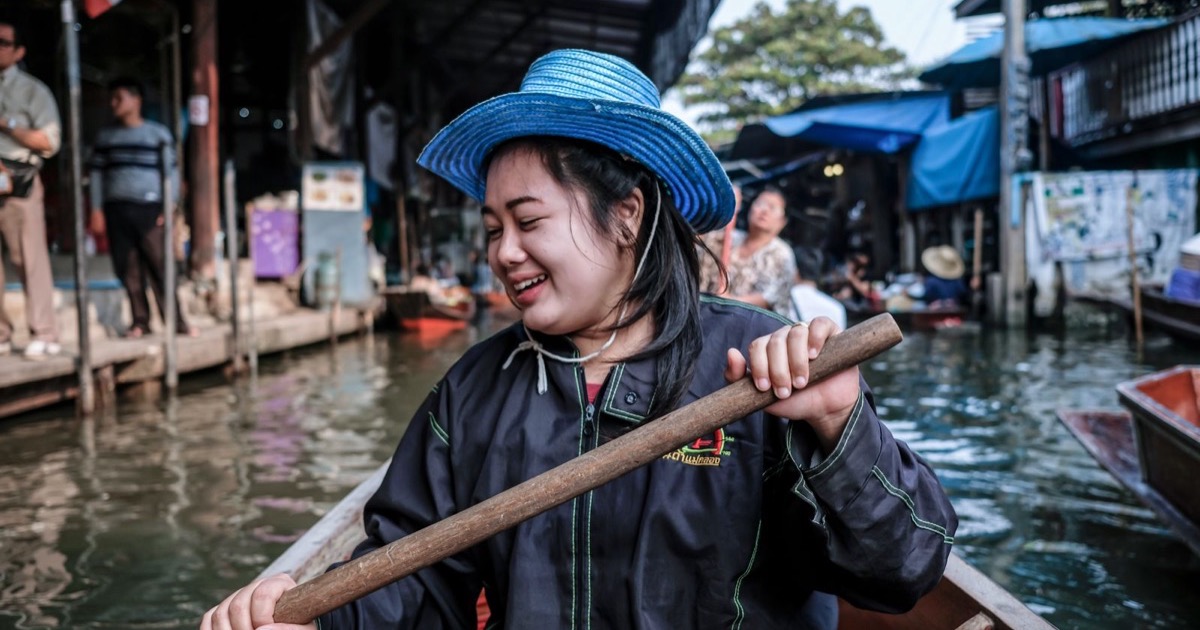
A visit to a floating market offers a sensory adventure that resonates with younger travelers. Vendors sell fresh fruit, snacks, and toys from boats, allowing kids to practice simple Thai greetings while sampling local treats. For a more urban playground, Siam Paragon hosts a dedicated kids zone featuring climbing walls, mini‑cinemas, and creative workshops, all within a climate‑controlled environment.
Lumpini Park provides a green oasis with a large playground, paddle‑boat rentals, and wide walking paths perfect for strollers. The Bangkok Zoo, set on the city’s outskirts, combines animal encounters with educational talks that cater to curious minds. Finally, museums such as the Children’s Discovery Museum and the Museum of Siam present interactive exhibits that turn history and science into playful learning experiences.
Which neighborhoods offer the best family‑oriented accommodations in Bangkok?
Sukhumvit is a central corridor known for its international hotels that often include family suites, babysitting services, and on‑site pools with shallow sections. The area’s proximity to the BTS Skytrain makes it easy to reach major attractions without lengthy car rides. Siam, positioned near major shopping centers, offers boutique hotels with kid‑friendly rooms and easy access to indoor play areas, making it convenient for families who prefer a compact walkable zone.
The Riverside district presents a quieter atmosphere, with many resorts featuring garden spaces, river views, and larger rooms suitable for families. Riverside hotels typically provide shuttle services to river piers, simplifying boat trips for young travelers. Sathorn, a business‑focused area, also hosts several upscale hotels that have adapted to family needs by offering complimentary cribs, child‑size menus, and concierge assistance for arranging day trips.
| Neighborhood | Hotel Type | Family Amenities | Nearby Attractions |
|---|---|---|---|
| Sukhumvit | International chains | Family suites, kids’ pool, babysitting | Terminal 21, Benjasiri Park, BTS stations |
| Siam | Boutique & mid‑range | Kid zones, stroller‑friendly rooms | Siam Paragon, Sea Life, MBK Center |
| Riverside | Resort‑style | Garden play area, river view rooms, shuttle to pier | Chao Phraya River, Asiatique, Wat Arun |
| Sathorn | Upscale business | Cribs, child‑size menus, concierge day‑trip help | Lumpini Park, MRT stations, local eateries |
How can families navigate Bangkok’s public transportation with young children?
The BTS Skytrain and MRT subway are the fastest ways to cross the city, and both systems have designated areas for strollers. Elevators are available at most stations, though peak hours can be crowded; planning trips during mid‑morning or early afternoon often results in a calmer ride. Ticket machines accept contactless cards, and child fares are reduced for passengers under a certain age, making budgeting straightforward.
River ferries complement rail travel by linking attractions along the Chao Phraya. Ferries have open decks that accommodate strollers and provide scenic views that keep children entertained during the short crossings. For destinations not served by rail or water, metered taxis and ride‑hailing apps are reliable; drivers are accustomed to families and can offer car seats upon request in many cases.
When using any mode of transport, keep a small bag with essentials—snacks, water, wipes, and a lightweight blanket—to handle unexpected delays. Carrying a portable stroller that folds easily helps when transitioning between crowded stations and quieter boat decks. With these strategies, families can move through Bangkok efficiently while minimizing stress for both parents and children.
What are the top kid‑friendly dining options and food markets in Bangkok?
Bangkok’s culinary scene offers more than just street stalls; several venues have built menus and environments that keep younger guests comfortable. Restaurants such as the riverside eatery at Asiatique feature spacious high‑chairs, a children’s menu with mild Thai flavors, and a play corner where crayons are always at hand. For families who prefer a Western touch, the mall‑based food court at Terminal 21 includes a dedicated “Kids Corner” with mini‑tables, soft‑serve ice cream, and quick service that reduces waiting time. If you enjoy exploring local flavors in a relaxed setting, the Chatuchak Weekend Market’s “Food Plaza” section provides a variety of grilled satay, fresh fruit smoothies, and sweet rice desserts, all served from stalls that are accustomed to serving small plates to curious palates.
When choosing a spot, consider the balance between cultural exposure and convenience. Markets like Talad Rot Fai Srinakarin blend vintage décor with a wide range of snack stalls, allowing children to wander safely while parents sample regional specialties. Meanwhile, the family‑oriented buffet at the hotel Sukhumvit Grande offers a predictable price point and a separate kids’ buffet line, which can be a relief after a day of sightseeing. Many of these locations also provide stroller‑friendly pathways and restrooms equipped with changing facilities, making them practical choices for families on the move.
Below is a quick comparison to help you match your family’s preferences with the right dining environment.
| Venue | Type of Cuisine | Kid‑Friendly Features | Approx. Price Range (per adult) |
|---|---|---|---|
| Asiatique Riverside Restaurant | Thai & International | High‑chairs, children’s menu, play corner, river view | Mid‑range |
| Terminal 21 Food Court – Kids Corner | Mixed (Asian, Western) | Mini‑tables, soft‑serve, quick service, stroller access | Budget |
| Chatuchak Food Plaza | Thai street food | Open seating, low‑spice options, easy to sample multiple dishes | Budget |
| Talad Rot Fai Srinakarin | Thai & International stalls | Spacious aisles, snack‑size portions, lively atmosphere | Budget‑to‑mid |
| Hotel Sukhumvit Grande Buffet | International buffet | Separate kids’ buffet, stroller‑friendly, changing rooms | Mid‑range |
Which day trips from Bangkok are suitable for families with children?
Beyond the city limits, several destinations provide a blend of education, adventure, and relaxation that works well for younger travelers. Many of these sites are reachable within two hours by car or train, allowing a full day of activity without excessive travel fatigue. When planning, look for attractions that offer guided tours in English, interactive exhibits, and open spaces where children can move freely.
- Ayutthaya Historical Park – Ancient ruins and restored temples are accompanied by a river cruise that adds a gentle perspective for kids.
- Safari World Bangkok – A drive‑through safari and a marine park provide close encounters with animals, plus a small amusement area designed for younger guests.
- Dream World – This theme park features a “Snow Town” section, gentle rides, and a dedicated children’s zone that avoids the high‑thrill attractions.
- Kanchanaburi – Erawan Waterfalls – A series of tiered waterfalls with safe, shallow pools perfect for splashing, plus easy hiking trails.
- Samut Prakan – Ancient City (Muang Boran) – A miniature park replicating famous Thai landmarks; the scale makes it easy for kids to grasp the country’s geography.
- Bang Pa-In Royal Palace – The palace grounds include spacious gardens, a small lake with paddle boats, and ornate architecture that sparks curiosity.
- Bangkok’s Butterfly Garden & Insectarium (Suan Rot Fai) – A greenhouse environment where children can observe colorful butterflies and learn about local insects.
What indoor activities are ideal for families during Bangkok’s rainy season?
When monsoon clouds gather, Bangkok still offers a variety of indoor attractions that keep children entertained while staying dry. Sea Life Bangkok Ocean World, located beneath the Siam Paragon mall, presents a multi‑level aquarium with walk‑through tunnels, interactive touch pools, and daily feeding shows that capture attention without requiring long outdoor exposure. Adjacent to the aquarium, the mall’s KidZania provides a role‑play city where children can try out professions in a safe, supervised environment.
Another excellent option is the Bangkok Art and Culture Centre, which hosts rotating exhibitions, family‑friendly workshops, and a dedicated children’s gallery that encourages hands‑on creativity. For a more relaxed pace, the indoor play centre at the EmQuartier shopping complex offers soft‑play zones, climbing walls, and a miniature train ride, all designed for children under ten. These venues are equipped with climate control, stroller‑friendly layouts, and on‑site dining, making them convenient choices for a rainy‑day itinerary.
How can parents keep children safe and comfortable while exploring Bangkok?
Bangkok’s traffic can be intense, so choosing the right mode of transport is essential. The BTS Skytrain and MRT subway are air‑conditioned, have priority seating for families, and avoid road congestion. When using taxis or ride‑hailing services, request a vehicle with a child‑safety seat or bring a portable booster; most drivers are familiar with family needs and will accommodate a brief stop for a quick snack or bathroom break.
Heat and humidity are constant companions, especially between March and May. Dress children in lightweight, breathable fabrics, apply sunscreen with at least SPF 30, and keep a refillable water bottle handy. Many malls, museums, and larger attractions provide free drinking water stations, so refilling frequently helps prevent dehydration.
Medical preparedness adds peace of mind. Pack a small kit with band‑aids, antiseptic wipes, any prescription medication, and an oral rehydration solution for minor stomach upsets. Pharmacies are abundant in Bangkok; most staff speak basic English and can advise on over‑the‑counter remedies. In case of a more serious issue, the city’s public hospitals have pediatric wards and English‑speaking staff.
What cultural experiences can families enjoy together in Bangkok?
Bangkok offers a range of activities that let families engage with Thai heritage while keeping children entertained. Interactive workshops let kids try their hand at traditional crafts, and many temples welcome families with guided tours that explain symbolism in simple terms. Evening markets provide a sensory introduction to local flavors, sounds, and colors, and many feature live performances that capture the imagination of younger visitors.
- Participate in a family‑friendly Thai cooking class where children can roll spring rolls and stir‑fry noodles under the guidance of a local chef.
- Visit Wat Pho to see the Reclining Buddha and join a short, kid‑oriented meditation session that teaches basic breathing techniques.
- Attend a traditional Thai dance show at the Siam Niramit venue, which includes subtitles and a brief pre‑show explanation suitable for children.
- Explore the Bangkok Art and Culture Centre’s hands‑on exhibitions, often featuring interactive installations designed for younger audiences.
- Take a short boat ride to the historic Thonburi canals and learn about the city’s waterway heritage while spotting traditional wooden houses.
- Watch a Muay Thai demonstration at a local gym that offers a family‑friendly schedule, allowing children to see the sport’s discipline and rhythm without the full intensity of a competitive match.
These experiences blend education with enjoyment, giving families a deeper appreciation of Thai customs without sacrificing fun.
Which parks and outdoor spaces provide playgrounds and open areas for kids?
Lumpini Park remains a favorite for families seeking a green oasis amid the urban landscape. Its shaded pathways, paddle‑boat rentals, and a large playground equipped with climbing frames make it easy to spend a relaxed morning. The park’s central lake also hosts occasional free‑entry bird‑watching sessions that can capture a child’s curiosity.
Benjasiri Park, located near the Siam area, offers a series of whimsical sculptures and a well‑maintained playground with separate zones for toddlers and older children. The park’s open lawns are ideal for picnics, and the nearby BTS station provides quick access for families staying in central hotels.
Further north, Chatuchak Park complements the famous weekend market with wide walking trails, a lake with rentable pedal boats, and a modern playground featuring sensory equipment. The park’s proximity to the Chatuchak Weekend Market allows families to combine shopping with outdoor play in a single day.
Queen Sirikit Park, part of the larger Dusit Palace complex, showcases themed gardens such as a cactus garden and a butterfly garden, which can be both educational and visually stimulating for children. Its paved paths are stroller‑friendly, and the garden’s gentle slopes provide a calm environment for a leisurely stroll.
King Rama IX Park, the city’s largest public park, spans over 200 acres and includes a sprawling playground, a miniature train ride, and a large lake where families can rent paddle boats. The park’s extensive network of shaded trails makes it suitable for longer walks, and its regular weekend activities—such as kite‑flying lessons—offer additional engagement for kids.
How can families plan a budget‑friendly itinerary in Bangkok?
Start by mapping each day around a single transit corridor. The BTS Skytrain and MRT lines intersect at key hubs such as Siam, Asok, and Mo Chit, allowing you to walk to several attractions without paying extra for taxis. Choose a central, family‑oriented hotel or serviced apartment near a skytrain station; a short walk will save both fare and time while keeping the children comfortable.
Mix free or low‑cost experiences with one‑ticket highlights. Parks like Lumphini and Benjakitti offer playgrounds, paddle‑boat rentals, and open spaces for picnics at virtually no charge. Pair these with a single paid activity such as Sea Life Bangkok Ocean World, where a family ticket provides a good value compared with multiple smaller attractions. Use the Bangkok Tourist Pass for unlimited rides on public transport and discounted entry to selected museums, stretching your budget further.
What essential items should families pack for a trip to Bangkok in 2026?
Lightweight, breathable clothing is a must because temperatures regularly climb above 30 °C (86 °F). Pack a few long‑sleeve shirts and trousers made from quick‑dry fabric for temple visits, where modest dress is required. A compact, refillable water bottle with a built‑in filter helps keep everyone hydrated while reducing plastic waste.
Bring a sturdy, umbrella‑compatible stroller with a lockable wheel for the occasional uneven sidewalks and the occasional rain shower common in the monsoon months. A portable power bank, universal plug adapter, and a small first‑aid kit (including child‑friendly antihistamines and band‑aids) round out the essentials, ensuring you stay connected and prepared for minor mishaps.
Sources & Further Reading
Frequently Asked Questions
Is Bangkok safe for families traveling with toddlers?
Bangkok is generally safe for families, with low rates of violent crime and a strong police presence in tourist areas. Keep an eye on personal belongings in crowded markets and use reputable transport options. Most hotels and attractions provide child‑friendly facilities, and staff are accustomed to assisting families with young children.
What is the best time of year to visit Bangkok with children?
The most comfortable months are November through February, when temperatures are milder and humidity drops slightly. School holidays in many countries align with this period, making it easier to plan a longer stay. If you travel during the rainy season (May‑October), bring rain gear and plan indoor activities as a backup.
Are there stroller‑friendly routes on Bangkok’s BTS and MRT lines?
Both the BTS and MRT have elevators at most stations, and the platforms are level with train doors, allowing smooth boarding with a stroller. Some older stations may lack elevators, so checking the transit authority’s website for accessibility information before you travel can help you avoid unexpected obstacles.
Which attractions in Bangkok offer free or discounted entry for kids?
Many museums, such as the Bangkok Art and Culture Centre, waive admission for children under 12. Parks, playgrounds, and public gardens are free. Large attractions like the Grand Palace charge a reduced fee for children under a certain height, while Sea Life Bangkok Ocean World provides a family ticket that lowers the per‑person cost.
Can I find English‑speaking staff at family‑friendly hotels in Bangkok?
Most mid‑range and upscale hotels employ English‑speaking front‑desk personnel and concierge teams. International chains and boutique properties that market to families often provide multilingual brochures, child‑proofed rooms, and staff who can arrange babysitting services or recommend kid‑focused activities.
What medical facilities are available for children in case of emergencies?
Bangkok hosts several internationally accredited hospitals with pediatric departments, such as Bumrungrad International and Samitivej Sukhumvit. Emergency rooms are equipped to handle common injuries and illnesses, and many doctors speak English. It is advisable to carry a copy of your travel insurance and your child’s medical history.
How much time should I allocate for a visit to Sea Life Bangkok Ocean World?
Plan for at least three hours to explore the main exhibits, interactive zones, and the optional behind‑the‑scenes tour. Younger children may become fatigued sooner, so bringing a lightweight stroller and scheduling a break at the on‑site café can keep the experience enjoyable for the whole family.
Are there any cultural dress codes I need to follow when visiting temples with kids?
Temples require shoulders and knees to be covered. Long‑sleeve shirts, lightweight trousers, or long skirts meet the requirement while keeping children comfortable. Many temples provide rental scarves or cover‑ups at the entrance, but bringing your own ensures a quick and hassle‑free entry.
Traveling with children in Bangkok works best when you blend free outdoor spaces with a few standout attractions, use the efficient public‑transport network, and stay prepared with a well‑chosen packing list. With thoughtful planning, the city’s vibrant mix of culture, nature, and modern fun can become a memorable family adventure.Plan your trip
Tours, tickets & activities
Browse and book experiences, attraction tickets and day trips on Klook, with instant confirmation.
Explore experiences on KlookWe may earn a commission from bookings made through this link, at no extra cost to you.
Reviewed by our editor for Asia & the Middle East
Sarah ChenAsia & Middle East Editor
Travel writer covering Southeast Asia, East Asia and the Gulf — temples, street food and modern cities.
More articles by Sarah Chen →