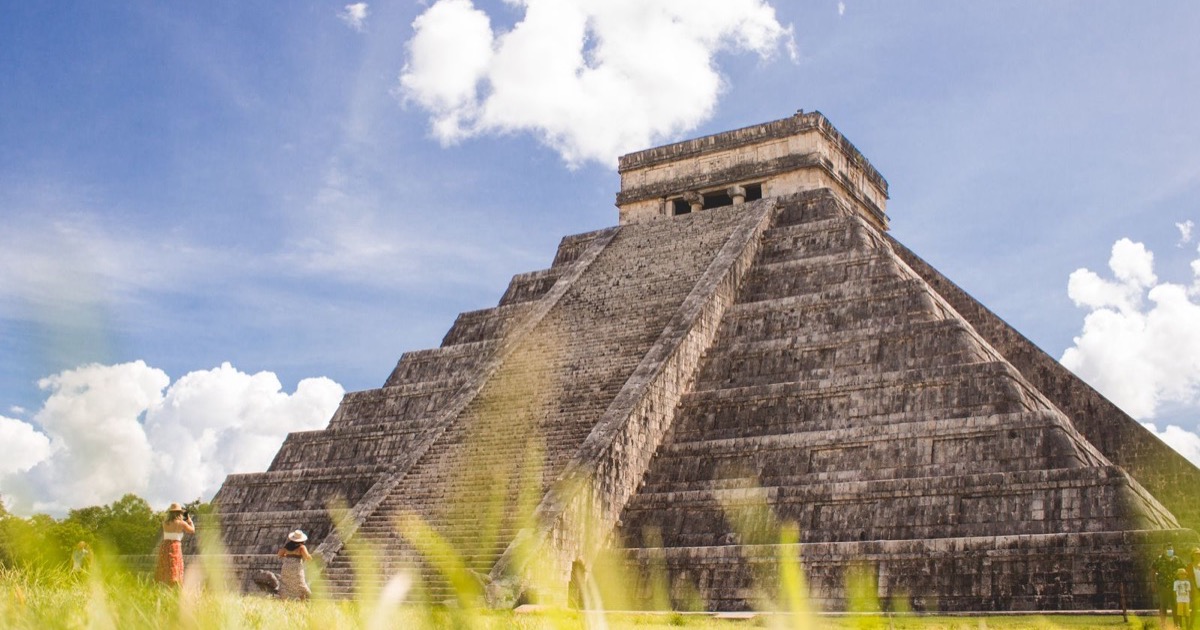

Planning a day trip to the legendary Mayan citadel can feel overwhelming, especially when you want every detail handled for you.
Planning a day trip to the legendary Mayan citadel can feel overwhelming, especially when you want every detail handled for you. The all inclusive Chichen Itza tour price promises a single‑payment solution that covers transport, entry, food, and a knowledgeable guide, letting you focus on the stone carvings and jungle backdrop. In 2026 the market offers a spectrum of packages, each tailored to different budgets and comfort levels, so understanding what you actually receive is essential before you click “book.”
What exactly is included in an all‑inclusive Chichen Itza tour?
A true all‑inclusive experience begins the moment you step onto the pick‑up point, usually a hotel lobby in Cancun or Playa del Carmen. Round‑trip transportation is provided in air‑conditioned coaches or, for higher‑end options, private vans with a driver familiar with the Yucatan Peninsula tours. The vehicle is equipped with Wi‑Fi and rest‑room stops, ensuring a comfortable journey of roughly two hours each way.
Entrance fees to the archaeological zone are covered, which means you avoid the separate ticket line at the gate. Inside the site, a certified guide—often a specialist in Mayan history—leads the group through the Temple of Kukulcán, the Great Ball Court, and the Observatory, offering context that turns a simple walk into a cultural experience. Many tours also add a stop at a nearby cenote, where entry and a brief swim are included, enhancing the day with a natural highlight.
Beyond logistics, the package typically bundles meals and drinks. A light breakfast (often fruit, pastries, and coffee) is served before departure, followed by a buffet lunch featuring Mexican staples such as tacos, rice, beans, and fresh fruit. Unlimited bottled water and soft drinks are standard, while some deluxe tours throw in a welcome cocktail or a glass of wine with lunch.
How much does a typical all‑inclusive Chichen Itza tour cost in 2026?
Pricing varies according to group size, guide expertise, and additional stops. Budget group tours, which use larger buses and a single guide, start around $80 per person. Mid‑range options, offering smaller groups (12‑15 travelers) and a higher guide‑to‑guest ratio, hover between $115 and $140. Private tours—ideal for families or small parties—run from $250 per person, with a flat‑rate option of $890 for a group of up to eight. The most premium packages, which may include a luxury vehicle, premium meals, and a private cenote guide, can exceed $300 per guest.
When comparing offers, consider what each tier includes. A lower‑cost tour may limit the cenote stop or provide a basic snack instead of a full lunch, while a higher‑priced option often adds extra amenities such as travel insurance, priority entry, or a souvenir booklet. Reading recent tour reviews helps gauge whether the guide quality and overall organization match the price tag.
| Option | Price per Person (USD) | Inclusions | Guide Type |
|---|---|---|---|
| Budget Group | $80‑$95 | Transport, entry, basic lunch, water | Single guide for large group |
| Mid‑Range Group | $115‑$140 | Transport, entry, buffet lunch, drinks, cenote | Certified guide, smaller group |
| Private Tour | $250‑$300 | Private vehicle, entry, premium lunch, drinks, cenote, insurance | Dedicated guide |
| Deluxe Premium | $320‑$350 | Luxury transport, gourmet meals, premium drinks, cenote, souvenir kit | Senior historian guide |
Are meals and drinks really covered on these tours?
Most operators list meals and drinks as part of the all‑inclusive package, but the quality and quantity differ. Budget tours generally provide a simple boxed lunch or a buffet with limited options, accompanied by water and perhaps a soda. Mid‑range and higher tiers upgrade the menu to include freshly prepared dishes, local specialties, and a selection of soft drinks, juices, and sometimes alcoholic beverages.
Breakfast is usually a grab‑and‑go offering at the hotel lobby—think pastries, fruit, and coffee—so you start the day energized. Lunch, served at a restaurant near the archaeological site or at the cenote facility, tends to be the highlight of the culinary portion. If you have dietary restrictions, many providers will note “special meals available upon request” in their booking tips, but it’s prudent to confirm ahead of time.
Beyond the main meals, most tours include unlimited bottled water, a crucial inclusion given the Yucatan heat. Some deluxe experiences add a welcome cocktail or a glass of wine with lunch, turning the meal into a small celebration. Always check the itinerary details to ensure the beverage selection aligns with your preferences.
Which transportation options are provided on an all‑inclusive package?
Most operators that market an all‑inclusive Chichen Itza experience bundle the journey from your hotel in Cancun or the Riviera Maya with a dedicated vehicle. The default choice is an air‑conditioned coach that departs early in the morning, picks up guests at the main resort corridors, and returns after the final stop at a cenote. This vehicle type balances comfort and capacity, allowing the guide to address the whole group without excessive noise.
For travelers who value privacy, many companies offer a private van or mini‑bus upgrade. These units typically seat 8‑12 passengers, feature reclining seats, and sometimes include onboard Wi‑Fi. The higher per‑person price reflects the reduced group size and the ability to customize the itinerary, such as adding an extra stop at a nearby archaeological site.
Luxury‑focused tours may provide a premium coach with leather upholstery, individual climate controls, and a small lounge area. While the cost per seat can approach double that of the standard coach, the experience includes extra amenities like bottled water, complimentary snacks, and a personal concierge who handles any on‑the‑fly requests.
Regardless of the vehicle tier, all‑inclusive packages guarantee that fuel, tolls, and driver fees are covered in the advertised price. This eliminates surprise charges and ensures the schedule adheres to the published timeline, which typically runs from 7 am pick‑up to 6 pm drop‑off.
| Option | Capacity | Comfort Level | Typical Cost / Person | Notes |
|---|---|---|---|---|
| Standard Air‑Conditioned Coach | 45‑55 | Basic | $70‑$85 | Most common; includes guide and lunch. |
| Private Van / Mini‑Bus | 8‑12 | Mid‑range | $120‑$150 | Smaller group, flexible stops. |
| Luxury Coach | 30‑40 | High | $180‑$220 | Leather seats, onboard Wi‑Fi, extra amenities. |
| Shared Shuttle (ADO Bus) | 30‑35 | Basic | $55‑$65 | Cheapest; limited guide interaction. |
Do all‑inclusive tours include entrance to the cenotes and other sites?
Entrance fees are a core component of most all‑inclusive itineraries. The standard package typically bundles the ticket to Chichen Itza, a single cenote swim, and a brief stop at a cultural attraction such as the colonial town of Valladolid. These inclusions are reflected in the headline price, so travelers do not need to carry cash for entry.
Higher‑tier tours often expand the list of covered sites. For example, a deluxe option may add a second cenote, a guided walk through the Ek Balam ruins, or admission to a regional museum. The extra cost is usually a flat surcharge rather than a per‑person add‑on, which simplifies budgeting for groups.
Some operators also partner with eco‑parks, allowing guests to explore natural reserves or participate in a short snorkeling session without additional fees. When the itinerary mentions “optional activities,” the entry ticket is usually included, but any equipment rental (snorkel gear, lockers) may be billed separately.
It is advisable to read the fine print of each package. While the majority of reputable companies list every included entrance, a few budget tours may only cover the archaeological site, leaving cenote fees to the traveler. Confirming this detail before booking prevents unexpected expenses on the day of travel.
- Entrance to Chichen Itza archaeological zone (including the Great Ball Court and Temple of the Warriors).
- Swim access to a primary cenote, typically Ik Kil or a comparable location.
- Admission to a secondary cenote for deluxe packages.
- Ticket to the colonial town of Valladolid’s main plaza and museum.
- Entry to Ek Balam ruins when offered as an add‑on.
- Access to a regional eco‑park or nature reserve, if included.
- Guided walk through a local market or craft village, when part of the itinerary.
How does group size affect the price and experience of a Chichen Itza tour?
Group size is the primary driver behind the wide price spectrum observed in 2026. Large tours of 40‑plus participants can achieve economies of scale, allowing operators to negotiate lower entrance fees and spread vehicle costs across many seats. The resulting per‑person price often lands in the $70‑$90 range, making it attractive for budget‑conscious travelers.
Smaller groups, typically 8‑12 people, command a premium because they provide a more intimate setting. Guides can tailor commentary to the interests of the participants, pause for questions, and adjust the pace without worrying about keeping a large crowd together. This personalized approach usually adds $30‑$50 to the base cost.
Beyond cost, the size of the party influences logistical flexibility. Large groups must adhere to a fixed schedule, limiting the time spent at each stop and reducing the likelihood of spontaneous detours. In contrast, a private or boutique group can incorporate extra activities, such as a late‑afternoon cenote dip or a brief visit to a nearby hacienda, without disrupting the overall timeline.
Travelers should weigh the trade‑off between price and experience. If the primary goal is to see the main highlights efficiently, a larger coach tour offers solid value. If deeper engagement with the history, culture, and natural surroundings is desired, a smaller, higher‑priced group may deliver a more rewarding day.
What should I look for in a guide when choosing a Chichen Itza tour?
First‑rate guides usually hold a certification from the Mexican Ministry of Tourism or a recognized local authority. That credential guarantees they have completed the required training on site history, safety protocols, and visitor etiquette. When a guide’s profile lists a specific number of years spent at Chichen Itza, you can expect deeper insight into lesser‑known aspects of the site, such as the astronomical significance of the Temple of Kukulcán or the role of the ball court in Maya rituals.
Language fluency matters just as much as expertise. Guides who can conduct the tour in your preferred language without sacrificing nuance will keep the group engaged and make complex concepts accessible. Look for reviews that mention clear explanations and the ability to answer spontaneous questions; those are signs of a guide who balances factual accuracy with genuine curiosity.
Group size influences the quality of interaction. Tours limited to 12‑15 participants allow the guide to tailor anecdotes to the audience, pause for photos, and manage pacing. If a company advertises “small‑group” but lists 30‑plus travelers, the experience may feel more like a shuttle than a guided exploration. Finally, consider how the guide handles logistics: punctual pick‑up, smooth transfers, and clear instructions for optional activities all reflect professionalism that extends beyond the commentary at the ruins.
Are there any hidden fees or extra charges on all‑inclusive tours?
All‑inclusive packages aim to bundle transportation, entry, meals, and guide services into a single price, yet certain costs can appear after the reservation is confirmed. Taxes are often included in the headline figure, but some operators list them separately on the receipt, creating the impression of a higher total. Optional upgrades—such as premium cenote access, a private beach lounge, or a specialty dinner—are usually presented as “add‑ons” and can add $10‑$30 per person.
Extra drinks beyond the standard water and soft beverage allowance are another common source of surprise. While most tours provide unlimited non‑alcoholic beverages, alcoholic drinks, specialty coffees, or bottled water may be billed individually. Finally, gratuities for drivers and guides are sometimes omitted from the advertised cost; many companies expect guests to tip on the spot, which can range from $5 to $15 per person depending on service level.
- Tour‑specific taxes that are itemized after booking
- Premium cenote entry or private changing rooms
- Alcoholic beverages, specialty coffees, and bottled water
- Optional souvenir purchases or local artisan workshops
- Airport or hotel transfers not included in the base itinerary
- Gratuities for drivers, guides, and support staff
- Late‑cancellation or no‑show penalties
How do private versus group all‑inclusive tours compare in cost?
Private tours charge a flat fee for the entire party, which translates to a higher per‑person price when the group is small. In 2026, a typical private Chichen Itza day trip from Cancun ranges from $250 to $300 per traveler, covering exclusive vehicle use, a dedicated guide, and often a personalized lunch. Group tours, by contrast, spread the same core expenses across 12‑20 participants, resulting in advertised rates of $80‑$100 per person for a comparable level of service.
The cost differential reflects economies of scale. Shared transportation reduces fuel and driver wages per head, while a single guide can address a larger audience without a proportional increase in salary. However, private tours often include perks not found on group itineraries, such as flexible departure times, the ability to linger at specific structures, or the option to visit an additional cenote without extra charge.
When budgeting, consider the value of time and personalization. If you prefer a relaxed pace, the ability to ask detailed questions, or the convenience of a door‑to‑door schedule, the premium of a private tour may be justified. For travelers focused on minimizing expenses while still receiving a qualified guide and full meals, a well‑reviewed group tour remains the most economical choice.
Can I customize an all‑inclusive Chichen Itza tour to fit my schedule?
Most operators understand that travelers have different priorities, so many offer flexible start times. You can often choose an early‑morning departure to beat the crowds, a mid‑day option that includes a beach break, or a late‑afternoon slot that allows a sunrise visit at a nearby cenote. When you book directly through a tour company’s website, a dropdown menu typically lets you select the preferred departure window, and the price remains unchanged because the core services—transport, guide, entry fees, and meals—are bundled.
If you have specific interests, such as a deeper focus on Maya astronomy or a private photography session, several providers will add a specialist guide or extra time at the site for an additional fee. Group sizes also affect flexibility; smaller groups (10‑15 people) are more likely to accommodate a custom itinerary than large bus tours that stick to a strict schedule.
What do recent traveler reviews say about all‑inclusive Chichen Itza tours?
Recent feedback highlights the convenience of having transportation, entrance tickets, lunch, and a guide bundled together. Guests frequently praise the comfort of air‑conditioned vans that leave hotels early, allowing ample time to explore the Pyramid of Kukulcán without feeling rushed. Many note that the included cenote stop provides a refreshing contrast to the heat of the archaeological zone, and the guided commentary is praised for being clear, bilingual, and rich with anecdotes.
Critiques tend to focus on the pace of the day; some travelers feel the itinerary moves quickly between the ruins and the cenote, leaving little time for independent wandering. Others mention that while the meals are generally tasty, the buffet style can be limited for those with strict dietary restrictions, prompting a recommendation to alert the operator ahead of time. Overall, the consensus is that the all‑inclusive format delivers a hassle‑free experience worth the price point.
Frequently Asked Questions
What is the average price per person for an all‑inclusive Chichen Itza tour?
In 2026, most standard packages fall between $80 and $110 USD per traveler. This range includes round‑trip transport from major resort areas, entrance fees, a bilingual guide, and a full‑day lunch. Premium options that add a private guide, upgraded vehicle, or additional cenote visits can rise to $150‑$200.
Does the tour price include transportation from Cancun or Playa del Carmen?
Yes, the bundled cost typically covers pick‑up and drop‑off at most hotels in Cancun, Playa del Carmen, and the surrounding Riviera Maya. The vehicles used are usually air‑conditioned vans or minibusses, and the route is planned to minimize travel time while ensuring safe road conditions.
Are entrance fees to Chichen Itza and the cenotes covered in the package?
The all‑inclusive rate generally incorporates the official entry ticket to the archaeological site as well as the admission fee for the selected cenote stop. Some operators may charge a small surcharge for premium cenotes that require special permits, but this is clearly indicated during booking.
Can I get a refund if I need to cancel my all‑inclusive tour?
Cancellation policies vary by provider, but most offer a full refund if you cancel at least 48 hours before the scheduled departure. Cancellations made within 24‑48 hours may incur a 25‑50 % fee, while same‑day cancellations are usually non‑refundable. Always review the specific terms before confirming.
How long does a typical all‑inclusive Chichen Itza day tour last?
A standard itinerary runs from early morning pick‑up (around 7 am) until late afternoon drop‑off (around 4 pm). This includes roughly three hours at the ruins, a two‑hour cenote swim, and travel time between locations. Some operators extend the day to include a sunset visit at a nearby viewpoint for an extra charge.
Are meals vegetarian or vegan‑friendly on these tours?
Most tour companies provide a buffet lunch with a variety of options, including vegetarian dishes such as grilled vegetables, rice, beans, and fresh fruit. Vegan travelers should request accommodations when booking; many operators will note vegan‑friendly choices or can arrange a special meal at little or no extra cost.
Is a professional English‑speaking guide included in the price?
Yes, the standard price includes a certified guide who speaks fluent English and often Spanish as well. The guide leads the group through the main structures, explains historical context, and answers questions throughout the day. Some tours also offer optional guides in other languages for an additional fee.
What extra costs should I budget for besides the tour price?
While the core package is comprehensive, travelers should consider a few ancillary expenses: tips for the driver and guide (typically $5‑$10 per person), optional souvenirs at the site, personal snacks or beverages not covered by the lunch buffet, and any extra activities such as snorkeling or zip‑line tours if they choose to add them after the main itinerary.
Can I bring my own water bottle or snacks on the tour?
Most operators allow guests to carry a reusable water bottle, which is encouraged to stay hydrated in the Yucatán heat. Bringing light snacks is also permitted, though many tours provide sufficient refreshments during the day. Be aware that large coolers or alcohol are usually prohibited on the vehicle.
Travelers who match the tour’s schedule with their own pace and communicate dietary or accessibility needs in advance will find the all‑inclusive format a reliable way to explore Chichen Itza without unexpected expenses.Reviewed by our editor for the Americas & practical travel
James CarterAmericas & Practical Travel Editor
Travel writer covering the Americas plus the practical side of travel — budgets, eSIMs, visas and logistics.
More articles by James Carter →