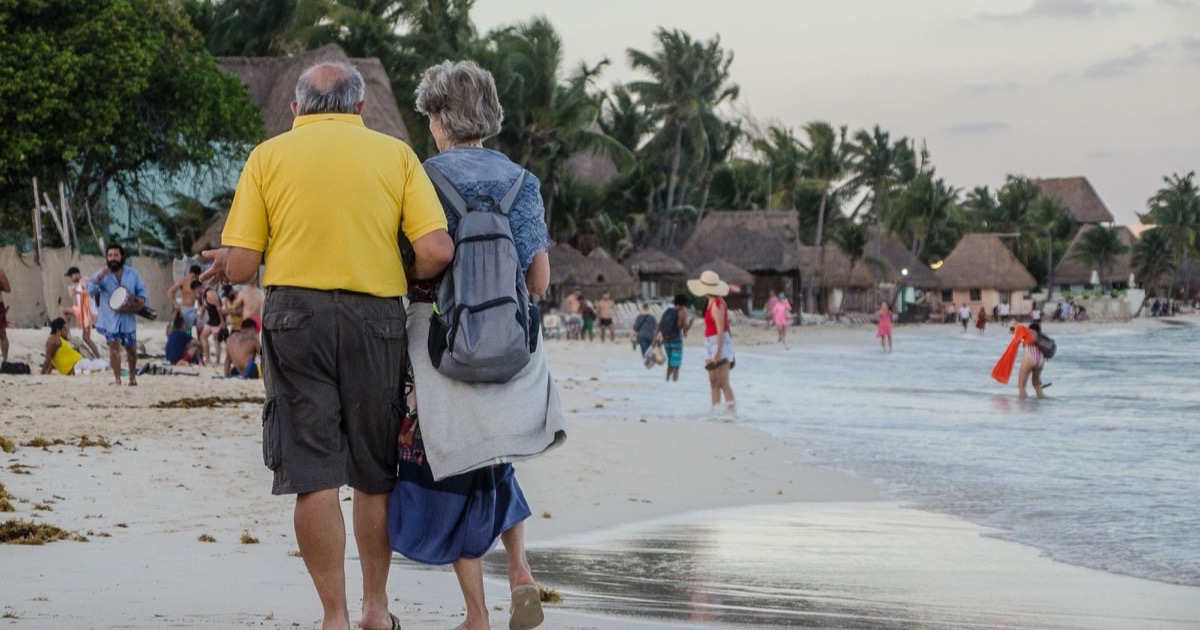

Travelers over 60 who rely on a wheelchair can now enjoy the vibrant culture, historic sites, and natural wonders of the Yucatán Peninsula without compromise.
Travelers over 60 who rely on a wheelchair can now enjoy the vibrant culture, historic sites, and natural wonders of the Yucatán Peninsula without compromise. The region’s growing commitment to inclusive design means that wheelchair‑accessible Yucatán travel is no longer a niche pursuit but a realistic option for senior explorers. From smooth‑paved colonial streets to adapted museum exhibits, the peninsula offers a blend of comfort and adventure that respects both mobility needs and the desire for authentic experiences.
What wheelchair-accessible attractions can seniors enjoy in the Yucatan Peninsula?
One of the most celebrated sites, Chichén Itzá, has introduced paved pathways, handrails, and low‑gradient ramps that allow wheelchair users to experience the iconic Temple of Kukulcán and the Great Ball Court with minimal strain. Nearby, the ruins of Uxmal feature a specially designed visitor route that bypasses uneven terrain while still showcasing the intricate Puuc architecture. Both locations are included in many senior‑friendly Yucatán tours that prioritize accessibility and provide knowledgeable guides trained to accommodate mobility‑aid users.
Nature lovers will appreciate the growing number of accessible cenotes, such as Cenote X’keken near Valladolid, where concrete walkways and hand‑held railings lead to viewing platforms. For those interested in wildlife, the boat excursions to Rio Lagartos now operate vessels equipped with hydraulic lifts, allowing safe boarding for wheelchair passengers to observe flamingos and marine turtles in their natural habitat. In the city of Mérida, the historic Paseo de Montejo offers a smooth, tree‑lined promenade with curb cuts at every cross‑street, making it ideal for leisurely strolls or a coffee break at a wheelchair‑accessible café.
Which hotels in the Yucatan Peninsula offer senior‑friendly wheelchair accommodations?
Accommodations across the peninsula have responded to the demand for inclusive hospitality. In Mérida, several boutique hotels feature ground‑floor rooms with roll‑in showers, grab bars, and adjustable beds, while also providing on‑site medical assistance services for seniors who may need extra care. Along the Riviera Maya, larger resort complexes often include accessible beachfront villas with wide doorways, wheelchair‑friendly pool lifts, and staff trained in senior mobility support. In Valladolid, historic inns have been retrofitted with ramps and tactile signage, preserving the colonial charm without sacrificing modern accessibility standards.
When choosing a place to stay, consider factors such as the availability of wheelchair‑friendly restaurants, proximity to accessible attractions, and the presence of a dedicated concierge who can arrange mobility‑aid rentals. Many properties also offer complimentary wheelchair batteries and portable ramps, ensuring that guests can explore the surrounding area without worrying about equipment limitations.
| Hotel | Location | Wheelchair Features | Senior Services |
|---|---|---|---|
| Accessible Boutique Hotel | Mérida City Center | Roll‑in showers, grab bars, 0‑step entry, wide corridors | On‑site medical liaison, daily housekeeping, assisted luggage |
| Inclusive Resort Villa | Riviera Maya Beachfront | Beach wheelchair rentals, pool lift, wheelchair‑friendly dining areas | Mobility‑aid concierge, escorted tours, dietary assistance |
| Historic Accessible Inn | Valladolid Old Town | Ramp at entrance, tactile signage, adapted bathroom fixtures | Local guide coordination, emergency contact support, quiet rooms |
How can seniors navigate public transportation in the Yucatan with a wheelchair?
Public buses in major cities such as Cancún, Playa del Carmen, and Mérida have been upgraded with low‑floor designs and automatic ramps, allowing wheelchair users to board and alight safely. Schedules are posted online with clear indications of accessible routes, and many operators provide priority seating near the doors. For intercity travel, the ADO bus network offers a “Premium” service that includes wheelchair‑secure straps and onboard assistance upon request.
Taxis represent another practical option, especially when pre‑booked through reputable companies that maintain a fleet of vehicles equipped with wheelchair ramps or lifts. Riders can request a “wheelchair‑friendly” taxi via phone or mobile app, ensuring that the driver arrives with the appropriate vehicle. several local agencies provide short‑term mobility‑aid rentals, such as electric scooters or lightweight manual wheelchairs, which can be picked up at airports or city centers and returned at the end of the stay.
Travelers should also keep climate considerations in mind; the Yucatán’s warm, humid environment can affect battery life for electric mobility devices. Planning trips during the cooler months of November to February and staying hydrated can help seniors maintain comfort while navigating the peninsula’s accessible transportation network.
Senior travelers who rely on a wheelchair often wonder if the iconic Maya sites, sun‑kissed beaches, and crystal cenotes of the Yucatán can be enjoyed without compromising comfort or safety. Over the past few years, Mexican tourism authorities, local municipalities, and private operators have invested heavily in ramps, tactile pathways, and staff training. The result is a network of attractions that balance historic preservation with modern accessibility, allowing older visitors to experience the region’s heritage without excessive strain.
Are the Maya ruins in the Yucatán accessible for wheelchair users?
Most major archaeological parks now feature at least one wheelchair‑friendly route that circles the primary structures. At Chichén Itzá, for example, a paved loop connects the Great Ball Court, the Temple of the Warriors, and the iconic pyramid, with flat gradients and handrails where needed. Guided tours are offered in wheelchairs, and portable ramps can be requested for occasional steps. Smaller sites such as Ek Balam have invested in removable ramps that protect delicate stonework while providing safe passage to the central plaza.
Accessibility varies according to the age of the site and the amount of restoration work completed. Coastal ruins like Tulum, built on steep cliffs, present more challenges; however, a newly constructed boardwalk with gentle slopes allows visitors to view the sea‑overlook and the main temple from a distance. When planning a visit, it is advisable to contact the site’s visitor center ahead of time to confirm the availability of wheel‑accessible restrooms and assistance services.
| Site | Accessibility Level | Main Features | Recommended Services |
|---|---|---|---|
| Chichén Itzá | High | Great Ball Court, Temple of the Warriors, El Castillo | Wheelchair‑friendly loop, on‑site wheelchair rentals, audio guide |
| Uxmal | Medium | Pyramid of the Magician, Governor’s Palace | Ramped entrances, portable ramps for stairs, staff assistance |
| Ek Balam | Medium | Acropolis, main plaza | Removable ramps, flat pathways, guided wheelchair tours |
| Cobá | Low | Nohoch Mul pyramid, extensive trail system | Shuttle‑bus with wheelchair lift, limited paved routes |
What are the best wheelchair‑friendly beaches for seniors in the Yucatán?
Coastal municipalities have responded to senior demand by installing boardwalks, beach‑wheelchair loan programs, and accessible restrooms directly on the sand. Playa del Carmen’s central promenade offers a smooth, shaded pathway that leads to a gently sloping beach zone equipped with sturdy beach‑wheelchairs and raised platforms for easy entry into the water. Similarly, the resort town of Tulum provides a designated “accessible zone” where soft‑sand ramps meet the sea, and lifeguards are trained to assist wheelchair users with board rentals.
When selecting a beach, consider factors such as tide schedules, the presence of shaded cabanas, and the availability of nearby medical facilities. Many hotels along the Riviera Maya partner with local NGOs to maintain wheelchair‑friendly beach equipment, ensuring that seniors can enjoy extended periods of sun and surf without excessive fatigue.
- Playa del Carmen – Central promenade with beach‑wheelchair rentals and shaded rest areas.
- Tulum – Designated accessible zone with soft‑sand ramps and lifeguard assistance.
- Akumal – Calm bay, wheelchair‑friendly boardwalk, and sea‑turtle observation platforms.
- Isla Mujeres – North Beach (Playa Norte) offers firm sand, paved walkways, and wheelchair‑accessible showers.
- Puerto Morelos – Family‑oriented beach with low‑gradient ramps and wheelchair‑friendly snack bars.
- Cozumel – West Bay features a boardwalk that connects the pier to the beach, with portable ramps on request.
- Mahahual – Remote yet well‑maintained access point with reinforced wooden ramps and nearby medical clinic.
Which cenotes provide wheelchair access and safety for senior travelers?
Cenotes are natural sinkholes that can pose mobility challenges, but a growing number now feature engineered entry points. Cenote Azul near Playa del Carmen has a concrete ramp leading to a shallow viewing platform, allowing wheelchair users to admire the turquoise water without stepping into deeper sections. Handrails line the perimeter, and staff are available to guide visitors to the most comfortable viewing spots.
Further inland, Cenote X’Canche near Valladolid offers a fully paved pathway that circles the main pool, with a low‑step ramp that meets the water’s edge at a depth of only 30 cm. The site provides wheelchair‑friendly changing rooms and a small café equipped with accessible seating. For seniors who prefer a more guided experience, several local operators include wheelchair‑compatible transportation and a trained guide who can assist with safe navigation of the surrounding trails.
How can seniors rent mobility equipment while visiting the Yucatan Peninsula?
Travelers who rely on a wheelchair, scooter, or other assistive device have several options for securing equipment before or during their stay. Major airports in Cancun and Merida host desks staffed by local providers that can arrange a wheelchair or power‑chair delivery to the terminal gate. Booking online through a reputable mobility‑aid rental service allows seniors to specify model, battery range, and any required accessories such as ramp‑compatible seat belts. Many of these companies advertise ADA compliance in their fleet, ensuring that the chairs meet the width and maneuverability standards commonly required in public venues across Mexico.
Hotels in popular Yucatan destinations frequently keep a limited inventory of portable chairs and walkers. When reserving lodging, it is advisable to ask the front desk about on‑site rentals or the possibility of a complimentary delivery to the guest room. Some boutique properties partner with regional suppliers to offer a “wheelchair‑friendly package” that includes a ramp‑accessible parking permit and a set of curb‑cuts for the hotel’s private garden paths. Coordinating these details ahead of arrival reduces the need for last‑minute negotiations and helps maintain a smooth itinerary.
Travel insurance that covers senior travelers in Mexico often includes a clause for medical equipment loss or damage. Reviewing the policy language before purchase can prevent unexpected out‑of‑pocket expenses. For longer trips, a weekly or monthly rental plan may be more economical than daily rates, especially when exploring multiple sites such as the archaeological zones of Uxmal and the coastal towns of Progreso.
What medical facilities are available for seniors with mobility needs in the Yucatan?
The Yucatan Peninsula hosts a network of public hospitals, private clinics, and specialized rehabilitation centers that are equipped to assist wheelchair users. In Merida, the main public hospital features accessible examination rooms, wide corridors, and elevators that accommodate motorized chairs. Cancun’s private medical complexes provide 24‑hour emergency services, with staff trained to handle injuries common among travelers who navigate uneven terrain. Throughout the Riviera Maya corridor, smaller health posts are staffed by bilingual professionals who can arrange ambulance transport with ramp‑compatible stretchers.
When planning a senior‑focused itinerary, it is helpful to identify the nearest facility to each day‑trip destination. Most tour operators include a medical contingency plan that lists the closest wheelchair‑friendly clinic and supplies contact numbers for local emergency services. Carrying a copy of any prescription medication, along with a brief medical summary in Spanish, speeds up triage and ensures continuity of care.
- Public hospital in Merida – accessible wards, physiotherapy, on‑site pharmacy.
- Private medical center in Cancun – emergency department, imaging, wheelchair‑compatible operating rooms.
- Regional clinic in Playa del Carmen – bilingual staff, basic wound care, referral network.
- Rehabilitation institute in Valladolid – gait training, adaptive equipment loan program.
- Specialty eye‑care clinic in Tulum – accessible examination chairs, low‑light rooms for seniors with vision concerns.
- Urgent‑care station in Cozumel – ramp‑accessible entrance, fast‑track triage for mobility‑related injuries.
- Pharmacy chain with wheelchair‑friendly counters – located in major malls across the peninsula, offers medication delivery to hotel rooms.
How does the climate in the Yucatan affect senior travelers with mobility challenges?
The Yucatan experiences a tropical climate marked by high temperatures, humidity, and a distinct rainy season from June through October. Heat can reduce battery life in electric wheelchairs, so seniors should monitor charge levels and carry a portable charger when venturing to outdoor attractions such as cenotes or archaeological sites. Early morning or late‑afternoon excursions help avoid the peak sun intensity that typically occurs between 11 a.m. and 2 p.m.
Rain showers often bring sudden drops in temperature and slippery surfaces, especially on stone steps and riverbanks. Selecting footwear with good traction and using a wheelchair model equipped with anti‑slip tires mitigates the risk of falls. Many museums and restaurants in Merida and the coastal resorts provide indoor cooling zones, allowing travelers to rest and rehydrate before returning to outdoor activities. Planning rest periods in air‑conditioned venues also reduces the strain on joints that can be aggravated by prolonged exposure to humidity.
What travel insurance options are recommended for seniors traveling wheelchair‑accessible in Mexico?
When selecting a policy, seniors should prioritize medical coverage that includes pre‑existing condition clauses and a clear definition of “medical evacuation.” Many reputable insurers now offer riders that cover the transport of mobility aids, such as power‑wheelchairs, without additional fees. Look for plans that reimburse hospital stays, specialist visits, and prescription medications in both private and public facilities across the Yucatán.
Beyond health protection, a comprehensive policy should address trip cancellation, interruption, and baggage loss, especially if adaptive equipment is being shipped separately. Providers that specialize in senior travel often allow a grace period for filing claims, which can be valuable when recovery time is needed after an unexpected incident. Comparing policy limits, deductible amounts, and the availability of 24‑hour multilingual support will help ensure peace of mind throughout the journey.
Which tour operators specialize in senior‑friendly wheelchair tours of the Yucatán?
A handful of operators have built their reputation on delivering accessible experiences for older travelers. These companies typically work with hotels that feature roll‑in showers, lowered countertops, and wide doorways, and they schedule itineraries that avoid long periods of standing or uneven terrain. Guides are trained to handle mobility equipment safely and to adapt the pace of visits according to the group’s energy levels.
Many of these operators also coordinate private transportation equipped with lifts or low‑floor vans, allowing seamless transfers between sites such as the historic centre of Mérida, the archaeological zones of Uxmal and Chichén Itzá, and selected cenotes with reinforced pathways. Booking through an accessible‑focused agency often includes a pre‑trip consultation to confirm any specific needs, from wheelchair dimensions to dietary restrictions.
Sources & Further Reading
Frequently Asked Questions
Is the city of Mérida wheelchair accessible for seniors?
Mérida’s central districts have been upgraded with curb cuts, tactile paving, and smooth sidewalks that accommodate most standard wheelchairs. Public buildings, museums, and many restaurants feature ramps and accessible restrooms. While some older neighbourhoods retain cobblestones, the main tourist corridors remain navigable, and local taxis can be arranged with wheelchair‑friendly vehicles.
Can seniors with limited mobility visit Chichén Itzá comfortably?
The archaeological site now offers a designated accessible route that includes paved walkways, handrails, and shaded rest areas. Wheelchair rentals are available on‑site, and staff can provide a portable ramp for the few steps that remain at the main entrance. Guided tours are adapted to allow extra time for pauses and to avoid steep inclines.
What are the best wheelchair‑friendly restaurants in the Yucatán Peninsula?
Many eateries in the tourist hubs of Playa del Carmen, Tulum, and Cancún have installed wide doorways, lowered counters, and accessible restrooms. In Mérida, the promenade along Paseo de Montejo hosts several venues with level flooring and high‑contrast signage. It is advisable to call ahead and request a table near the entrance to minimise navigation challenges.
Are there wheelchair‑accessible public restrooms at major tourist sites in the Yucatán?
Most of the prominent attractions, including the cenotes of Cenote Ik Kil and the ruins of Uxmal, have upgraded facilities that include grab bars, spacious stalls, and lowered sinks. Signage typically indicates the location of accessible restrooms, and staff are trained to assist visitors who may need help locating them.
How far in advance should seniors book accessible accommodations in the Yucatán?
Booking at least three months ahead is recommended, especially during peak travel periods from December to April. This lead time ensures that hotels can confirm the availability of rooms with roll‑in showers, wheelchair‑friendly layouts, and any additional equipment such as shower chairs. Early reservations also increase the chance of securing preferred locations near attractions.
What are the costs associated with renting a wheelchair in the Yucatán?
Daily rental rates for a standard manual wheelchair range from moderate to slightly higher than in North America, reflecting the need for transport and cleaning services. Power‑wheelchair rentals are more expensive, often requiring a security deposit. Many hotels and tour operators include wheelchair hire in their packages, which can reduce overall expense.
Is travel insurance necessary for seniors with mobility aids traveling to Mexico?
Travel insurance is strongly advised, as it provides coverage for medical emergencies, equipment loss, and trip disruptions that can arise unexpectedly. Policies that explicitly list mobility aids as covered items protect against the cost of repair or replacement abroad. Without insurance, seniors may face substantial out‑of‑pocket expenses if an issue occurs.
Can seniors travel independently with a wheelchair in the Yucatán, or is a guide recommended?
Independent travel is feasible for those comfortable navigating public transport and using ride‑share services that offer wheelchair‑compatible vehicles. However, a guide can enhance the experience by handling logistics such as arranging accessible transfers, securing priority entry at sites, and offering local insights tailored to mobility needs. For first‑time visitors, a guided option often provides added confidence.
What safety precautions should seniors take when visiting cenotes with a wheelchair?
Choose cenotes that have installed reinforced pathways, handrails, and shallow entry points. Verify that the water depth is suitable for a wheelchair, as some locations require a short walk on uneven ground. Carry a waterproof bag for personal items, and consider a companion who can assist with transfers if the terrain becomes challenging.
Planning ahead, confirming accessibility details, and selecting experienced providers will allow seniors to enjoy the Yucatán’s cultural and natural highlights with confidence and comfort.
Reviewed by our editor for the Americas & practical travel
James CarterAmericas & Practical Travel Editor
Travel writer covering the Americas plus the practical side of travel — budgets, eSIMs, visas and logistics.
More articles by James Carter →