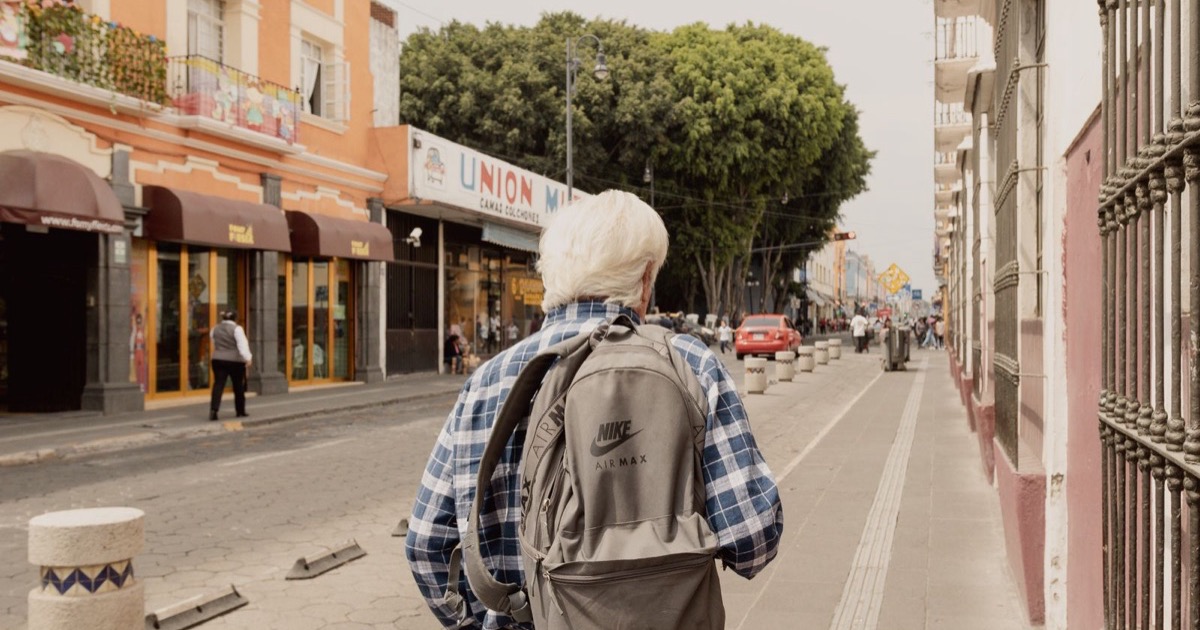

Traveling through the vibrant landscapes of Mexico becomes a rewarding adventure when the country’s growing focus on accessibility meets the needs of senior explorers.
Traveling through the vibrant landscapes of Mexico becomes a rewarding adventure when the country’s growing focus on accessibility meets the needs of senior explorers. In recent years, policies and infrastructure upgrades have turned many historic corridors into welcoming pathways for older visitors with reduced mobility. This guide highlights how accessible Mexico for seniors opens doors to centuries‑old treasures without compromising comfort or safety.
What wheelchair‑friendly historic sites can seniors visit in Mexico?
Teotihuacan, the famed “City of the Gods,” now offers paved walkways, ramps, and wheelchair‑compatible viewing platforms at the Pyramid of the Sun and the Pyramid of the Moon. Trained staff provide assistance with portable ramps, allowing seniors to experience the site’s grandeur without long climbs. The on‑site museum is fully accessible, featuring tactile exhibits and audio guides.
Chichén Itza, a UNESCO World Heritage location, has introduced smooth, level paths around the main ceremonial plaza. The iconic El Castillo (Temple of Kukulcán) remains off‑limits to wheelchairs due to steep steps, but the surrounding ball court, the Great Platform, and the Sacred Cenote area are reachable via wheelchair‑friendly routes. Guided tours often include a mobility‑assistance coordinator who can arrange temporary ramps for brief access.
The historic centre of Puebla showcases colonial architecture with cobblestone streets that have been upgraded with removable ramps. Key attractions such as the Puebla Cathedral, the Amparo Museum, and the bustling Mercado el Carmen provide wheelchair‑accessible entrances and rest areas. Elevators have been installed in several heritage buildings, ensuring seniors can explore upper‑level galleries without difficulty.
Which Mexican cities offer the best accessible transportation for older travelers?
Mexico City’s public transit network now includes a growing number of wheelchair‑compatible metro stations equipped with elevators, tactile flooring, and audible announcements. The city’s Metrobús system features low‑floor buses with ramps and designated spaces for mobility devices. For door‑to‑door travel, licensed wheelchair‑friendly taxi services operate through apps that allow users to request vehicles equipped with ramps.
Guadalajara’s light‑rail line (Tren Ligero) has been retrofitted with level boarding platforms and priority seating for seniors. The city’s bus fleet includes several low‑floor models that accept wheelchair ramps, and a municipal program offers free rides for passengers with a valid accessibility card. Private car‑rental agencies in the region provide wheelchair‑accessible vans on an hourly basis.
Mérida, known for its calm streets and cultural richness, offers a compact bus system with wheelchair‑accessible vehicles and a network of bike‑share stations that feature adaptive bikes for limited mobility. The airport shuttle service includes wheelchair‑compatible vans, and many hotels arrange complimentary pick‑up using accessible transport.
| City | Metro/Light‑Rail Accessibility | Bus Fleet Features | Taxi Options | Rental Wheelchair Vans |
|---|---|---|---|---|
| Mexico City | Elevators at 30+ stations, level boarding | Low‑floor Metrobús, ramps on 70% of units | App‑based wheelchair‑friendly taxis | Available through major agencies |
| Guadalajara | Tren Ligero with level platforms | Low‑floor city buses, ramp access | Licensed accessible taxis | Hourly rentals offered locally |
| Mérida | No metro, but accessible bus rapid transit | All city buses equipped with ramps | Hotel‑arranged wheelchair‑compatible taxis | Limited but present via regional firms |
How do I find senior‑friendly accommodations with accessibility features in Mexico?
International hotel chains operating in Mexico often follow global accessibility standards, providing rooms with roll‑in showers, grab bars, lowered countertops, and visual fire alarms. When booking, look for the “accessible room” label and verify that the property lists wheelchair‑friendly pathways from the entrance to the lobby.
Independent boutique hotels in historic districts have begun to retrofit older buildings with ramps, widened doorways, and elevator access to upper floors. Many of these establishments work with local mobility‑assistance services to offer temporary equipment such as portable ramps or shower chairs upon request.
Vacation‑rental platforms now include filters for “wheelchair accessible” properties. Listings that meet the criteria typically describe step‑free entrances, level flooring throughout the unit, and accessible bathroom fixtures. Reading recent guest reviews can provide insight into how well the host maintains these features and whether staff are prepared to assist senior travelers.
What medical services should seniors consider when traveling to Mexico?
Access to reliable health care is a cornerstone of any senior‑focused itinerary. In Mexico, major urban centers host internationally accredited hospitals that cater to expatriates and visitors with English‑speaking staff, modern imaging suites, and dedicated geriatric units. Before departure, seniors should confirm that their travel insurance covers private hospitals and that any chronic medication can be refilled locally. Carrying a concise medical summary—diagnoses, current prescriptions, and allergy information—greatly speeds up triage in an emergency.
For those who prefer to stay near historic sites, many boutique hotels partner with nearby clinics that offer same‑day appointments and wheelchair‑friendly examination rooms. Telemedicine platforms, now integrated into several Mexican health networks, allow travelers to consult physicians remotely, reducing the need for in‑person visits when symptoms are mild. Seniors with limited mobility should verify that ambulance services in the region are equipped with stretcher lifts and that the local emergency number (911) can dispatch wheelchair‑accessible transport.
| City | Hospital Type | English‑Speaking Staff | Average Emergency Response | Telemedicine Availability |
|---|---|---|---|---|
| Mexico City | Private, JCI‑accredited | High | 8‑12 minutes | Widely offered |
| Guadalajara | Private & public hybrid | Moderate | 10‑15 minutes | Limited to major hospitals |
| Mérida | Private, tourism‑focused | High | 12‑18 minutes | Available through hotel partnerships |
| Cancún | Private, beachfront clinics | Moderate | 9‑14 minutes | Integrated with resort services |
Are there guided tours in Mexico specifically designed for travelers over 60?
Travel operators have responded to the growing senior market by curating itineraries that blend cultural depth with comfort. These Mexico accessible tours typically limit daily travel time, prioritize wheelchair‑friendly attractions, and include frequent rest stops at cafés or shaded plazas. Guides receive training on age‑related health considerations, ensuring that pacing matches the group’s energy levels.
Many programs also incorporate optional activities such as low‑impact yoga sessions near archaeological sites or guided audio walks that allow participants to sit while still absorbing historical narratives. Because seniors often travel in small groups, personalized attention is a hallmark of these offerings, making them a reliable choice for those seeking a stress‑free exploration of Mexico’s heritage.
- Gentle Mexico City Heritage Loop – a three‑day journey covering the Zócalo, Chapultepec Park, and the Frida Kahlo Museum, all with ramp access and wheelchair‑compatible shuttles.
- Yucatán Peninsula Classics – a seven‑day circuit that visits Chichén Itzá, Uxmal, and colonial Mérida, featuring daily morning briefings and midday rest periods.
- Pacific Coast Cultural Cruise – a river‑based tour that stops at Puerto Vallarta, Mazatlán, and the historic town of San Sebastián, with onboard wheelchair lifts and senior‑friendly dining schedules.
- Highland Pueblo Experience – a five‑day trek through the Sierra Madre, focusing on indigenous markets and the city of Oaxaca, with low‑gradient walking paths and assisted transport.
- Silver‑Age Culinary Journey – a culinary‑focused itinerary that explores regional markets, cooking classes, and tasting rooms in Puebla and Veracruz, designed for participants who prefer seated experiences.
- Accessible Archaeology Expedition – a specialized program that visits Teotihuacan, Palenque, and Monte Albán, providing electric‑powered wheelchair rentals and guided audio devices.
- Retirement‑Ready Coastal Retreat – a relaxed four‑day stay in the Riviera Maya, combining beach access with guided tours of Tulum ruins, all on sand‑treated pathways suitable for mobility aids.
How does altitude affect seniors visiting high‑elevation destinations in Mexico?
Many of Mexico’s most celebrated historic sites sit above 2,000 meters (6,560 feet). At these elevations, atmospheric oxygen levels drop, which can trigger mild altitude sickness in travelers unaccustomed to thinner air. Seniors, especially those with cardiovascular or respiratory conditions, may experience symptoms such as shortness of breath, dizziness, or fatigue more quickly than younger visitors.
Acclimatization strategies are essential for a safe experience. Arriving at a high‑altitude location after a night at a lower‑lying city gives the body time to adjust. Staying hydrated, limiting alcohol, and pacing activities—particularly on the first day—help mitigate discomfort. If symptoms persist, descending to a lower altitude and seeking medical advice is recommended. Many senior‑friendly tour operators schedule a “rest day” after arrival in places like Mexico City’s historic center or the plateau surrounding Teotihuacan, allowing participants to settle before intensive sightseeing.
Travel insurance policies that cover altitude‑related complications provide an additional safety net. Seniors should also discuss any planned high‑elevation travel with their primary physician, who may suggest prophylactic medication or specific health monitoring during the trip. By respecting the physiological impact of altitude, seniors can fully appreciate Mexico’s elevated cultural treasures without compromising wellbeing.
What travel insurance options are recommended for seniors exploring Mexico?
Senior travelers should prioritize policies that combine comprehensive medical coverage with evacuation benefits. Plans that include pre‑existing condition clauses are especially valuable, as they reduce the need for additional paperwork should a chronic issue flare up while abroad. Look for insurers that partner with local Mexican hospitals, ensuring faster claim processing and direct billing where possible.
Many global insurers now offer “senior‑friendly” tiers that limit age caps at 80 or even 85, and they often provide 24‑hour multilingual helplines. When comparing quotes, verify that the maximum daily hospital allowance exceeds the typical cost of a private room in major cities such as Mexico City or Guadalajara, and confirm that the policy covers both ground and air ambulance transfers to the nearest accredited facility.
Travel agencies that specialize in senior tourism frequently bundle insurance with guided tours, which can simplify paperwork and guarantee that a qualified coordinator is aware of each participant’s health profile. Even if you travel independently, enrolling in a reputable senior travel association can grant access to group‑rate policies that include trip interruption coverage for unforeseen cancellations.
Which museums and cultural centers in Mexico provide wheelchair access and senior services?
Mexico’s major cultural institutions have invested heavily in accessibility upgrades over the past decade. Ramps, tactile flooring, and wide‑aisle galleries are now standard in many flagship museums, and staff members receive training to assist visitors with limited mobility. Many venues also offer complimentary wheelchairs and provide senior‑specific audio guides that feature slower narration and larger text.
When planning a visit, it is advisable to contact the museum ahead of time to reserve any needed equipment and to learn about quiet hours, which can be beneficial for travelers who prefer a less crowded environment. Several sites also host “accessibility days” where additional services such as sign‑language interpretation and mobility‑friendly workshops are available.
- National Museum of Anthropology (Mexico City) – wheelchair‑friendly routes, elevators to all exhibition halls, and senior‑discounted tickets.
- Frida Kahlo Museum (Coyoacán) – ramp access at the main entrance, portable wheelchair rentals, and guided tours tailored for older adults.
- Palacio de Bellas Artes (Mexico City) – accessible seating in the main auditorium, wheelchair‑compatible restrooms, and senior‑friendly performance schedules.
- Museo de la Ciudad (Mexico City) – barrier‑free entry, audio‑visual guides with adjustable speed, and complimentary mobility scooters during peak seasons.
- Casa de los Azulejos (Mexico City) – ramps at all public entrances, wheelchair‑accessible dining areas, and senior discount on cultural workshops.
- Museo del Templo Mayor (Mexico City) – elevators to the archaeological site, wheelchair‑adapted pathways, and senior‑focused educational programs.
How can seniors navigate Mexico’s public transit systems with reduced mobility?
Most metropolitan areas now feature low‑floor buses equipped with ramps or kneeling mechanisms, allowing wheelchair users to board without assistance. In Mexico City, the Metrobus and RTP networks operate a fleet of accessible vehicles, and stations are gradually being retrofitted with elevators and tactile signage. Purchasing a rechargeable transit card simplifies fare payment and reduces the need to handle cash.
For intercity travel, many long‑distance bus companies provide dedicated wheelchair spaces, secure tie‑down straps, and onboard attendants trained to assist senior passengers. It is common practice to call the terminal a day in advance to confirm the availability of these services and to request a boarding aid if required.
Taxi platforms such as Uber and local services now list “accessible” options in the app, displaying vehicles that can accommodate a wheelchair or have ample room for a mobility aid. When using conventional taxis, it is advisable to request a larger vehicle and to verify that the driver is comfortable with the equipment before starting the ride.
What safety tips are essential for seniors traveling alone in Mexico?
Plan each day with realistic walking distances and schedule regular rests. Many historic districts feature cobblestone streets and uneven steps; using a lightweight mobility aid or a sturdy walking stick can reduce strain. Carry a small, waterproof bag with copies of important documents, a list of emergency contacts, and a charged mobile phone. Local pharmacies often keep a basic first‑aid kit, so knowing the nearest location can be reassuring.
Stay aware of your surroundings, especially in crowded markets or public transport hubs. Keep valuables out of sight, and consider a money belt or hidden pouch for cash and cards. When using taxis, request licensed “radio‑dispatched” services or reputable ride‑share apps that provide driver identification and route tracking. Learning a few courteous phrases in Spanish, such as “por favor” and “gracias,” can smooth interactions and signal respect.
Health considerations deserve extra attention. Mexico’s climate varies widely; bring breathable clothing for coastal heat and layered garments for higher‑altitude cities like Mexico City. If you take prescription medication, carry enough for the entire trip plus a few extra days, and keep it in its original labeled container. A doctor’s note describing the medication can help if customs officers ask for clarification.
Where can seniors find accessible restrooms and facilities at popular Mexican attractions?
Major museums and archaeological sites have upgraded their visitor centers to include wheelchair‑friendly restrooms, handrails, and spacious changing areas. For example, the National Museum of Anthropology provides elevators to all exhibition floors and clearly marked accessible toilets near the main entrance. At the historic center of Oaxaca, the municipal plaza offers public restrooms that have been retrofitted with lowered sinks and grab bars.
National parks such as the Sierra Gorda and the volcanic region around Popocatépetl have visitor centers with designated accessible facilities. These sites often place portable ramps near popular viewpoints, allowing seniors to enjoy panoramic scenery without navigating steep paths. When planning a day trip, check the official tourism website or contact the site’s information desk ahead of time to confirm the latest accessibility updates.
Private tour operators that specialize in senior travel frequently arrange stops at venues with proven accessibility standards. They can also coordinate assistance services, such as a personal aide or a wheelchair loan, ensuring that restroom breaks and mobility needs are handled smoothly throughout the itinerary.
Sources & Further Reading
Frequently Asked Questions
Is Mexico considered a senior‑friendly travel destination?
Yes, Mexico has positioned itself as a senior‑friendly destination through dedicated tourism campaigns and infrastructure improvements. Many popular cities and resort areas now feature accessible public transport, medical facilities with English‑speaking staff, and cultural programs tailored to older travelers. The government’s “Senior Tourism” initiative encourages local businesses to adopt universal design principles, making it easier for seniors to explore historic sites and natural attractions.
Do major Mexican airlines offer assistance for passengers with limited mobility?
All national carriers, including Aeroméxico and Volaris, provide a range of services for travelers with reduced mobility. Passengers can request wheelchair assistance at the airport, priority boarding, and help with luggage handling. It is advisable to notify the airline at least 48 hours before departure and to confirm any special equipment needs, such as a portable ramp for a personal mobility scooter.
Can I rent a wheelchair or mobility scooter in Mexico’s major tourist areas?
Wheelchair and scooter rentals are widely available in cities like Mexico City, Cancún, and Puerto Vallarta. Rental desks are often located near major hotels, airports, and tourist information centers. Prices are generally reasonable, and many providers offer short‑term daily rates as well as longer‑term options for extended stays. Always verify that the equipment is in good condition and that batteries are fully charged before use.
What are the best times of year for seniors to travel to Mexico with comfortable weather?
The most temperate periods fall between November and April, when temperatures are mild across most regions. Coastal areas enjoy warm but not oppressive heat, while inland cities avoid the extreme summer highs that can reach 100 °F (38 °C). This window also coincides with the dry season, reducing the likelihood of rain‑related travel disruptions.
Are there any age restrictions for accessing Mexico’s historic ruins?
Generally, there are no formal age limits for entering archaeological sites such as Teotihuacan, Chichén Itzá, or Palenque. However, some areas may have steep stairs or uneven terrain that could pose challenges for seniors with mobility concerns. Many sites now provide alternative routes, shuttle services, or guided tours that limit walking distance, allowing older visitors to experience the highlights safely.
How do I locate accessible restaurants and dining options in Mexican cities?
Most upscale hotels and larger restaurant chains have incorporated accessible entrances, lowered countertops, and spacious seating arrangements. In addition, local tourism boards often publish lists of eateries that meet accessibility criteria. Mobile apps that filter results by wheelchair access can also be useful, especially in metropolitan areas where independent cafés are abundant.
What emergency numbers should seniors keep handy while traveling in Mexico?
The national emergency line is 911, which connects callers to police, fire, and medical services. For non‑urgent medical assistance, the Ministry of Health operates a toll‑free number that provides guidance on nearby clinics and hospitals. It is prudent to write these numbers down and store them in a phone contact list, as mobile coverage can vary in remote locations.
Do Mexican tour operators provide private guides for seniors with special needs?
Many operators that focus on senior travel offer private guide services tailored to individual requirements. These guides can arrange slower pacing, extra rest stops, and assistance with luggage or mobility equipment. Booking a private guide in advance ensures that the itinerary aligns with health considerations and personal interests.
Is travel insurance mandatory for seniors visiting Mexico?
Travel insurance is not legally required, but it is strongly recommended for seniors. Policies that cover medical evacuation, pre‑existing conditions, and trip interruption provide a safety net in case of unexpected health issues or travel changes. Reviewing the fine print for coverage limits and network hospitals can prevent surprises later.
How can I ensure my medication is safely stored during a trip to Mexico?
Keep medication in its original, clearly labeled containers and store it in a temperature‑controlled part of your luggage, such as a padded bag or a small cooler if needed. Carry a copy of the prescription and a note from your physician describing the dosage schedule. If you travel internationally by air, place the medication in your carry‑on to avoid temperature extremes in the cargo hold.
By planning ahead, using available accessibility resources, and staying informed about local services, seniors can enjoy Mexico’s historic treasures with confidence and comfort. A thoughtful itinerary that balances exploration with rest will make the journey both rewarding and manageable.
Reviewed by our editor for the Americas & practical travel
James CarterAmericas & Practical Travel Editor
Travel writer covering the Americas plus the practical side of travel — budgets, eSIMs, visas and logistics.
More articles by James Carter →