
Welcome to the ultimate Cannes old town guide 2026, where the cobblestone lanes of Le Suquet reveal centuries of Mediterranean heritage. This step‑by‑step walk will help you capture the historic district’s key attractions, practical navigation tips, and authentic dining spots wit
Welcome to the ultimate Cannes old town guide 2026, where the cobblestone lanes of Le Suquet reveal centuries of Mediterranean heritage. This step‑by‑step walk will help you capture the historic district’s key attractions, practical navigation tips, and authentic dining spots without missing a beat. Whether you have a full day or just a few hours, the plan below keeps you moving efficiently while soaking in the French Riviera’s unique atmosphere.
What are the must‑see sights in Le Suquet, Cannes?
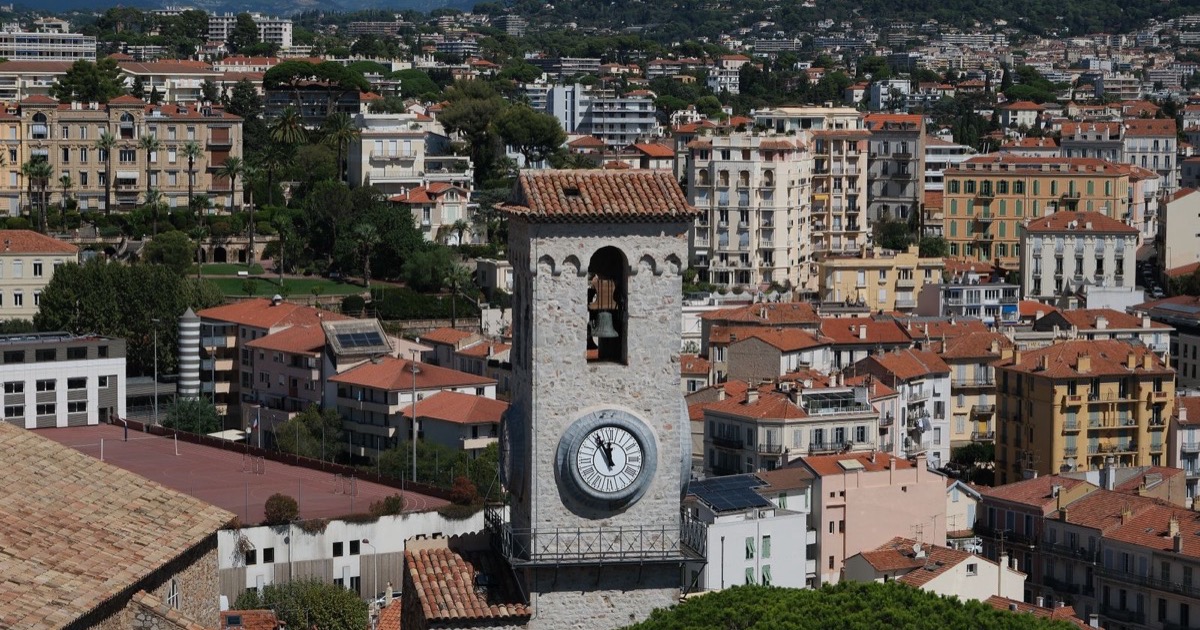
The medieval clock tower, perched at the highest point of Le Suquet, offers a panoramic view that frames the Bay of Cannes and the Croisette. Climbing the narrow staircase to the top rewards you with a clear line of sight to the film festival venues, making it an ideal photo stop.
Just below the tower, the Church of Our Lady of Espérance stands as a quiet landmark with a simple stone façade and a bell that still rings on Sundays. Inside, you’ll find a modest altar and a series of 19th‑century stained‑glass windows that illustrate local maritime themes.
The Musée de la Castre, housed in a former fortress, presents a collection of artifacts ranging from ancient Greek pottery to traditional Provençal costumes. The museum’s rooftop terrace doubles as a viewpoint, allowing you to compare the historic skyline with the modern promenade below.
How can I navigate the old town of Cannes on foot?
Le Suquet’s compact layout makes it ideal for walking, but a clear route helps you avoid backtracking. Start at the clock tower, descend the main stairway to Rue du Petit Port, and follow the signs toward the market square. From there, the museum and church are within a five‑minute stroll.
For travelers who prefer digital assistance, a self‑guided audio tour app can be downloaded before arrival. The app provides turn‑by‑turn directions, short historical commentary, and optional language tracks, all of which work offline after the initial download.
| Option | Cost | Language support | Offline availability | Ideal for |
|---|---|---|---|---|
| Self‑guided audio app | Free‑to‑pay (optional upgrade) | English, French, Spanish, German | Yes, after download | Tech‑savvy walkers |
| Printable old town map | Free (tourist office) | None (visual only) | Always | Those who like paper guides |
| Guided group walk (30 min) | Paid, per person | English, French | No, live guide | Visitors who enjoy commentary |
Choosing the right tool depends on your comfort with technology and how much background information you want while you walk. Regardless of the method, keeping a water bottle and a light jacket handy ensures a comfortable experience.
Which cafés and restaurants offer authentic local cuisine in Cannes’ historic district?
At the foot of the hill, a small café with outdoor seating serves freshly brewed espresso and croissants made from local butter. The terrace overlooks the market stalls, letting you watch daily life while you enjoy a classic French breakfast.
For a midday meal, look for a bistro that highlights Provençal seafood. Dishes such as grilled sardines, bouillabaisse, and aioli‑topped potatoes showcase the catch from the nearby fishing village that once defined the area.
Evening diners can head to a family‑run restaurant that specializes in ratatouille and lamb stew, both prepared with herbs harvested from the surrounding hills. The menu often includes a selection of regional wines, offering a complete taste of the French Riviera’s culinary heritage.
What is the best time of year to explore Cannes’ old town in 2026?
Spring (April – June) offers mild temperatures, blooming terraces, and fewer crowds than the summer peak. Daytime highs hover around 18‑22 °C, making the climb up to Le Suquet comfortable for extended walks. Local markets are fully stocked, and many boutique cafés extend outdoor seating, allowing visitors to enjoy the historic streets without the heat of July.
Early autumn (September – October) provides a similar climate with the added benefit of a quieter atmosphere after the Cannes Film Festival rush. Sea breezes keep temperatures in the 19‑23 °C range, and the golden light of late afternoon accentuates the stone façades. Hotel rates begin to dip, and restaurants often feature seasonal menus that highlight regional produce.
| Season | Average Temp (°C) | Typical Crowd Level | Special Highlights |
|---|---|---|---|
| Spring (Apr‑Jun) | 18‑22 | Moderate | Blooming gardens, expanded terrace service |
| Summer (Jul‑Aug) | 24‑28 | High | Festival atmosphere, extended daylight |
| Autumn (Sep‑Oct) | 19‑23 | Low‑Moderate | Post‑festival calm, seasonal menus |
| Winter (Nov‑Mar) | 10‑15 | Low | Cozy indoor dining, fewer lines at attractions |
How do I use a self‑guided audio tour in Le Suquet?
Most providers host a downloadable audio file that syncs with a GPS‑based map. After securing a Wi‑Fi connection at your hotel or a public hotspot, visit the official tourism portal and select the “Le Suquet Audio Walk” option. The file is compatible with iOS, Android, and most MP3 players. Once the track is saved, launch the companion map app, which will highlight each point of interest as you approach it.
During the walk, the audio narration automatically pauses at designated markers, allowing you to linger at a viewpoint or explore a courtyard before the next segment begins. Volume controls on your device let you adjust the sound to match ambient noise, and a simple “skip” button lets you move ahead if you prefer to skip a particular stop.
- Download the audio file and map before departure to avoid data charges.
- Enable location services on your device for accurate waypoint detection.
- Start the tour at the base of the clock tower, the traditional entry point.
- Listen to each segment, then follow the on‑screen arrows to the next landmark.
- Use the “bookmark” feature to mark favorite spots for later reference.
- When the tour ends, the app suggests nearby cafés where you can relax.
Where can I find parking near Cannes’ old town?
The most convenient public garage is the Parking du Suquet, located just a short walk from the historic ramparts. It offers multi‑level spaces with real‑time occupancy displays on the entrance screen. Rates are calculated per hour, with a daily maximum that remains competitive compared to street‑side meters. Elevators connect the garage directly to the upper streets, reducing the need to carry luggage up steep inclines.
If you prefer a surface lot, the Parking du Port is situated near the old harbor and provides easy access to both the waterfront promenade and the entrance to Le Suquet. Validation tickets are available at nearby cafés, granting a modest discount for diners who park while they eat. For those staying in boutique hotels within the old town, many establishments include a limited number of private spaces in their rates, so it is advisable to confirm availability when booking.
What cultural events are happening in Cannes’ old town in 2026?
During the summer months the narrow lanes of Le Suquet host a weekly open‑air jazz series, where local musicians perform on a modest stage set against the stone façades. The concerts begin at sunset, allowing visitors to enjoy the cooling sea breeze while sipping a glass of rosé at one of the nearby cafés. In parallel, the municipal council has revived the classic “Cinéma en Plein Air” tradition, projecting classic French films on a historic wall every Thursday. The program includes titles that celebrate Riviera life, and subtitles are provided in both French and English to accommodate international audiences.
Autumn brings a shift toward visual arts and culinary exploration. The “Fête des Arts” runs from early September to mid‑October, turning the cobblestone squares into temporary galleries for emerging painters, sculptors, and photographers from the region. Simultaneously, a series of pop‑up cooking workshops led by chefs from the Cannes Film Festival’s hospitality partners offers hands‑on lessons in Provençal cuisine. All events are listed on the city’s official tourism portal and are free to attend, though some workshops require prior registration due to limited space.
Are there family‑friendly activities in Le Suquet?
Le Suquet provides several options that keep younger visitors engaged without straying far from the historic core. The municipal museum has introduced a “Time‑Travel Treasure Hunt” where children follow clues posted on informational panels, learning about the town’s medieval origins while discovering hidden courtyards. Nearby, a small playground built from reclaimed stone offers a safe space for toddlers, and its location near the viewpoint ensures parents can enjoy panoramic sea views while supervising. During the summer, the local library hosts storytelling sessions in both French and English, featuring tales that reference the town’s maritime heritage.
For families seeking a more active experience, guided bike tours now include child‑seat rentals and routes that avoid steep climbs. The tours pause at several interactive stations where participants can try traditional fishing‑net weaving or sample locally produced honey. Evening performances by a street‑puppet troupe add a whimsical touch to the historic streets, with shows scheduled on weekends and tailored to audiences of all ages.
- Le Suquet Mini‑Train: A short, electric tram ride that circles the hill, offering narrated highlights for children.
- Family cooking workshop: One‑hour sessions where parents and kids prepare a simple Provençal dish under a chef’s guidance.
- Historic costume photo booth: Dress in replica 18th‑century attire and capture a souvenir picture against a stone backdrop.
- Open‑air puppet theater: Weekly performances on a small stage near the main square, suitable for all ages.
- Kids’ art workshop at the municipal gallery: Guided drawing classes that focus on the town’s architecture.
- Bicycle rental with child seats: Easy‑to‑use bikes available from a local shop, with maps highlighting flat routes.
What lesser‑known spots can I discover off the main tourist path in Cannes’ old town?
Beyond the well‑trodden promenade, a modest 12th‑century chapel tucked behind a row of pastel houses offers a quiet retreat. Its interior features a single wooden altar and a series of frescoes that have escaped extensive restoration, providing an authentic glimpse into medieval devotional art. A short climb from the chapel leads to a secluded garden maintained by a local horticultural society; the space is filled with lavender, rosemary, and a collection of heirloom citrus trees that bloom in late spring.
Artisans still work in small workshops that are easy to miss without a deliberate search. One such studio specializes in hand‑blown glass, where visitors can watch the delicate process through a glass partition and even purchase a finished piece directly from the maker. Another hidden venue is an old wine cellar beneath a centuries‑old inn; the cellar hosts occasional tastings of rare regional vintages and offers a brief history of winemaking on the Riviera. Finally, a modest rooftop terrace atop a boutique hotel provides a panoramic view of the old port, free of the crowds that gather on the main viewpoint, making it an ideal spot for a quiet sunset.
How safe is the old town of Cannes for solo travelers?
The historic district of Le Suquet enjoys a steady police presence and a network of well‑lit streets, making it one of the calmer neighborhoods on the French Riviera. Daytime crowds are mostly tourists and locals, and the narrow lanes are easy to navigate with a map or a smartphone guide.
Solo visitors should keep valuables close, especially in the market area where pickpocketing can occur during peak hours. After dark, the main promenade and the square surrounding the clock tower remain populated, but it is advisable to avoid side alleys that receive little foot traffic.
What public transportation options connect to Le Suquet?
Several city bus lines stop within a short walk of the Le Suquet entrance; routes that pass the “Le Suquet” stop include the 10, 21 and 30 lines, offering frequent service from the train station, the Croisette and surrounding suburbs. A free shuttle runs from the Cannes railway station to the old town during the summer months, providing a convenient option for budget‑aware travelers.
For those who prefer two‑wheels, the municipal bike‑share system places docking stations at the base of the hill, allowing a quick ascent to the historic quarter. Taxis and rides‑hailing services are readily available at the main square and can drop you off at the clock‑tower plaza.
Frequently Asked Questions
Is Cannes’ old town walk suitable for children?
The cobbled streets are generally safe for families, and many of the attractions such as the clock tower and the small museum have interactive elements that engage younger visitors. Strollers can be maneuvered on most routes, although a few steeper sections may require extra care. Pack snacks and water, as there are several cafés where you can pause for a break.
Can I use public transport to reach Le Suquet?
Yes, the city bus network links the old town with the main train station, the beachfront promenade and neighboring districts. The “Le Suquet” stop is served by multiple lines, and a free seasonal shuttle adds another convenient option for travelers arriving by rail. Ticket machines are located at most bus stops, and contactless payment is accepted on board.
What are the opening hours of the Musée de la Castre?
The museum typically opens at 10 am and closes at 6 pm, with the last entry allowed half an hour before closing. It remains closed on Mondays and on major French holidays such as Bastille Day. Seasonal exhibitions may adjust these times slightly, so checking the official website before your visit is advisable.
Are there any free attractions in Cannes’ historic district?
Walking the winding lanes of Le Suquet itself is a free activity, offering panoramic views of the harbor from the top of the hill. The public square surrounding the clock tower often hosts street performers and local markets at no charge. the promenade along the waterfront provides a pleasant setting for a leisurely stroll.
Do I need to book a guided tour in advance for Cannes’ old town?
Guided tours are available on the spot, especially during the high season, but popular themed walks can fill up quickly. If you prefer a specific language or a specialized focus such as architecture, reserving a spot online a few weeks ahead guarantees a place. For a casual overview, the free audio guide downloadable to your phone works well without prior booking.
What is the average cost of a meal in Le Suquet?
Mid‑range restaurants in the old town charge roughly €15‑€25 for a main course, with appetizers and desserts adding another €5‑€10 each. A three‑course lunch at a typical bistro will usually total around €30 per person, while a quick sandwich or crepe from a street vendor costs less than €8. Prices can rise during the festival period, so budgeting a little extra is sensible.
Where can I buy souvenirs in Cannes old town?
The small boutiques lining Rue du Suquet specialize in locally made products such as lavender soaps, artisanal chocolates and handcrafted jewelry. A weekly market near the clock tower offers a rotating selection of regional crafts, perfect for unique gifts. Be prepared to negotiate modestly on price, especially if you purchase several items at once.
Reviewed by our editor for Europe
Marco BianchiEurope Editor
Europe travel writer focused on city culture, museums and historic routes across the continent.
More articles by Marco Bianchi →