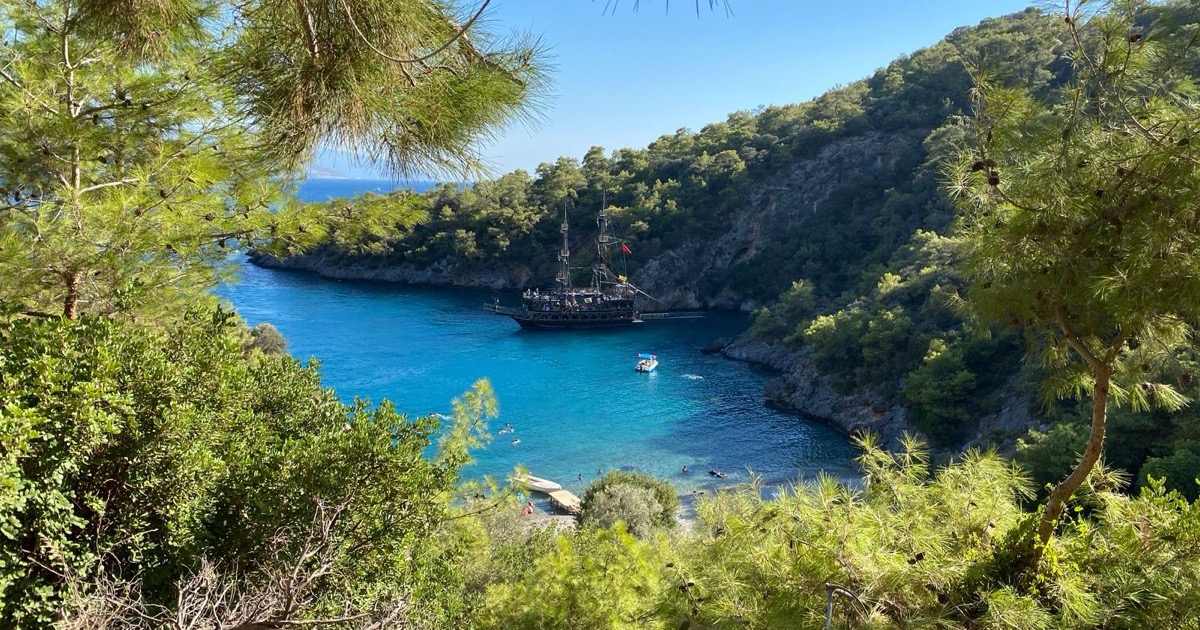

Fethiye’s coastline hides a string of secluded inlets that most tourists never see.
Fethiye’s coastline hides a string of secluded inlets that most tourists never see. In 2026, the push toward off‑the‑beaten‑path adventures has made these hidden coves near Fethiye more accessible to the curious traveler. From turquoise waters that sparkle under the sun to quiet bays that echo with the call of distant gulls, each spot offers a different shade of the Turquoise Coast. This guide walks you through the practical steps needed to reach, explore, and stay safe while discovering these secret bays.
How do I get to Fethiye’s secret bays without a car?
The most common gateway to the Fethiye secret bays is the marina at the town’s waterfront. From there, local operators run short boat tours that stop at Aquarium Bay, Tarzan Bay, and Cold Water Bay. These tours run multiple times a day during the high season and require only a simple reservation at the ticket office. Because the vessels are small, they can navigate the narrow entrances that larger ferries cannot.
If you prefer more flexibility, consider a day‑long boat charter from the same marina. Many charter companies list their fleets online and allow you to pick a skipper who knows the hidden routes. A typical charter includes fuel, safety equipment, and a brief briefing on local currents, making it an ideal choice for independent explorers who want to set their own pace.
Public transport also plays a role. The dolmuş (shared minibus) runs from the town centre to the Göcek and Oludeniz docks, where you can catch a local ferry that circles the bay. This option is budget‑friendly and gives you a chance to mingle with locals who often share tips about lesser‑known coves.
Which hidden coves near Fethiye are best for snorkeling in 2026?
Snorkeling enthusiasts will find three coves that consistently rank highest for water clarity and marine biodiversity. Aquarium Bay, named for its natural rock formations that resemble a giant aquarium, offers crystal‑clear water and abundant soft coral. Cold Water Bay, despite its name, provides a steady temperature that attracts pelagic fish, making it a favorite for spotting larger schools. Butterfly Valley, accessed by a short boat ride, combines sheltered waters with a thriving population of colorful fish and occasional sea turtles.
When planning your snorkeling day, consider the time of day and sea conditions. Early morning tends to bring calmer seas, while a gentle breeze in the late afternoon can stir up surface debris. Most boat tours schedule their snorkeling stops around 10 am and 3 pm to capture the best light for underwater visibility.
| Cove | Water Clarity | Typical Marine Life | Access Method | Best Season |
|---|---|---|---|---|
| Aquarium Bay | Excellent (visibility 20‑30 m) | Soft coral, nudibranchs, small reef fish | Boat tour or charter | Spring‑Fall |
| Cold Water Bay | Very good (visibility 15‑25 m) | Pelagic fish, occasional ray | Boat charter or kayak | Summer‑Early Autumn |
| Butterfly Valley | Good (visibility 12‑20 m) | Colorful reef fish, sea turtles | Boat tour, kayak, or private dinghy | Late Spring‑Late Summer |
What are the safety tips for kayaking to secluded coves in Fethiye?
Before you launch, always check the daily weather forecast from the local meteorological station. Sudden gusts are common on the open sections of the Turquoise Coast, and a change in wind direction can push a kayak toward rocky outcrops. Carry a waterproof VHF radio or a mobile phone in a sealed bag for emergency communication.
Equip your kayak with a personal flotation device, a whistle, and a small bilge pump. A paddle leash is advisable, especially when navigating narrow passages where a lost paddle can be difficult to retrieve. Familiarize yourself with the local marine traffic patterns; boat tours and larger vessels often follow predictable routes, so keeping a safe distance reduces the risk of collision.
Finally, respect the environment. Many of the secluded coves are nesting sites for marine life, and anchoring is prohibited in several areas. Use a sea anchor or simply drift to avoid damaging the seabed, and always pack out any waste you bring aboard.
How can I rent a boat for a day trip to Fethiye’s hidden beaches?
Most visitors start their search for a vessel at the marina near the town centre, where a range of operators display their fleets. Walk along the quay, compare the size of the boats, and ask about crewed versus self‑drive options. In 2026 many companies have upgraded to GPS‑linked safety kits, making solo navigation far more reliable. If you prefer a guide, look for licences that include a short briefing on local currents and the best anchorage spots for snorkeling.
When you have a shortlist, request a written estimate that details fuel, insurance, and any extra equipment such as snorkel gear or inflatable kayaks. Most rentals require a refundable deposit and a valid driver’s licence; some accept an international driving permit. Booking a day in advance secures the most popular vessels, especially during the high‑season months of July and August.
| Operator | Boat Type | Capacity | Price (per day) | Key Extras |
|---|---|---|---|---|
| Blue Horizon Yachts | Motor catamaran (10 m) | 12 pax | €220 | Captain, snorkeling set, waterproof cooler |
| Sunset Sailboats | Electric sailboat (8 m) | 8 pax | €180 | Self‑drive, solar charger, life‑jackets |
| Turquoise Rentals | Classic wooden gulet (12 m) | 16 pax | €260 | Chef on board, kayaks, beach umbrella |
| Coastal Breeze | RIB (Rigid Inflatable Boat, 6 m) | 6 pax | €150 | Self‑drive, dive flag, marine radio |
What is the best time of year to visit the hidden coves near Fethiye?
The climate along the Turquoise Coast is Mediterranean, with hot, dry summers and mild, rainy winters. For most travelers the sweet spot falls between late May and early October, when sea temperatures hover around 22‑26 °C, providing comfortable conditions for swimming, kayaking, and snorkeling. During this window the prevailing winds from the north‑east (the “lodos”) are moderate, allowing smooth sailing without the strong gusts that can appear later in the autumn.
Should you prefer fewer crowds, aim for the shoulder months of May or September. The water remains warm enough for extended underwater exploration, while the beaches and coves are less congested. Early morning departures in these periods often reveal calm waters and clearer visibility, ideal for spotting the colorful marine life that frequents the rocky outcrops.
- Late May – warm sea, low tourist density.
- June – stable weather, ideal for long day trips.
- July – peak sunshine, higher demand for boats.
- August – hottest month, occasional afternoon breezes.
- Early September – still warm, beginning of quieter season.
- Mid‑September – excellent visibility for snorkeling.
- Early October – milder temperatures, occasional rain.
Which hidden coves are accessible only by private boat in Fethiye Bay?
Among the secluded inlets, three stand out for requiring a personal vessel to reach their secluded shores. The first is Aquarium Bay, a narrow inlet framed by towering cliffs that block road access. Its crystal‑clear water makes it a favorite spot for snorkelers seeking gentle currents and abundant fish.
Another exclusive location is Cold Water Bay, named for the refreshing upwelling that keeps the water temperature lower than surrounding areas. The bay’s steep limestone walls create a natural shelter, and the lack of a public landing area means only those arriving by boat can set foot on its pebble beach.
Finally, Butterfly Valley, though occasionally visited by organized tours, retains a private‑boat‑only feel during off‑peak days. The valley’s lush vegetation and hidden waterfall are best explored at low tide, when a short swim from the boat lands you on a quiet sand strip. Planning a visit with a flexible schedule allows you to enjoy these spots without the usual crowds.
How do I plan a step‑by‑step itinerary for a hidden cove adventure in Fethiye?
Begin your day early at the Fethiye marina, where most charter operators open their counters around 08:00 AM. Reserve a small motor‑boat or a sailing catamaran for the morning; a vessel with a shallow draft will let you glide into the tighter inlets without scraping the bottom.
Chart a clockwise route that hits the most frequently mentioned secret bays: start with Aquarium Bay for a quick snorkel, then head north to Cold Water Bay where the sea stays refreshingly cool even in July. After a light lunch on deck, steer eastward toward Tarzan Bay, a spot famous for its rocky cliffs and natural swing‑like vines. Conclude the circuit at Butterfly Valley, anchoring long enough to walk down the narrow path to the beach and explore the seasonal butterfly colonies before the tide rises.
Allow roughly 45 minutes to an hour at each stop, adding extra time for unexpected finds such as a secluded pebble beach or a hidden sea cave. Keep a close eye on the weather forecast; the Turquoise Coast can shift quickly, and a sudden wind change may affect your timing.
What equipment should I bring for a day exploring Fethiye’s secret bays?
Even though many travelers rely on the boat’s built‑in amenities, packing a few personal items can dramatically improve comfort and safety. Waterproof bags protect electronics and valuables, while a compact dry‑suit or rash guard helps regulate body temperature in the cooler waters of Cold Water Bay.
Snorkeling gear is almost mandatory; the underwater life in Aquarium Bay and the reefs near Tarzan Bay are especially vibrant. Bring a reusable water bottle, sunscreen with high SPF, and a lightweight first‑aid kit that includes plasters, antiseptic wipes, and seasickness tablets.
- Water‑proof dry bag (minimum 20 L)
- Snorkel set with mask, snorkel, and fins
- Quick‑dry towel and change of clothes
- High‑SPF reef‑safe sunscreen
- Reusable water bottle or hydration pack
- Lightweight first‑aid kit with seasickness medication
- Portable solar charger for phones or GPS devices
Are there guided tours that include Fethiye’s least known coves?
Local operators now offer boutique “secret cove” tours that combine a small‑group boat charter with a knowledgeable skipper familiar with the lesser‑traveled inlets. These tours typically limit participants to six people, allowing the vessel to navigate tighter passages and providing a more personalized experience.
Most itineraries include stops at Aquarium Bay, Tarzan Bay, and the quieter Kille Bay, which is rarely mentioned in mainstream brochures. Guides often supply basic snorkeling equipment and share insights about marine life, local geology, and the seasonal patterns of butterfly migrations in Butterfly Valley.
Booking in advance through the marina’s official information desk or reputable online platforms guarantees a spot, especially during the peak summer months when demand spikes. Prices reflect the exclusive nature of the route and the added safety oversight provided by the licensed captain.
How do I find local food and facilities near the secluded coves of Fethiye?
Most of the hidden bays are reachable only by water, which means the nearest cafés, restrooms, and snack stalls sit in the small harbors of Olba, Göcek or the main marina in Fethiye. After a morning of paddling, dock at one of these points and follow the signs toward the “Böcek” or “Çalış” sections; vendors there typically sell fresh fruit, ayran, and grilled fish on the spot. Portable toilets are installed seasonally at the larger launch sites, while the smaller coves rely on the “toilet boat” service that shuttles visitors back to the main dock for a quick bathroom break.
If you prefer a sit‑down meal, head to the waterfront promenade in Fethiye after your boat return. The promenade hosts a rotating lineup of pop‑up stalls that serve regional specialties such as çöp şiş, sea‑salted calamari, and locally pressed olive oil. For a more relaxed setting, the harbor’s historic stone tavernas open their terraces in the late afternoon, offering a view of the sunset over the turquoise water while you refuel for the next day’s adventure.
When planning a day trip, pack a small cooler with water, nuts, and a reusable cutlery set. Many of the coves lack waste collection points, so carrying a sealable bag for your trash helps keep the environment pristine and avoids fines that local rangers occasionally enforce during peak season.
What are the water conditions like at Butterfly Valley and Cold Water Bay?
Butterfly Valley, tucked between steep limestone cliffs, is fed by a modest river that creates a gentle current near the mouth of the cove. In summer, surface temperatures hover around 24‑26 °C, making it comfortable for extended snorkeling sessions. The wind pattern is typically light from the north‑east, which keeps the water calm in the early morning but can pick up by mid‑afternoon, creating small chop that is still manageable for most small craft.
Cold Water Bay earned its name from the deep, clear inlet that draws cooler currents from the open sea. Even on the hottest days, water temperature rarely exceeds 22 °C, and a slight breeze from the south‑west can make the surface feel brisk. Swimmers often report a refreshing sensation, especially after a hike through the surrounding pine forest. The bay’s underwater topography includes a series of shallow ledges that transition quickly to deeper zones, so it is advisable to stay within marked swim areas if you are not an experienced diver.
Both coves experience a mild tide range, with high tide adding roughly one meter of depth. During the summer solstice, the tidal shift is predictable and can be used to schedule a late‑afternoon dip when the water is at its most tranquil. Always check the local tide chart posted at the marina before setting out, as sudden changes can affect the clearance for low‑draft kayaks.
Sources & Further Reading
Frequently Asked Questions
What are the top three hidden coves near Fethiye to visit in 2026?
The most frequently recommended spots are Aquarium Bay, known for its vibrant marine life; Kurşunlu Bay, which offers a quiet pebble beach and easy anchorage; and Kille Bay, a narrow inlet framed by towering cliffs that creates a natural windbreak for small vessels.
Can I access Fethiye’s secret bays without a boat?
All of the secluded coves are reachable only by water; there are no roadways or footpaths that lead directly to them. The closest alternative is a short hike from the main trailhead at the Lycian Way, but this still requires a final short swim or kayak segment to reach the water’s edge.
How much does it cost to rent a kayak for a day in Fethiye?
Daily kayak rentals typically range between 150 and 250 Turkish Lira, depending on the model and whether a guided route is included. Many operators offer a discounted half‑day rate for early‑morning departures, which can be a budget‑friendly option for solo travelers.
Are there any restrictions or permits needed to visit the hidden coves?
Most coves are open to the public, but certain protected areas, such as the marine reserve near Butterfly Valley, require a simple entry permit that can be obtained at the local tourism office. The permit is free, but you must display it on board while navigating the reserve.
What is the typical weather and sea condition during summer in Fethiye’s secluded bays?
Summer brings dry, sunny days with average highs of 30‑33 °C. Sea breezes from the Mediterranean keep wind speeds generally between 5 and 12 km/h, creating smooth water for paddling. Occasional afternoon thunderstorms can bring brief gusts, so it is wise to finish water activities before 4 p.m.
Which hidden coves are family‑friendly and have shallow waters?
Kurşunlu Bay and the lower section of Aquarium Bay both feature gradual slopes and depths of less than one meter for the first ten meters from shore, making them suitable for children. Both locations also have flat sand or fine pebbles that provide a safe footing.
How far are the hidden coves from the main town of Fethiye?
By boat, the distance ranges from 5 km to 12 km. Aquarium Bay lies about 6 km west of the harbor, while Kille Bay is roughly 11 km to the east. Travel time averages 20‑40 minutes depending on vessel speed and sea conditions.
Is it safe to swim in the hidden coves during high tide?
High tide generally adds depth without creating hazardous currents, so swimming remains safe in most coves. However, Cold Water Bay can develop a stronger undertow near the deeper sections during peak tide, so staying close to the shoreline is advisable.
What local foods should I try after a day exploring the coves?
Freshly grilled sea bass drizzled with lemon, a side of roasted vegetables seasoned with oregano, and a glass of chilled ayran are popular choices among visitors. For a sweet finish, many locals recommend a slice of pistachio‑laden baklava served at the waterfront cafés.
How do I find reliable boat rental services in Fethiye?
The most dependable operators are those with a visible license displayed at the marina and positive reviews on travel platforms. Look for businesses that provide safety equipment, clear rental contracts, and a brief orientation on local navigation rules before departure.
After you’ve checked the tide, refueled with a good meal, and secured your gear, set off early to make the most of calm waters and avoid the afternoon crowd. A little planning ensures each hidden cove feels like a private retreat, even during the busiest season.Plan your trip
Book Istanbul attraction tickets
Skip-the-line tickets and guided tours for Istanbul's top sights, with mobile tickets and flexible cancellation.
See tickets on TiqetsWe may earn a commission from bookings made through this link, at no extra cost to you.
Reviewed by our editor for Türkiye & the Eastern Mediterranean
Elif DemirTürkiye & Eastern Mediterranean Editor
Travel writer covering Türkiye and the Eastern Mediterranean, from Istanbul's old city to the Aegean coast.
More articles by Elif Demir →