
For hikers craving a Mediterranean coast trek that blends ancient history with dramatic sea cliffs, the Lycian Way hiking near Antalya offers a unique blend of…
For hikers craving a Mediterranean coast trek that blends ancient history with dramatic sea cliffs, the Lycian Way hiking near Antalya offers a unique blend of challenge and scenery. Stretching from the historic city of Antalya to the turquoise bays of Fethiye, this long‑distance route follows pathways once used by the Lycian's themselves. In 2026, updated permit rules and improved trail maps make planning a multi‑day trek more straightforward than ever. Whether you join an Antalya hiking tour or go solo, the trail promises a rewarding adventure along Turkey’s southern shoreline.
What is the best time of year to hike the Lycian Way near Antalya?
The optimal window for the Lycian Way near Antalya runs from late April through early October. During this period, daytime temperatures typically hover between 18 °C and 28 °C, providing comfortable conditions for long‑distance walking while keeping the trail surface dry enough for safe footing. Early spring offers wildflower displays and fewer crowds, whereas late summer brings warm sea breezes that temper the heat on exposed ridges.
Rainfall is most common in November and December, turning sections of the coastal path into slippery mud and increasing the risk of flash floods in canyon areas. If you prefer cooler evenings and want to avoid the peak tourist season, late September to early October delivers mild weather, shorter daylight hours, and still‑open facilities along the route. Always check the local forecast before setting out, especially for the more remote segments where shelter is limited.
How can I obtain a hiking permit for the protected sections of the Lycian Way in 2026?
In 2026 the Turkish Hiking Visa e‑Portal serves as the primary gateway for securing Lycian Way permits 2026. The portal allows hikers to apply for multi‑entry permission covering protected coastal reserves, particularly the stretch between Kemer and the Antalya‑Kemer border. Registration requires a scanned copy of your passport, proof of travel insurance, and a modest processing fee payable by credit card. After submission, most applicants receive an electronic permit within 48 hours, which can be printed or stored on a mobile device for inspection at trail checkpoints.
For travelers who prefer in‑person assistance, local municipality offices in Kemer and Antalya also issue permits. This option is useful if you need to adjust dates after arrival or require clarification on trail restrictions. Guided tour operators frequently bundle permit processing with transportation to trailheads, accommodation, and a professional guide, simplifying multi‑day trek planning for those new to the region.
| Option | Process Steps | Typical Cost | Processing Time | Notes |
|---|---|---|---|---|
| Online e‑Portal | 1. Create account 2. Upload documents 3. Pay fee 4. Receive e‑permit | ≈ 15 EUR | 24‑48 hours | Best for self‑guided hikers; instant confirmation |
| Municipality Office | 1. Visit office 2. Submit paperwork 3. Pay fee 4. Collect paper permit | ≈ 12 EUR | Same day | Allows on‑spot date changes; cash often required |
| Guided Tour Operator | 1. Book tour package 2. Provide passport info 3. Operator files permit 4. Receive bundled documents | Included in tour price | Varies (usually within 48 hours) | Convenient for first‑time visitors; includes gear advice |
Which trail sections near Antalya offer the most scenic coastal views?
The segment from Antalya city centre to Kemer, often referred to as Lycian Way sections Kemer, showcases some of the clearest sea vistas along the Mediterranean. After descending from the ancient ruins of Termessos, the path skirts the turquoise waters of Olympos Beach, then climbs to the lighthouse at Cape Gelidonya, where the horizon stretches uninterrupted for miles. This stretch is rated moderate in difficulty, with occasional steep ascents balanced by gentle shoreline walks.
Further east, the trail between Kemer and Cirali passes through pine‑covered ridges before opening onto the secluded bays of Çıralı and the ancient ruins of Olympos. Here, hikers can spot sea turtles nesting on the beach at night and enjoy fresh local cuisine at modest seaside cafés. The combination of archaeological sites, fragrant pine forests, and open sea panoramas makes this portion a highlight for anyone mapping their Lycian Way trail map and seeking memorable photo opportunities.
What are the accommodation options along the Lycian Way between Kemer and Antalya?
The stretch from Kemer to Antalya offers a spectrum of lodging that caters to both backpackers and hikers seeking a touch of comfort after a day on the trail. Guesthouses and family‑run pensions dominate the villages of Tekirova, Çıralı, and Olympos, providing simple rooms, shared kitchens, and often a hearty Turkish breakfast. For those who prefer a more social atmosphere, hostels in the coastal towns of Kemer and Antalya city feature dormitory beds, Wi‑Fi, and organized Antalya hiking tours that can shuttle you back to the trailhead each morning. If privacy and amenities are a priority, boutique hotels perched on the cliffs near Phaselis deliver private bathrooms, air‑conditioning, and sea‑view terraces while still being within a short walk of the path.
Camping remains a viable choice along the coastal reserve, especially in the designated campgrounds of Çıralı and Olympos. These sites allow you to pitch a tent under the stars, use communal shower blocks, and enjoy the freedom of waking up directly on the trail. Keep in mind that the protected sections of the Lycian Way require a Lycian Way permits 2026 for overnight stays in certain zones, and permits can be obtained through the Turkish Hiking Visa e‑Portal before arrival.
| Accommodation Type | Typical Cost per Night | Amenities | Proximity to Trail |
|---|---|---|---|
| Village Guesthouse | €20‑30 | Private room, shared bathroom, breakfast | 5‑15 min walk |
| Hostel (Dormitory) | €12‑18 | Wi‑Fi, lockers, communal kitchen | 10‑20 min walk |
| Boutique Hotel | €70‑120 | En‑suite bathroom, air‑conditioning, sea view | 15‑25 min walk |
| Designated Campsite | €5‑10 | Shower block, fire pit, water point | 0‑5 min walk |
How do I transport my gear to the Lycian Way trailheads from Antalya city?
Moving luggage from Antalya’s central district to the trailheads along the Kemer‑Antalya corridor can be handled in several practical ways. Public minibusses (dolmuş) run frequently between Antalya’s main bus station and coastal towns such as Kemer, Tekirova, and Olympos, offering a low‑cost option for backpacks and small duffel bags. For larger gear, shared taxi services operate out of the Antalya Marina and can accommodate multiple suitcases for a fixed price per vehicle.
Many local operators specialize in “hiker shuttles” that pick up gear at your hotel, transport it to the chosen trailhead, and return it at the end of the trek. Booking a shuttle in advance through a reputable Antalya hiking tours agency ensures that you comply with the Lycian Way permits 2026 requirements, as some protected zones only allow gear drop‑off at authorized points. If you prefer complete independence, renting a small van or a cargo bike from Antalya’s rental agencies gives you full control over timing and route selection.
- Dolmuş minibusses from Antalya Bus Terminal to Kemer, Tekirova, and Olympos (suitable for backpacks up to 20 kg).
- Shared taxis departing from Antalya Marina (capacity for larger suitcases, cost shared among passengers).
- Hiker‑focused shuttle services booked via local tour operators (door‑to‑door, includes permit assistance).
- Rental vans or compact cars from Antalya’s airport or city centre (flexible schedule, ideal for heavy equipment).
- Cargo‑bike rentals available near the old town (eco‑friendly, limited to moderate loads).
- Private taxi arranged through hotel concierge (direct, higher price, convenient for solo travelers).
- Seasonal ferry connections from Antalya to Kemer (limited schedule, useful for combined sea‑and‑land transport).
What level of fitness is required for the Lycian Way sections near Antalya?
The segments between Kemer and Antalya are characterized by a mix of gentle coastal walks and occasional steep ascents that climb ancient ruins or reach panoramic viewpoints. Average daily distances range from 12 to 18 kilometers, with elevation gains of 400‑800 meters on the more challenging days. Hikers who can comfortably cover 10 kilometers on flat terrain without excessive fatigue will find the route manageable, provided they allow for rest days and carry adequate hydration.
Because the trail traverses both sea level and hillside terrain, a baseline of cardiovascular endurance combined with leg strength is advisable. Training that includes hill repeats, long walks with a loaded pack, and occasional stair climbing will reduce the risk of strain on the rocky sections. The best time to hike Lycian Way—late spring (April‑June) and early autumn (September‑October)—offers moderate temperatures, which lessens the physical load and makes the altitude changes feel less demanding.
For hikers accustomed to other Turkey long distance hiking routes, the Kemer‑Antalya stretch is considered moderate. Beginners should plan for an extra rest day after the ascent to Olympos, while experienced trekkers may maintain a steady pace throughout. Always check the latest Lycian Way trail map for updated elevation profiles and be prepared for occasional rocky footing that can be slippery after rain.
Which cultural and historic sites can I visit while hiking the Lycian Way?
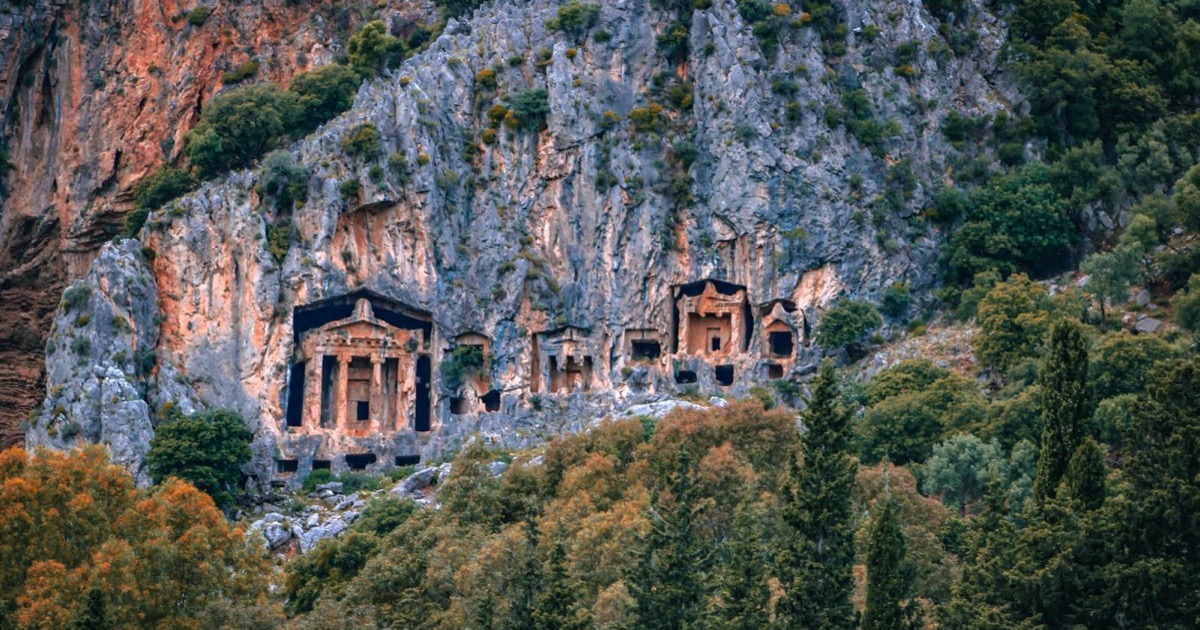
The Lycian Way follows the ancient Lycia route, a corridor that once linked bustling ports and mountain citadels. Near Antalya, trekkers encounter the well‑preserved ruins of Olympos, where marble columns rise from a pine‑clad valley and the sea laps against a once‑thriving harbor. A short detour brings you to the rock‑cut tombs of the Lycian aristocracy, their facades carved into cliff faces that overlook the Mediterranean coast trek.
Further along, the ancient city of Phaselis offers three natural harbors framed by Roman baths, a Byzantine church, and a bustling agora that once hosted merchants from across the Mediterranean. The ruins of the Aspendos theater, famed for its acoustics, sit a short bus ride inland and can be visited as part of a multi‑day trek planning itinerary. Each stop provides a tangible link to the region’s layered past, from Hellenistic temples to Ottoman watchtowers.
Local villages pepper the trail, allowing hikers to sample regional specialties such as grilled sea bass, gözleme stuffed with wild herbs, and çay brewed in traditional copper pots. These culinary pauses not only refuel the body but also deepen the connection to the cultures that have shaped the landscape for millennia.
What safety precautions should I take when trekking the Lycian Way in 2026?
Spring and autumn are the most reliable seasons for the Mediterranean coast trek, but sudden thunderstorms can develop over the Taurus foothills. Carry a lightweight, waterproof jacket and check the Turkish Meteorological Service’s mobile alerts each morning before setting out. The trail’s difficulty rating varies from easy coastal sections to steep ascents marked as moderate to hard; match your hiking gear Turkey‑specific recommendations—sturdy ankle‑supporting boots, a breathable backpack, and a headlamp with spare batteries.
Because parts of the route pass through protected reserves, the 2026 Turkish Hiking Visa e‑Portal requires a multi‑entry permit for certain sections. Keep a printed copy of the permit and a digital backup on your phone. Register your itinerary with a local contact in Antalya, and share your daily checkpoints with them.
- Carry at least 2 liters of water per person per day; refill at marked spring points.
- Use a map or GPS app that displays the official trail markings; stray markers may have been moved by recent landslides.
- Apply broad‑spectrum sunscreen every two hours and wear a wide‑brim hat to guard against strong UV exposure.
- Pack a compact first‑aid kit with blister treatment, antiseptic wipes, and any personal medication.
- Inform yourself about local wildlife; avoid feeding stray cats and be cautious of venomous snakes in rocky outcrops.
- Check the condition of footbridges before crossing; some may be closed for seasonal maintenance.
- Maintain a steady pace and schedule regular rest breaks to prevent fatigue, especially on steep climbs.
How much does a guided hiking tour of the Lycian Way near Antalya cost?
Guided tours typically bundle accommodation, meals, a professional guide, and transport to trailheads. In 2026, a seven‑day package that starts from the Kemer region averages between 1,200 € and 1,600 €, depending on the level of comfort—basic guesthouses versus boutique eco‑lodges. Private groups can expect a per‑person rate at the lower end of the range, while small shared groups often fall near the midpoint.
Most operators include a daily breakfast of local cheese, olives, and fresh bread, plus a traditional dinner featuring regional seafood or lamb stew. Transportation between Antalya’s airport and the trailhead is usually provided as a shuttle service, and some companies arrange optional side trips to nearby historic sites for an additional fee.
When comparing offers, verify whether the price covers entrance fees to protected areas, the required hiking permit, and any specialized equipment rentals such as trekking poles. A transparent itinerary and clear cancellation policy are indicators of a reputable provider, helping you allocate your budget confidently.
What are the recommended hiking gear and clothing for the Lycian Way climate?
The Mediterranean stretch around Antalya experiences hot, dry days in summer and occasional rain in spring and autumn. A breathable, moisture‑wicking base layer keeps you comfortable when temperatures climb above 30 °C, while a lightweight, waterproof jacket protects against sudden showers. Mid‑weight trekking pants with zip‑off legs offer flexibility for changing conditions, and a wide‑brim hat shields the head and neck from sun exposure.
Essential gear includes a sturdy, ankle‑supporting hiking boot with good grip for rocky sections, a 30‑40 L capacity backpack equipped with a rain cover, and a compact sleeping bag rated for 5 °C to handle cooler evenings on the trail. A reusable water‑filter bottle, a headlamp with spare batteries, and a basic first‑aid kit round out the list. Pack a small supply of high‑energy snacks, a portable charger, and a map or GPS device pre‑loaded with the Lycian Way tracks.
How can I plan a multi‑day itinerary for the Lycian Way starting from Antalya?
Begin by securing transport from Antalya Airport to the trailhead at Olympos, a popular gateway reachable by a 45‑minute shuttle or shared taxi. From there, design a route that matches your fitness level; a common approach is to cover 20‑25 km per day, allowing time for rest, exploration of ancient ruins, and coastal views. Typical stage sequences include Olympos → Cirali, Cirali → Adrasan, and Adrasan → Kemer, each offering a mix of beachside paths and forested climbs.
Reserve accommodation in advance during peak months, as guesthouses and small campsites fill quickly. For flexibility, consider a hybrid plan: stay in a village guesthouse every other night and camp in designated areas on the intervening days. Use the 2026 Turkish Hiking Visa e‑Portal to obtain any required multi‑entry permits for protected sections, especially the coastal reserves between Kemer and the next trail segment. Keep a daily log of distances, water sources, and resupply points to adjust the pace as needed.
Sources & Further Reading
Frequently Asked Questions
Do I need a visa or special permit to hike the Lycian Way in Turkey?
Most international travelers require a standard Turkish entry visa, which can be obtained online. For sections that cross protected coastal reserves, a multi‑entry hiking permit is issued through the Turkish Hiking Visa e‑Portal. The application process is straightforward and should be completed at least a week before departure.
How long does it take to complete the Lycian Way section near Antalya?
The segment from Olympos to Kemer spans roughly 120 km. At a moderate pace of 20 km per day, hikers finish in six days, allowing for occasional rest days or side trips to nearby archaeological sites.
Is the Lycian Way suitable for solo hikers?
Solo travel is common on the trail, especially during the shoulder seasons when foot traffic is lighter. Carry a reliable communication device, share your itinerary with a trusted contact, and stay aware of weather forecasts. Most villages along the route are accustomed to solo trekkers and can provide assistance if needed.
What is the difficulty rating of the coastal sections near Kemer?
The coastal stretch near Kemer features a mix of well‑maintained paths and rocky ascents. Overall difficulty is moderate, with some steep sections that may require careful footing. Good ankle support and trekking poles are advisable.
Can I camp along the Lycian Way or are there designated campsites?
Both options exist. Designated campsites are located near villages such as Adrasan and Çıralı, offering basic amenities. In addition, wild‑camping is permitted in most forested areas, provided you follow Leave‑No‑Trace principles and avoid private property.
What is the best way to get from Antalya airport to the Lycian Way trailheads?
Shuttle services run regularly from the airport to the coastal towns of Olympos and Kemer. Private transfers can be arranged through local agencies, and public buses also connect Antalya with major trailheads, though they may require a short taxi ride for the final leg.
Are there any guided tour companies that operate the Lycian Way near Antalya?
Several local operators offer multi‑day guided packages that include transport, accommodation, and a guide familiar with the trail’s history and terrain. These tours can be customized for different fitness levels and often provide equipment rentals.
What wildlife might I encounter on the Lycian Way?
Hikers may see Mediterranean tortoises, various lizard species, and small mammals such as hares. Birdwatchers can spot raptors soaring above the cliffs and occasional migratory warblers during spring. Larger mammals are rare, but occasional sightings of foxes have been reported.
How much water should I carry each day on the Lycian Way?
Carry at least 2 liters per person for a typical day, adjusting upward during hot weather. Water sources are available in most villages and at designated refill points, but filters are recommended for natural streams.
Is travel insurance required for hiking the Lycian Way?
While not mandatory, travel insurance that covers medical evacuation and adventure activities is strongly advised. Many insurers include specific clauses for hiking in remote areas, which can be valuable in case of injury or sudden illness.
By aligning your gear, permits, and daily distances before you set out, the Lycian Way near Antalya becomes a manageable and rewarding adventure. Keep an eye on local conditions and enjoy the blend of history and nature along the coast.
Plan your trip
Book Istanbul attraction tickets
Skip-the-line tickets and guided tours for Istanbul's top sights, with mobile tickets and flexible cancellation.
See tickets on TiqetsWe may earn a commission from bookings made through this link, at no extra cost to you.
Reviewed by our editor for Türkiye & the Eastern Mediterranean
Elif DemirTürkiye & Eastern Mediterranean Editor
Travel writer covering Türkiye and the Eastern Mediterranean, from Istanbul's old city to the Aegean coast.
More articles by Elif Demir →