
Planning a winter getaway to the Aegean coast? The Kusadasi holiday food guide reveals why this seaside town becomes a culinary showcase during the festive season,…
Planning a winter getaway to the Aegean coast? The Kusadasi holiday food guide reveals why this seaside town becomes a culinary showcase during the festive season, with time‑honored dishes, bustling market stalls, and warm gatherings that highlight Turkish holiday cuisine.
What traditional dishes are served during the holidays in Kusadasi?
During the Christmas and New Year period, families and tavernas alike turn to hearty plates that reflect the region’s Aegean roots. A centerpiece is often a slow‑cooked lamb or beef stew enriched with olive oil, fresh herbs, and seasonal vegetables, embodying the olive‑oil dishes that define Kusadasi’s palate. Accompanying the stew, a selection of meze plates—such as stuffed grape leaves, marinated eggplant, and feta‑drizzled tomatoes—offers a communal tasting experience.
Another festive staple is Turkish pide, freshly baked in wood‑fired ovens and topped with a variety of ingredients ranging from minced meat and peppers to spinach and white cheese. In the lead‑up to New Year’s Eve, many eateries serve special versions of lahmacun, crisped to perfection and finished with a squeeze of lemon, reflecting the city’s love for spicy, thin‑crust delights.
No holiday spread is complete without a sweet finish. Baklava, layered with pistachios or walnuts and soaked in aromatic syrup, is paired with strong Turkish tea, a ritual that underscores the region’s tea culture. For those seeking a lighter treat, lokma—tiny honey‑glazed dough balls—appear in street markets, adding a festive sparkle to the night.
Which local restaurants offer authentic festive meals in Kusadasi?
Visitors looking for genuine holiday flavors will find several establishments that blend traditional recipes with a welcoming atmosphere. One popular spot near the waterfront serves a festive lamb casserole seasoned with rosemary and thyme, presented alongside a generous meze board and freshly baked pide. The restaurant’s décor incorporates subtle holiday accents while preserving the breezy seaside vibe.
Another well‑known venue, tucked away in the old bazaar, focuses on wood‑fired specialties. Their holiday menu highlights a spiced beef kebab, served with roasted vegetables and a side of creamy hummus. Guests often linger over Turkish tea, enjoying the intimate setting that feels like a family gathering.
For a more contemporary twist, a modern café on the promenade offers a holiday brunch featuring a fusion of Aegean olive oil dishes and classic Turkish sweets. Their signature dish pairs poached salmon with a pistachio‑infused tahini sauce, followed by a selection of baklava and fresh fruit.
| Restaurant | Signature Festive Dish | Atmosphere | Price Range |
|---|---|---|---|
| Waterfront Grill | Lamb casserole with meze board | Coastal, relaxed with subtle holiday décor | Mid‑range |
| Bazaar Hearth | Spiced beef kebab with roasted veg | Intimate, traditional bazaar setting | Budget‑friendly |
| Promenade Café | Salmon with pistachio tahini, baklava platter | Modern, airy with sea views | Mid‑to‑high |
How do Kusadasi families celebrate Christmas with food?
Family celebrations often begin with a communal preparation of dishes that have been passed down through generations. The kitchen becomes a hub of activity as relatives gather to roll out dough for pide, layer baklava trays, and simmer stews in large copper pots. This collective cooking mirrors the Turkish tradition of sharing labor and joy.
On Christmas Eve, a typical table features a centerpiece of roasted poultry or lamb, surrounded by bowls of bulgur pilaf, seasoned with pine nuts and raisins—a nod to the sweet‑savory balance cherished in Turkish holiday cuisine. Accompanying the main course, a spread of fresh salads dressed with olive oil and lemon reflects the region’s reliance on local produce.
After the meal, families gather around a low table to sip Turkish tea and exchange small gifts, often homemade sweets like lokma or halva. The ritual of sharing tea reinforces hospitality, while the lingering aromas of spices and honey create a warm, festive ambience that defines the Kusadasi Christmas spirit.
What are the signature holiday desserts in Kusadasi?
The festive season in Kusadasi brings a selection of sweets that blend Aegean citrus with Ottoman spice traditions. One of the most celebrated treats is şekerpare, a soft semolina cookie soaked in fragrant syrup flavored with lemon zest and a hint of clove. It appears on almost every Christmas table and is also served during New Year gatherings as a symbol of sweetness for the coming year.
Another staple is kadaif, shredded wheat pastry layered with pistachio or walnut filling, then drenched in a light honey‑lemon syrup. The delicate strands are often shaped into nests, reflecting the holiday’s hopeful atmosphere. For those who prefer a creamier finish, kaymaklı baklava—layers of phyllo, butter, and pistachios topped with a generous dollop of clotted cream—adds richness to the Kusayan New Year feast.
| Dessert | Main Ingredients | Typical Holiday Occasion |
|---|---|---|
| Şekerpare | Semolina, butter, almond flour, lemon‑scented syrup | Kusadasi Christmas meals, New Year celebrations |
| Kadaif | Shredded wheat, pistachios or walnuts, honey‑lemon syrup | Christmas desserts, festive family gatherings |
| Kaymaklı Baklava | Phyllo, pistachios, butter, clotted cream (kaymak) | New Year feasts, special holiday brunches |
| Revani | Semolina cake, orange zest, rose‑water syrup | Christmas brunches, holiday tea service |
| Lokma | Yeast dough, honey, cinnamon | Street‑side holiday markets, late‑night celebrations |
Where can I find the best holiday‑time street food in Kusadasi?
During the holiday weeks the promenade and market alleys fill with vendors offering quick, flavorful bites that complement the more formal festive meals. The scent of grilling meat mingles with fresh citrus, creating a lively backdrop for visitors seeking a taste of Turkish holiday cuisine in a casual setting.
Many stalls specialize in seasonal variations of classic street fare, adding festive spices or presenting the dishes on decorative platters that echo the holiday décor of nearby restaurants. These options are especially popular among travelers who want to sample local flavors without committing to a full‑course dinner.
- Wood‑fired pide topped with spiced lamb, sumac, and a drizzle of pomegranate molasses – a holiday twist on the everyday flatbread.
- Grilled meatball skewers (köfte) brushed with a rosemary‑infused olive oil, often served alongside a small salad of winter greens.
- Crispy lahmacun sprinkled with toasted pine nuts and a squeeze of fresh orange – a nod to the region’s citrus harvest.
- Warm fried dough balls (lokma) coated in cinnamon sugar, perfect for a sweet bite after a festive dinner.
- Seasonal fruit kebabs featuring caramelized figs and apricots, glazed with a thin layer of honey.
- Miniature seafood tacos using locally caught anchovies, topped with a zesty herb sauce – a nod to Kusadasi’s coastal identity.
- Hot tea served in copper cups, often flavored with cardamom or clove, offering a comforting pause amid the bustling market.
What seasonal ingredients define Kusadasi’s festive cuisine?
The winter months bring a bounty of ingredients that shape the flavor profile of Kusadasi’s holiday dishes. Freshly harvested citrus—especially oranges and lemons—appear in both savory sauces and sweet syrups, providing a bright contrast to the richer, slower‑cooked meats that dominate festive tables.
Olive oil from the surrounding Aegean groves remains a cornerstone, used to glaze roasted vegetables, drizzle over salads, and enrich desserts such as honey‑soaked pastries. The region’s pistachios, harvested in the early autumn, continue to feature prominently in sweets and as garnish for main courses, adding a subtle crunch and earthy depth.
Winter greens like kale and Swiss chard are often braised with garlic and a splash of local wine, creating hearty side dishes that balance the indulgent elements of the feast. Finally, the abundance of fresh seafood—especially sea bass and shrimp—allows coastal restaurants to offer lighter holiday alternatives, often prepared with a citrus‑herb butter that highlights the season’s signature flavors.
How does the New Year’s feast differ from other holidays in Kus Aydın?
On December 31st the city’s restaurants and seaside tavernas swap their regular menus for a more elaborate spread that emphasizes abundance and symbolism. While a typical Ramadan iftar or a summer festival dinner might focus on a handful of seasonal seafood and light meze, the New Year’s table introduces richer proteins such as slow‑braised lamb shank, spiced beef meatballs, and wood‑fired pide topped with a blend of cheeses and herbs. The dishes are often presented in larger platters meant for sharing, reinforcing the communal spirit that marks the transition into the coming year.
Another distinction lies in the beverage selection. Turkish tea remains a constant presence, but many establishments also offer a curated list of local wines, especially those made from Aegean grapes, and a modest selection of rakı served with chilled meze. The inclusion of sparkling drinks—both non‑alcoholic pomegranate fizz and traditional champagne—adds a festive sparkle that is rarely seen at other holiday meals.
Finally, the timing of the feast extends later into the night. After the main courses, it is customary for families and friends to linger over sweet pastries such as baklava drizzled with pistachio‑infused syrup, while the sound of fireworks over the harbor provides a lively backdrop. This extended celebration differentiates the New Year’s feast from the more concise dining experiences of other Turkish holidays.
What role does meze play in Kus Aydın’s holiday celebrations?
Meze functions as the culinary foundation for most holiday gatherings, offering a versatile array of small plates that cater to diverse palates. During festive periods the selection expands to include both classic items and seasonal twists, allowing hosts to showcase local produce and the region’s famed olive oil. The communal nature of meze encourages guests to sample a variety of flavors while maintaining a relaxed, conversational atmosphere.
In addition to its social function, meze serves a practical purpose by balancing richer main courses. The inclusion of tangy salads, grilled vegetables, and light seafood preparations helps to offset the heavier lamb or beef dishes that dominate holiday menus. This balance reflects the Aegean culinary philosophy of harmony between taste, texture, and nutrition.
- Ezme – a spicy tomato and pepper mash, often brightened with lemon juice.
- Haydari – thick strained yogurt blended with garlic, dill, and a drizzle of extra‑virgin olive oil.
- Grilled calamari – brushed with herb‑infused oil and served with a squeeze of citrus.
- Fava beans – pureed with onions, olive oil, and a hint of cumin.
- Sigara böreği – crisp phyllo rolls filled with feta and parsley.
- Marinated olives – assorted local varieties tossed with orange zest and thyme.
- Patlıcan salatası – smoky eggplant purée seasoned with pomegranate molasses.
Which Aegean specialties are highlighted during Kus Aydın’s festivals?
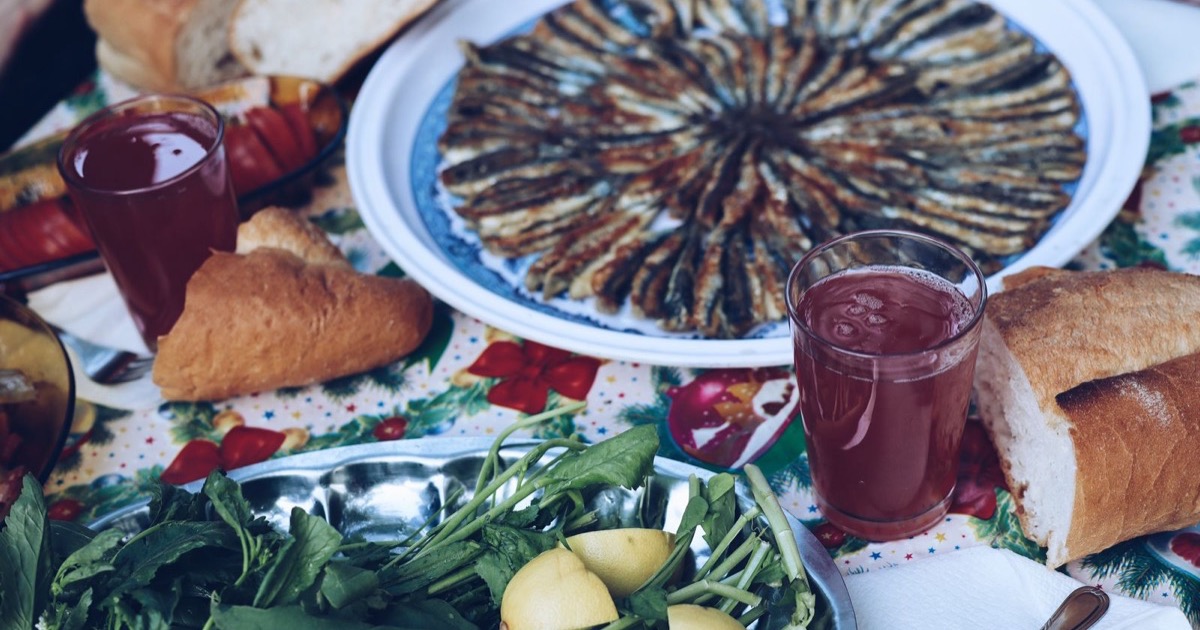
During the spring and summer festivals the culinary spotlight turns to dishes that celebrate the bounty of the Aegean Sea and the region’s fertile valleys. Freshly caught fish such as sea bream and sardines are often grilled whole, seasoned simply with sea salt, lemon, and a splash of the area’s premium olive oil. The emphasis on minimal seasoning lets the natural flavors of the seafood shine.
Another festival favorite is çöp şiş, a skewer of bite‑size marinated meat that is quickly grilled over charcoal. The meat is typically brushed with a glaze made from local honey and a touch of orange zest, creating a sweet‑savory contrast that pairs well with the crisp salads served alongside. These salads frequently incorporate sun‑dried tomatoes, cucumbers, and a generous amount of crumbled feta, all tossed in a vinaigrette that highlights the region’s aromatic herbs.
Sweet endings often feature künefe made with Aegean‑grown pistachios, or a lighter option such as sütlaç—rice pudding infused with a hint of vanilla and finished with a dusting of cinnamon. Both desserts reflect the Aegean’s penchant for using local nuts and spices to add depth without overwhelming the palate.
How can travelers experience traditional holiday cooking classes in Kusadasi?
During the festive period, a number of culinary venues open their doors to visitors eager to learn the secrets behind regional specialties. Independent cooking schools situated near the waterfront often run week‑long programs that focus on holiday staples such as slow‑braised lamb with aromatic spices, hand‑rolled börek filled with cheese and herbs, and sweet pastries layered with pistachios and honey. Classes are typically conducted in English and Turkish, last two to three hours, and include a market walk where participants select fresh produce, olives, and locally pressed olive oil before returning to the kitchen.
Many boutique hotels and boutique guesthouses also arrange evening workshops that blend instruction with a communal dinner. These sessions frequently feature a demonstration of traditional dessert preparation—think honey‑drizzled baklava and walnut‑filled şekerpare—followed by a tasting of the finished dishes paired with seasonal beverages. Booking in advance is advisable, especially around New Year’s, as spots fill quickly and some venues limit groups to maintain an intimate atmosphere.
What beverage pairings complement festive dishes in Kusadasi?
The Aegean coast is renowned for its crisp white wines made from local grape varieties, which provide a bright counterpoint to rich meat stews and spiced rice dishes served during the holidays. A chilled glass of a citrus‑forward Sauvignon Blanc or a fuller‑bodied Chardonnay pairs especially well with grilled sea bass, a staple on many festive tables. For those who prefer traditional spirits, a modest pour of raki—an anise‑flavored distilled drink—enhances the flavors of mezze platters, olive tapenades, and herb‑infused kebabs.
Non‑alcoholic options are equally celebrated. Freshly squeezed pomegranate juice, often sweetened with a touch of local honey, balances the savory depth of slow‑cooked lamb. Meanwhile, a pot of strong black tea served in small glasses offers a soothing finish after a meal of sweet pastries. Seasonal fruit sherbets, especially those made from orange and fig, are popular palate cleansers between courses.
Sources & Further Reading
Frequently Asked Questions
When is the peak season for holiday food festivals in Kusadasi?
The busiest time for food‑focused celebrations runs from mid‑December through the first week of January. During this window, the town hosts several night markets, open‑air feasts, and themed events that showcase both classic and contemporary holiday dishes. Expect a lively atmosphere, extended opening hours for restaurants, and special menus highlighting seasonal ingredients such as pomegranate, citrus, and locally raised lamb.
Are there vegetarian or vegan options for festive meals in Kusadasi?
Yes, many establishments adapt traditional recipes to accommodate plant‑based diets. Vegetarian mezzes featuring grilled halloumi, eggplant, and marinated artichokes are common, while vegan adaptations often replace dairy with almond‑based yogurts or use chickpea flour for pastries. Street vendors also offer roasted corn, seasoned nuts, and fresh salads dressed with olive oil and lemon, ensuring a satisfying choice for those avoiding animal products.
Do I need to make reservations for holiday dining in Kusadasi?
Reservations become increasingly important as the holiday period approaches. Popular restaurants, especially those with sea views or historic settings, tend to fill up weeks in advance. Smaller tavernas may accept walk‑ins, but securing a table early guarantees a spot at the desired time and may also provide access to special tasting menus that are not offered to spontaneous guests.
What is the typical price range for a holiday dinner in Kusadasi?
For a three‑course meal at a mid‑range restaurant, expect to spend between 150 and 250 Turkish lira per person. Upscale venues with panoramic terraces or curated tasting experiences can charge upwards of 400 lira, while casual eateries and street stalls often keep costs below 100 lira for a hearty plate of kebab or a serving of stuffed vegetables. Prices reflect the inclusion of festive ingredients such as premium olives, fresh seafood, and specialty desserts.
Can I find gluten‑free traditional desserts during the holidays?
Gluten‑free alternatives are increasingly available in the region. Many pastry chefs prepare versions of baklava using rice flour or almond meal instead of wheat‑based phyllo, and they often label these options on the menu. fruit‑based sweets like poached figs with honey or walnut‑filled semolina cakes made with gluten‑free grains are offered in both restaurants and bakeries catering to dietary restrictions.
Which neighborhoods in Kusadasi are known for the best holiday food markets?
The historic quarter near the harbor hosts the most vibrant market during the festive season, with stalls lining the cobblestone streets and offering everything from roasted chestnuts to artisanal cheeses. The area around the central promenade also features a series of pop‑up food courts where local chefs showcase limited‑time dishes. For a quieter experience, the residential district inland provides smaller, family‑run markets that focus on homemade preserves and traditional breads.
Is it customary to tip restaurant staff during holiday meals in Turkey?
Tipping remains a common practice, especially during special occasions. A gratuity of 10 % to 15 % of the total bill is generally appreciated in sit‑down restaurants. For buffet‑style or casual settings, rounding up the amount or leaving a small amount of cash on the table is sufficient. The gesture acknowledges the extra effort staff often put into preparing holiday menus and providing attentive service.
How far in advance should I book a table for New Year’s Eve dinner in Kusadasi?
For New Year’s Eve, it is advisable to secure a reservation at least two to three weeks ahead of the date. High‑profile venues, particularly those offering live music or fireworks views, may close bookings even earlier. Early booking not only guarantees a seat but also allows you to request any dietary accommodations and select preferred seating arrangements.
Plan your culinary itinerary with a balance of guided experiences and spontaneous stops to fully appreciate the seasonal flavors of Kusadasi. By reserving key meals ahead of time and staying flexible for local recommendations, you can enjoy a rich and varied festive food journey without unnecessary stress.
Plan your trip
Book Istanbul attraction tickets
Skip-the-line tickets and guided tours for Istanbul's top sights, with mobile tickets and flexible cancellation.
See tickets on TiqetsWe may earn a commission from bookings made through this link, at no extra cost to you.
Reviewed by our editor for Türkiye & the Eastern Mediterranean
Elif DemirTürkiye & Eastern Mediterranean Editor
Travel writer covering Türkiye and the Eastern Mediterranean, from Istanbul's old city to the Aegean coast.
More articles by Elif Demir →