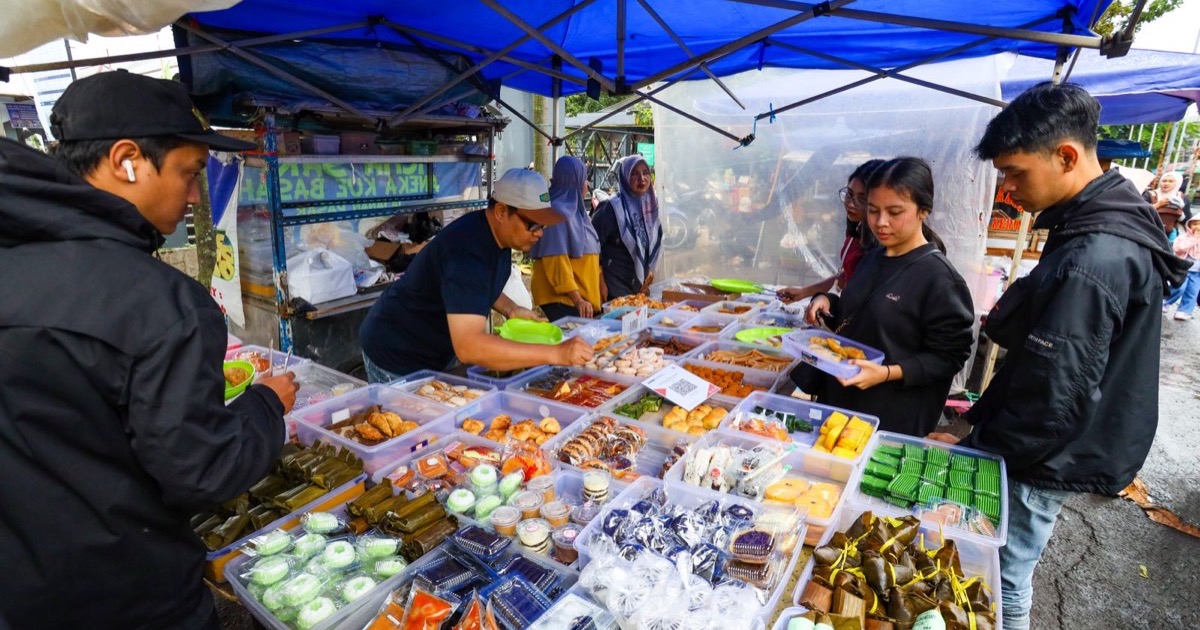

For travelers seeking a true Selcuk Saturday Market food guide, the Saturday bazaar offers an unrivaled mix of flavors, aromas, and local color.
For travelers seeking a true Selcuk Saturday Market food guide, the Saturday bazaar offers an unrivaled mix of flavors, aromas, and local color. Each Saturday, the market transforms the town’s streets into a culinary playground where fresh produce, sizzling grills, and sweet pastries compete for attention. This guide highlights the dishes that dominate the stalls, the vendors you’ll want to seek out, and tips for locating the ripest ingredients during your visit.
What kinds of dishes are popular at Selcuk Saturday Market?
The market’s menu reads like a snapshot of Selcuk local cuisine, with Turkish street food taking center stage. Grilled meats such as köfte (spiced meatballs) and şiş kebap (marinated skewers) are served hot off charcoal, often accompanied by flatbread and a drizzle of lemon. These dishes draw crowds for their smoky flavor and quick service.
Vegetarian options are equally prominent. Vendors slice fresh tomatoes, cucumbers, and peppers to assemble çiğ köfte wraps, while bowls of mercimek çorbası (lentil soup) offer a warm, protein‑rich alternative. Sweet treats include crisp baklava layers soaked in honey, and künefe, a cheese‑filled pastry topped with pistachios.
Beyond the main courses, you’ll encounter a range of local Turkish snacks: roasted chestnuts, salty pistachios, and fragrant dried apricots. These bite‑size items are perfect for sampling while you wander the aisles of the Selcuk food market.
Which food stalls should food lovers prioritize at the market?
Not every stall offers the same level of quality or variety, so focusing on a few standout vendors can enhance your culinary experience. The kebap stall near the central fountain consistently receives high praise for its perfectly seasoned meat and generous portions. A nearby pastry booth excels at traditional desserts, especially baklava that balances flaky layers with just the right amount of syrup.
Another must‑visit is the olive and cheese stand, where local producers showcase hand‑picked olives, aged feta, and fresh goat cheese. Their tasting plates let you compare textures and flavors side by side, providing insight into the region’s dairy heritage.
| Stall | Specialty | Price Range | Must‑Try Item |
|---|---|---|---|
| Kebap Corner | Grilled meats | $$ | Şiş kebap with sumac |
| Baklava Booth | Sweet pastries | $ | Walnut baklava |
| Olive & Cheese Stand | Dairy & olives | $ | Mixed olive platter |
How can I find the freshest produce and local ingredients on Saturday?
Freshness is a hallmark of the Selcuk Saturday market, and vendors often display harvest dates or source information. Look for stalls that arrange fruits and vegetables in neat, shaded displays; these vendors typically rotate stock throughout the morning. Brightly colored produce such as ripe figs, crimson pomegranates, and deep‑green zucchini indicate recent deliveries.
Engage the sellers in conversation. Many growers are eager to share details about their farms, the varieties they cultivate, and the best ways to prepare the items. Asking for a sample or a quick tasting can confirm quality before you purchase.
Timing matters, too. Arriving shortly after the market opens—around 11:00 AM, according to Selcuk market opening hours—gives you access to the full selection before the most popular items are sold out. Early birds also benefit from lower prices, as vendors often adjust rates as the day progresses.
What traditional Turkish snacks can I try while exploring the market?
The Selcuk Saturday market offers a cornucopia of bite‑size delights that capture the essence of Selcuk local cuisine. Strolling past rows of colorful stalls, you’ll encounter vendors expertly preparing everything from crisp fried dough to sweet, syrup‑soaked pastries. Each snack reflects centuries of culinary tradition, yet the flavors feel fresh and approachable for modern palates.
Among the most popular treats are kumpir, a baked potato split open and loaded with butter, cheese, and a medley of toppings; çörek, soft rings infused with nigella seeds and a hint of orange zest; and lokma, tiny fried dough balls drenched in honey or pomegranate molasses. For those craving a savory bite, midye dolma (rice‑filled mussels) and çiğ köfte (spicy raw meatballs, often served in a vegetarian version) are readily available.
Most of these snacks are sold from portable grills or small tables near the central thoroughfare of the Selcuk food market. Look for the aroma of sizzling oil and the sight of customers gathering around wooden benches – those are reliable indicators of where the tastiest options await.
| Snack | Main Ingredients | Typical Serving Size | Price Range (TRY) |
|---|---|---|---|
| Kumpir | Baked potato, butter, cheese, assorted toppings | One large potato | 10‑15 |
| Çörek | Flour, yeast, nigella seeds, orange zest | One ring | 4‑6 |
| Lokma | Flour, yeast, honey or pomegranate syrup | Four‑six pieces | 5‑8 |
| Midye Dolma | Mussels, rice, herbs, spices | Six‑eight mussels | 12‑18 |
| Çiğ Köfte (vegetarian) | Bulgur, tomato paste, spices, walnuts | One flatbread wrap | 8‑12 |
Are there vegetarian or vegan options available at Selcuk Saturday Market?
The Selcuk Saturday market accommodates a wide range of dietary preferences, and plant‑based choices are easy to spot. Many stalls proudly display signs indicating “vegan” or “vegetarian” next to their offerings, and the market’s emphasis on fresh, locally sourced produce ensures that these options are both flavorful and nutritious.
Vegetarian classics such as gözleme (thin flatbread filled with spinach, feta, or potatoes) and pide topped with tomatoes, olives, and herbs are staples. Vegan travelers will appreciate the abundance of roasted chickpeas, seasoned eggplant slices, and freshly squeezed fruit juices that line the aisles. In addition, several vendors serve a modern twist on traditional dishes, offering lentil‑based “köfte” and cauliflower “börek” that mimic the textures of their meat‑based counterparts.
When navigating the Selcuk bazaar food scene, it helps to ask vendors about the preparation methods, especially if you need to avoid hidden animal products like butter or yogurt. Most sellers are eager to accommodate and can often substitute dairy with olive oil or plant‑based alternatives.
- Spinach and feta gözleme
- Vegan lentil köfte wrapped in flatbread
- Roasted eggplant with pomegranate glaze
- Chickpea and herb salad with lemon dressing
- Olive‑and‑tomato stuffed pide
- Cauliflower börek with tahini drizzle
- Freshly squeezed orange or pomegranate juice
What are the typical price ranges for meals and street food at the market?
Budget‑friendly dining is a hallmark of the Selcuk food market. A quick snack such as a piece of lokma or a handful of roasted nuts typically costs between 3 and 8 Turkish lira. More substantial items—like a stuffed flatbread, a plate of çiğ köfte, or a serving of midye dolma—fall in the 10‑20 lira bracket.
If you prefer a full meal, many stalls serve combo plates that include a main, a side of fresh salad, and a beverage for roughly 25‑35 lira. These combos often feature grilled chicken kebab, köfte, or a vegetarian alternative, accompanied by rice or bulgur and a small portion of seasonal vegetables.
Considering the Selcuk market opening hours—generally from 11:00 am to 7:00 pm on Saturdays—most vendors are active during the midday rush, when prices remain stable. Late‑afternoon visitors may encounter slight discounts on items that have been on display for several hours, making it an ideal time for those seeking the best value.
When does Selcuk Saturday Market open and close each week?
The Saturday market in Selcuk officially kicks off at 11:00 am each Saturday, when vendors begin to unfurl their awnings and arrange fresh produce, spices, and ready‑to‑eat treats along the town’s main thoroughfares. By noon the aroma of simmering köfte, sizzling gözleme, and roasted chestnuts fills the air, signalling that the culinary portion of the bazaar is in full swing. The market generally winds down around 7:00 pm; at that point most stalls start packing away their merchandise, although a few food vendors may linger a little longer to serve the last lingering diners.
Seasonal adjustments can shift the closing time by up to an hour. During the peak summer months, when daylight lasts longer and visitor numbers swell, some stalls extend service until 8:00 pm to accommodate the extended flow of tourists. Conversely, in the cooler winter period the market may begin packing up as early as 6:30 pm, especially if temperatures drop sharply. Checking the local municipal board or a recent traveler’s post before heading out can confirm the exact timing for the week you plan to visit.
How do I navigate the market to discover culinary treasures?
Approaching the market with a loose plan rather than a rigid itinerary yields the richest tasting experience. Start at the western entrance where the fruit and vegetable stalls line the street; the colorful displays not only showcase the region’s agricultural bounty but also guide you toward the central food corridor. From there, follow the scent trail of grilled meats and sweet pastries, which naturally leads to clusters of specialty food stalls that tend to be tucked away from the main foot traffic.
While wandering, keep an eye out for stalls that display handwritten menus or chalkboards—these often belong to family‑run operations that have been perfecting a single dish for generations. Engaging the vendors in brief conversation can reveal seasonal specialties or off‑menu items that are not advertised to the casual passerby. This approach turns a simple stroll into a curated tasting tour without the need for a guide.
- Begin at the produce aisle to sample fresh figs, pomegranates, and locally harvested olives.
- Turn left toward the spice row; the vibrant piles of sumac, pul biber, and dried mint indicate nearby kebab and döner stands.
- Seek out stalls with open‑kitchen grills—these typically serve freshly prepared lahmacun, köfte, and çöp şiş.
- Look for vendors offering “simit” or “börek” wrapped in paper; these handheld snacks are perfect for on‑the‑move tasting.
- Pause at the dessert corner where baklava, künefe, and lokma are displayed; many artisans prepare these sweets on site.
- Visit the tea and coffee corner for a traditional Turkish çay served in small glasses, often accompanied by a piece of lokum.
- End your route at the waterfront fringe where fish vendors grill the day’s catch, offering simple yet flavorful preparations.
What tips help me avoid crowds and enjoy a relaxed food experience?
Arriving early—just after the market opens at 11:00 am—offers the dual advantage of cooler temperatures and shorter lines at popular food stalls. Early visitors often find that vendors have the freshest ingredients on hand, and the overall atmosphere feels more relaxed. If you prefer a later visit, aim for the mid‑afternoon lull around 3:00 pm, when many tourists have already taken a break and locals begin to replenish their supplies.
Choosing a side street or a peripheral lane rather than the central promenade can dramatically reduce the density of fellow diners. Many of the most authentic food stalls are positioned along the quieter back‑alley routes that branch off from the main market artery. These locations tend to attract locals who appreciate a calmer setting, and the reduced foot traffic allows you to linger over each dish without feeling rushed.
Finally, consider bringing a reusable water bottle and a small cooler bag. Having your own hydration and a place to store purchased items means you can step away from the crowd to a nearby park bench or shaded spot, savoring your meal at a comfortable pace. This simple preparation transforms a potentially hectic market visit into a leisurely culinary outing.
Can I purchase souvenirs or local products alongside food at the market?
The Saturday market in Selçuk offers more than just edible delights. Along the same makeshift alleys where you sample fresh olives or sip on pomegranate juice, you will find stalls displaying hand‑woven textiles, ceramic tiles painted with traditional motifs, and locally produced olive‑oil soaps. These items are often crafted by the same families that run the food stalls, giving you a chance to support the community with a single purchase.
Because the market operates only one day a week, vendors tend to keep inventory limited and price points modest. You can bargain for a set of embroidered napkins or a small copper tea kettle without feeling pressured; most sellers appreciate a friendly exchange as much as a quick sale. Bringing a reusable bag not only reduces waste but also makes it easier to carry a mix of groceries and souvenirs back to your accommodation.
Seasonal specialties also appear as portable souvenirs. Dried figs, apricots, and pistachios are packaged in paper bags that double as gifts, while locally roasted coffee beans are sold in small burlap sacks. Sampling these products on site lets you judge quality before committing to a larger purchase, a practical tip for travelers who prefer to avoid generic souvenir shops.
What safety and hygiene practices should I follow when eating street food there?
Observe the cleanliness of each stall before you order. Look for vendors who keep raw ingredients covered, use clean cutting boards, and have a visible hand‑washing station. Food that is prepared in view of the crowd—such as gözleme being rolled on a hot griddle—offers an extra layer of reassurance.
Choose items that are cooked thoroughly and served hot. Foods like grilled kebabs, fried çiğ köfte, and fresh simit are less likely to harbor pathogens when they leave the heat source immediately. If you prefer cold dishes, such as salads or cheese plates, verify that the ingredients are stored on ice and that the vendor discards any leftovers after the market closes.
Carry a small bottle of hand sanitizer and use it after handling money or touching surfaces. Many visitors also bring a reusable cutlery set for dishes that are traditionally eaten with a fork or knife, reducing contact with communal utensils. These simple steps help you enjoy the market’s flavors while minimizing health risks.
Frequently Asked Questions
Is Selçuk Saturday Market open year‑round?
The market runs every Saturday throughout the year, except for a few national holidays when the town observes a full closure. Local authorities announce any temporary suspensions on municipal notice boards and social media, so checking a recent update before you travel is advisable.
Do vendors accept credit cards or only cash?
Most stalls operate on a cash‑only basis, preferring Turkish lira for quick transactions. A growing number of younger vendors have begun to accept mobile payment apps, but the infrastructure is not yet universal. Carrying a modest amount of cash ensures you can purchase both food and souvenirs without delay.
What is the best time of day to visit for fresh food?
Arriving shortly after the market opens at 11 am gives you access to the freshest produce, as many farmers bring their goods early in the morning. By early afternoon, popular items such as fresh pastries and grilled meats may be sold out, while later visitors find more baked goods and preserved snacks.
Are there halal‑certified food options available?
Because the majority of the local population follows Islamic dietary guidelines, most meat dishes are prepared according to halal standards. Vendors typically display a small sign or verbally confirm the status of their products, making it easy for travelers to choose appropriate meals.
Can I bring my own reusable bags for market purchases?
Reusable bags are welcomed and encouraged, as the market aims to reduce single‑use plastic. Many vendors will even offer a small discount for shoppers who bring their own containers for bulk items like nuts or dried fruit.
Is there public transportation that stops near the market?
The town’s central bus depot runs a frequent shuttle service that drops passengers a short walk from the market square. a local dolmuş (shared minibus) follows a route that passes the market on Saturdays, providing an inexpensive way to reach the venue from nearby hotels.
What COVID‑19 precautions are in place for food vendors?
Since the pandemic, vendors have adopted several safety measures, including optional mask use for staff, regular surface sanitization, and the provision of hand sanitizer at each stall. While regulations have relaxed, many sellers continue these practices voluntarily to reassure customers.
Are there nearby restrooms or facilities for visitors?
Public restrooms are located a few minutes’ walk from the market, near the municipal building. Some larger food stalls also provide a small hand‑washing area for customers, but these are not equipped with full bathroom facilities. Planning a brief stop before or after your market visit can help you stay comfortable.
Plan your trip
Book Istanbul attraction tickets
Skip-the-line tickets and guided tours for Istanbul's top sights, with mobile tickets and flexible cancellation.
See tickets on TiqetsWe may earn a commission from bookings made through this link, at no extra cost to you.
Reviewed by our editor for Türkiye & the Eastern Mediterranean
Elif DemirTürkiye & Eastern Mediterranean Editor
Travel writer covering Türkiye and the Eastern Mediterranean, from Istanbul's old city to the Aegean coast.
More articles by Elif Demir →