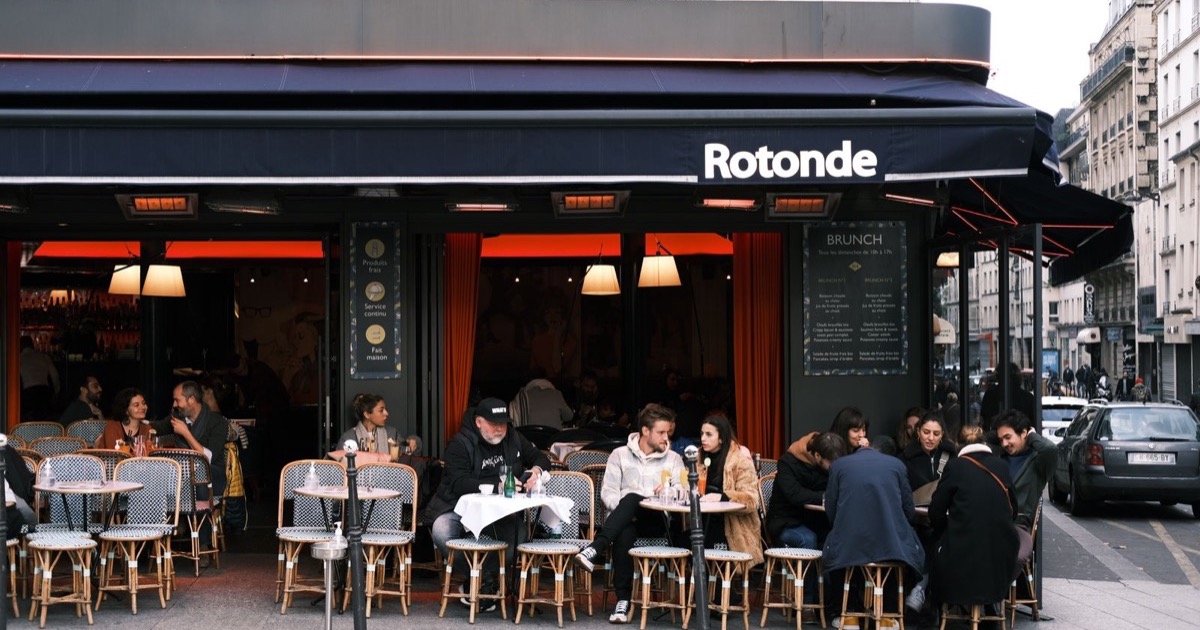

When the Eiffel Tower lights flicker and the city’s rhythm slows, a different culinary scene awakens.
When the Eiffel Tower lights flicker and the city’s rhythm slows, a different culinary scene awakens. This Paris late night food guide uncovers the eateries that keep their doors open after midnight, satisfying cravings that linger long after the last toast is raised. From intimate bistros that serve classic French comfort to street stalls that offer quick, flavorful bites, the capital proves that good food knows no bedtime. Follow these recommendations to make the most of Paris after dark without sacrificing quality or authenticity.
What are the best late‑night bistros to visit in Paris?
For a relaxed atmosphere and a menu that balances tradition with creativity, several bistros remain open until the early hours. One notable option near the Latin Quarter offers a selection of small plates such as duck confit and cheese boards, complemented by an extensive wine list that stays available well past midnight. The service is attentive yet unobtrusive, allowing diners to savor each course without feeling rushed.
Another standout is located close to the Canal Saint‑Martin, where the chef blends seasonal produce with classic techniques. Their late‑night menu includes a silky onion soup, a perfectly seared salmon, and a dessert of warm chocolate mousse that arrives on the house after 1 a.m. The ambience is intimate, with low lighting and soft jazz that enhances the dining experience for night owls seeking a refined yet comfortable setting.
For those craving a more contemporary vibe, a bistro in the Marais district serves innovative tapas‑style dishes alongside craft cocktails. Their kitchen stays active until 2 a.m., offering items like truffle‑infused fries and a charcuterie platter that showcases locally sourced meats. The blend of modern décor and timeless French flavors makes it a reliable choice for late‑night indulgence.
Where can I find affordable midnight street food in Paris?
Street vendors near the bustling Rue de Lappe provide quick, budget‑friendly options that satisfy a range of tastes. Here you’ll find classic crepes filled with Nutella, ham, or sweet caramel, all prepared on portable grills that glow well into the night. Prices remain modest, making it easy to sample multiple flavors without breaking the bank.
Further east, along the banks of the Seine, food trucks gather after the museums close, offering diverse selections such as falafel wraps, Korean BBQ tacos, and gourmet hot dogs. The rotating lineup ensures fresh offerings each evening, and the communal seating encourages a lively, social atmosphere for night‑time snackers.
| Vendor | Specialty | Typical Price | Hours |
|---|---|---|---|
| Crepe Stand on Rue de Lappe | Sweet & savory crepes | €4‑€8 | 22:00‑02:00 |
| Seine Food Truck Collective | International street bites | €5‑€10 | 23:00‑01:30 |
| Late‑Night Falafel Cart (Le Marais) | Falafel sandwich | €6 | 21:30‑01:00 |
Which neighborhoods stay open the latest for food lovers in Paris?
The 11th arrondissement, particularly around Rue Oberkampf, maintains a vibrant after‑hours scene. Bars and eateries extend their service well past midnight, offering everything from artisanal pizzas to late‑night brunch plates. The mix of locals and travelers creates an energetic backdrop for culinary exploration.
In the 5th arrondissement, the Latin Quarter’s narrow streets host several cafés that stay open until the early morning. These spots often serve hearty soups, fresh salads, and a selection of pastries that appeal to students and night‑shift workers alike. Their extended hours make the area a reliable hub for those seeking comfort food after a night of sightseeing.
The 18th arrondissement, especially around Montmartre, provides a more relaxed pace with a handful of bistros and brasseries that close around 1 a.m. The elevated views of the city add a pleasant ambiance, while the menus focus on classic French dishes such as coq au vin and gratin dauphinois, ensuring a satisfying end to a night out.
How can I join a nighttime tasting tour in the city of lights?
Parisian tasting tours after dark are organized by a mix of boutique operators, cultural institutions, and larger travel agencies. Most tours require an online reservation at least 24 hours in advance, especially during peak tourist months. After booking, you will receive a confirmation email with a meeting point—typically a well‑lit metro station or a recognizable landmark—plus a brief itinerary and any dress code notes (smart‑casual is common).
Payment is usually collected at the time of reservation via credit card, and many providers offer a flexible cancellation window of 48 hours. If you prefer a more spontaneous experience, a few walk‑up options exist near the Marais and the Latin Quarter, where local guides gather small groups on the spot. Keep a small amount of cash handy for any extra tasting items that fall outside the set menu.
| Tour | Duration | Highlights | Approx. price (per person) | Start time |
|---|---|---|---|---|
| Midnight Wine & Cheese Walk | 2 hours | Three curated cheese bars, two natural wines, a late‑night market stop | €85 | 22:30 |
| Street‑Food Night Crawl | 3 hours | Crepes, falafel, kebab, and a pop‑up sushi stall; includes a guide‑led history of each quartier | €70 | 21:00 |
| Gourmet Dessert Soirée | 1.5 hours | Four patisseries, chocolate tasting, espresso finale; limited to 12 participants | €95 | 23:00 |
What traditional French dishes are available after midnight in Paris?
The city’s culinary landscape does not shut down at midnight. Many bistros and brasseries keep their kitchens humming well into the early hours, offering classic plates that satisfy both hunger and curiosity. Late‑night menus often feature heartier preparations, reflecting the desire for comfort after a night of exploring.
Among the most reliable choices are dishes that have become synonymous with Parisian night life. You will find them in neighborhoods ranging from the 9th arrondissement’s bustling avenues to the quieter streets of the 5th. These meals are typically served with a glass of house wine or a chilled bière, creating a relaxed ambience for nocturnal diners.
- Steak‑frites – a perfectly seared ribeye accompanied by crisp, seasoned fries.
- Coq au vin – chicken braised in red wine with mushrooms, pearl onions, and bacon.
- Soupe à l’oignon gratinée – caramelized onion broth topped with toasted baguette and melted Gruyère.
- Raclette – melted Alpine cheese poured over boiled potatoes, charcuterie, and cornichons.
- Croque‑madame – toasted ham and cheese sandwich finished with a fried egg on top.
- Escargots à la bourguignonne – snails baked in garlic‑herb butter, served with fresh baguette slices.
- Crêpes sucrées – thin pancakes filled with Nutella, caramel, or fresh berries, often ordered as a sweet nightcap.
Are there any bakeries that serve fresh pastries throughout the night in Paris?
Several bakeries have adapted to the city’s 24‑hour rhythm, keeping ovens on for late‑night batches. These establishments are usually located near nightlife hubs, where the demand for a warm croissant or a flaky pain au chocolat spikes after the clubs close. Their operating hours typically run from 22:00 to 02:00, with a brief pause for cleaning around midnight.
Patrons often praise the quality of these nocturnal pastries, noting that the dough is prepared fresh each evening rather than reheated from the previous day. In addition to classic viennoiseries, many of these bakeries experiment with seasonal fillings—think lavender‑infused custard in spring or chestnut purée in autumn—providing a unique twist on traditional flavors.
Because the supply is limited, it is advisable to arrive early in the evening window or place a quick phone reservation if the bakery accepts it. This ensures you can enjoy a buttery treat without the disappointment of an empty display case.
Which Parisian markets host night‑time food stalls for tourists?
Paris’ traditional covered markets transform after the sun sets, especially during the warmer months when the city embraces outdoor gatherings. The historic Marché des Enfants Rouges in the Marais, for example, occasionally extends its hours on Thursday evenings, allowing vendors to serve crêpes, falafel, and seasonal street snacks beneath its iconic iron arches. A short walk away, the Marché de la Bastille, normally a daytime hub for fresh produce, launches a pop‑up night market on select Saturdays from June through September, featuring artisanal cheese, charcuterie, and sweet treats from local bakeries. Both locations benefit from the lively atmosphere of nearby cafés, making them ideal for a quick bite after an evening museum visit.
Further north, the Carreau du Temple in the 3rd arrondissement hosts a seasonal night market that occupies the former covered market hall and its surrounding square. Here, food trucks and stallholders line the promenade, offering everything from Japanese takoyaki to Moroccan couscous, often accompanied by live music. The venue’s central location near the metro line 8 ensures easy access even after midnight. During special events—such as the annual “Paris Summer Night Market”—the historic Marché Saint‑Quentin opens its doors to late‑night vendors, providing a mix of gourmet sandwiches, vegan pastries, and regional wines. These night‑time market experiences give travelers a taste of Parisian culinary diversity without the formal restaurant setting.
Can I find vegan and vegetarian late‑night options in Paris?
Paris has steadily expanded its plant‑based scene, and many establishments stay open well into the night to cater to night‑owls seeking meat‑free fare. In the Latin Quarter, a small bistro known for its inventive vegetable‑forward dishes serves a late‑night menu that includes roasted cauliflower steaks, seasonal grain bowls, and a selection of French cheeses suitable for vegans. Near the Canal Saint‑Martin, a popular vegan burger joint operates until 2 a.m., offering house‑made patties, sweet‑potato fries, and dairy‑free milkshakes that satisfy cravings after a night out.
For those preferring a more upscale setting, a Michelin‑starred restaurant occasionally runs a midnight tasting menu that incorporates vegan components, such as seaweed‑infused consommé and mushroom terrine, allowing diners to experience refined French cuisine without animal products. In the 11th arrondissement, a cozy café remains open until 1 a.m., serving a rotating selection of vegan pastries, oat‑based lattes, and hearty soups. These options demonstrate that Parisian nightlife now embraces inclusive dining, ensuring that plant‑based travelers can indulge after dark.
- Vegan burger bar near Canal Saint‑Martin – open until 02:00, famous for the “Seitan Royale.”
- Vegetable‑focused bistro in the Latin Quarter – stays open until 01:30, serves seasonal grain bowls.
- Michelin‑starred restaurant with occasional vegan tasting menu – late‑night service on Fridays.
- Cozy 11th‑arrondissement café – open until 01:00, offers vegan pastries and oat lattes.
- Plant‑based patisserie in Le Marais – night hours until 23:00, specializes in dairy‑free croissants.
- Gourmet vegan sushi spot near Opéra – closes at 00:30, features creative maki rolls.
- Vegetarian kebab shop in Belleville – open 24 hours, serves falafel wraps and vegan shawarma.
What safety tips should I know when dining late at night in Paris?
Even though Paris is generally safe, the late‑night dining scene requires a few practical precautions. Stick to well‑lit streets and choose restaurants or market stalls that are visible from the main thoroughfares; this reduces the likelihood of encountering poorly lit alleys. When using public transportation, verify the final metro or RER departure times in advance, as some lines reduce service after midnight. If a night bus is your only option, keep your ticket handy and be aware of the route’s stops, especially in peripheral neighborhoods where service may be less frequent.
Keep personal belongings close, particularly in crowded venues such as night markets where pickpocketing can occur. Using a cross‑body bag with a secure zip and storing valuables in a hidden pocket helps mitigate risk. If you plan to dine at a restaurant that requires a reservation, confirm the address and opening hours the day before, as some venues may close early on certain weekdays. Finally, consider sharing your location with a trusted contact and have a backup plan—such as an alternative eatery or a 24‑hour café—should your original choice become unexpectedly unavailable.
How do I use public transportation to reach late‑night food spots in Paris?
Paris’s metro runs until about 1 am on weekdays and 2 am on Fridays and Saturdays, covering most neighborhoods where night‑time eateries cluster. When the metro stops, the night bus network (Noctilien) takes over, with routes numbered N01‑N33 that circle the city and connect major districts such as the Marais, Montmartre, and the Latin Quarter. Purchase a single‑ticket (t+ ticket) or a day pass (Mobilis) before you board; the same ticket works on both metro and night buses.
If you’re staying near a central hub like Châtelet‑Les Halles or Gare du Nord, you can hop on a metro line and transfer to a night bus with a short walk. For travelers arriving late at Charles‑de‑Gaulle Airport, the Roissybus runs until around 11:30 pm, after which the Noctilien line N143 provides a direct link to the city centre, stopping near several 24‑hour kebab shops and creperies.
Where are the best rooftop bars that serve food after dark in Paris?
Rooftop venues often stay open later than traditional restaurants, offering small plates alongside cocktails while the city lights sparkle below. In the 7th arrondissement, a rooftop terrace perched atop a historic hotel serves a curated selection of cheese boards, charcuterie, and seasonal salads, staying open until midnight on weekdays and 2 am on weekends. The view stretches from the Eiffel Tower to the Seine, making it a popular spot for late‑night gatherings.
Another option in the 1st arrondissement occupies the top floor of a contemporary art museum; its menu focuses on French‑inspired tapas, such as duck confit sliders and truffle‑infused fries, and the bar remains operational until 1 am on weekdays and 3 am on Saturdays. Both locations require a reservation for the dining area, though the bar counter accepts walk‑ins.
Sources & Further Reading
Frequently Asked Questions
Is it safe to eat out late at night in Paris?
Paris is generally safe for nocturnal dining, especially in well‑lit areas like the Marais, Saint‑Germain, and the 16th arrondissement. Police presence is noticeable near popular night spots, and most eateries keep their doors open until the early hours, attracting a steady flow of locals and tourists. As with any major city, staying aware of your surroundings and keeping valuables secure is advisable.
Do Paris restaurants require a reservation for late‑night dining?
Many establishments that stay open past midnight operate on a first‑come, first‑served basis, particularly casual bistros and street‑food stalls. However, upscale venues and rooftop bars often expect reservations, especially on weekends. It’s wise to call ahead or use an online booking platform if you have a specific place in mind.
What are the typical opening hours for late‑night eateries in Paris?
Late‑night cafés and brasseries usually begin serving around 10 pm and close between 1 am and 3 am. Some 24‑hour kebab shops, falafel stands, and creperies remain open all night, catering to travelers arriving on late flights. Rooftop bars often extend service to 2 am on weekdays and later on weekends.
Are there any around‑the‑clock food options for travelers arriving late at the airport?
Both Charles‑de‑Gaulle and Orly airports host several 24‑hour fast‑food chains and convenience stores offering sandwiches, salads, and hot meals. Outside the terminals, the Noctilien night bus drops passengers near neighborhoods with all‑night kebab shops and Asian noodle bars, providing a quick bite before heading to the city.
How much should I expect to spend on a late‑night tasting tour in Paris?
Guided tasting tours that run after 9 pm typically cost between €80 and €150 per person, depending on the number of stops and the inclusion of drinks. Tours focusing on street food or market stalls tend to be on the lower end, while those that incorporate wine pairings at upscale venues command higher prices.
Can I find gluten‑free or allergy‑friendly meals after dark in Paris?
Many late‑night bistros now label gluten‑free and vegan options on their menus, and some specialty restaurants dedicate a portion of their kitchen to allergy‑friendly preparation. When in doubt, ask the staff; they are accustomed to accommodating dietary restrictions and can often modify dishes.
Which public transport lines run late for getting to food districts?
The metro lines A, B, and D serve central districts and run until the early morning hours on weekdays, extending later on weekends. Night buses such as N01 (Gare de l’Est ↔ Gare Montparnasse) and N02 (Porte de la Chapelle ↔ Porte d’Orléans) connect major culinary neighborhoods after the metro closes.
Are there any hidden gems for late‑night street food that locals love?
Street vendors near the Canal Saint‑Martin often set up after 10 pm, offering freshly grilled sausages, artisanal crêpes, and Asian‑style bao buns. The area around Rue de la Roquette also sees pop‑up stalls serving inventive tacos and gourmet hot dogs well into the night.
Do Parisian cafés serve coffee after midnight?
While many traditional cafés close by 11 pm, several modern coffee bars in the 11th and 20th arrondissements stay open until 2 am, serving espresso, cold brew, and occasional pastries. These spots are popular with night‑owls seeking a caffeine boost before heading home.
What etiquette should I follow when dining late at a Paris bistro?
Even at night, French dining etiquette remains important: keep your voice at a moderate level, avoid using your phone at the table, and wait for the server to bring the bill rather than asking for it directly. Tipping is appreciated but not mandatory; leaving a small amount or rounding up the total is customary.
Plan your routes ahead of time, keep a backup transport option in mind, and enjoy the diverse flavors that Paris offers after dark. The city’s night‑time culinary scene rewards curiosity and a willingness to explore beyond the usual tourist corridors.
Reviewed by our editor for Europe
Marco BianchiEurope Editor
Europe travel writer focused on city culture, museums and historic routes across the continent.
More articles by Marco Bianchi →