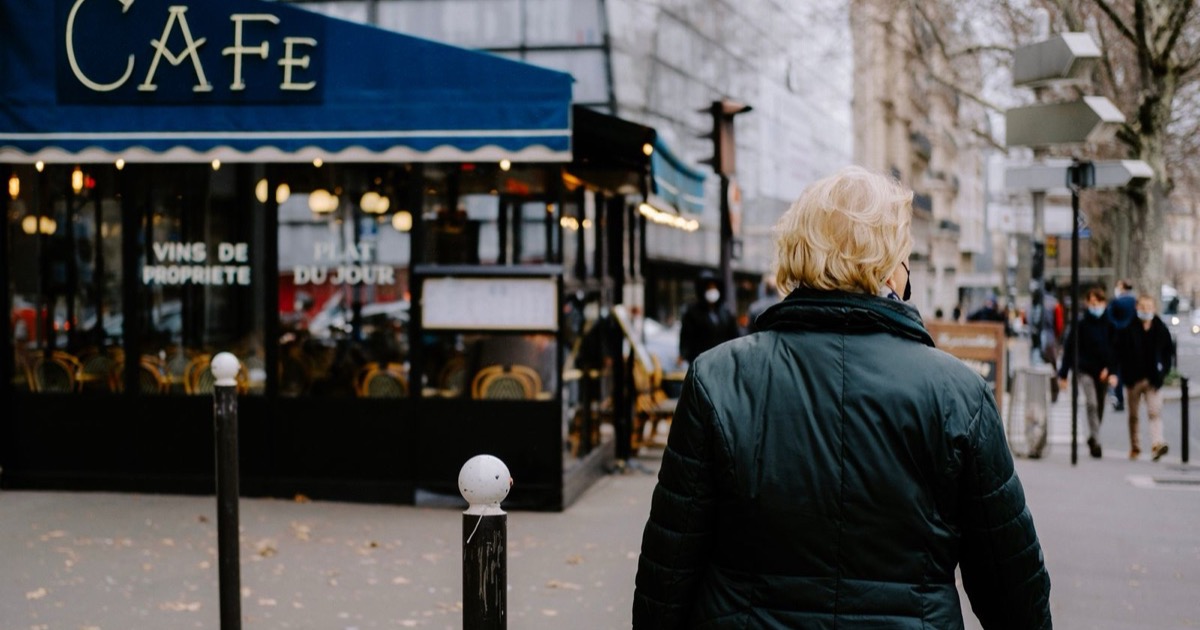

For anyone mapping out a Paris coffee tour guide , the city offers more than just a caffeine fix—it serves a living lesson in how coffee intertwines with history,…
For anyone mapping out a Paris coffee tour guide, the city offers more than just a caffeine fix—it serves a living lesson in how coffee intertwines with history, design, and gastronomy. From the early cafés that hosted literary legends to the modern roasters experimenting with single‑origin beans, Paris delivers a layered experience for the curious palate. This guide highlights the neighborhoods, workshops, and tasting routes that will let you sip like a true Parisian.
What makes Paris’s café culture unique for coffee lovers?
Parisian café culture began as a social laboratory in the 17th century, where philosophers and artists gathered over strong, often boiled coffee. Over time, the ritual evolved, embracing the French preference for balance: a well‑crafted espresso paired with buttery pastries, served in elegant, light‑filled rooms. Today, the tradition blends heritage with the third‑wave movement, so you’ll find both historic counters and sleek espresso bars under the same roof.
The French approach to coffee respects the bean’s origin while honoring the craft of preparation. Baristas often train in latte art, creating delicate designs that echo the city’s love for visual detail. Meanwhile, the emphasis on “croissant and coffee pairing” reflects a culinary mindset that treats the beverage and the baked good as complementary notes in a single composition. This mindset fuels a thriving scene of artisan coffee roasters who source beans from Africa, Latin America, and Asia, then roast them in small batches to preserve nuance.
Another distinctive element is the role of cafés as extensions of public life. Whether you’re seated on a marble terrace watching the Seine or tucked in a back‑alley shop, the environment encourages lingering. This leisurely pace allows you to notice subtle flavor shifts, making each sip a small exploration of French coffee culture.
Which neighborhoods host the best specialty coffee roasters in Paris?
The Left Bank, particularly the 6th arrondissement, houses several pioneering roasters whose facilities double as tasting rooms. Here, you’ll encounter cafés that champion single‑origin espresso and pour‑over methods, often accompanied by expertly baked viennoiseries. Moving eastward, the 11th arrondissement has transformed former industrial spaces into vibrant coffee hubs, where experimental brewing meets street‑art ambiance.
In the north, the 10th arrondissement’s canal‑side streets feature roasters that focus on sustainability, offering beans roasted to highlight natural flavor profiles. Meanwhile, the Marais district blends historic charm with contemporary coffee labs, presenting a mix of classic French cafés and modern specialty spots. Each neighborhood provides a distinct flavor of Parisian café life, making it easy to design a coffee tasting itinerary that hops between contrasting atmospheres.
| Neighborhood | Key Roasters | Typical Offerings | Atmosphere |
|---|---|---|---|
| 6th arrondissement (Left Bank) | Renowned artisan roasters | Single‑origin espresso, pour‑over, croissant pairing | Elegant, literary‑styled |
| 11th arrondissement | Industrial‑space cafés | Cold brew, experimental blends, latte art | Urban, artistic |
| 10th arrondissement | Sustainable‑focused roasters | Direct‑trade beans, tasting flights, eco‑friendly pastries | Canal‑side, relaxed |
| Marais | Hybrid historic‑modern roasters | Classic French press, specialty drip, pastry assortments | Historic streets, contemporary vibe |
Where can I join a hands‑on coffee tasting workshop in Paris?
Several cafés now host semi‑private workshops that combine roasting demonstrations with guided tasting sessions. These experiences typically begin with a brief history of French coffee, followed by a walk through the roasting process—allowing participants to see beans transform from green to aromatic. After roasting, the group samples the fresh coffee alongside curated pastries, learning how acidity, body, and sweetness interact with buttery croissants or almond‑filled desserts.
Look for workshops that include a “Paris coffee workshop” label in their description, as they often provide a coffee tasting itinerary that covers multiple brewing methods in a single session. Some programs even let you practice latte art under the guidance of a barista, giving you a souvenir skill to take home. Booking a spot in advance is advisable, especially during peak travel months, to secure a place in these limited‑capacity classes.
Beyond the structured sessions, many roasters organize “coffee tasting tours” that move through several cafés in a single afternoon. These tours let you compare the flavor profiles of different roasters while enjoying the unique décor of each venue. Pairing each stop with a small pastry ensures you experience the full spectrum of Parisian café culture in one cohesive journey.
How do I pair Parisian pastries with different coffee profiles?
Parisian bakeries excel at creating pastries that highlight the subtleties of a well‑crafted cup of coffee. When the coffee is light‑roasted, its bright acidity and floral notes call for pastries that won’t overwhelm the palate. A buttery croissant, still warm from the oven, offers a gentle richness that mirrors the coffee’s delicate fruitiness, allowing both to shine together.
Medium‑roasted beans bring a balanced body with caramel‑toasted undertones. Pair them with a pain aux raisins or a almond‑filled brioche; the dried fruit and nutty sweetness echo the coffee’s caramel notes while the crumb’s softness adds texture. For a more robust, full‑bodied dark roast, choose pastries that can stand up to its intensity—think chocolate‑filled mille‑feuille or a dark chocolate éclair. The bitterness of the cocoa complements the coffee’s deep, smoky profile.
Seasonal variations also provide opportunities for creative matching. A pistachio‑infused éclair in spring pairs beautifully with a lightly spiced Ethiopian pour‑over, while a spiced orange‑zest tart in autumn can be matched with a velvety French press made from a Central American blend that carries a hint of spice.
| Coffee Profile | Key Tasting Notes | Ideal Pastry Pairing |
|---|---|---|
| Light‑roast (e.g., Ethiopian Yirgacheffe) | Floral, citrus, bright acidity | Classic butter croissant or a lemon‑scented madeleine |
| Medium‑roast (e.g., Colombian Supremo) | Caramel, nutty, balanced sweetness | Pain aux raisins, almond brioche, or a honey‑glazed kouign‑amann |
| Dark‑roast (e.g., Sumatra Mandheling) | Earthy, chocolatey, smoky | Chocolate éclair, dark chocolate tart, or a walnut‑crusted tarte tatin |
What are the must‑try coffee drinks at historic Paris cafés?
The legacy of Parisian café culture is reflected in a handful of signature drinks that have survived generations. Each beverage tells a story of the city’s evolving relationship with coffee, from the early 20th‑century espresso bars to the contemporary third‑wave establishments that now dominate the best cafes in Paris.
When you sit at a marble‑topped counter, order a classic café au lait—a blend of equal parts strong brewed coffee and steamed milk, traditionally served in a wide bowl. The drink’s simplicity highlights the quality of the underlying beans, making it a reliable benchmark for any coffee roaster’s skill. For a more refined experience, request a café noisette, which adds just a touch of milk to an espresso, creating a nutty “hazelnut” impression without any flavoring.
- Café Americano – hot water diluted espresso, ideal for those who prefer a lighter body while retaining espresso’s aromatic depth.
- Café Crème – similar to a latte but with a higher coffee‑to‑milk ratio, offering a silkier mouthfeel.
- Espresso “Ristretto” – a short, concentrated shot that showcases the coffee’s intensity and clarity.
- Affogato – a scoop of vanilla ice cream “drowned” in a hot espresso, perfect for a sweet‑savory finish.
- Cold Brew “Café Glacé” – slow‑steeped coffee served over ice, often accompanied by a splash of milk or a citrus twist.
- Turkish‑style “Café à la Turque” – brewed with finely ground coffee and sugar, spiced with cardamom for a fragrant lift.
- Flat White – originated in the Antipodes but embraced by Paris coffee roasters for its velvety micro‑foam and balanced espresso base.
Which guided coffee tours offer small‑group experiences in 2026?
For travelers who want a hands‑on introduction to Paris coffee tasting tours, several operators now focus on intimate groups of six to twelve participants. These tours typically begin with a walk through a historic district, stopping at three distinct Paris coffee roasters known for their commitment to sustainable sourcing and meticulous roasting techniques. Guests receive a brief history of each roaster, learn about bean origins, and sample a curated espresso, filter, and pour‑over from each location.
Many of these experiences culminate in a Paris coffee workshop where participants grind their own beans under the guidance of a seasoned barista. The workshop includes a pastry pairing segment, allowing guests to taste a selection of freshly baked viennoiseries while discussing flavor synergy. The small‑group format encourages questions and personal interaction, making it an ideal choice for both coffee novices and seasoned aficionados.
Booking a spot in advance is recommended, especially during the spring and autumn travel peaks, as the limited capacity ensures a focused, educational journey through the city’s evolving café culture. Travelers can also combine the coffee tour with a broader culinary itinerary, linking the tasting experience to nearby markets or cheese shops for a full‑day immersion in Parisian gastronomy.
How can I create a self‑guided coffee tasting itinerary in Paris?
Start your day in the historic Left Bank, where the legacy of Parisian cafés meets modern roasting. Walk to La Caféothèque near the Seine, a pioneer that still roasts beans on‑site. Sample their single‑origin espresso and note the bright acidity that reflects the Ethiopian beans they showcase. A short stroll brings you to the nearby Fragments in the Marais, where a minimalist interior lets the coffee speak for itself. Pair their pour‑over with a buttery croissant from a bakery across the street to experience the classic French breakfast rhythm.
From the Marais, head east toward the Canal Saint‑Martin corridor, a neighborhood that has attracted third‑wave roasters. Stop at KB Café for a meticulously crafted flat white, then walk a few blocks to Coutume Café, whose experimental blends often incorporate South American beans with a hint of French roast. Take advantage of the open‑air seating along the canal to compare texture and mouthfeel between the two cups, noting how water temperature and grind size influence the final flavor.
Conclude the tasting loop on the right bank in the vibrant Belleville district. Here, Terroir offers a rotating selection of micro‑lot coffees sourced directly from farmers. Their barista will walk you through a tasting flight that highlights distinct terroir notes. Finish with a slice of almond‑topped pain aux raisins from a nearby patisserie, creating a sweet contrast to the coffee’s lingering finish. By following this route, you cover four distinct roasting philosophies while staying within walking distance of Metro lines that connect each stop.
What are the top coffee‑friendly brunch spots for foodies in Paris?
Parisian brunch has evolved beyond the traditional croissant and café au lait, embracing global influences and inventive coffee pairings. Many establishments now design menus that celebrate both the beverage and the plate, ensuring that each sip enhances the flavors on the table. Below are several locations where the coffee program receives as much attention as the brunch fare.
- Holybelly 5 – Located in the 10th arrondissement, this spot serves a silky latte alongside a ricotta pancake drizzled with honey and fresh berries. The coffee beans are sourced from a rotating roster of European roasters, guaranteeing a nuanced profile that cuts through the sweetness.
- Hardware Société – Situated near the Musée d’Orsay, the café offers a classic avocado toast paired with a single‑origin espresso. Their baristas emphasize the contrast between the creamy avocado and the bright citrus notes of the coffee.
- Fragments – In the Marais, the brunch menu includes a smoked salmon bagel with a side of cold brew. The cold brew is steeped for 18 hours, delivering a smooth body that balances the saltiness of the fish.
- Café Oberkampf – This lively venue in the 11th arrondissement presents a shakshuka with poached eggs, served with a robust French press coffee that highlights earthy undertones.
- Le Peloton Café – Near the Canal Saint‑Martin, the brunch plate features a baked eggs dish with truffle oil, accompanied by a meticulously crafted cappuccino crowned with delicate latte art.
- Boot Café – A tiny space in the 18th arrondissement, known for its espresso shot served alongside a warm croissant stuffed with almond paste, creating a perfect harmony of bitter and sweet.
- Ten Belles – In the Latin Quarter, their brunch includes a granola parfait with Greek yogurt, paired with a pour‑over that showcases bright berry notes, complementing the fruit’s acidity.
When planning your brunch crawl, consider the proximity of Metro stations to minimize travel time. Many of these cafés open around 9 a.m., allowing you to start early and still have the afternoon free for museum visits or river walks.
Where can I find vegan or dairy‑free coffee options in Paris cafés?
Veganism has become mainstream in Paris, and cafés across the city now offer plant‑based milks alongside traditional dairy. Look for oat, almond, soy, and hazelnut alternatives, which are often displayed on the menu or mentioned by the barista. Many specialty coffee shops source their milks from local producers, ensuring a fresh taste that pairs well with the nuanced coffee profiles.
In the Left Bank, Couture Café provides an oat‑milk latte that retains a creamy mouthfeel without masking the coffee’s acidity. Their baristas recommend pairing it with a vegan chocolate croissant, which uses coconut oil for a flaky texture. Further north, Lomi in the 11th arrondissement offers a soy‑based flat white, prepared with a precise steaming technique to achieve micro‑foam comparable to dairy‑based drinks.
For those seeking a fully plant‑based brunch, the 3rd arrondissement’s Café Méricourt serves a hazelnut‑milk cappuccino alongside a savory tofu scramble. The café’s commitment to sustainable sourcing extends to its coffee beans, which are roasted in small batches to preserve origin characteristics. Asking the staff for “un lait végétal” will usually prompt a list of available options, allowing you to customize your beverage to match dietary preferences.
How does the history of Parisian cafés influence today’s coffee scene?
Parisian cafés first appeared in the late 1600s, serving as meeting places for philosophers, writers, and revolutionaries. Those early establishments prized conversation over the beverage, which gradually shifted from a novelty imported from the Ottoman Empire to a daily ritual. Over the centuries, the French appetite for quality beans grew alongside an appreciation for craftsmanship, laying the groundwork for today’s third‑wave coffee movement that emphasizes single‑origin sourcing, precise roasting profiles, and transparent supply chains.
Modern roasters often reference the salons of the Enlightenment when designing their tasting menus, pairing nuanced espresso notes with pastries that echo historic recipes. This lineage explains why many Paris coffee workshops blend historical storytelling with hands‑on brewing, allowing participants to taste the evolution from the first “café au lait” served in a 1700s salon to the nuanced pour‑over creations found in contemporary neighborhoods.
What etiquette should I follow when visiting Paris cafés?
Begin with a polite greeting—“Bonjour” or “Bonsoir” depending on the time of day—before ordering. Most cafés operate on a counter‑service model: you place your order, receive a ticket, and then find a seat. It is customary to keep your phone volume low and to avoid occupying a table for an extended period during the morning rush unless you have ordered food or a drink that justifies the stay.
When you finish, return your tray to the designated area and ask for the bill by saying “L’addition, s’il vous plaît.” Tipping is not obligatory; leaving a small change or rounding up the total is appreciated but not expected. Finally, respect the café’s ambience: avoid large groups in tiny spaces and refrain from rearranging furniture or moving chairs without permission.
Sources & Further Reading
Frequently Asked Questions
Is it necessary to book coffee tasting tours in advance?
Most organized coffee tours have limited group sizes and fill quickly, especially on weekends. Booking ahead guarantees a spot and often secures a better price. If you prefer a spontaneous experience, walk‑in options exist but may involve longer waits or reduced access to premium roasters.
Are there English‑speaking guides for Paris coffee workshops?
Many reputable coffee workshops provide bilingual guides who can conduct sessions in English or French. Websites typically indicate language options during the reservation process, and some tours even offer printed materials in multiple languages to enhance understanding.
What is the average cost of a coffee tasting tour in Paris?
Prices generally range from €45 to €80 per person for a two‑hour session that includes multiple coffee samples, pastry pairings, and a brief roasting demonstration. Premium tours that incorporate visits to several roasteries or include transportation may exceed €100.
Can I find gluten‑free pastry options with coffee in Paris cafés?
Increasingly, cafés are adding gluten‑free croissants, almond‑flour muffins, and rice‑based cakes to their menus. While not every establishment offers these choices, larger coffee houses and specialty roasters often label gluten‑free items clearly, making it easier to pair a safe pastry with your brew.
Which Paris cafés are open late for coffee lovers?
Several cafés in the Marais, Saint‑Germain, and Canal Saint‑Martin districts stay open until midnight or later, serving espresso, cortado, or cold brew after typical dinner hours. Checking opening times on their websites or social media pages before heading out ensures you won’t be surprised by early closures.
How do I get discounts for multiple coffee tours in Paris?
Some tour operators provide reduced rates for groups of three or more, as well as loyalty discounts for repeat participants. Signing up for a newsletter or joining a coffee‑enthusiast community can also unlock promotional codes that lower the price of subsequent tours.
Do any coffee tours include visits to chocolate or cheese shops?
Integrated culinary tours exist that pair coffee tasting with stops at artisanal chocolate boutiques or local cheese shops. These multi‑sensory experiences typically last three to four hours and highlight how coffee complements other French specialties.
What is the best time of year to experience Paris’s coffee culture?
Spring and early autumn offer pleasant weather for outdoor café seating, while the city’s coffee scene remains vibrant year‑round. Seasonal roasts often appear during these periods, giving visitors a chance to sample beans that reflect the harvest cycles of coffee‑producing regions.
Do Paris coffee roasters offer beans for purchase to take home?
Nearly all specialty roasters sell freshly roasted beans on site, packaged in airtight bags that preserve flavor. Many provide detailed origin information and brewing guides, allowing travelers to bring a slice of Parisian coffee culture back home.
Plan your café itinerary around peak coffee‑culture hours—mid‑morning and early afternoon—to enjoy the freshest brews and avoid the busiest crowds. A little preparation, such as reserving tours and checking opening times, will let you savor Paris’s evolving coffee scene without unnecessary hassle.
Reviewed by our editor for Europe
Marco BianchiEurope Editor
Europe travel writer focused on city culture, museums and historic routes across the continent.
More articles by Marco Bianchi →