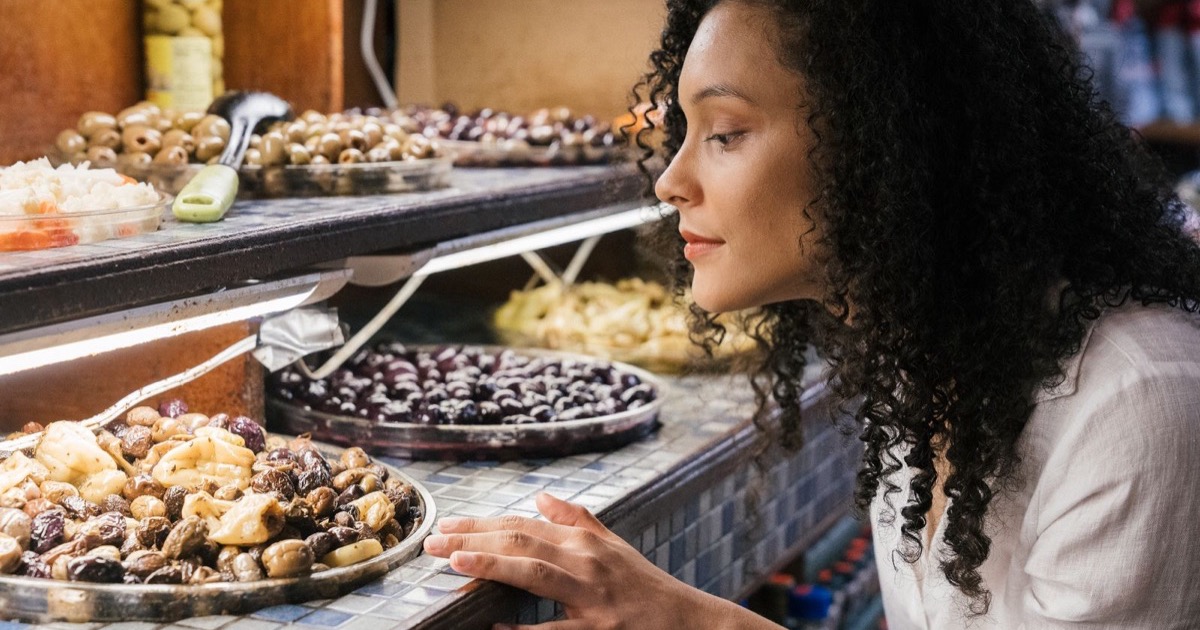

Paris continues to reinvent its culinary reputation, and the 2024 edition of the Paris food guide 2026 proves that the city’s palate is as adventurous as ever.
Paris continues to reinvent its culinary reputation, and the 2024 edition of the Paris food guide 2026 proves that the city’s palate is as adventurous as ever. From time‑honored bistro classics to emerging market stalls, the capital offers a spectrum of flavors that satisfy both seasoned gourmets and curious newcomers. This guide zeroes in on the dishes, neighborhoods, and off‑beat eateries that let you taste the real France without the tourist filter.
What are the must‑try authentic regional dishes in Paris?
Even though Paris is a cosmopolitan hub, its menus still celebrate the culinary heritage of France’s provinces. A plate of coq au vin from Burgundy, slow‑cooked in red wine with pearl onions and mushrooms, remains a staple on many traditional tables. Look for versions that use locally sourced poultry and a wine from the nearby vineyards of the Côte d'Or to capture the dish’s original depth.
Another hallmark is cassoulet, a hearty bean stew originating from the southwest. In Parisian bistros, the recipe often blends duck confit, pork sausage, and tender lamb, simmered for hours until the flavors meld. Pair it with a glass of robust Madiran or Cahors to echo its regional roots.
For a taste of the Atlantic coast, seek out a perfectly executed moules marinières. Fresh mussels are steamed in a broth of white wine, shallots, garlic, and parsley, delivering a briny yet buttery experience. The dish is frequently accompanied by a side of crispy frites, a nod to the French love of simple, well‑executed sides.
Where can I find traditional French cuisine away from tourist crowds?
Venturing beyond the iconic avenues reveals neighborhoods where locals gather for unpretentious meals. In the 12th arrondissement, a cluster of family‑run bistros offers dishes that have been handed down through generations, often featuring seasonal produce from nearby farms. Their menus change daily, reflecting the market’s freshest offerings.
The 15th district hosts several “cave à vin” establishments where the focus is on wine and classic platters rather than flashy décor. Here, you can savor a perfectly seared steak frites or a delicate terrine of foie gras, each served with a thoughtfully selected regional wine. The intimate setting encourages relaxed conversation and a genuine appreciation of flavor.
| Area | Typical Dish | Atmosphere | Price Range (EUR) |
|---|---|---|---|
| 12th arrondissement | Seasonal vegetable gratin | Family‑run, relaxed | 15‑25 |
| 15th arrondissement | Steak frites | Wine‑focused, intimate | 20‑35 |
| 20th arrondissement | Duck confit | Neighborhood bistro, lively | 18‑30 |
The 20th arrondissement, particularly around Belleville, offers a multicultural spin on French staples. Small eateries blend classic techniques with influences from North Africa and the Mediterranean, resulting in dishes like lamb tagine‑style braised in red wine. The vibe is energetic, and the prices stay modest, making it a practical choice for extended tasting sessions.
Which Paris neighborhoods offer the best local food experiences?
The Marais, while popular, still houses hidden courtyards where centuries‑old bakeries produce croissants that rival any Michelin‑starred pastry. Early mornings are the ideal time to watch bakers shape dough by hand, delivering flaky layers that melt on the tongue. Sampling a fresh pain au chocolat here feels like a quiet celebration of Parisian tradition.
Across the Seine, the Latin Quarter’s narrow lanes are lined with modest cafés that serve hearty brunches featuring eggs Benedict topped with smoked salmon from the Atlantic coast. The area’s historic literary cafés also provide a backdrop for sipping espresso while nibbling on a buttery madeleine, a nod to the region’s literary heritage.
Further west, the 16th arrondissement’s market halls host vendors offering artisanal cheeses from Normandy and the Alps. Walking through the stalls, you can taste creamy Camembert, pungent Roquefort, and nutty Comté, each paired with a glass of crisp Sancerre. The setting feels like a curated tasting room without the formalities of a restaurant.
How do I choose a reputable tasting tour in Paris for 2026?
Paris offers a crowded market of culinary excursions, so a systematic approach saves both time and money. Start by confirming that the operator holds a recognized tourism licence and that guides are certified food‑culture specialists. Guides who have worked in professional kitchens or have studied regional gastronomy can translate the story behind each bite, turning a simple tasting into a cultural lesson.
Next, examine the tour’s focus. Some itineraries concentrate on classic bistro fare, while others spotlight lesser‑known provincial dishes such as Alsatian choucroute or Provençal tapenade. A clear thematic outline helps you align the experience with your palate. Small group sizes—typically no more than ten participants—ensure ample time for questions and for savoring each course without feeling rushed.
Finally, read recent traveler reviews on independent platforms and verify that the company practices sustainable sourcing. Tours that partner with local producers and respect seasonal availability tend to deliver fresher flavors and support the community.
| Tour Operator | Regional Focus | Typical Group Size | Price Range (per person) | Languages Offered | Key Highlights |
|---|---|---|---|---|---|
| Le Food Walk | North‑west France (Normandy, Brittany) | 8‑12 | €120‑€170 | EN, FR, ES | Apple‑cider tasting, Camembert workshop, seaside oyster bar visit |
| Taste of France Tours | South‑west (Occitanie, Aquitaine) | 6‑10 | €130‑€190 | EN, FR, DE | Foie gras demo, Basque pintxos crawl, vineyard picnic |
| Paris Culinary Explorers | National overview with emphasis on Parisian classics | 10‑14 | €110‑€150 | EN, FR, IT | Historic market walk, cheese aging cellar, pastry masterclass |
What are the top food markets to visit for fresh produce and specialty items?
Parisian markets function as living museums of French terroir, offering everything from seasonal fruit to artisanal charcuterie. Early mornings are the best time to explore, when stalls are fully stocked and vendors are most attentive. Many markets also host pop‑up tastings, allowing you to sample products before purchasing.
Each market has its own personality. Some specialize in organic produce, others in ethnic ingredients, while a few combine both approaches. Visiting a variety of markets provides a comprehensive snapshot of the city’s culinary landscape and helps you discover ingredients you might later recreate at home.
- Marché d'Aligre – vibrant south‑central market known for affordable fish, cheese, and a lively flea‑section.
- Marché des Enfants Rouges – the oldest covered market, featuring Moroccan, Japanese, and traditional French stalls.
- Marché Bastille – large open‑air market with a strong emphasis on organic vegetables and regional breads.
- Marché Biologique des Batignolles – certified organic market offering heirloom tomatoes, free‑range eggs, and biodynamic wines.
- Marché Saint‑Quentin – historic hall with a wide selection of cured meats, pâtés, and specialty spices.
- Marché Raspail – seasonal market focusing on sustainable seafood and locally sourced honey.
- Marché d’Italie (Italie Market) – small neighborhood market praised for its fresh herbs and Mediterranean olives.
Which late‑night eateries are open for food lovers after midnight in Paris?
Paris nightlife extends beyond bars, with several eateries keeping kitchens open well past midnight. These spots cater to night owls, shift workers, and anyone craving a midnight snack after a museum visit or concert. Many operate on a “late‑service” model, offering a reduced menu that still showcases quality ingredients.
Street‑level options include the famed falafel stand on Rue des Rosiers, which serves hot sandwiches until the early hours. For a sit‑down experience, Le Bouillon Pigalle offers classic French soups and grilled meats until 2 a.m., while Le Comptoir Général provides a relaxed bar‑café atmosphere with small plates that blend African and Caribbean flavors. In the 11th arrondissement, a modest bistro known for its cheese board stays open until 1 a.m., perfect for a post‑theater bite.
For those seeking a sweet finish, several patisseries keep their ovens humming after midnight, offering fresh croissants, pain au chocolat, and seasonal tarts. Pair a warm pastry with a late‑night espresso, and you’ll experience Paris in a way most daytime visitors miss.
Where can I experience a classic Parisian café culture like a local?
Step onto a sidewalk terrace in the 6th arrondissement and you will hear the clink of porcelain cups, the soft hiss of an espresso machine, and the low murmur of conversation in French. Choose a café that has retained its original marble countertops and brass fittings; these details signal a place that has been serving Parisians for generations. Order a café au lait and a croissant, then settle in with a newspaper or a notebook. The rhythm here is unhurried: patrons linger, people‑watch, and let the world drift by while the barista perfects each pour.
For a more neighborhood‑focused experience, head to a café that doubles as a small bakery in the 11th district. Here the pastry case is filled with freshly baked pains au chocolat, and the scent of buttered dough drifts onto the street. Seating is often limited to a few wooden chairs, encouraging intimate chats. Ordering a single espresso at the bar and standing for a minute lets you observe the daily flow of regulars, from artists to office workers, and offers a glimpse into how coffee structures social life in Paris.
What are the best wine and cheese pairing tours in Paris?
Parisian wine and cheese tours combine two pillars of French gastronomy in a format that suits both newcomers and seasoned connoisseurs. Many operators meet in historic wine cellars or elegant wine bars where a knowledgeable guide introduces the terroir of each region, explains the aging process, and demonstrates how texture and acidity interact with specific cheeses. The tours usually include a tasting of at least three wines—often a crisp Sauvignon Blanc, a balanced Burgundy, and a robust Bordeaux—paired with cheeses such as Camembert, Comté, and Roquefort.
When selecting a tour, look for groups that limit participants to ensure ample time for questions and personal interaction with the sommelier. Some itineraries also incorporate a brief walk through a nearby market, allowing participants to purchase a small cheese platter to enjoy later. Many tours conclude with a short session on how to store wine and cheese at home, a practical tip that enhances the overall value of the experience.
- Classic Wine & Cheese Walk in Saint‑Germain – a two‑hour stroll with three wine stops and a cheese tasting board.
- Mid‑Evening Pairing Session in the Marais – focuses on natural wines and artisanal cheeses, ideal for after‑dinner exploration.
- Market‑Based Tour near Rue d'Aligre – begins with a guided market visit, followed by a tasting in a nearby wine bar.
- Private Sommelier Experience in the 7th Arrondissement – offers a customized selection of vintages and cheeses for small groups.
- Historical Cellar Tour in the Latin Quarter – takes place in a 19th‑century cellar, highlighting vintage Bordeaux paired with aged cheeses.
- Organic Wine & Farm‑Cheese Excursion – showcases biodynamic wines and cheeses from small farms in the Loire Valley.
- Cheese‑Focused Journey in Montmartre – pairs regional French cheeses with selected natural wines, ending with a short workshop on cheese plating.
How can I book a hands‑on cooking class for French pastries in Paris?
Many culinary schools and boutique kitchens across the city open their doors to visitors seeking to master classic French pastries. The first step is to identify a venue that aligns with your skill level; some classes cater to beginners and focus on the fundamentals of pâte à choux, while others are designed for intermediate bakers who want to perfect croissants or macarons. Websites that aggregate cooking experiences often allow you to filter by language, duration, and price, making it simple to compare options.
Once you have chosen a class, reservation is typically completed online with a credit card deposit. Most providers require confirmation at least 48 hours before the session and will send a brief list of recommended tools—such as a kitchen scale and a silicone spatula—to bring along. Arriving a few minutes early gives you time to meet the instructor, receive a concise safety briefing, and settle into the workstations equipped with professional ovens and mixers.
After the hands‑on portion, many classes conclude with a tasting of the finished pastries accompanied by coffee or tea. Some venues also offer a small take‑away package so you can share your creations with fellow travelers or enjoy them later in your hotel. Booking early, especially for popular weekend slots, ensures you secure a spot in a class that matches your culinary curiosity.
Which Michelin‑star restaurants offer tasting menus that showcase regional flavors?
At the top of Paris’s culinary ladder, several three‑star establishments have crafted tasting journeys that travel beyond classic French haute cuisine. Restaurants such as Le Cinq integrate ingredients from the Loire Valley—think crisp white wines, tender fish from the Atlantic, and freshly harvested strawberries—into a multi‑course narrative that changes with the market. Their menu often begins with a chilled lobster consommé infused with tarragon from Provence, followed by a lamb saddle sourced from the Auvergne region, each plate paired with a terroir‑specific wine.
Septime, a modern two‑star venue, emphasizes sustainable sourcing from Normandy and Brittany. Their seasonal tasting menu may feature oysters harvested at low tide, a butter‑rich beurre blanc made from Normandy cream, and a finish of caramelized apple tart from the Pays d’Auge. The chef’s focus on farm‑to‑table relationships ensures that diners experience the subtle differences between regional dairy, seafood, and produce.
For a more rustic yet refined approach, L’Arpège offers a vegetable‑centric tasting menu that highlights the flavors of the French countryside. Root vegetables from the Rhône-Alpes, aromatic herbs from Provence, and wild mushrooms from the Vosges forests appear throughout the progression, each dish accompanied by a thoughtfully selected natural wine from the same area.
What seasonal specialties should I look for during my 2026 visit to Paris?
Spring in Paris brings a burst of fresh greens and delicate herbs. Expect to see dishes built around white asparagus from the Pays de la Loire, tender pea shoots from the Île-de-France, and early strawberries from the Berry region. Many bistros incorporate these ingredients into light salads, tartines, and even a classic asperge à la vinaigrette that celebrates the vegetable’s natural sweetness.
Summer highlights the sun‑kissed produce of southern France. Look for tomatoes bursting with flavor from the Languedoc, peaches harvested in the Rhône Valley, and fragrant basil from Provence. Street markets often feature chilled gazpacho‑style soups, grilled fish served with a citrus‑mint salsa, and a dessert of tarte aux abricots drizzled with local honey.
Autumn shifts the focus to earthy mushrooms, chestnuts, and the prized black truffle from the Périgord. Restaurants frequently offer a mushroom risotto enriched with a splash of Armagnac, a chestnut purée paired with game meat, and a truffle‑infused foie gras terrine. Winter brings hearty stews, braised cabbage from Alsace, and a comforting pot of cassoulet featuring beans grown in the southwest.
Sources & Further Reading
Frequently Asked Questions
How far in advance should I book a food tour in Paris for 2026?
Most reputable tour operators recommend securing a reservation at least three weeks ahead of your intended date, especially for popular weekend slots. Early booking guarantees a spot on tours that focus on niche topics such as cheese aging or patisserie workshops. If you are traveling during a major festival, adding an extra week to your planning window can prevent disappointment.
Are there vegetarian or vegan options on typical Paris tasting tours?
Many modern food tours have adapted to plant‑based diets, offering alternatives that showcase seasonal vegetables, legumes, and dairy‑free desserts. Guides often collaborate with chefs who can customize a tasting portion without compromising the overall experience. It is advisable to mention dietary preferences when you book, allowing the organizer to arrange suitable replacements.
What is the average cost of a half‑day food tour in Paris?
Pricing for a four‑hour culinary excursion generally ranges between €80 and €130 per person, depending on the number of stops and the inclusion of drinks or market purchases. Tours that incorporate wine or cheese tastings tend toward the higher end of that spectrum. Group size can affect the price, with smaller, private tours commanding a premium.
Which Paris food markets are open year‑round?
Among the most reliable markets, the Marché d'Aligre in the 12th arrondissement operates daily except Mondays, offering a mix of fresh produce, seafood, and specialty stalls. The Marché des Enfants Rouges, the city’s oldest covered market, remains open throughout the year, providing a variety of ready‑to‑eat dishes alongside traditional ingredients. Both locations are well‑served by metro lines, making them easy to incorporate into a day’s itinerary.
Can I combine a wine tasting tour with a cheese workshop in one day?
Several operators design combined experiences that pair a guided vineyard visit with a hands‑on cheese‑making session. These full‑day programs typically start with a morning tasting of regional wines, followed by an afternoon workshop where participants learn the basics of curd formation and aging. Booking such a package in advance ensures that the schedule aligns with the operating hours of both the winery and the cheese atelier.
How do I find authentic regional dishes without paying tourist prices?
Venturing beyond the main boulevards and exploring neighborhood bistros often yields the best value. Look for establishments that display a “producteur” badge or source their ingredients from local farms; these signs usually indicate a commitment to authenticity. Reading recent reviews on reputable travel platforms can also highlight venues where locals dine regularly.
What safety tips should I follow when trying street food in Paris?
Choose vendors with a visible flow of customers, as high turnover reduces the risk of spoilage. Verify that the food is prepared on the spot and that any meat or seafood is cooked thoroughly. Carry hand sanitizer and consider bringing a small pack of wipes to clean surfaces before eating.
Is it necessary to tip restaurant staff in Paris and how much?
Service charge is typically included in the bill, but it is customary to leave a modest additional amount if the service exceeded expectations. Rounding up the total by €1‑€2 for a casual meal or leaving 5 % of the bill for a more formal setting is considered polite. Cash tips are preferred, as they go directly to the serving staff.
Are there any food festivals in Paris during the summer of 2026?
The city hosts several seasonal celebrations, including the Fête de la Gastronomie in late June, which features pop‑up kitchens, cooking demonstrations, and regional product tastings. Another highlight is the Paris Jazz & Food Festival in July, where musicians perform alongside food stalls showcasing summer specialties. Checking the official tourism calendar a month before travel will provide exact dates and program details.
Do I need a reservation for popular Parisian bakeries?
While most bakeries operate on a first‑come, first‑served basis, a handful of renowned patisseries accept reservations for special pastries such as mille‑feuille or seasonal fruit tarts. Securing a spot ahead of time is especially useful if you plan to visit during holiday periods when demand spikes. A quick phone call or online booking through the bakery’s website can guarantee access to their most coveted creations.
Plan your culinary itinerary around market days and restaurant opening hours to maximize tasting opportunities, and keep a flexible mindset for spontaneous discoveries. With thoughtful preparation, Paris’s regional flavors will become a memorable part of your 2026 adventure.
Reviewed by our editor for Europe
Marco BianchiEurope Editor
Europe travel writer focused on city culture, museums and historic routes across the continent.
More articles by Marco Bianchi →