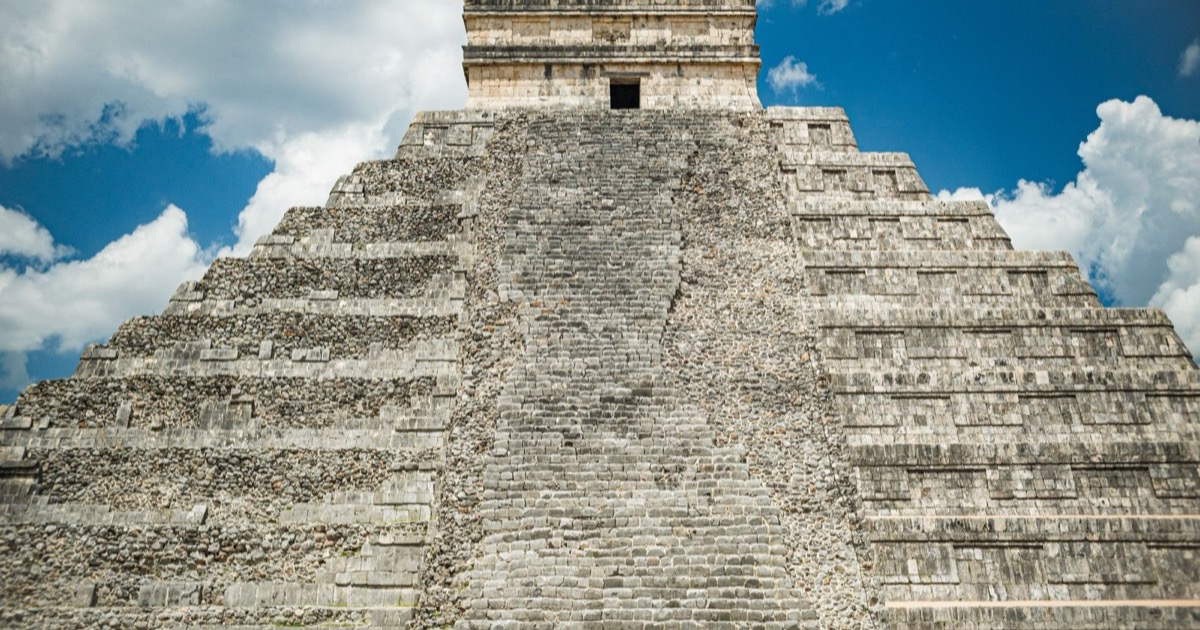

Dreaming of standing beneath the towering El Castillo without draining your savings?
Dreaming of standing beneath the towering El Castillo without draining your savings? A budget Chichen Itza tour is within reach if you plan smartly and tap into the latest 2026 travel hacks. From low‑cost transport options to savvy ticket strategies, the ancient Maya capital can be explored without splurging. Below you’ll find practical answers to the most common budget‑focused questions, so you can enjoy the ruins and still have cash left for a cenote dip.
How can I travel to Chichen Itza on a tight budget?
Public transportation remains the backbone of affordable Yucatan Peninsula travel. Buses departing from Valladolid, the nearest city with a range of budget hotels, run hourly to the archaeological zone for a fare well under ten dollars. For travelers coming from Cancun or Playa del Carmen, the new Maya Train offers a competitive alternative; a standard economy ticket is cheaper than most private shuttles and includes a scenic ride through the peninsula’s lowlands. Book the train early to lock in the seasonal discounts Mexico often offers during the low‑season months of May and October.
Once you arrive at the main entrance, the tourist entrance fee is a fixed amount set by the federal government and applies to all visitors, regardless of tour type. Buying the ticket directly at the gate avoids the extra markup that some tour operators add. Pair this with a reusable water bottle and a packed lunch from a local market, and you’ll shave off another few dollars from the day’s expenses.
What are the best affordable tour options for Chichen Itza in 2026?
Several operators have adjusted their pricing models to attract budget‑conscious travelers. Group‑size tours of 15‑20 people often start around $45 USD and include transportation from major hubs, a guide, and the entrance fee. For those comfortable navigating the site independently, “self‑guided ticket bundles” provide a printed audio guide for roughly $30, letting you set your own pace while still learning the history of the Mayan ruins. Seasonal promotions—especially during the rainy shoulder months—can reduce prices by up to 20%, so keep an eye on official tourism board announcements.
When comparing options, consider the trade‑off between guided versus self‑guided experiences. A professional guide can point out subtle architectural details and share legends that are easy to miss on a solo walk, but the extra cost may not be justified if you’ve already studied the site through free online resources. Ultimately, the right choice hinges on your comfort level with navigating large heritage sites and your desire for deeper contextual information.
| Provider | Price (USD) | Duration | Inclusions | Typical Rating |
|---|---|---|---|---|
| Group Express (15‑20 pax) | 45 | Full day (pick‑up → tour → drop‑off) | Round‑trip bus, guide, entrance fee | 4.2/5 |
| Self‑Guided Audio Bundle | 30 | Self‑paced | Audio guide, entrance fee | 4.0/5 |
| Maya Train + Local Shuttle | 55 | Half day | Train ticket, shuttle to site, entrance fee | 4.3/5 |
| Budget Day Trip (shared van) | 50 | Full day | Van transport, guide, entrance fee, optional cenote stop | 4.1/5 |
Is it possible to visit Chichen Itza without joining a guided tour?
Yes, the site is fully accessible to independent travelers. After purchasing the entrance ticket, you can wander the complex at your own speed. The layout is clearly signposted, and many visitors bring printed maps or download free mobile apps that overlay audio commentary onto the ruins. This approach eliminates the guide fee and lets you linger longer at favorite structures, such as the Temple of the Warriors or the Great Ball Court.
However, keep a few practical tips in mind. The sun can be intense, especially between March and September, so a wide‑brimmed hat, sunscreen, and plenty of water are essential. Public restrooms are located near the ticket office, and there are modest vendor stalls offering snacks and souvenirs at reasonable prices. If you prefer a deeper dive into the history without a formal guide, consider joining a short, free talk offered by the site’s staff on select days; these sessions are announced on the official Chichen Itza website and provide valuable context at no extra cost.
How much does the entrance fee to Chichen Itza cost for budget travelers?
Ticket prices at the ancient site are set by the National Institute of Anthropology and History (INAH) and differ for Mexican citizens and foreign visitors. For a traveler focused on keeping expenses low, the most economical option is the standard foreign adult ticket, which typically falls in the range of 480 MXN (about US 24). Children between the ages of 5 and 12 pay roughly half that amount, while toddlers under five enter free of charge when accompanied by a paying adult. Mexican nationals benefit from a reduced rate of approximately 200 MXN (US 10) for adults and 100 MXN (US 5) for children.
Discounts are also available for students, seniors, and groups of ten or more. A student ticket, when presented with a valid university ID, costs around 300 MXN (US 15). Seniors (65+) receive a similar concession. If you arrange a cheap Chichen Itza tour for 2026 that includes a guide, the entrance fee is usually bundled into the package price, allowing you to avoid separate payment at the gate. Keep an eye on seasonal promotions; the INAH occasionally offers “free entry days” for Mexican citizens, which can be a useful tip for budget travel Yucatan Peninsula enthusiasts.
| Visitor Category | Entrance Fee (MXN) | Approx. USD |
|---|---|---|
| Foreign Adult (standard) | 480 | 24 |
| Foreign Child (5‑12) | 240 | 12 |
| Mexican Adult | 200 | 10 |
| Mexican Child (5‑12) | 100 | 5 |
| Student (foreign) | 300 | 15 |
| Senior (65+ foreign) | 300 | 15 |
Which public transportation methods are cheapest for reaching Chichen Itza?
Getting to the ruins without a private car is entirely feasible, and several low‑cost options connect major Yucatán hubs with the site. The most popular route for budget travelers starts in Valladolid, where a frequent ADO bus departs for Chichén Itzá roughly every hour. A one‑way fare is usually under 100 MXN (US 5). For those staying in Mérida, the same company runs a direct service that takes about two hours and costs around 150 MXN (US 7.50). Tickets can be purchased online or at the terminal, and the buses are equipped with air‑conditioning, making the journey comfortable despite the low price.
If you prefer a more scenic ride, the newly inaugurated Maya Train offers a budget‑friendly alternative. While the premium class is pricey, the standard “Turista” carriage provides seats for roughly 250 MXN (US 12.50) from Cancún to Chichén Itzá, with a short shuttle to the entrance. This option also gives you a glimpse of the region’s countryside and can be combined with other stops on the line for a multi‑site itinerary. For travelers who enjoy flexibility, shared “colectivo” vans operate from Playa del Carmen and Tulum; they charge about 120 MXN (US 6) per passenger and often leave when the vehicle is full, so timing can be unpredictable but the cost remains minimal.
- ADO regular bus from Valladolid – under 100 MXN one‑way.
- ADO direct service from Mérida – around 150 MXN.
- Maya Train Turista class – approximately 250 MXN, includes train and short shuttle.
- Colectivo vans from Playa del Carmen/Tulum – about 120 MXN.
- Local taxi cooperatives in Valladolid – negotiate a flat rate of 200 MXN for a round‑trip.
- Bike‑share programs in nearby towns – rent for a day at roughly 150 MXN and pedal to the site.
- Rideshare apps (e.g., Didi, Uber) – pool options can drop the price to near 180 MXN per person.
Can I combine a visit to Chichen Itza with nearby cenotes on a budget?
The area surrounding the ruins is dotted with natural sinkholes that offer refreshing swims without breaking the bank. Many of these cenotes are free or ask for a modest donation, making them perfect companions to a day at Chichén Itzá. For instance, Cenote Ik Kil, located a short 10‑minute drive from the entrance, charges a nominal entry fee of about 150 MXN (US 7.50). If you arrange a cheap Chichen Itza tour that includes transportation, the guide can often stop at Ik Kil en route, saving you the cost of a separate taxi.
For travelers willing to venture a bit farther, the Cenote Sagrado (Sacred Cenote) lies within the archaeological zone itself and can be viewed from the main pathway without any additional charge. While swimming is prohibited, the sight is free and adds cultural context to your visit. Further north, near the town of Homún, a cluster of cenotes such as Cenote Yaxbacaltun and Cenote Santa Cruz welcome visitors for a small fee, usually under 100 MXN. Public colectivos from Valladolid will drop you off at the roadhead, where a short walk leads to the water.
To keep costs low, bring your own snacks and refillable water bottle; many cenotes have shaded areas where you can rest between swims. Combining the ancient marvel with a dip in a natural pool not only stretches your budget but also provides a fuller picture of the Yucatán’s geological and cultural landscape.
What time of year offers the lowest prices for Chichen Itza tickets and tours?
The shoulder months of May and early November typically see the smallest crowds and the most attractive entrance‑fee rates. Mexican authorities keep the standard adult ticket price steady year‑round, but many tour operators lower their package fees during these periods to fill seats that would otherwise sit empty.
Rainfall is modest during May, and the heat is less intense than the peak summer months, making a morning visit comfortable without the premium price tags that appear in December and February when holiday travel spikes. Early November benefits from the tail end of the rainy season, so the landscape is greener while demand remains low.
Travelers who can be flexible with their dates should also watch for the occasional “low‑season flash sale” announced on the official tourism board’s social channels. Those promotions often combine a reduced entrance fee with a complimentary cenote stop, providing extra value for a modest budget.
Are there any discount codes or deals for Chichen Itza tours in 2026?
Several online platforms release seasonal coupons that shave 10‑15 % off the listed price of group tours. Signing up for a newsletter from a reputable Mexican tour aggregator guarantees receipt of these codes, which are usually valid for a limited window of 48 hours after issuance.
In addition, many hostels and budget hotels in Valladolid partner with local guide cooperatives to offer “guest‑only” discounts. Presenting a printed confirmation of your stay at the front desk often unlocks a reduced rate on the same day, eliminating the need for a separate booking.
- Use the code “MAYA2026” on major travel booking sites for a 12 % discount on standard group tours.
- Apply the “HOSTELFRIEND” coupon when booking through a Valladolid hostel’s travel desk for a flat $5 reduction per person.
- Enter “CENOTE10” on the checkout page of select eco‑tour operators to receive a complimentary cenote entrance fee.
- Subscribe to the official Yucatán tourism newsletter and receive a one‑time 10 % off code for any tour booked within 30 days of receipt.
- Check the “last‑minute” section of reputable travel forums for flash deals that drop prices by up to 20 % on weekday departures.
- Combine a train ticket on the new Maya Train with a bundled tour package; the integrated fare often undercuts the sum of separate purchases.
- Ask the tour guide at the site for a “group‑share” discount if you are traveling with five or more people; many operators will adjust the price on the spot.
How do I save money on food and accommodations near Chichen Itza?
Staying in Valladolid rather than the immediate vicinity of the ruins cuts lodging costs dramatically. The city offers a range of family‑run guesthouses where nightly rates are well below those of resort‑style hotels near the site. Booking a room with a shared kitchen allows you to prepare simple meals, turning what could be a $15‑$20 restaurant bill into a $5‑$7 grocery expense.
Street‑side tacos, empanadas, and fresh fruit stalls provide filling, authentic meals at a fraction of the price charged by tourist‑focused eateries. Look for vendors displaying a “comida casera” sign; these stalls typically serve dishes cooked in large batches, keeping prices low and portions generous.
For travelers who prefer a sit‑down setting, seek out local “fondas” that serve a daily menu (menú del día). The fixed price includes a soup, main course, and beverage, often featuring regional specialties such as cochinita pibil or chiles rellenos. Because the menu changes daily, you also get a taste of seasonal ingredients without paying a premium.
What safety tips should budget travelers keep in mind at Chichen Itza?
Arriving early in the morning helps you avoid the strongest sun and the biggest crowds. Bring a refillable water bottle, a wide‑brimmed hat, and sunscreen with a high SPF; the open stone platforms can become extremely hot. Wear sturdy, closed‑toe shoes with good grip, as the ancient steps are uneven and can be slippery after a rain.
Keep valuables hidden in a money belt or a zip‑locked pouch that stays close to your body. Stay within the marked visitor pathways and respect any barrier ropes; they are placed to protect both you and the fragile structures. In case of an emergency, the site staff carry radios and the local police number is posted at the entrance.
How can I use the Maya Train to reduce travel costs to Chichen Itza?
The Maya Train now stops at a station just outside the archaeological zone, allowing you to skip the pricey shuttle from Cancun or Playa del Carmen. Economy class tickets are the cheapest option, and purchasing them online at least two weeks ahead often unlocks a 10‑15 % discount. The train runs several times a day, so you can pick a departure that matches your planned visit time.
When you alight, a short municipal bus or shared taxi will take you the remaining few kilometers to the entrance gate for a nominal fee. This combination eliminates the need for a private car rental, which can add up quickly in fuel and parking costs. Remember to bring a small daypack; the train has limited luggage storage, and you’ll need space for water, snacks, and a rain poncho.
Frequently Asked Questions
Can I buy a Chichen Itza ticket online to get a lower price?
Yes, the official ticket portal offers a modest discount for purchases made at least a day in advance. The online system also lets you select a specific entry time, which reduces waiting time at the gate. Be sure to print the confirmation or have it saved on your phone, as the staff will ask to see it before letting you through.
What is the difference between a self‑guided visit and a group tour at Chichen Itza?
A self‑guided visit gives you full control over how long you linger at each structure and lets you set your own pace, which is ideal for travelers on a tight budget. Group tours typically include a guide, transportation, and sometimes a combined ticket for a nearby cenote, but they add a per‑person fee that can be several dollars higher than the solo entry price.
Are there any free or donation‑based tours available at Chichen Itza?
Occasionally, local NGOs organize volunteer‑led walks where participants can contribute a small donation to support site preservation. These events are announced on community bulletin boards in nearby towns and on social media groups focused on Yucatán travel. While they are not guaranteed daily, they provide an inexpensive way to learn about the history from passionate locals.
How far in advance should I book a budget tour for Chichen Itza?
For the lowest rates, aim to reserve at least three weeks ahead, especially during the high season from December to March. Early booking secures the economy class seats on the Maya Train and locks in the discounted entry tickets. If you are traveling in the shoulder months of May or October, a one‑week notice is often sufficient.
What are the cheapest nearby towns to stay while visiting Chichen Itza?
Townships such as Piste and Valladolid offer a range of hostels and guesthouses that charge a fraction of the price you would pay in coastal resorts. Both towns are within a 30‑minute bus ride to the site, and they provide easy access to local markets where you can buy fresh fruit and cheap meals.
Is it safe to travel alone to Chichen Itza on a budget?
Solo travelers generally report a safe experience, especially when they stick to the main visitor routes and keep their belongings secure. It helps to let someone know your itinerary and to carry a copy of your passport rather than the original. Public transportation, including the Maya Train, is well‑patrolled and considered reliable for independent travelers.
Can I use a day pass for multiple attractions in the Yucatan Peninsula?
Some regional tourism offices sell combined tickets that cover Chichen Itza, the nearby cenote Ik Kil, and the colonial town of Valladolid. These passes are cheaper than buying separate admissions and often include a discount on local bus fares. Check the latest offerings at the tourist information kiosk in Valladolid before you purchase.
What essential items should I bring to keep costs low at Chichen Itza?
A refillable water bottle, a packed lunch of local staples like tortillas and beans, and a basic first‑aid kit will prevent you from buying overpriced snacks on site. Sunscreen, a hat, and a lightweight rain jacket protect you from the elements without the need for expensive gear rentals. Finally, a portable charger ensures your phone stays powered for navigation and ticket verification.
Traveling to Chichen Itza on a shoestring requires a bit of planning, but the combination of early ticket purchases, public transport, and staying in nearby towns keeps expenses manageable while still delivering a memorable visit.Reviewed by our editor for Europe
Marco BianchiEurope Editor
Europe travel writer focused on city culture, museums and historic routes across the continent.
More articles by Marco Bianchi →