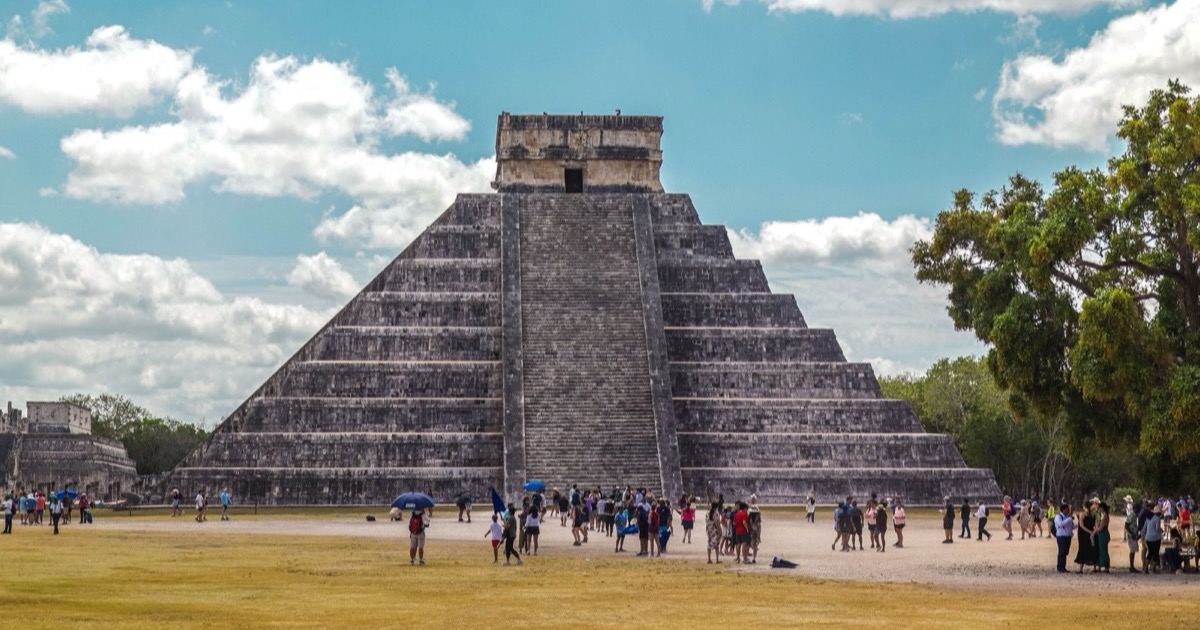

Planning a visit to the ancient Maya city of Chichén Itzá? Understanding the Chichen Itza tour cost 2026 helps you decide if the experience matches your budget and…
Planning a visit to the ancient Maya city of Chichén Itzá? Understanding the Chichen Itza tour cost 2026 helps you decide if the experience matches your budget and expectations. From bustling day trips out of Cancun to private excursions that let you linger among the stone carvings, the price you pay reflects a range of services, comforts, and access levels. Below we break down what makes a tour worth paying for, how private and group options differ in price, and what you can expect in a typical day‑trip package.
What makes a Chichen Itza tour worth the price?
A solid tour price covers more than just entry to the ruins. The entrance fee for 2026 includes a ticket to the archaeological zone, but most organized trips add a licensed guide who can translate hieroglyphic stories, point out seasonal restoration work, and answer questions about the astronomical significance of El Kukulkan. Guides who speak English, Spanish, and sometimes French or German tend to charge higher rates, yet the depth of information they provide can turn a quick photo stop into a richer cultural lesson.
Transportation is another key factor. The distance from Cancun or Playa del Carmen to Chichén Itzá is roughly 200 km, requiring a 2½‑hour drive each way. Tours that use air‑conditioned, modern coaches or private vans reduce fatigue and keep the schedule on track, especially during the hot Yucatán summer. Some operators also include a stop at a cenote or the colonial town of Valladolid, adding value that a solo traveler would otherwise need to arrange independently.
Finally, convenience and safety play a role in pricing. Reputable companies handle pick‑up at your hotel, manage luggage, and provide travel insurance for the day. They also ensure compliance with any 2026 health protocols, which can be a relief for travelers unfamiliar with local regulations. When you add these layers together, the cost often reflects a curated, hassle‑free adventure rather than a simple bus ride.
How do I compare private and group tour costs for Chichen Itza?
Private tours give you flexibility: you set the departure time, choose optional side trips, and can linger at sites without feeling rushed. Prices for a private Chichen Itza tour in 2026 typically start around $250 per person for a small group of up to four, with a minimum fee of roughly $890 for the vehicle and guide. Group tours, on the other hand, spread the same fixed costs across many participants, resulting in rates that can dip below $60 per person for a standard day trip.
When comparing options, look beyond the headline price. Private tours often include premium amenities such as bottled water, snacks, and a more personalized guide who can adapt the narrative to your interests. Group tours may offer a larger social atmosphere and the chance to meet fellow travelers, but they usually follow a tighter schedule and may limit time at each landmark. Your decision should weigh the importance of flexibility against budget constraints.
| Feature | Private Tour | Group Tour |
|---|---|---|
| Typical price per person (2026) | $250 – $350 | $45 – $70 |
| Minimum group size | 2 – 4 | 10 – 30+ |
| Departure flexibility | Custom times, can add cenote stop | Fixed schedule, limited stops |
| Guide attention | One‑on‑one or small‑group focus | Large‑group commentary |
| Included amenities | Water, snacks, optional lunch | Basic water, occasional snack |
| Transportation type | Private van or SUV | Standard coach |
What is included in a typical Chichen Itza day trip package?
A standard day‑trip package from Cancun or the Riviera Maya usually starts with a hotel pick‑up early in the morning, followed by a comfortable coach ride to the archaeological site. Upon arrival, the guide meets the group at the entrance and leads a walkthrough of the main structures: the Pyramid of Kukulkan, the Great Ball Court, the Temple of the Warriors, and the Observatory. The entrance fee is part of the package, so you won’t need to purchase a separate ticket.
Most operators add a short visit to a nearby cenote, allowing travelers to cool off with a swim in crystal‑clear water. Some tours also include a stop in Valladolid for a quick lunch or a walk around the historic square, giving a taste of colonial architecture. Throughout the day, bottled water, a light snack, and restroom breaks are typically provided. At the end of the itinerary, the coach returns you to your original drop‑off point, often with a few minutes to spare before the next activity.
When evaluating a package, check whether the guide’s language proficiency matches your needs, whether the cenote stop is mandatory or optional, and if any additional fees (such as for a premium lunch or extra museum access) are listed upfront. Clear, itemized pricing helps you avoid surprise costs and ensures the experience aligns with the advertised value.
How far is Chichen Itza from Cancun and Playa del Carmen?
The ancient city sits roughly 200 km (124 mi) northeast of Cancun, a drive that typically consumes about three hours on the well‑maintained Federal Highway 180. The distance translates into a full‑day itinerary when you combine travel, site exploration, and a quick bite, which is why many travelers book a Chichen Itza day trip from Cancun that departs early in the morning and returns by late afternoon.
Playa del Carmen lies a little farther inland, at approximately 230 km (143 mi) from the ruins. Expect a driving time of three and a half hours under normal traffic conditions. The extra half‑hour can be offset by choosing a tour that includes a stop in the colonial town of Valladolid, turning the journey into a cultural loop rather than a straight‑out‑and‑back.
| Origin | Distance (km) | Driving Time | Typical Round‑Trip Cost (USD) |
|---|---|---|---|
| Cancun Airport | 200 | ≈ 3 hrs | $70‑$120 (shared shuttle) |
| Playa del Carmen | 230 | ≈ 3.5 hrs | $80‑$130 (group tour) |
| Self‑drive (rental) | — | — | $45‑$70 (fuel only) |
What transportation options are available for visiting Chichen Itza?
Travelers can choose from a spectrum of services that balance cost, comfort, and flexibility. The most common choice is a group tour that bundles transportation, entrance fee, and a guide; these packages often range from $49 to $120 per person, depending on inclusions. For those who prefer privacy, a Chichen Itza private tour price typically starts around $250 per person, with the vehicle dedicated to a single party.
Public transportation is another viable route. The ADO bus network runs daily departures from both Cancun and Playa del Carmen to the town of Piste, where a short taxi ride completes the journey. This method keeps the Chichen Itza transportation options budget under $30 per passenger, though it lacks the convenience of a door‑to‑door service.
- Private car hire with a licensed driver (custom itineraries, higher price tier).
- Shared shuttle services offered by local agencies (fixed schedule, moderate cost).
- ADO intercity buses to Piste followed by a taxi (economical, longer transfer time).
- Rental car from major agencies in Cancun or Playa del Carmen (self‑guided, full control).
- Guided tour buses that include additional stops such as cenotes or Valladolid (all‑in‑one package).
- Ride‑hailing apps operating in the Riviera Maya that can arrange a one‑way trip (flexible, variable pricing).
Are there any hidden fees or extra charges on Chichen Itza tours?
The official Chichen Itza entrance fee 2026 is set by the Mexican government and applies to all visitors, typically around MXN 480 for adults. This fee is usually rolled into the advertised price of a tour, but some low‑cost operators may list a “base price” that excludes the entrance ticket, requiring payment on site. Always verify whether the entrance fee is included before confirming a reservation.
Additional costs often appear in the form of optional activities. Many day trips bundle a visit to a nearby cenote, charging an extra $15‑$30 per person for entry and equipment rental. Guided tours may also suggest a gratuity for the interpreter; while not mandatory, a tip of $5‑$10 per guest is customary and sometimes pre‑added to the invoice.
Insurance, photo packages, and souvenir vouchers are other line items that can inflate the final amount. A thorough read of the fine print—especially in the “What’s included?” section—will reveal any such surcharges. Recent Chichen Itza tour reviews 2026 frequently mention surprise fees for bottled water or restroom access, so budgeting an extra $10‑$20 per person helps avoid unpleasant surprises.
How does the entrance fee affect the overall cost of a Chichen Itza visit?
The basic admission price for Chichen Itza in 2026 is set by the Mexican federal government and applies to every visitor, regardless of the way they arrive. For most travelers the fee falls between 480 and 560 Mexican pesos (roughly $25‑$30 USD). This amount represents the single largest line‑item on a day‑trip budget, eclipsing typical meals or souvenir purchases.
When the entrance fee is combined with transportation, guide services, and optional extras such as a cenote swim or a stop in Valladolid, the proportion of the total expense shifts dramatically. A standard group tour that includes transport, a guide, and the ticket often lands in the $70‑$100 USD range per person, meaning the entrance fee accounts for roughly one‑third of the total price. In contrast, a self‑guided visit using a rented car or ADO bus will see the ticket make up closer to half of the overall spend, because transportation costs are lower.
Understanding this breakdown helps travelers decide where to allocate savings. If the entrance fee is non‑negotiable, the most effective way to reduce the final bill is to trim ancillary costs—opting for a shared ADO bus instead of a private van, or skipping the extra cenote stop. Conversely, those who value a deeper historical context may accept a higher total cost for a knowledgeable guide, knowing that the ticket itself remains a fixed component.
What should I look for in a reputable Chichen Itza tour operator?
A reliable operator will balance price, safety, and educational value. First, confirm that the company holds a valid license from the Secretaría de Turismo; this is a legal requirement for any group operating on the site. Second, examine the guide credentials—certified guides must have completed the national Mayan archaeology certification program and be fluent in the language you prefer.
Third, assess the transportation arrangement. Reputable firms use air‑conditioned vehicles that meet local safety inspections and provide clear pick‑up details. Fourth, read recent traveler reviews on independent platforms; consistent praise for punctuality and respectful treatment of the ruins signals professionalism. Finally, verify what is included in the price—some operators bundle a cenote visit, lunch, or entrance fee, while others charge each component separately.
- Official tourism license displayed on the website or at the ticket office.
- Guides with certified Mayan archaeology training and fluency in your language.
- Air‑conditioned, well‑maintained vehicles with documented safety checks.
- Transparent pricing that lists entrance fee, guide fee, and any optional stops.
- Positive, recent reviews on sites such as TripAdvisor, Google, or independent travel blogs.
- Clear cancellation policy and responsive customer service.
- Commitment to responsible tourism, including waste management and respect for site regulations.
Can I save money by arranging my own transportation to Chichen Itza?
Yes, handling transport independently can lower the overall expense, but the amount saved depends on the mode you choose. The most economical option for solo travelers or couples is the ADO bus network, which departs regularly from Cancun, Playa del Carmen, and Tulum. A one‑way ticket to the Chichen Itza station costs around 200‑250 pesos (approximately $10‑$12 USD). From the bus stop, a short taxi ride or a pre‑arranged shuttle completes the journey to the entrance.
Renting a car offers greater flexibility, especially for groups of three or more. Daily rates for a compact vehicle in the Riviera Maya hover near 800‑900 pesos (about $40‑$45 USD), and fuel for the round‑trip is modest. When the vehicle cost is split among passengers, the per‑person price can undercut many private‑tour packages, while also granting the freedom to stop at off‑the‑beaten‑path cenotes or colonial towns.
However, self‑arranged travel requires careful planning. Drivers must be comfortable navigating Mexican highways, and visitors should verify that the rental agreement permits travel to archaeological sites. the lack of a professional guide means you’ll need to rely on audio guides or mobile apps for interpretive information, which may affect the depth of your experience. Balancing these factors will help you decide if the savings outweigh the convenience of an all‑inclusive tour.
What time of year offers the best value for a Chichen Itza tour?
Travelers who book during the rainy months of May through October usually see the lowest advertised prices. Tour operators experience a dip in demand, which translates into reduced group rates, cheaper private shuttles, and occasional promotional discounts on entrance fees. The trade‑off is higher humidity and a greater chance of afternoon showers, so packing a light rain jacket and planning a mid‑morning start are wise choices.
The months of November and early December form a sweet spot for cost‑conscious visitors. Weather is milder, crowds have not yet peaked for the holiday rush, and many companies keep their off‑season pricing while adding a few extra perks such as a complimentary cenote stop. Booking a tour that departs before 10 a.m. often secures the best combination of comfort and savings.
Peak periods—Easter week, the Christmas holidays, and the first week of January—see the highest rates across the board. Operators raise prices to cover larger groups, premium transportation, and the added expense of extra staff. If flexibility allows, postponing a visit by even a week can shave several hundred pesos off the total cost.
How do reviews and traveler experiences influence tour selection?
Recent traveler reviews act as a real‑time quality gauge. Guests consistently praise guides who can explain the astronomical significance of the El Caracol observatory in plain language, while they criticize tours that rush through the site without answering questions. Look for comments that mention the guide’s fluency in your preferred language and their ability to adjust the itinerary based on group interest.
Rating breakdowns also reveal which operators bundle extra attractions effectively. A high proportion of reviewers mention a cenote dip or a stop in Valladolid as “value‑adding,” indicating that the extra travel time is offset by a richer cultural experience. When the majority of positive feedback highlights these add‑ons, the overall price per person tends to be more justified.
Negative feedback often points to large, generic buses and crowded groups that limit personal interaction with the ruins. By filtering out tours with a pattern of complaints about “overcrowded shuttles” or “rushed explanations,” you can focus on operators that prioritize smaller vehicles and more intimate guide‑to‑guest ratios, even if the headline price appears slightly higher.
Sources & Further Reading
Frequently Asked Questions
Is a private Chichen Itza tour worth the extra cost?
A private tour eliminates the need to share a shuttle with strangers, allowing you to set your own pace and linger at the most intriguing structures. Guides can tailor the narrative to specific interests, such as archaeology or astronomy, which often enhances the educational value. For groups of four or more, the per‑person cost difference narrows, making the added comfort and flexibility a practical investment.
How much does the entrance fee to Chichen Itza cost in 2026?
The standard entrance fee for international visitors in 2026 is set by the Mexican government and typically hovers around 480 MXN per adult. Children under 13 usually receive a reduced rate, while seniors may qualify for a modest discount. This fee is separate from any tour package and must be paid at the site, either in cash or via a contactless card.
What is the average price for a group day trip to Chichen Itza from Cancun?
Group day trips that include transportation, a professional guide, and the entrance fee generally range from 1,200 to 1,600 MXN per person. Packages that add a cenote swim or a lunch stop can push the price toward the upper end of that spectrum. Prices fluctuate based on season, with off‑peak months often offering the lower tier.
Can I combine a Chichen Itza tour with other Yucatan attractions?
Many operators bundle a visit to Chichen Itza with a stop at a nearby cenote, the colonial town of Valladolid, or the Ek Balam ruins. These combos extend the day trip to roughly eight hours but provide a broader view of Yucatan culture and natural beauty. When evaluating combos, verify that the added stops are included in the advertised price and that sufficient time is allocated for each site.
What are the pros and cons of using an ADO bus versus a private shuttle?
ADO’s intercity buses are reliable, air‑conditioned, and often the cheapest way to reach the archaeological zone, but they run on fixed schedules and may require transfers. Private shuttles offer door‑to‑door service, flexible departure times, and the ability to pause for photos, though they come at a higher per‑person cost. Choose based on your tolerance for fixed timetables versus the desire for a more personalized experience.
Are there any discounts available for students or seniors on Chichen Itza tours?
Several tour companies honor student IDs and senior citizen cards with a reduction of 10‑15 % on the base price, provided the documentation is presented at booking. The government‑mandated entrance fee also offers a lower rate for seniors over 65. Always confirm the discount policy before confirming a reservation to avoid surprise charges.
How long does the full Chichen Itza tour typically last?
A standard tour that includes round‑trip transportation from Cancun, a guided walk through the main plaza, and the entrance fee lasts about six to seven hours. Adding a cenote swim or a lunch break can extend the itinerary to eight or nine hours. The exact duration depends on traffic conditions and the amount of time the guide allocates for questions.
What should I bring to make my Chichen Itza visit comfortable and affordable?
Pack a refillable water bottle, sunscreen, a hat, and sturdy walking shoes to stay comfortable in the sun and reduce the need for on‑site purchases. A lightweight rain jacket is advisable during the rainy season, and a small amount of local currency can cover entrance fees and optional souvenirs. Bringing your own snacks can also keep costs down, especially if the tour does not include a meal.
Choosing the right time, reading recent feedback, and matching your budget to the level of service you expect will help you get the most out of a Chichen Itza excursion. With careful planning, the iconic ruins can be explored without stretching your travel finances.Reviewed by our editor for the Americas & practical travel
James CarterAmericas & Practical Travel Editor
Travel writer covering the Americas plus the practical side of travel — budgets, eSIMs, visas and logistics.
More articles by James Carter →